
The soil right now is doing something spring soil can’t do for months. It’s still holding onto summer’s warmth, which is what roots need to actually grow, while the air above it has cooled off enough that the leaves aren’t losing water faster than the plant can pull it up.
That combination, warm feet and cool head, is exactly what a young plant wants. Spring gives you the opposite: cold soil, warming air, and a plant that’s being asked to push out leaves before its roots have woken up. That’s one of the reasons why you’ll want to figure out what to plant in Fall at the end of the summer.
Rain does the other half of the work. Anything you put in now gets watered by the sky through fall and winter, so you don’t have to stand out there with a hose in October the way you did in July, and the plant spends the whole dormant season getting its roots down into the ground without having to support a load of top growth at the same time.
By the time spring hits, it’s already anchored, already drinking from deeper down, and already ahead of anything you plant in April. So here’s a plan for what to plant in Fall.
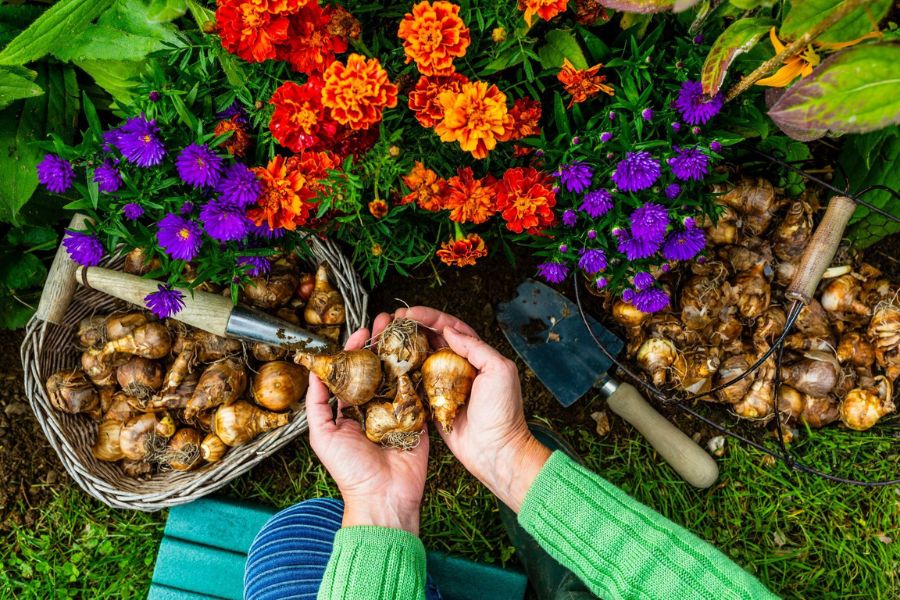
Shrubs, Trees, and Perennials: Get Them In Now
This is the category where fall planting pays off the most. Deciduous trees and shrubs are winding down for the year, dropping leaves, slowing sap, and putting their energy underground.
If you plant one now, it uses all that root-growing time to establish, and you skip the awful first summer where a spring-planted tree is trying to grow leaves and roots at the same time in 90-degree heat with you frantically watering it every other evening.
Roses, in particular, do well going in during the fall. Bare-root roses become available from most nurseries from late fall through winter, and they’re cheaper than potted ones, sometimes half the price, and they establish faster because their roots haven’t been coiled up in a pot for a year.
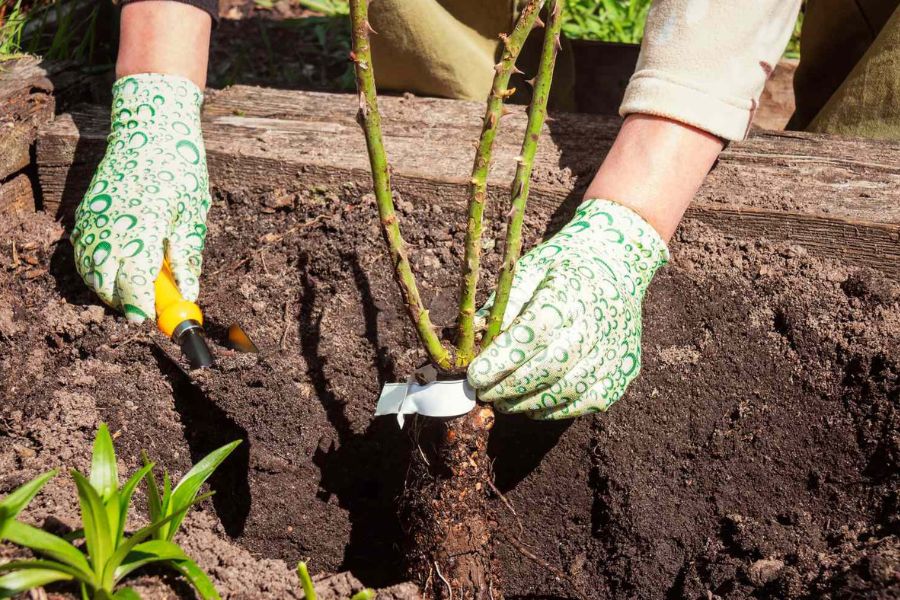
Hydrangeas, viburnums, dogwoods, lilacs, and weigela are also good to plant now.
Water them well the day you plant, mulch a couple of inches thick around the base without piling it against the stem, and then leave them alone.
Perennials are the same. Peonies, daylilies, hostas, sedums, coneflowers, black-eyed Susans, and hardy geraniums are all better when planted in September or October than sit in a plastic pot on a nursery bench next April.
Bulbs and Garlic: The Easiest Fall Job in the Garden
Spring bulbs go in from now through November, and the only real rule is to get them into the ground before it freezes solid. Daffodils, tulips, crocuses, muscari, alliums, snowdrops, and hyacinths all need the cold of winter to trigger flowering.
A few things I’ve picked up the hard way about bulbs. Plant them deeper than the packet suggests, roughly three times the height of the bulb, because shallow-planted bulbs tend to peter out after a couple of years while deep ones keep coming back.
Pointy end up, flat end down, and if you can’t tell which is which, just lay the bulb on its side and it’ll sort itself out. Squirrels will dig up tulips and eat them like candy, but they leave daffodils, alliums, and muscari alone, so plan accordingly or plant tulips in pots you can move somewhere protected.
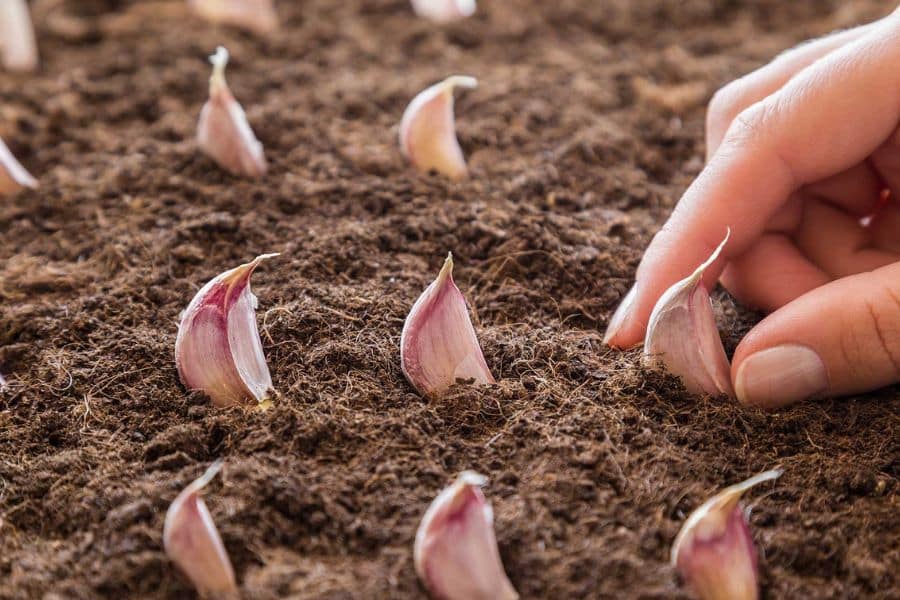
Garlic is the other big fall job. Break a bulb into cloves, push each clove pointy end up about 2 inches into the soil, space them 6 inches apart, and walk away. They’ll put down roots through winter, send up green shoots in March, and give you whole heads to dig up the following July.
Lawns and Bare Patches: The Repair Window
If your lawn looks like straw after the summer, now is the time to fix it, not April. Grass seed sown in September and October germinates in warm soil, develops a good root system before winter, and then hits the ground running when temperatures rise again in spring.
The seed you sow in March competes with weeds and dries out the moment the first warm week arrives. The window between now and mid-October is the sweet spot in most places, a bit later if you’re further south.
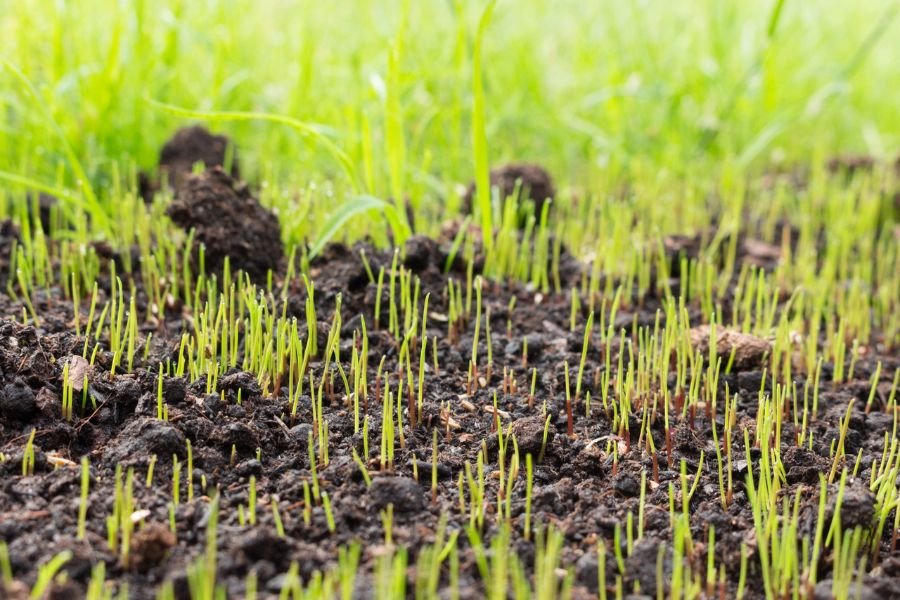
Rake out the dead patches to expose bare soil, scatter seed generously because birds will help themselves to a share, press it in with the back of a rake or by walking over it with old shoes, and water it if the sky isn’t already doing that job for you.
Within about three weeks, you’ll have green fuzz coming through, and within six weeks it looks like an actual lawn again.
Bare patches in flower beds work the same way. Any gap where something died over summer can be filled now with a hardy perennial from the nursery clearance rack (they’re desperate to shift stock at this time of year and prices drop by half or more), or overseeded with a hardy annual like calendula, larkspur, or cornflower, which will germinate now, overwinter as small plants, and flower earlier and longer next year than anything you sow in spring.
What to Skip Until Spring
Not everything wants to go in now, and it’s worth knowing what to leave alone so you don’t waste money on something that’ll rot in cold, wet soil over winter.
Tender perennials like salvias, penstemons, and dahlias are safer to buy and plant in spring, because their roots don’t have enough time to establish before the cold arrives and they sit in soggy ground, weakening.
Same story with anything Mediterranean and grey-leaved: lavender, rosemary, santolina, cistus. They can go in during fall in mild climates, but if your winters are properly cold and wet, wait.
Ornamental grasses are another one to hold off on. They look their best right now, all feathery and gorgeous, and it’s tempting to buy one at the nursery and stick it in, but grasses establish poorly in cold soil, and much prefer to go in around April or May.
Annual vegetables and half-hardy flowers are obviously out too. The exception is the hardy ones such as garlic and shallots, plus broad beans and hardy peas if you’re in a milder area, and winter salads like mache, arugula, and mustards, which will happily germinate in cool soil and give you leaves right through the colder months if you cover them with a cloche on the worst nights.
Setting Yourself Up Before the Ground Hardens
One thing worth doing while the soil is still soft and workable is edging your beds. A crisp edge cut with a spade around the borders. It takes an afternoon, and the effect lasts until spring.
Mulch is the other job. A couple of inches of compost, leaf mold, bark, or well-rotted manure spread over the beds now does two things at once: it insulates the roots of everything you’ve just planted, and suppresses the weeds that would otherwise seed themselves into every gap over winter. Don’t dig it in. Just lay it on top and let the worms do the work.

Kylie Lang is a nationally syndicated travel journalist with bylines on the Associated Press Wire & more, a lifestyle writer, and the founder and editor of Your Lifestyle Library (yourlifestylelibrary.com). She holds a BA (Honours) in History from the University of Kent and is a member of the British Guild of Travel Writers.