
May is one of those months that anyone who is a bit of a gardening fanatic gets excited about. The temperatures have risen, the soil is warmer, and it’s time to plant as if your life depended on it. It’s a wonderful month here in France, and spending time in the garden is a joy.
If your garden plan for this year includes perennials, then May is the month to get many of them in the ground. The soil has had time to warm up after winter, frosts are mostly behind us, and the longer days give new plants the energy they need to establish strong roots before the heat of summer sets in.
Most perennials need soil temperatures around 65 degrees Fahrenheit before they really get going, and in most parts of the US, May delivers exactly that. Before you plant any of these, check your USDA hardiness zone and spend five minutes with a soil thermometer.

9 Hardy Perennials to Plant in May
These 9 plants are low-maintenance, drought-tolerant, and still come back after a hard winter. Whether you’re a seasoned gardener or someone who tends to kill things by accident, these are the ones to start with.
Purple Coneflower (Echinacea)
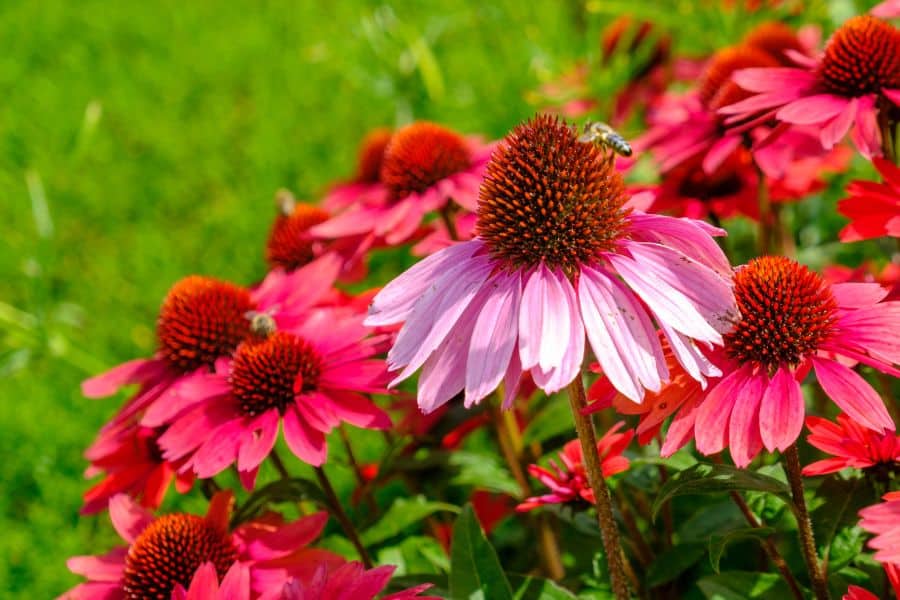
If you only plant one perennial this May, make it this one.
Purple coneflower, or Echinacea purpurea, is a native North American wildflower that could easily grace the pages of a gardening magazine. The blooms are a rich, rosy purple with a raised, copper-colored center cone that gives the plant its name. They flower from midsummer well into fall, which gives you months of color from a single planting.
But the real reason gardeners love it? Wildlife absolutely flock to it. Bees and butterflies are constant visitors throughout summer. Then, once the flowers go to seed in fall, goldfinches and other birds show up to pick the seed heads clean.
Purple coneflower is hardy in USDA zones 3 to 8, so it works across most of the country. Plant it in full sun with well-drained soil, and largely leave it alone. It handles drought better than most flowers and will spread into a larger clump over time, filling gaps in your beds without any extra effort on your part.
You can sow seeds directly in the garden in May once the soil reaches 65 degrees, or save yourself time by buying young plants from a nursery. Either way, you’ll have blooms by late summer.
Daylily (Hemerocallis)
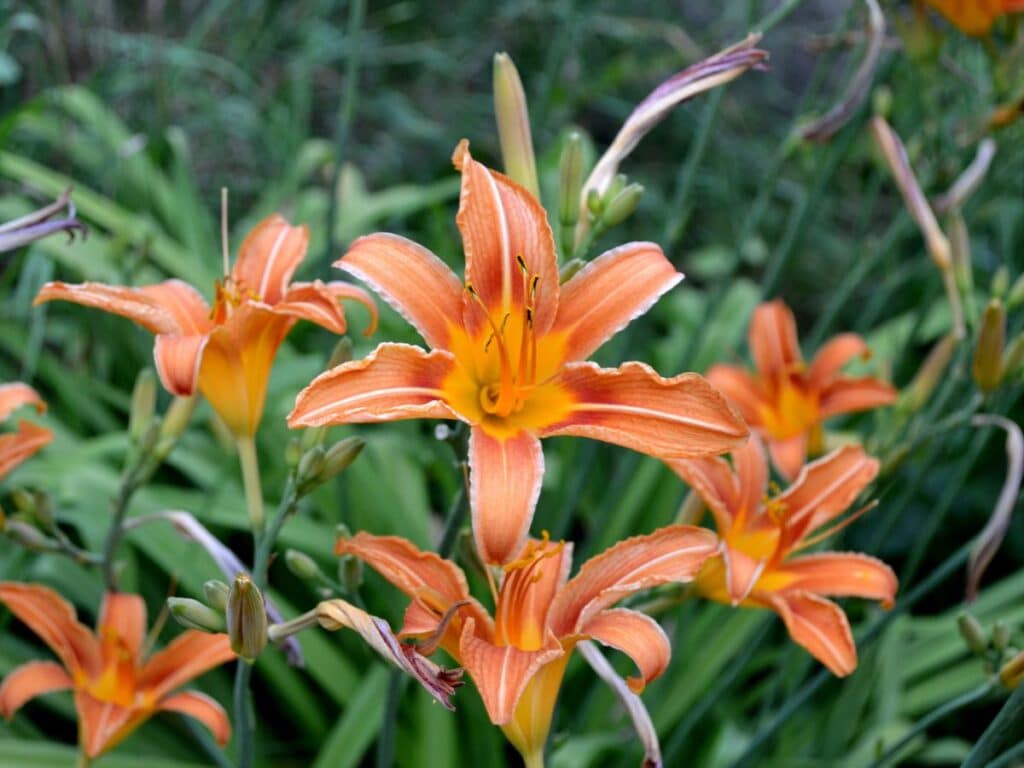
Don’t be put off by the name. Yes, each individual daylily flower lasts just one day. But a single plant can produce dozens of buds, and when you plant a few varieties together with staggered bloom times, you end up with constant color for weeks.
Daylilies come in an extraordinary range of colors: deep burgundy, pale lemon, fiery orange, soft peach, and almost every shade in between. They grow in clumps that get bigger and more impressive each year.
May is the right time to plant them because they need to establish before any unexpected cold snaps. Once they’re settled in, they’ll be one of the lowest-maintenance plants in your garden. Hardy in USDA zones 3 to 9, they work across a huge range of climates.
Plant them in full sun to partial shade and water them regularly in their first season. After that, they look after themselves. Divide the clumps every few years to keep them blooming vigorously, and use the divisions to fill other spots in the garden.
Black-Eyed Susan (Rudbeckia hirta)
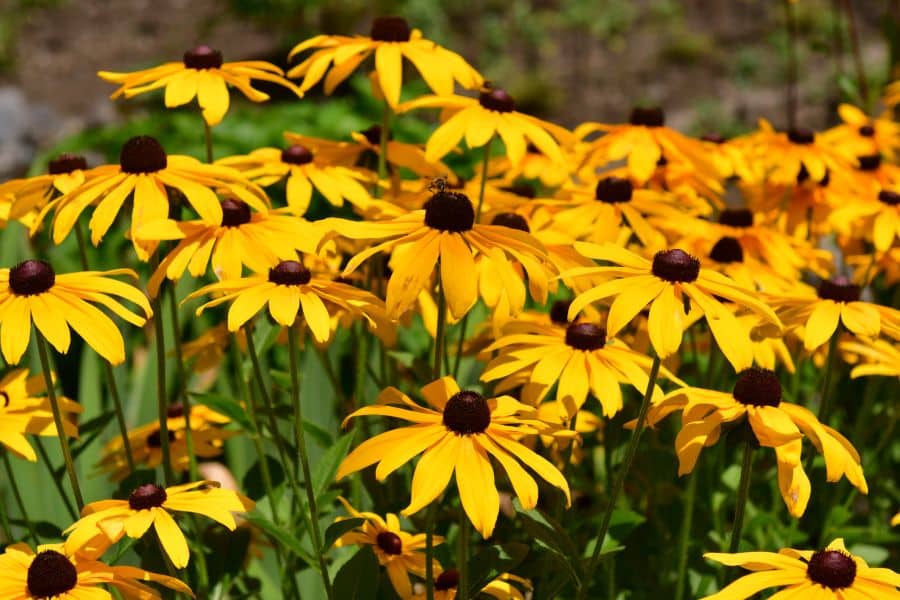
I love Black-eyed Susans. The blooms are bright golden-yellow with a dark brown, nearly black center, which gives the plant its name and makes it look a little like a cheerful sunflower, which is my all-time favorite flower. We have fields and fields of them here in August.
They bloom reliably from midsummer through early fall, and they reseed themselves, meaning new plants pop up each year without any help from you.
A lot of people assume they’re annuals because they bloom in the first year after planting. They’re not. In USDA zones 3 to 8, they come back faithfully every year, often spreading into bigger and better clumps.
One important note: Plant young nursery plants in May rather than seeds. Black-eyed Susan seeds benefit from cold stratification, which is a period of cold exposure to trigger germination, and trying to sow them from scratch in spring rarely gives great results. Buy plants, pop them in after your last frost, and you’ll have blooms in no time.
They attract pollinators all summer long, and the seed heads provide food for birds once the growing season is over. Full sun, well-drained soil, and very little fuss required.
Garden Phlox (Phlox paniculata)
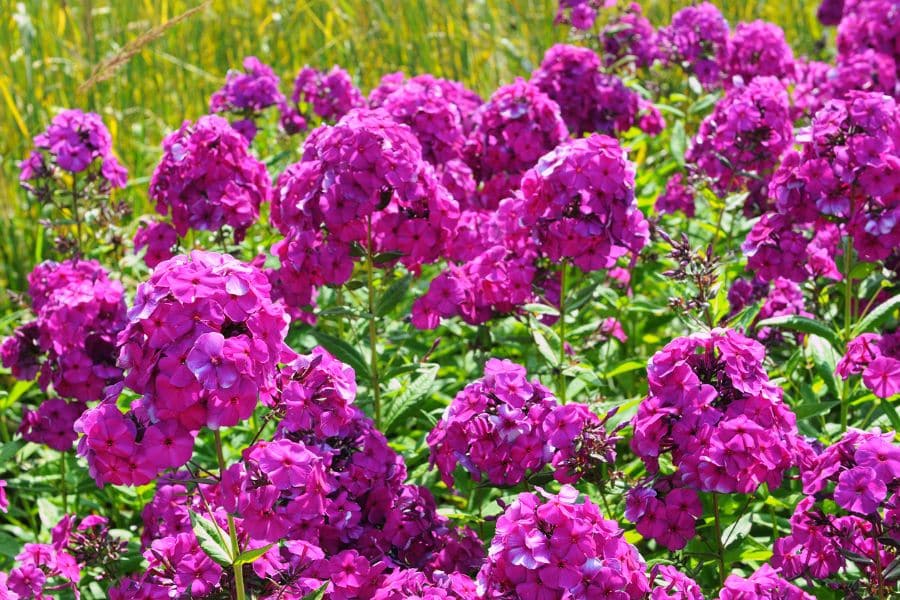
Garden phlox has the garden wow factor. The blooms come in enormous clusters, and the color range is remarkable: deep magenta, pure white, candy pink, lavender, and striking bicolors with a different-colored eye at the center.
It blooms in midsummer and has a light, sweet fragrance that carries on a warm evening. Hummingbirds and butterflies love it, and it makes stunning cut flowers for the house.
Because it can be tricky to grow reliably from seed, most gardeners buy young plants or cuttings from a nursery. May is the ideal time to get them in the ground, when soil temperatures are sitting around 65 to 70 degrees Fahrenheit. Garden phlox is hardy in USDA zones 4 to 8.
Give it full sun to partial shade and make sure the soil drains well. Good air circulation around the plants helps prevent powdery mildew, which is really the only issue you’re likely to encounter. Space plants a foot or more apart, and deadhead spent blooms to encourage a second flush of flowers later in the season.
Shasta Daisy (Leucanthemum x superbum)
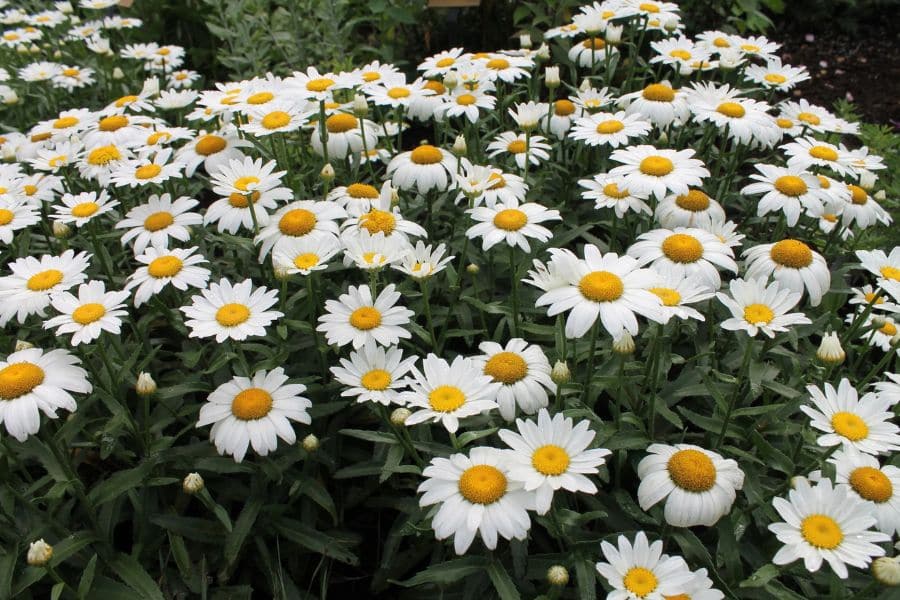
There is something almost impossibly cheerful about a Shasta daisy, and they always make me smile. What makes them stand out from most summer perennials is their flexibility. They bloom happily in full sun, but they’re one of the few flowers that will also perform reasonably well in partial shade. That makes them incredibly useful for spots in the garden where other sun-lovers struggle.
Shasta daisies germinate best when soil temperatures are around 70 degrees Fahrenheit, which in most regions lands squarely in May. They’re easy enough for complete beginners to grow from seed, but if you want faster results, young nursery plants are widely available and will give you blooms much sooner.
Hardy in USDA zones 4 to 9, they bloom from late spring right through summer and make outstanding cut flowers. Divide the clumps every two or three years to keep them blooming well. Left undivided for too long, they can get a little congested in the center and flower less freely.
Blanket Flower (Gaillardia aristata)

If you want a little flower drama in your garden, then these are a great choice. The blooms look like a sunset captured in a flower: rich, velvety red petals tipped with bright yellow edges, surrounding a round center in deep burgundy or orange. They’re bold, they’re warm, and they look stunning planted in groups.
Despite that show-stopping appearance, blanket flower is one of the easiest perennials you can grow. It thrives in poor soil, handles drought without complaint, and laughs in the face of summer heat. If your garden has a tricky dry spot where other things refuse to grow, this is what you plant there.
It’s hardy in USDA zones 3 to 8, and May is the perfect planting window once the risk of frost has passed. Give it full sun and well-drained soil, and largely leave it to get on with things. Deadheading spent flowers will keep the blooms coming all season long.
One thing to know: blanket flower doesn’t love sitting in wet or waterlogged soil over winter. If your garden is heavy clay, improve drainage before planting or raise the bed slightly.
Bee Balm (Monarda didyma)
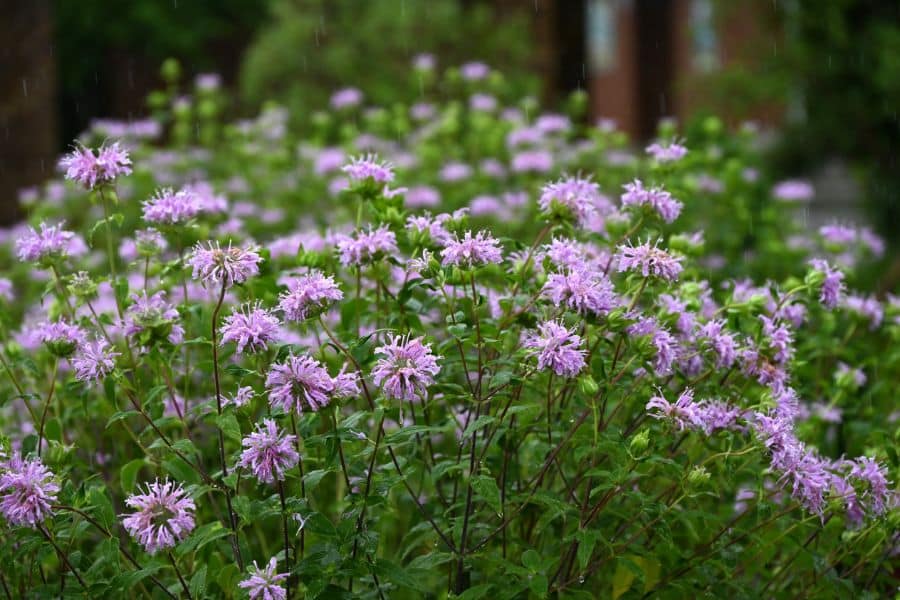
Bee balm produces gorgeous, shaggy, crown-like flowers in deep red, burgundy, pink, or purple, sitting on top of upright stems that can reach 2 to 4 feet tall. It blooms from midsummer into early fall, and it’s one of the most reliable plants you can grow for attracting pollinators, and Hummingbirds love them.
Because bee balm is extremely sensitive to frost, May is the perfect planting time. Soil temperature needs to be between 65 and 80 degrees Fahrenheit for seeds to germinate well. If you want the most reliable results, buy young plants from a nursery rather than starting from seed.
Hardy in USDA zones 4 to 9, it does best in full sun to light shade with consistently moist soil. It will spread by underground rhizomes over time, filling in a space beautifully. Divide it every few years to keep it tidy and in full bloom.
Columbine (Aquilegia)
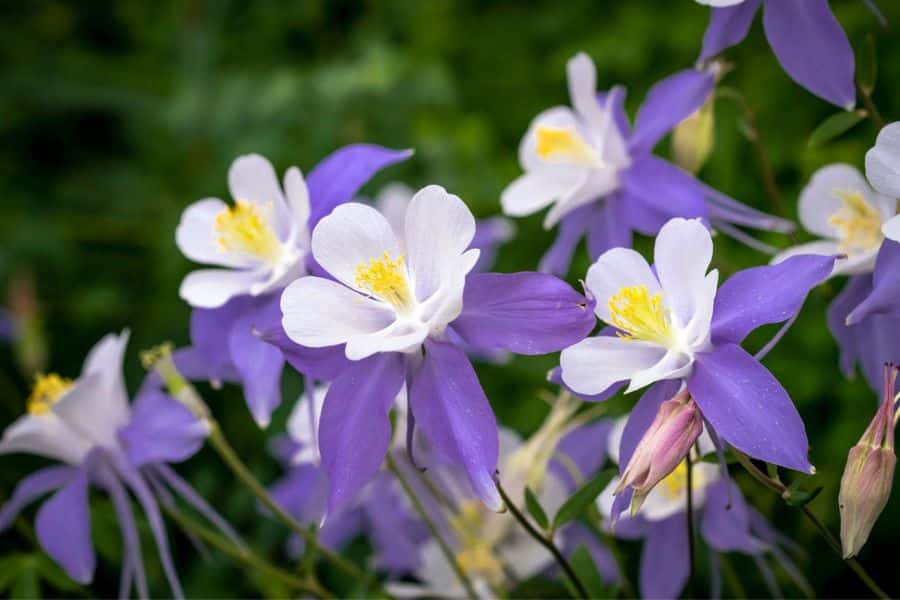
Columbine has intricate, almost architectural flowers, with spurred petals that look like they belong in a fairy tale rather than a flower bed. They come in a range of colors, from deep purple and navy blue to soft yellow, coral, and pure white, and in wide varieties, two-toned with a different color on the inner petals.
It’s one of the best choices for adding color to shaded areas. Columbine tolerates partial shade well and actually performs better with some protection from harsh afternoon sun. Once the soil hits 65 degrees Fahrenheit in May, you can sow seeds directly into the ground. Just scatter them on the surface rather than burying them, because they need light to germinate.
Hardy in USDA zones 3 to 8, columbine blooms in late spring and early summer, then self-seeds freely, which means new plants keep popping up year after year.
Tickseed (Coreopsis)
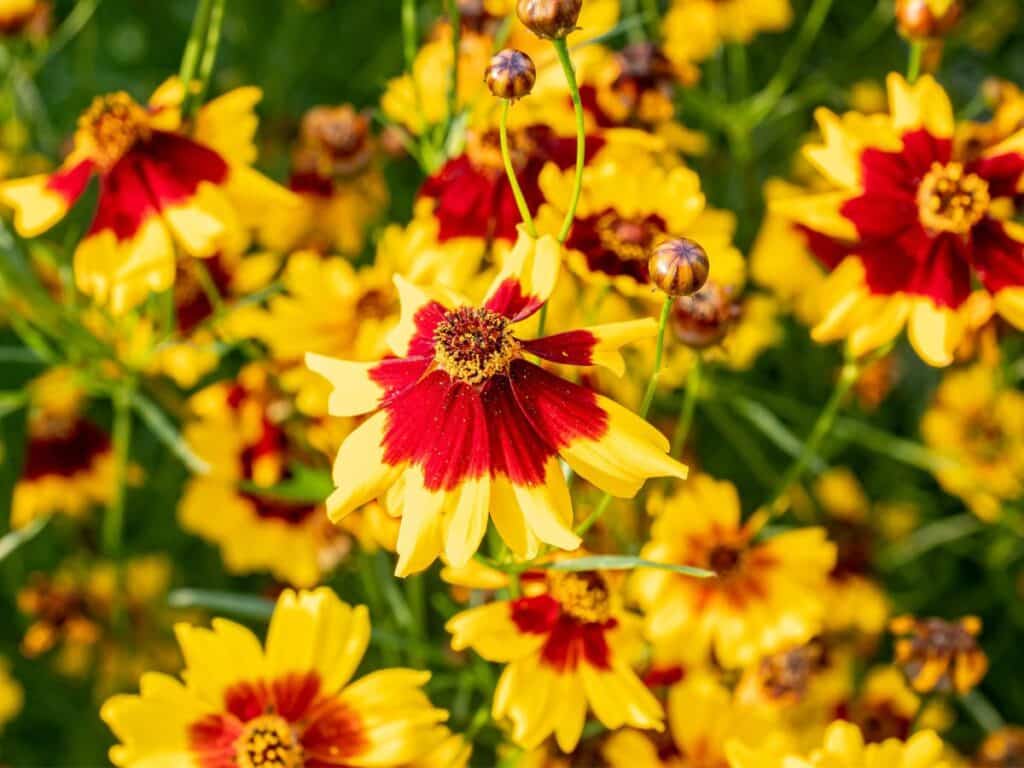
Tickseed gets its unusual common name from the shape of its dark seeds. It’s one of the longest-blooming perennials you can grow. The cheerful, sunny yellow flowers appear in late spring and keep coming right through to fall with minimal effort on your part. Some varieties also come in shades of pink, red, and bi-color, so there’s plenty to choose from.
Sow seeds directly into the garden once the soil reaches 60 to 70 degrees Fahrenheit and nighttime temperatures are consistently above 50 degrees, which in most parts of the US falls right in May. Hardy in USDA zones 4 to 9, it works across a wide range of climates.
Deadhead regularly to keep the blooms coming, and cut the plants back by about a third in midsummer if flowering starts to slow down. That light trim usually triggers a whole new flush of flowers within a few weeks.
It pairs beautifully with purple coneflower and black-eyed Susan, giving you that warm, meadow-inspired look that’s so popular right now and so easy to achieve.
A Few Things Worth Knowing Before You Plant
Check your last frost date before you put anything in the ground. In some northern regions, a late frost can still sneak in during the first two weeks of May. Most of the plants on this list are tough, but a hard frost on newly planted seedlings is never a good start.
Soil temperature matters more than the calendar date. A cheap soil thermometer costs just a few dollars and takes the guesswork out of timing completely.
And if you’re buying from a nursery rather than sowing seeds, look for compact, healthy plants with good root systems rather than the biggest, tallest ones on the shelf. Smaller, well-rooted plants almost always establish faster and perform better in their first season.
Plant these nine, look after them through their first summer, and by next May you’ll already have a garden that looks like it’s been years in the making.
Disclaimer: This article is for general information only and is not professional advice. It may contain affiliate links. Please see our full Editorial Policy for details.

Kylie Lang is a nationally syndicated travel journalist with bylines on the Associated Press Wire & more, a lifestyle writer, and the founder and editor of Your Lifestyle Library (yourlifestylelibrary.com). She holds a BA (Honours) in History from the University of Kent and is a member of the British Guild of Travel Writers.