
No raised bed? No problem. If you’re renting, short on space, or just not ready to drop hundreds on proper garden beds, laundry baskets might be your new best friend. I tried this last year with my strawberries, and it worked a treat.
The holes meant to let water drain from your wet clothes also provide ideal airflow for plant roots. Soggy soil kills more container plants than anything else, and those built-in drainage holes solve that problem before it starts.
The best part? Most of us already have old laundry baskets sitting in the garage or can pick them up for a few dollars at thrift stores. You’ll need to line the inside with landscape fabric or burlap to keep the soil from washing out through the holes. Once you’ve done that, you’ve got yourself a functional growing container that costs you practically nothing.
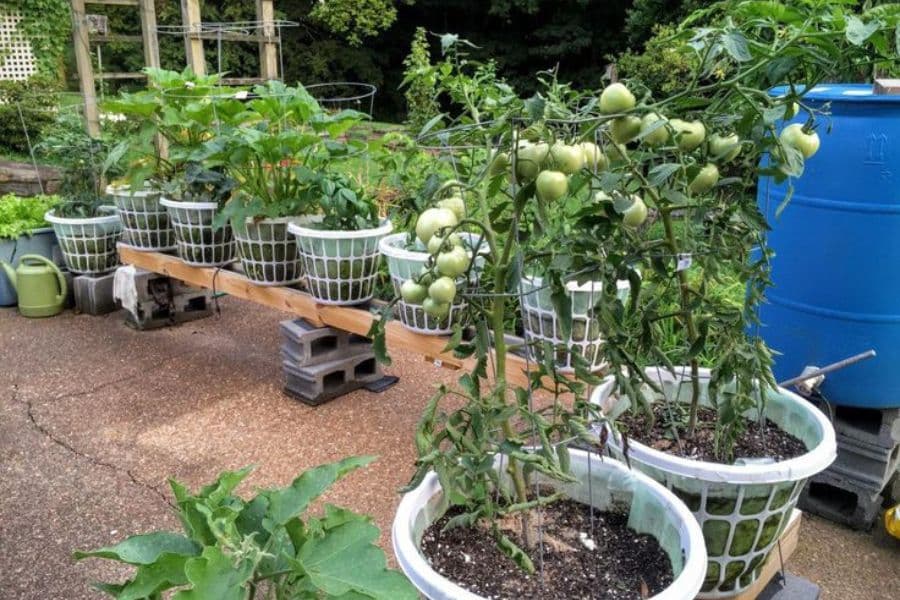
9 Plants That Thrive In Laundry Baskets
Lack of space doesn’t mean you can’t try your hand at a bit of gardening, and these nine plants are perfect for your old laundry basket. The baskets are lightweight enough to move around your patio or yard as you follow the sun.
Renters love them because you’re not building permanent structures or digging into ground that doesn’t belong to you. When you move, your garden moves with you.
No. 1 Potatoes
Potatoes are probably the easiest thing you’ll ever grow in a laundry basket. They practically grow themselves as long as you use a deeper basket, at least 12 to 15 inches tall.
Fill the basket about a third of the way with potting mix. Place your seed potatoes on top, then cover them with another few inches of soil. As the plants grow and you see green shoots popping up, keep adding more soil until you’ve filled the basket. This process, called hilling, encourages the plant to produce more potatoes along the buried stem.
You’ll know they’re ready to harvest when the plants start to die back and turn yellow. Just tip the whole basket over and dig through the soil. One basket can give you 5 to 10 pounds of potatoes, depending on the variety and how well you hilled them.

No. 2 Carrots
Carrots hate rocks and hard soil. They need a loose, fluffy growing medium to develop straight roots. A laundry basket filled with a stone-free potting mix gives carrots exactly what they want.
Make sure your basket is at least 10 inches deep for standard carrots, though you can get away with shallower containers if you grow shorter varieties like Parisian or Thumbelina carrots.
Sow the seeds directly into the basket because carrots don’t transplant well. Thin them out once they sprout so each carrot has room to develop. Crowded carrots stay small and spindly.
Water regularly, but don’t overdo it. The basket’s drainage holes make it pretty hard to overwater, which is one less thing to worry about.
No. 3 Cucumbers
Cucumbers are water hogs and space hogs, but they’ll grow happily in a laundry basket if you give them something to climb.
Pick a vining variety rather than bush cucumbers. The vines will grow up a trellis or tomato cage, keeping the fruit off the ground and saving space. Bush varieties work too, but they sprawl everywhere and take up more room than most patios can handle.
Cucumbers need consistent water. The soil should stay moist but not waterlogged, and those drainage holes help with that balance. If the soil dries out completely, your cucumbers will turn bitter and hollow.
Feed them every couple of weeks with a balanced liquid fertilizer. They’re heavy feeders and will thank you with an absurd number of cucumbers. Seriously, you’ll be giving them away to neighbors by mid-summer.

No. 4 Peppers
Peppers love full sun and warm soil, which makes them perfect for containers that can be moved to the sunniest spot in your yard.
They need at least six to eight hours of direct sunlight every day. Less than that and they’ll grow leggy and produce fewer peppers. If you’ve got a spot that gets afternoon sun, that’s ideal because peppers don’t mind a bit of shade in the hottest part of the day.
Use a basket that’s at least 12 inches deep. Peppers have decent root systems and need room to spread out. Fill it with a quality potting mix and add some compost if you have it.
Water when the top inch of soil feels dry. Peppers don’t like wet feet, but they also don’t appreciate drying out completely. The laundry basket’s drainage helps you walk that line.
One plant per basket works best. Peppers need their space, and cramming multiple plants together just leads to competition for nutrients and smaller harvests.
No. 5 Onions
Onions are one of those crops people assume need a proper garden bed, but they adapt surprisingly well to containers. They prefer consistent watering rather than the feast-or-famine approach some gardeners take with other vegetables. The soil should stay evenly moist, which again, those drainage holes help manage.
You can grow onions from sets (small bulbs) or transplants. Sets are easier for beginners and give you a head start on the growing season. Plant them about an inch deep and three to four inches apart in the basket. As they grow, you’ll see the green tops push up, and eventually the bulbs will start to swell at the base.
When the tops start to fall over and brown, stop watering and let the soil dry out for a week. Then pull the onions, brush off the dirt, and cure them in a warm, dry place for a couple of weeks before storing.

No. 6 Tomatoes
Tomatoes are the number one reason most people start growing vegetables. I started off my foray into gardening with cherry tomatoes, and they didn’t let me down. They were like the gift that kept on giving. Store-bought tomatoes just don’t have the taste of homegrown.
You’ll need a deep basket, at least 14 to 16 inches, and you should add a sturdy stake or tomato cage right when you plant. Waiting until the plant gets big just damages the roots when you’re trying to shove a stake into compacted soil.
Choose determinate varieties if you’re new to container growing. They stay smaller and bushier than indeterminate varieties, which can grow six feet tall and take over your entire patio.
Tomatoes are heavy feeders. Mix some slow-release fertilizer into the soil when you plant, then feed every two weeks once the plant starts flowering. Inconsistent watering leads to problems like blossom end rot and cracked fruit, so keep the soil evenly moist.
One plant per basket. Tomatoes need all the root space they can get, and overcrowding just invites disease and poor production.
No. 7 Leafy Greens
Lettuce, spinach, arugula, and other salad greens are probably the most forgiving plants you can grow in a laundry basket.
They have shallow roots, so you don’t need a deep container. Six to eight inches works fine. They also tolerate partial shade better than most vegetables, which means you can tuck them into spots that don’t get full sun all day.
Sow seeds directly into the basket and thin them as they grow. You can start harvesting baby greens in as little as three weeks, or wait longer for full-sized leaves.
The best part about growing greens in containers is that you can plant a new batch every two weeks for continuous harvests. When one basket finishes, the next one is just getting started.
Greens prefer cooler weather, so they’re perfect for spring and fall growing. In summer, they bolt quickly and turn bitter. Save your laundry baskets for heat-loving crops during the hottest months, then switch back to greens when temperatures drop.

No. 8 Strawberries
Strawberries love growing in containers. Their roots stay shallow, and the hanging-basket varieties will even drape over the sides of your laundry basket.
One basket can comfortably hold four to six strawberry plants. Plant them so the crown sits just at soil level. Too deep and they’ll rot, too shallow and the roots dry out.
Strawberries are perennials, which means they’ll come back year after year if you take care of them. After the growing season ends, move the basket to a protected spot for winter or mulch heavily to insulate the roots from freezing temperatures.
Remove any runners the plants send out unless you want to propagate new plants. Those runners sap energy from fruit production, and you want all the plant’s effort going into making berries, not babies.
Water regularly and feed with a balanced fertilizer every few weeks during the growing season. You’ll get fruit the first year if you plant established plants rather than starting from seed, though the second year’s harvest is always bigger.
No. 9 Herbs
Basil, parsley, cilantro, dill, and oregano all grow beautifully in laundry baskets. Most herbs have modest root systems and don’t need the depth that tomatoes or peppers require.
You can grow multiple herbs in one basket if you group them by water needs. Basil and parsley like consistent moisture, while oregano and thyme prefer drier conditions.
Herbs respond well to regular harvesting. The more you cut, the bushier they grow. Don’t be shy about snipping off what you need for dinner. You’re actually helping the plant.
Mediterranean herbs like rosemary, thyme, and oregano prefer full sun and well-draining soil. The drainage holes in laundry baskets make them ideal for these plants, which hate sitting in wet soil.
Tender herbs like basil won’t survive frost, so plan to either bring them inside before the first freeze or treat them as annuals. Perennial herbs like oregano and thyme can stay outside year-round in most climates.
Getting Started
Grab a few laundry baskets from wherever you can find them cheaply. Thrift stores usually have them for a dollar or two. The material doesn’t matter much as long as it has drainage holes.
Line each basket with landscape fabric or burlap to keep the soil from washing out. Cut the fabric to fit the inside of the basket, letting it come up the sides a few inches.
Fill with a quality potting mix, not garden soil. Potting mix is lighter, drains better, and doesn’t compact as much as garden soil does in containers.
Choose plants based on your available sunlight and when you want to harvest. Cool-season crops like lettuce and carrots go in early spring or fall. Warm-season crops like tomatoes and peppers wait until after the last frost.
Water when the top inch of soil feels dry to the touch. Container plants dry out faster than in-ground gardens, so check them daily during hot weather.
Feed regularly because containers don’t have the same nutrient reserves as garden beds. A balanced liquid fertilizer, applied every couple of weeks, keeps plants healthy and productive.
Move the baskets around as needed to follow the sun or protect plants from harsh weather. That mobility is one of the biggest advantages of container gardening.
Small spaces don’t mean small harvests. You’d be surprised how much food you can grow in a few laundry baskets on a patio or balcony.