
If you grew up in the 1970s like I did, you’ll remember many of the awful home decor trends that were popular. Bad taste wasn’t confined only to fashion. I’m talking about flairs, kipper ties, and platform shoes.
You wouldn’t be far off if you thought you’d walked onto the set of Austin Powers. But what about the home design trends? Was it all psychedelic colors and shag pile carpets?
While we may still love some of the seventies trends, such as ABBA, unfortunately, many should never see the light of day again. Do you remember any of the dreadful things on this list? Let’s just hope they don’t make a comeback anytime soon.

Avocado Green Bathrooms

Pretty much every household in the 1970s had an avocado-green bathroom. They were the height of fashion, and the color emerged as a result of this trend. It became so popular that it began to infiltrate other parts of the home.
From wallpaper to telephones, avocado green took the world by storm. Thankfully, it hasn’t stood the test of time, and I haven’t seen a bathroom that color in a long time.
Shag Carpets
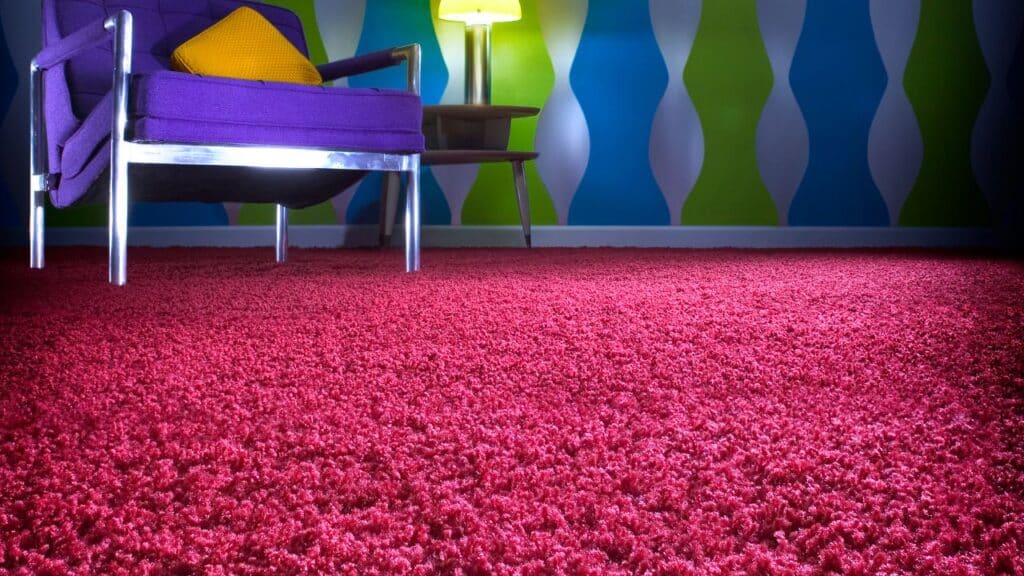
Shag carpets were virtually inescapable with their deep pile and soft texture. They came in various vibrant colors, with bold choices like orange and purple. My parents had a multi-colored shag pile that was truly horrible.
But it was great because you could remove your slippers or shoes and wiggle your toes in all the fibers. However, the practical drawbacks of shag carpets have become all too clear over the years. Their thick fibers trap dirt, dust, and allergens, making them a nightmare to clean.
Wood Paneling

We had an entire wood-paneled kitchen. There was even a kitchen bar with a bench to match, in a light pine color. It was the height of tackiness, reminiscent of sitting in a sauna but with the smell of cooking.
However, they were often made from dark, heavily varnished woods and used in dens, basements, and family rooms. It’s so different from the airy, bright interiors in vogue today.
Floral Wallpaper

Luckily, the only floral wallpaper in our house was in the guest bedroom. I don’t remember it being too offensive, but it had many shades of blue with various flower sizes. The intention was to bring the outdoors inside, creating a lively, nature-inspired environment.
Unfortunately, it usually overwhelmed the room and completely missed the mark.
Waterbeds

Waterbeds were so much fun, but very uncomfortable and noisy. Every time you moved, it made a gurgling noise, and turning over without significant effort was impossible. They were supposed to mold to the sleeper’s body, be good for your health, and give you a better night’s sleep.
That wasn’t the case with mine. Plus, it sprung a leak, so it didn’t last more than six months before I got rid of it and got a proper bed.
Animal Print Rugs

Animal prints were all the rage, particularly in rugs. They featured bold patterns like zebra, leopard, and tiger stripes, aiming to inject an exotic flair. My dad had one in his den in front of his mahogany work desk with a big leather chair behind it.
It was the ’70s version of a home office, although I’m not sure he ever did any work in it.
Lava Lamps

Nothing screams the 70s like a lava lamp. I loved mine and even took it with me when I left home, giving it pride of place in my living room. Their psychedelic display of floating, morphing globs of wax was hypnotic.
They came in various colors and added a distinct groovy feel to the space. You’d see them in dorm rooms and teenage bedrooms.
Macramé Decorations

Macramé decorations were part of the broader bohemian trend that swept through home decor at the time. It involved knotting string or yarn into patterns to create decorative wall hangings, plant hangers, and furniture like hammocks and chairs.
Macramé used materials like hemp, jute, and cotton, all natural fibers that were popular with the hippie movement.
Linoleum Flooring
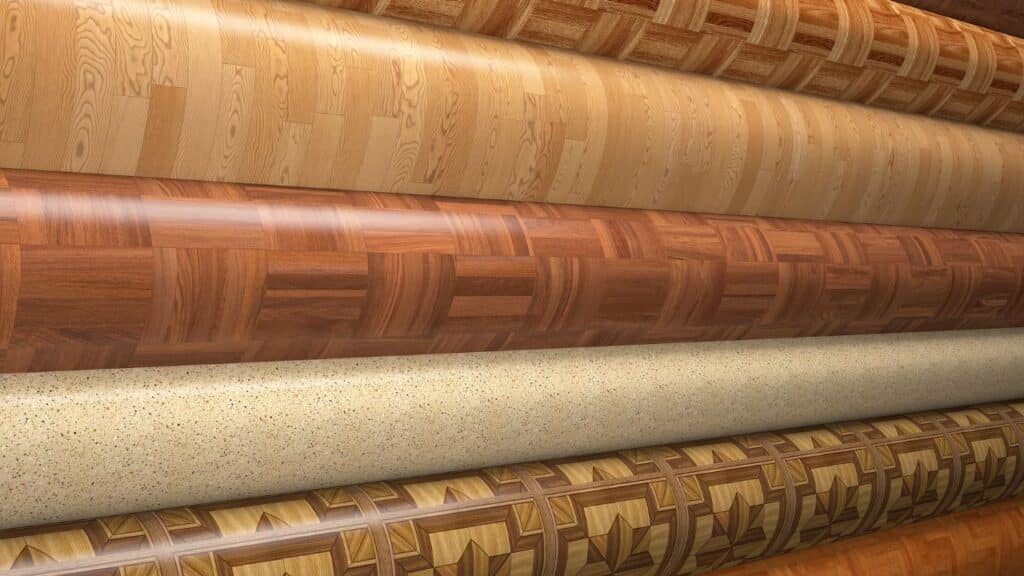
Linoleum flooring might have been easy to clean, but it was ugly. People loved it for its affordability, durability, and versatility. Available in a wide range of colors and patterns, linoleum was the go-to choice for many kitchens, bathrooms, and other high-traffic areas.
We had some in our kitchen, and it was vibrant orange with a square pattern that made your eyes go funny when you looked at it.
Mirrored Walls
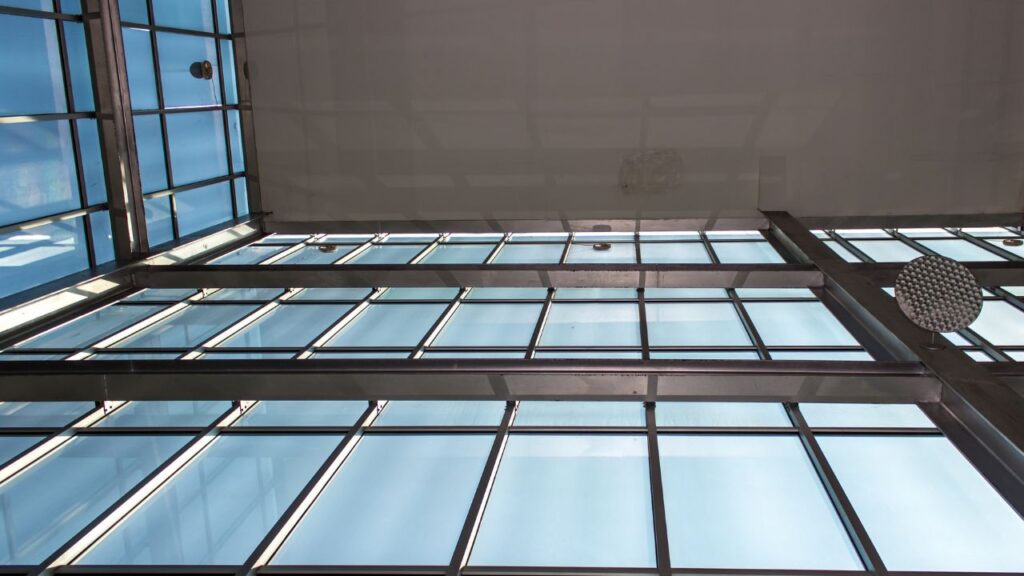
This is a decade that gave us the mirrored disco ball, with John Travolta strutting his stuff to the soundtrack of Saturday Night Fever. It stands to reason, therefore, that mirrored walls were fashionable and found in many homes. You’d see them in living rooms, dining areas, and bedrooms.
Anywhere they could get away with it, you’d find them. It was like having a personal disco in the comfort of your home.
Corduroy

Corduroy seamlessly transitioned from the fashion runway to home interiors. It was mainly used for upholstering furniture like sofas and armchairs. It was durable, warm, and inviting, but it always seemed to come in brown—at least it did in our house.
Our sofa was covered in dark brown, velvety corduroy with thick ribbing that made indents on your legs if you sat on it too long.
Brown and Orange

If there is one color combo that reminds me of the 1970s, it’s chocolate brown and orange—two colors that should never go together in those shades. Our sitting room carpet featured both in a hideous pattern that made you want to vomit. If only it were just the carpet, but it wasn’t.
The entire room was decked out in brown and orange. There were orange curtains and a muddy brown corduroy sofa, finished with mahogany brown wood paneling beside the fireplace.
Disclaimer: This article is for general information only and is not professional advice. It may contain affiliate links. Please see our full Editorial Policy for details.

Kylie Lang is a nationally syndicated travel journalist with bylines on the Associated Press Wire & more, a lifestyle writer, and the founder and editor of Your Lifestyle Library (yourlifestylelibrary.com). She holds a BA (Honours) in History from the University of Kent and is a member of the British Guild of Travel Writers.