
If you’re growing vegetables this year, I have a question for you. How many of those leaves are you throwing away?
Because here’s the thing. A huge number of perfectly edible, nutritious leaves end up in the compost bin every single season, and most of us don’t even realize we’re doing it. We grow the carrot, eat the carrot, and toss the top without a second thought.
But those tops? Those leaves and fronds and greens? A lot of them are food. Really good food, actually.
Edible Leaves You Can Harvest Right Now
Some have been eaten for centuries in other parts of the world. A few are more nutritious than the vegetables we spend good money on at the store. And some taste surprisingly great once you know what to do with them.
Here are 11 to start with.
Fennel Fronds
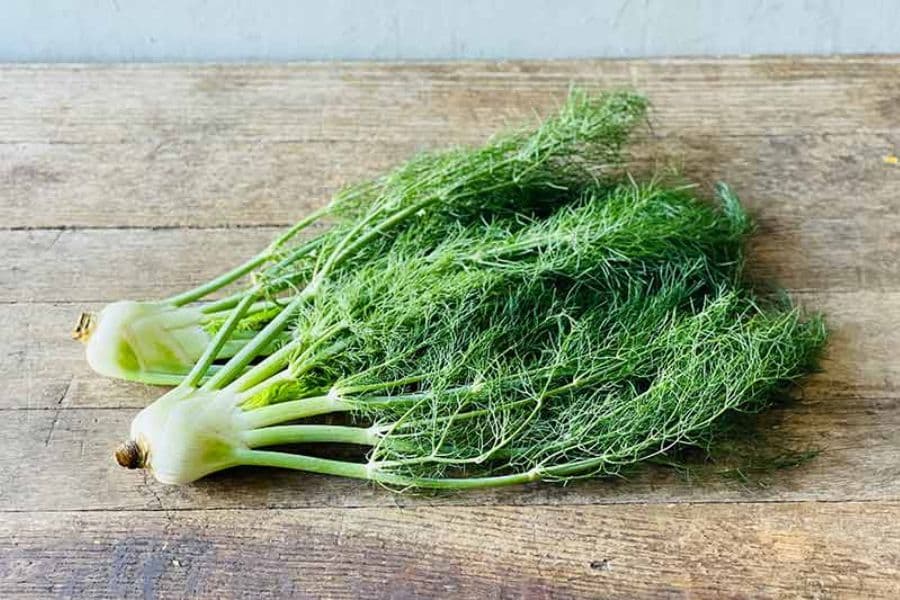
If you grow fennel and only use the bulb, you’re leaving behind one of the most versatile herbs in the garden.
Fennel fronds have a soft, anise-like flavor. They’re lighter and more delicate than the bulb, and they work beautifully with fish, stirred into a light pasta, or scattered over a salad in place of dill. The flavor mellows when heat is applied, which makes them useful in sauces and soups, too.
Nutritionally, they provide vitamin C, calcium, and potassium, along with antioxidants that support overall health. Snip them as needed throughout the season. They’re fresh, aromatic, and completely free.
Nasturtium Leaves and Flowers
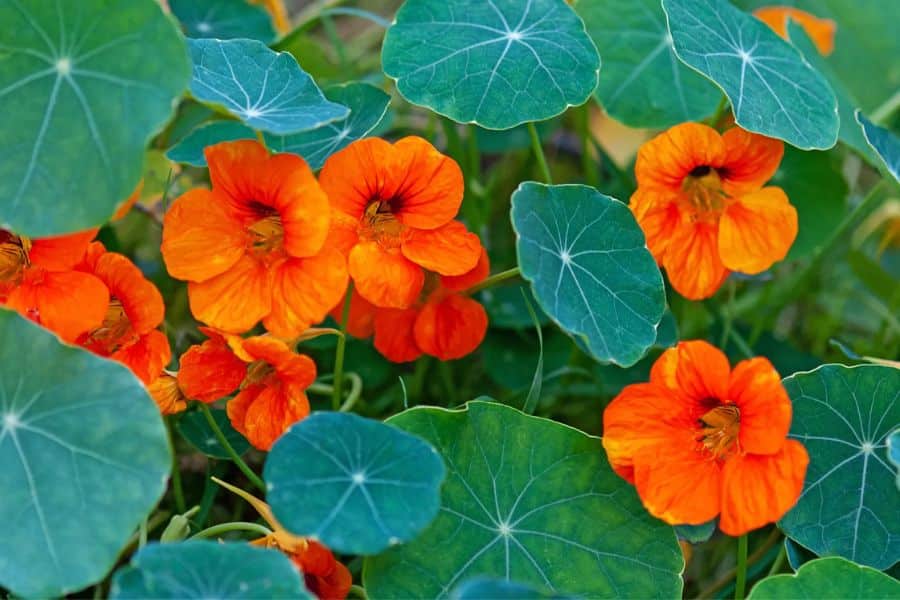
Nasturtium leaves have a peppery bite, somewhere between watercress and arugula. Toss them into salads, layer them on sandwiches, or use them anywhere you want a little heat without reaching for the pepper grinder. The flowers are equally edible and make an eye-catching garnish on anything from a grain bowl to a summer dessert plate.
The seeds can be pickled and used just like capers. In fact, the whole plant is edible, which makes it one of the most useful things you can grow in a garden.
The leaves contain high levels of vitamin C, as well as lutein, which supports eye health, and compounds with anti-inflammatory properties. Harvest young leaves for the mildest flavor.
Strawberry Leaves
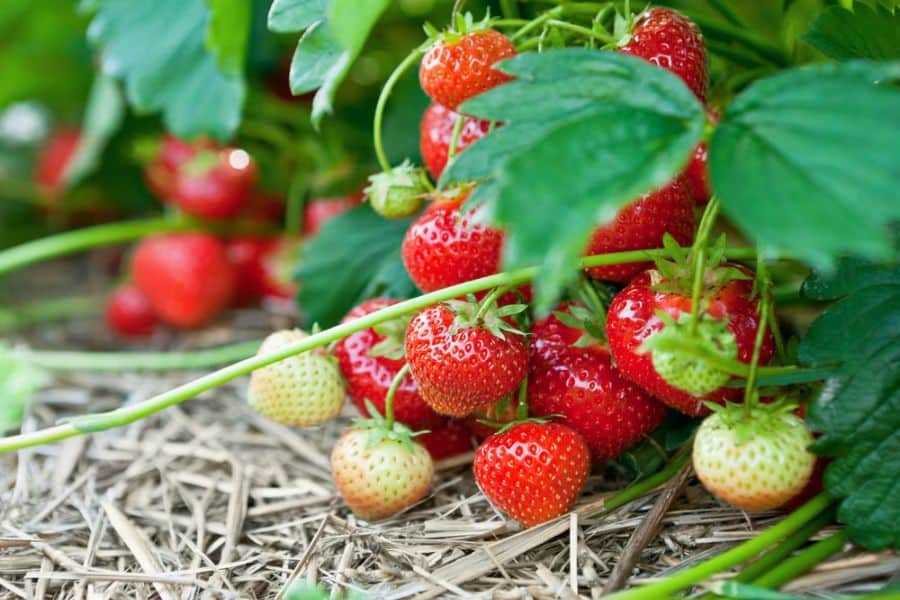
I had no idea you could eat strawberry leaves until recently, when my French next-door neighbor mentioned it when we were chatting about my garden. They aren’t something most of us think of as useful once the fruit is gone.
Young, tender strawberry leaves can be brewed into a mild herbal tea. The flavor is gentle and slightly earthy, nothing like the berry, but pleasant in its own right. Traditionally, it’s been used as a digestive tea, and strawberry leaf has been associated with anti-inflammatory and antioxidant properties.
Harvest small, young leaves in spring for the best results. Older leaves can be tougher and more astringent. Use fresh or dry them and keep them in a jar for later.
Squash Leaves
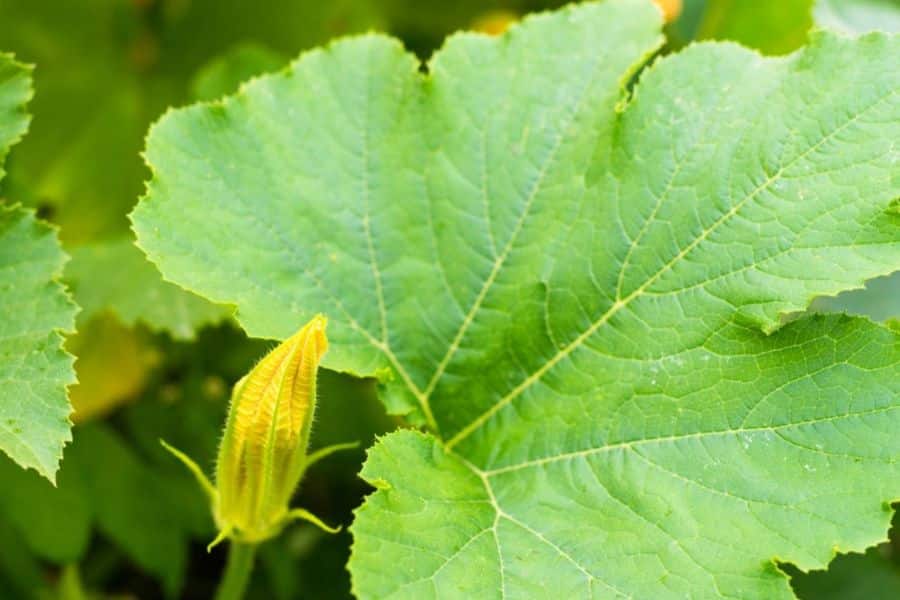
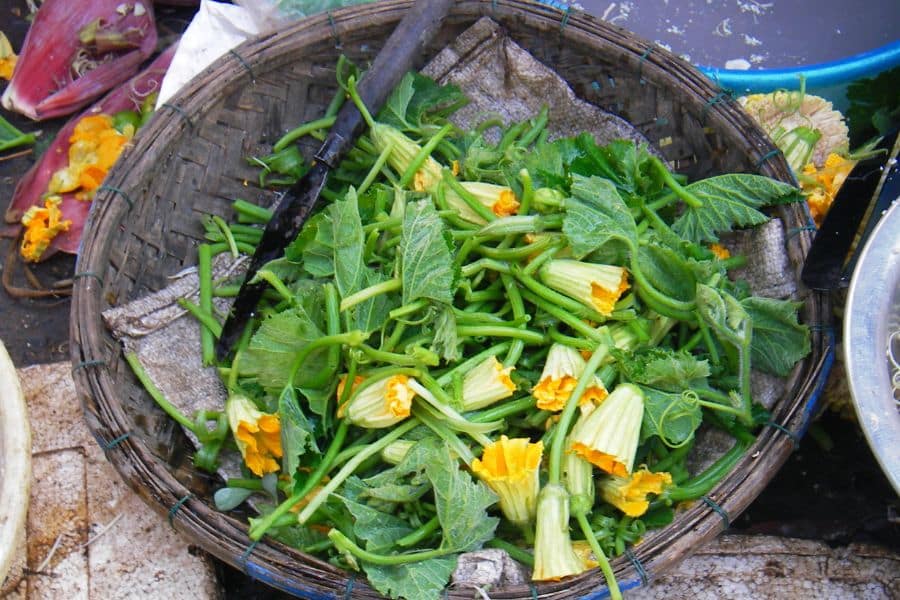
If you’ve ever grown zucchini, pumpkin, or any kind of squash, you already know how enormous those leaves get. They can be almost comically large. What most people don’t know is that they’re edible.
Raw, they’re pretty tough and not especially pleasant. But cooked, they soften nicely. Sauté them with garlic and a little olive oil just as you would spinach. The texture becomes tender, and the flavor is mild and slightly grassy.
Squash leaves are a staple in West African and Filipino cooking, where they’ve been prepared this way for generations. They’re a good source of vitamins A and C, folate, and calcium. Use younger, smaller leaves for the best results, as large mature ones can be fibrous even after cooking.
Beet Greens
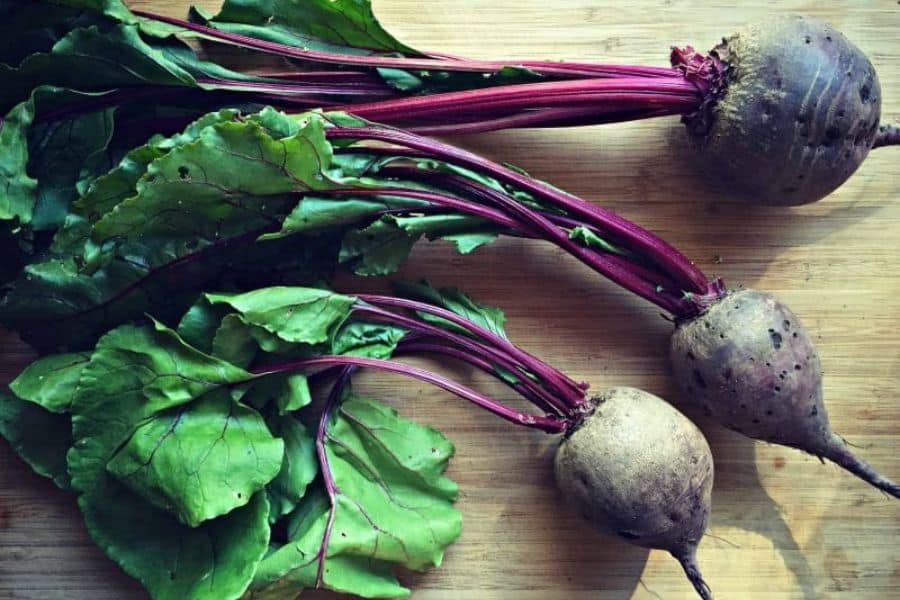
If you’re buying bunched beets at the market and throwing away the tops, please stop immediately.
Beet greens are among the most nutritious things in your garden or in your grocery bag. They contain more iron than spinach. They’re also high in vitamins K, A, and C, as well as calcium and potassium.
Young beet greens are lovely eaten raw in a salad. They have a mild, slightly earthy flavor that pairs well with a sharp vinaigrette. Older leaves are better sautéed in butter or olive oil, and the stems can be cooked just like Swiss chard, since they’re related. Nothing goes to waste.
Sweet Potato Leaves
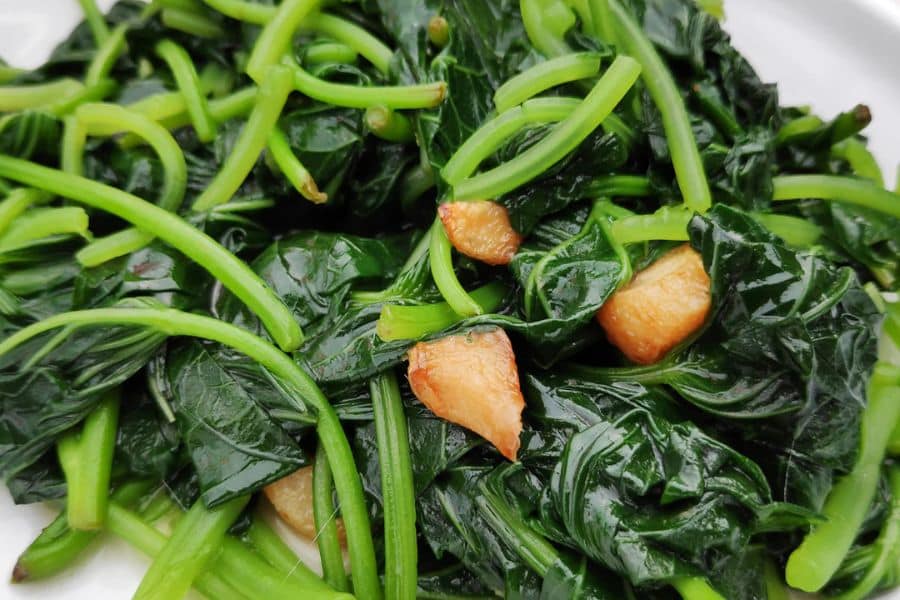
Sweet potato leaves are widely eaten across Asia and West Africa, where they’re treated as a staple green vegetable rather than a throwaway byproduct. Most gardeners have absolutely no idea they’re edible, let alone delicious.
They have a mild, slightly sweet flavor and work brilliantly sautéed with garlic and a splash of soy sauce. They also hold up well in soups and stir-fries. Nutritionally, they’re impressive: rich in vitamins A, C, and K, plus iron, calcium, and protein. One cup of cooked sweet potato leaves provides a meaningful amount of your daily vitamin A needs.
Harvest the tips and young leaves throughout the season and cook them right away for the best flavor and texture.
Kohlrabi Leaves

Kohlrabi is already one of the more underappreciated vegetables in the garden; the leaves are edible, and they taste milder than kale or cabbage. That makes them easier to work with than you might expect. You can slice them into thin strips and bake them with olive oil and salt into crispy chips. Or sauté them the same way you would collard greens, with garlic and a little broth.
They’re a good source of vitamin C, vitamin K, and fiber. The younger leaves are more tender; the larger ones may need a bit more cooking time.
Pea Pods
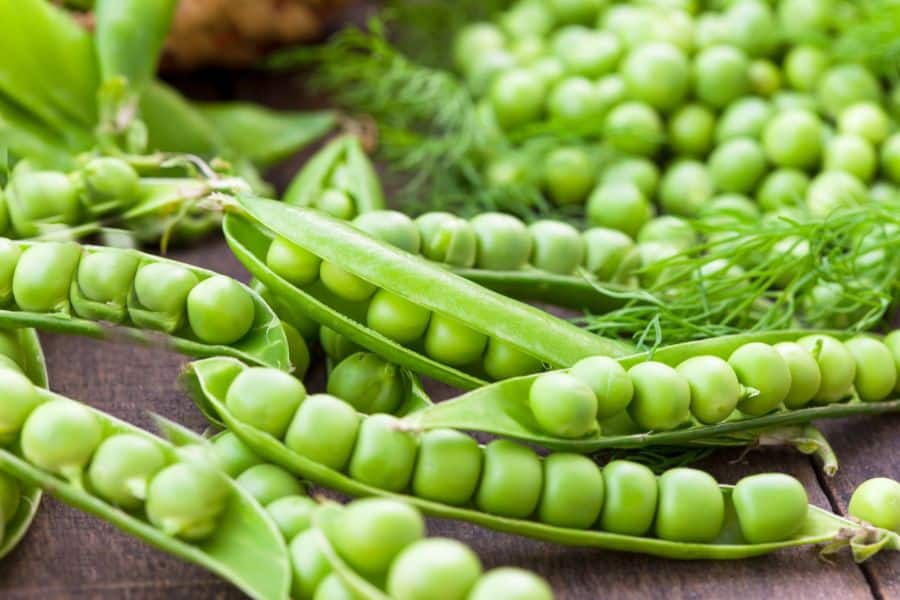
If you’re podding your snap peas and discarding the shells, try eating them as-is instead. Raw, they have a satisfying crunch and a fresh sweetness that beats most salad additions.
Shell pea pods are a different story. They’re too fibrous to eat on their own. But don’t throw them out. They make an exceptional sweet broth base for risotto or soup. Simmer them in water for 20 to 30 minutes, strain, and use the liquid as your base. It’s subtly sweet, deeply flavored, and costs nothing.
Radish Greens
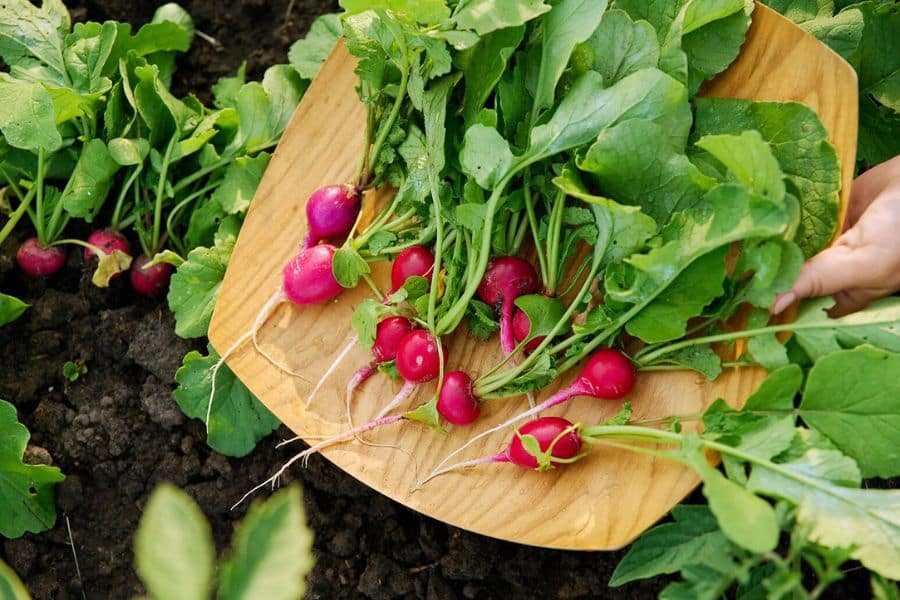
People assume radish greens are too bitter or too rough to bother with. They can be slightly peppery when raw, but that mellows considerably once they hit the heat. Sauté them with garlic and a small knob of butter, and they become tender, flavorful, and very satisfying.
They work well blended into soups too, where the bitterness fades into the background, and you’re left with a fresh, green flavor.
They’re a decent source of vitamin C and calcium, and since radishes grow so fast, you have a steady supply of greens throughout the season. Use them when they’re young and fresh for the best results.
Carrot Tops
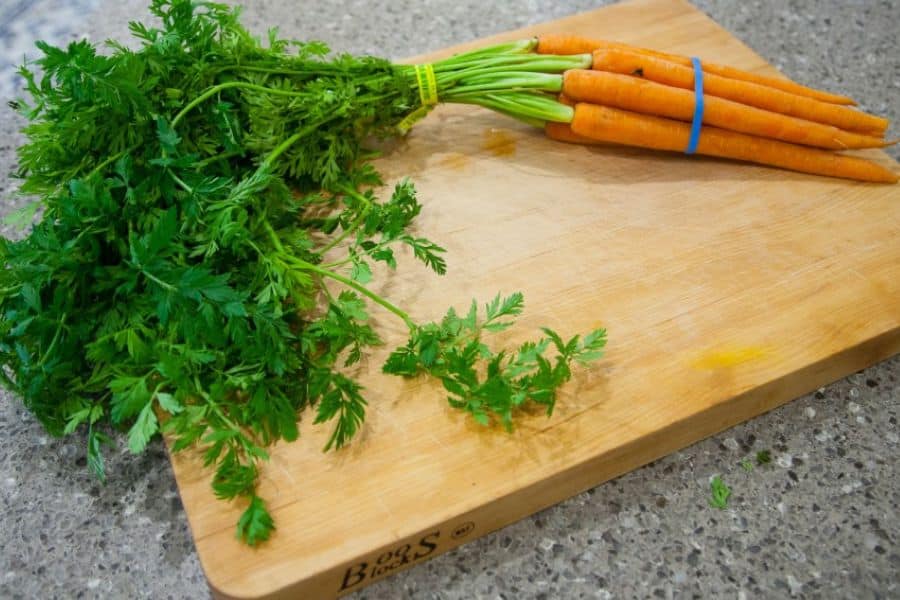
Carrot tops are probably the most commonly wasted edible greens in the home garden.
They have a fresh, slightly herby flavor with a mild bitterness. Raw, that bitterness can be a little much on its own. But blend them with olive oil, garlic, lemon, and some nuts, and they make a brilliant pesto.
They also work well in chimichurri, stirred into soups at the end of cooking, or used as a fresh herb in grain salads. They contain vitamin K, vitamin C, and potassium, and they’re full of antioxidants.
One tip: use them fresh. Carrot tops deteriorate quickly once the carrots are pulled, so trim them and use them the same day if you can.
Celery Leaves
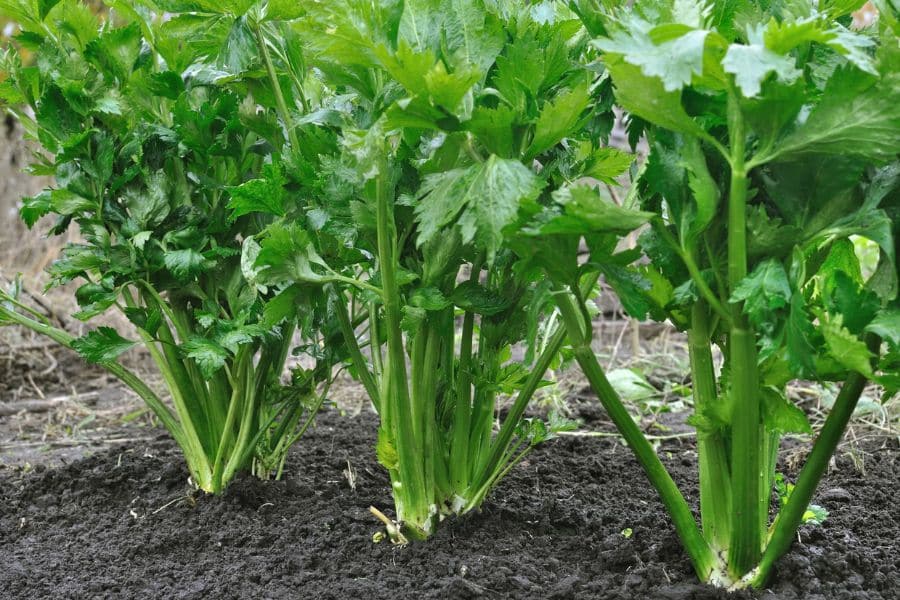
Anyone who buys a head of celery and then strips off all those yellow-green inner leaves is missing out on one of the most concentrated flavors in the produce aisle.
Celery leaves taste like celery, but more intense. That makes them less suitable for eating by the handful, but incredibly useful as a seasoning.
Dry them and crumble them into a jar for year-round use as a dried herb. Use them fresh, finely chopped, in grain salads, tabbouleh, or egg salad. Add them to stocks and soups for a deep celery flavor without using extra stalks. They contain vitamins A and K and are a useful source of antioxidants.
Waste not, want not, I’m pretty sure all our grandmothers have definitely said to us at least once in our lives.
Disclaimer: The nutritional information and potential health benefits mentioned in this article are provided for general informational purposes only and are not intended as medical advice. Always consult with a qualified healthcare professional before making significant changes to your diet, particularly if you have an existing health condition or are taking medication.