
It wasn’t till I moved to rural France that I discovered the joys of gardening. I always thought it was something you did when you were old, so I avoided it. However, now, gardening is where I’m happiest.
I love planting something from seed and then seeing it grow and produce; it’s so satisfying. Cucumbers are one of the most beginner-friendly vegetables you can grow. They are fast, productive, and thrive with just a little know-how.
Last year, I had a bumper crop of cucumbers, but it wasn’t without some trial and error in previous years. So, I thought it’d be helpful to share some of my tips for a healthy horde.
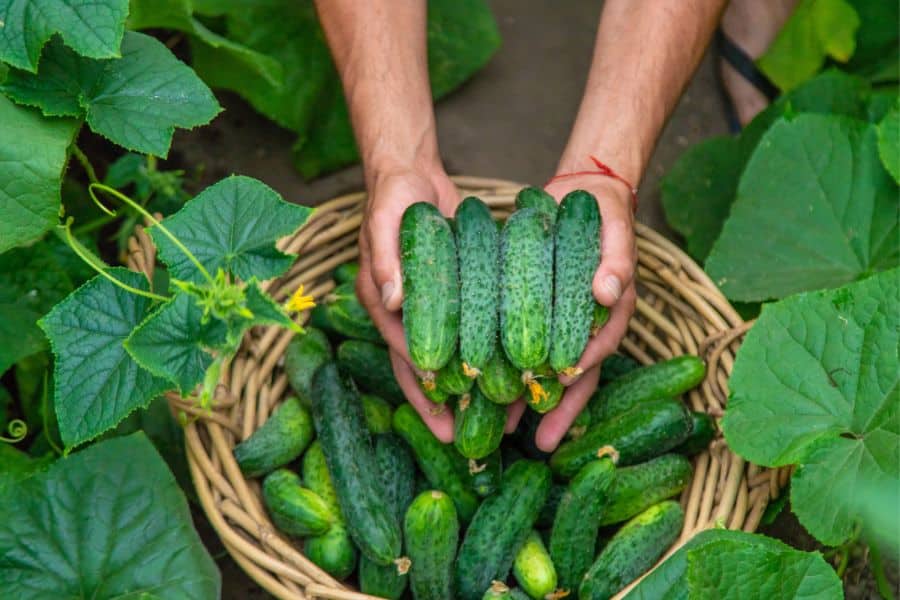
10 Foolproof Tips For Growing a Bumper Crop of Cucumbers
Whether you are dreaming of garden-fresh slices in your salads, jars of homemade pickles lined up on your kitchen counter, or just the bragging rights that come with growing your own food, these 10 tips will get you there.
1. Wait For the Soil to Warm Up Before You Plant
This is the one mistake that catches so many new gardeners out. Cucumbers are a subtropical crop. They love heat, and they simply will not cooperate if the soil is still cold.
Wait until your soil temperature reaches at least 65 degrees Fahrenheit before you plant. If you have a soil thermometer (they are inexpensive and genuinely worth having), use it. If you don’t, a good rule of thumb is to plant around two weeks after your area’s last frost date.
Plant too early and your seeds will just sit there, refusing to germinate, or worse, rot in the ground. Patience here pays off in a big way.
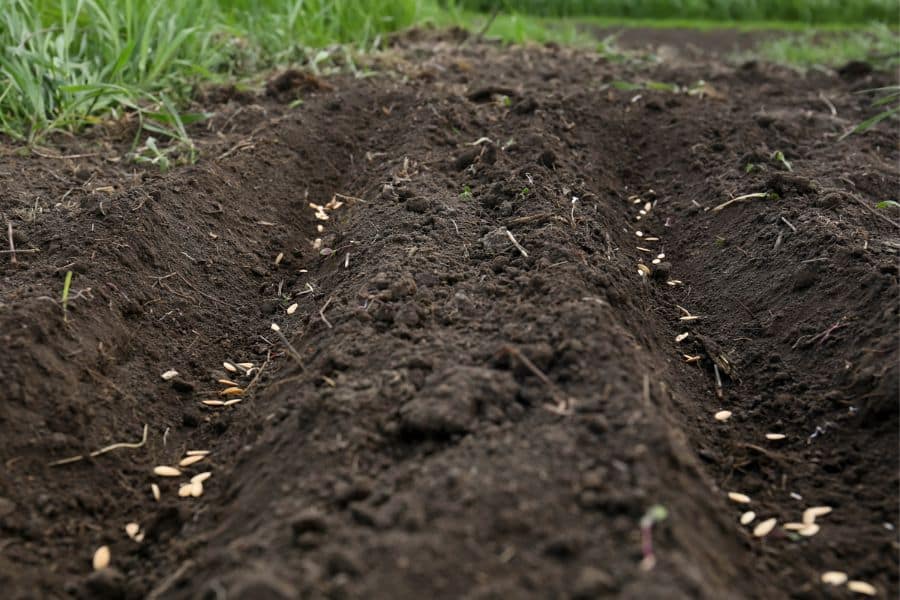
2. Direct Sow Your Seeds Rather Than Starting Them Indoors
Cucumbers hate having their roots disturbed. Unlike many vegetables that take happily to being started indoors and then transplanted, cucumbers really do prefer to be sown right where they are going to grow.
Direct seeding into warm garden soil gives you the best chance of success. Push seeds about an inch deep, and if you are planting in rows, space them 12 to 18 inches apart, with rows about 4 feet apart. You can also plant in hills, putting three to four seeds in a mound and then thinning to the strongest plant once they reach about four inches tall.
If you do want to get a head start indoors, use biodegradable peat pots that you can plant directly into the ground. That way, you avoid disturbing the roots at all when you transplant.
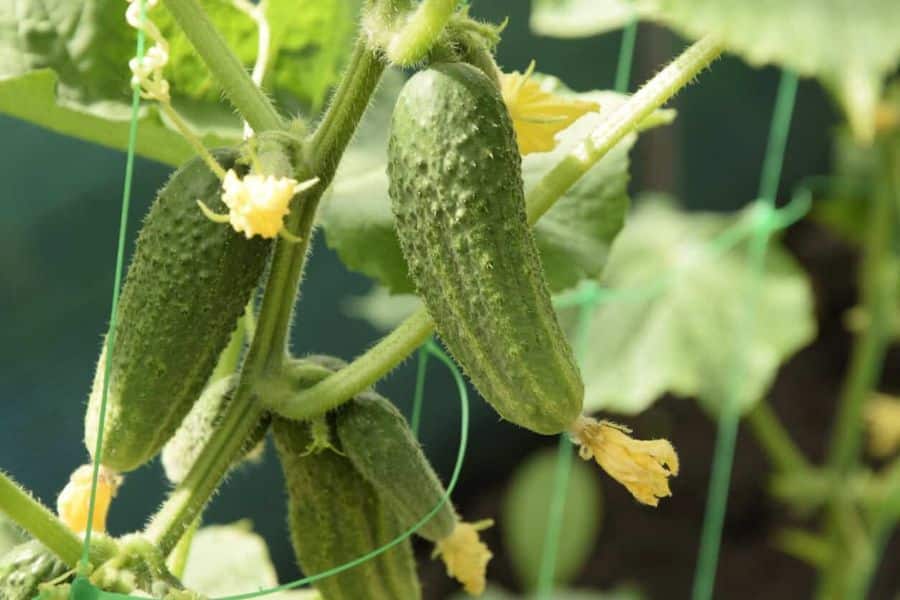
3. Pick the Right Variety For Your Space
Not all cucumbers are the same, and choosing the right one for your garden makes a real difference. There are two main growth habits to know about: vining cucumbers and bush cucumbers.
Vining types are the most common and generally produce the biggest harvests. They spread out enthusiastically, so they need space or a trellis to climb. If you have room, go for it.
Bush varieties are more compact and do well in smaller spaces or containers. They are a great choice if you are working with a raised bed or a patio garden.
For slicing and eating fresh, Marketmore 76 is a reliable favorite for beginners. For pickling, Boston Pickling is a classic choice. If containers are your thing, look for Spacemaster or Picklebush, both bred for smaller growing situations.
4. Give Them Plenty of Sun
Cucumbers are sun worshippers. They need at least 6 to 8 hours of direct sunlight each day to produce well. The more sun, the better the harvest.
Before you plant, take a good look at your garden throughout the day. Where does the sun fall for the longest stretch? That is your cucumber spot.
A shady location will not kill your plants, but it will slow everything down considerably. You will get fewer flowers, less fruit, and smaller cucumbers. It is worth taking the time to get the positioning right from the start.
5. Prepare Your Soil Before You Plant
Cucumbers are hungry plants. They want soil that is rich, loose, and well-draining. Before you plant, work a generous amount of compost or well-rotted manure into the top six to ten inches of soil.
The ideal soil pH sits between 6.0 and 6.8, which is slightly acidic. If you are not sure where yours stands, a simple soil test kit from your local garden center can tell you in minutes.
Good soil preparation is probably the single biggest factor in how well your cucumbers perform. Think of it as laying the foundations for a bumper crop.
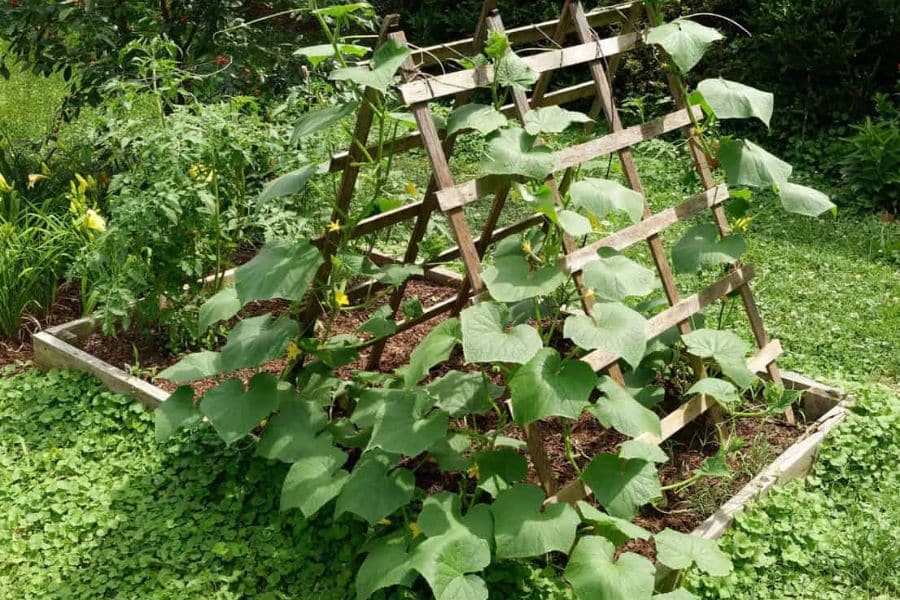
6. Use a Trellis
Growing your cucumbers vertically is one of those tips that transforms everything. Training vining cucumbers up a trellis or fence keeps the fruit off the ground, which means cleaner cucumbers, better airflow around the leaves, and far less disease.
It also makes harvesting so much easier. Instead of hunting through sprawling vines on the ground, you can spot your cucumbers at a glance. And you free up a lot of garden space for other crops.
Most simple trellises work well. A wooden frame with chicken wire or garden netting stretched across it is cheap to put together and does the job perfectly. Set it up before you plant so everything is in place as the vines start to grow.
7. Water Consistently and Deeply
Cucumbers are mostly water (literally, that is what gives them that refreshing crunch), so it should not come as a surprise that they need a steady, reliable water supply.
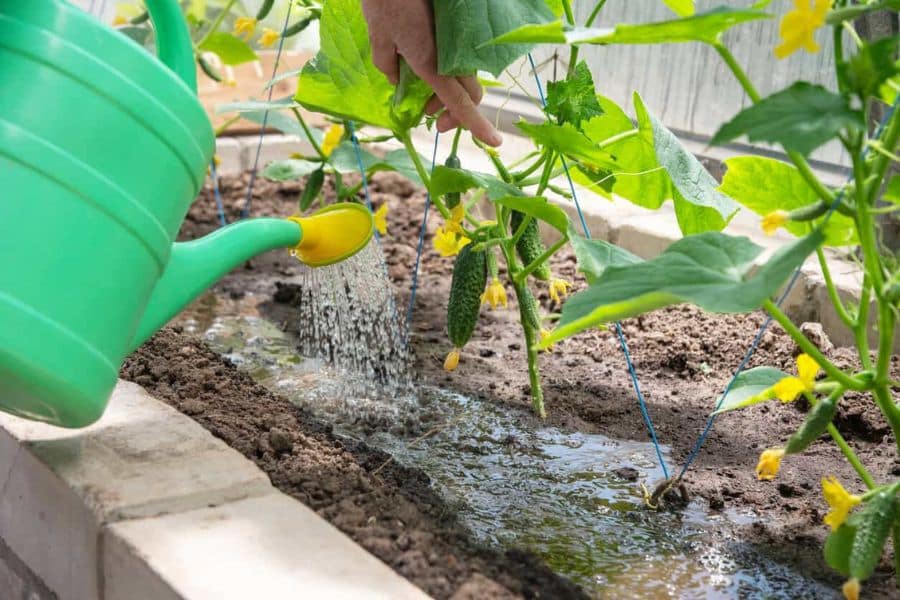
Aim for about an inch of water per week, delivered deeply rather than in shallow, frequent sprinkles. Deep watering encourages roots to grow deeper into the soil, making the plant stronger and more resilient.
Try to water at the base of the plant rather than overhead. Wet leaves invite fungal diseases, and that headache is one you really want to avoid. A soaker hose or drip irrigation system makes this easy and keeps your leaves dry.
Once your plants start flowering and setting fruit, keep a close eye on moisture levels. Inconsistent watering at this stage leads to bitter, misshapen cucumbers. Nobody wants that.

8. Feed Your Plants Through the Season
Starting with good compost-rich soil gives your cucumbers a solid foundation, but they are heavy feeders and will appreciate additional nutrients as the season progresses.
Once your vines start developing runners, give them a side-dressing of nitrogen fertilizer to keep growth going. Then, when the flowers appear, switch to a balanced fertilizer with a lower nitrogen content. Too much nitrogen at flowering time can push the plant to produce lots of lush leaves rather than fruit.
A good rule of thumb is to fertilize a week after the plants start blooming, then again about three weeks later. Do not overdo it. Cucumbers need steady, moderate feeding throughout the season rather than one big hit.
9. Keep an Eye Out For Pests and Disease
Cucumbers have a few common enemies worth knowing about before they show up uninvited.
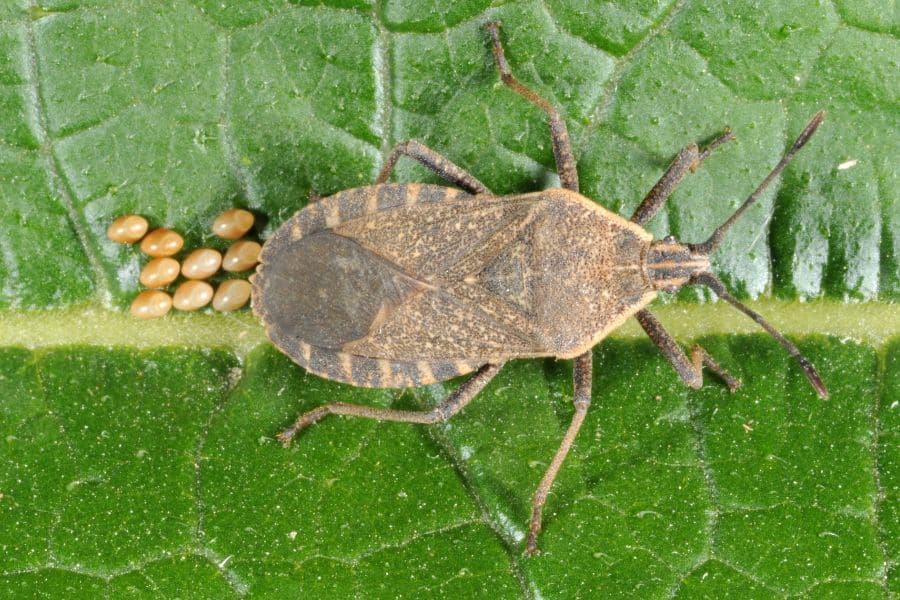
Cucumber beetles are the biggest troublemakers. These yellow-green striped or spotted beetles do not just eat your plants. They also spread bacterial wilt, which can kill a plant quickly. Check the undersides of leaves regularly, particularly when plants are young and most vulnerable. Row covers over young seedlings can help keep beetles at bay until the plants are established.
Aphids are another regular visitor. A strong blast of water usually dislodges them; if the infestation is more stubborn, use insecticidal soap.
Fungal diseases like powdery mildew and downy mildew tend to show up later in the season, particularly when humidity is high. Good airflow around your plants and watering at the base rather than overhead goes a long way toward preventing them.
One of the smartest things you can do is let nature lend a hand by planting the right companions alongside your cucumbers. Marigolds are the classic choice, and for good reason. They repel cucumber beetles, nematodes, and a whole host of other pests. Plant them around the edges of your cucumber bed and let them do their thing.

Nasturtiums act as a trap crop, drawing aphids away from your cucumbers and onto themselves. They also deter cucumber beetles and look beautiful while doing it.
Radishes are worth tucking in nearby, too. They mature quickly and can be harvested before the cucumbers start to spread, and they are known to deter cucumber beetles.
Dill attracts beneficial insects, such as parasitic wasps, which prey on cucumber pests naturally. Just avoid letting it go to seed near your cucumbers, as mature dill can actually inhibit cucumber growth.
Oregano and basil both have strong scents that confuse and deter many common garden pests. Tuck a few plants nearby, and they will earn their spot.
If you spot a heavily diseased plant, it is often better to pull it out than try to save it. A fresh transplant started in mid-summer can replace an ailing plant and keep your harvest going strong into early fall.
10. Harvest Early and Often
Here is something that surprises a lot of first-time cucumber growers: the more you pick, the more the plant produces.
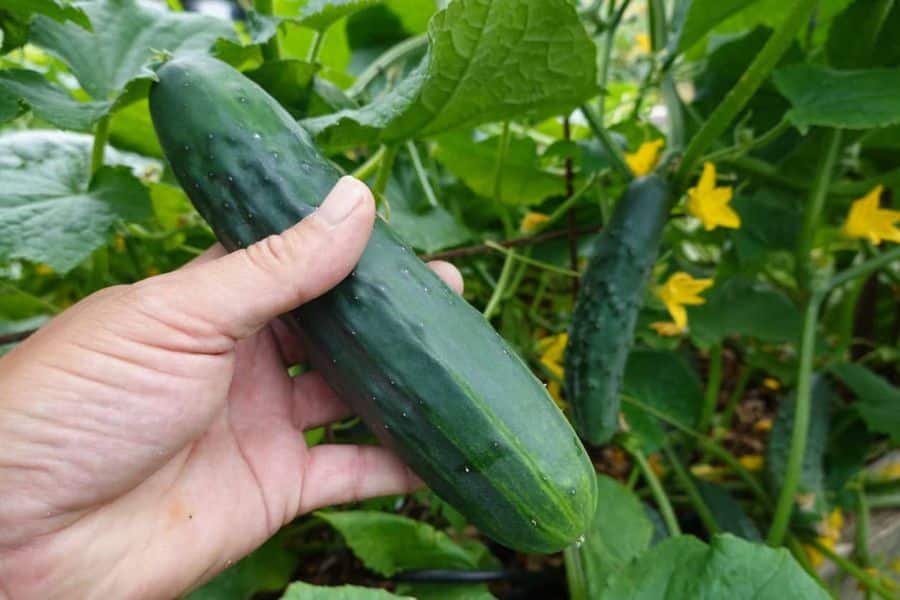
Leaving cucumbers on the vine too long signals to the plant that its job is done, slowing production. Pick slicing cucumbers when they are 6 to 8 inches long and still deep, glossy green. Pickling varieties should come off the vine even smaller.
Check your plants every single day during peak season. Cucumbers can go from perfect to overripe very fast in warm weather. An oversized cucumber turns yellow, bitter, and seedy, signaling to the plant to stop producing.
Use a sharp pair of garden scissors or pruning shears to cut the fruit from the vine rather than pulling. Cucumber vines are more fragile than they look.
Cucumbers store well at around 55 degrees Fahrenheit for up to two weeks. Just keep them away from apples and other ethylene-producing fruit, which can cause them to yellow faster.

Kylie Lang is a nationally syndicated travel journalist with bylines on the Associated Press Wire & more, a lifestyle writer, and the founder and editor of Your Lifestyle Library (yourlifestylelibrary.com). She holds a BA (Honours) in History from the University of Kent and is a member of the British Guild of Travel Writers.