
Composting wasn’t something I’d ever thought about doing until I made the move to rural France and started living the good life. Now I have three compost bins, all in different stages of composting, and I get so much satisfaction from dealing with my scraps and wasted food. Call me sad, but hey, once you reach 50+, life changes, as do your priorities.
But it’s easy to get composting wrong and chuck everything barring the kitchen sink into it. Big mistake, huge. Sorry, couldn’t resist a Pretty Woman moment there (you need to have grown up in the 80s to appreciate that one).
But done right, a compost bin is practically odor-free, takes maybe five minutes of your time a week, and rewards you with something your garden simply can’t get enough of. If you’re new to all of this, here’s everything you need to know.
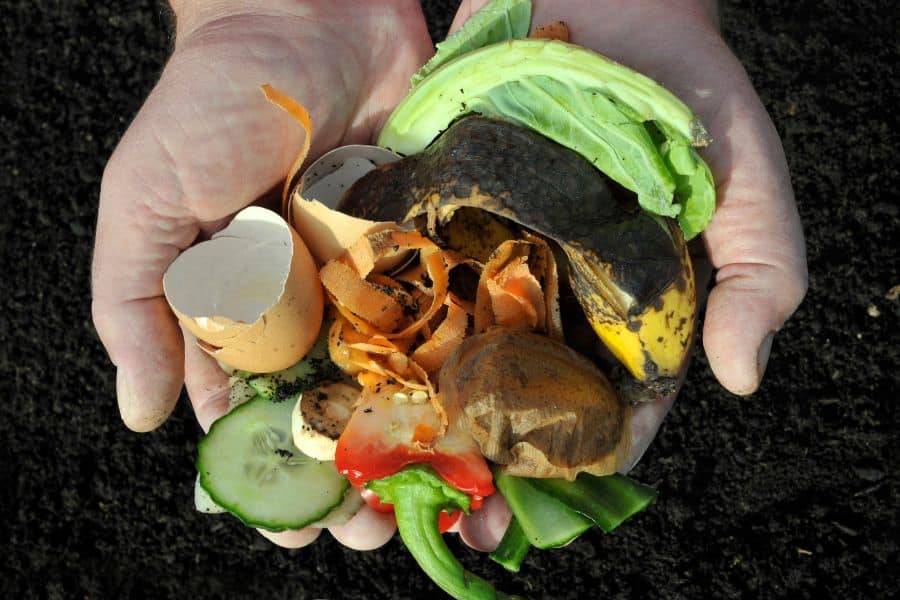
Why Your Garden Needs Compost
Compost does something no store-bought fertilizer can fully replicate. It improves the actual structure of your soil.
Sandy soil drains too fast and dries out quickly. Clay soil, which I have, holds too much water and gets compacted. Add compost to either, and both problems get better. It opens up clay soil so water can drain through, and it helps sandy soil hold onto moisture and nutrients for longer.
On top of that, compost introduces billions of beneficial microorganisms that break down organic matter and make nutrients available to plant roots. It improves drainage, boosts earthworm activity, and feeds your plants slowly over time rather than giving them a quick hit that burns them out.
Buying bags of compost from the garden center adds up fast. Making your own means you have a free, consistent supply of the best soil amendment money can buy. Or in this case, doesn’t buy.
The Newbie Gardener’s Guide to Composting

The Secret To Good Compost Is Balance
Before you throw anything and everything into a bin, there’s one thing worth understanding that makes all the difference.
Compost needs a mix of two types of material: greens and browns.
Greens are nitrogen-rich materials. Things like vegetable peelings, fruit scraps, coffee grounds, grass clippings, and fresh plant trimmings. They break down quickly and provide the protein that microorganisms need to do their work.
Browns are carbon-rich materials. Cardboard, dried leaves, egg cartons, straw, and paper. They break down more slowly and create the structure that stops your compost from turning into a slimy, airless mess.
The rough guideline most gardeners follow is about two parts brown material to one part green. In practice, you don’t need to measure anything. If your compost starts looking wet and smelling slightly off, add more browns. If it’s dry and breaking down very slowly, add more greens and give it a turn.
That’s really it. Everything else is just details.
What Kitchen Scraps Can Go In
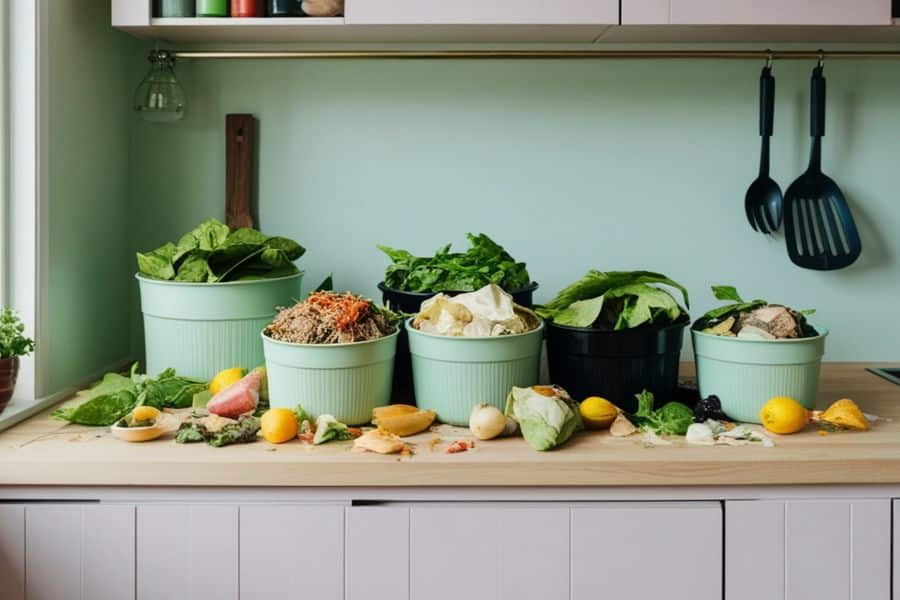
Your kitchen produces a surprising amount of compostable material every single day, and most of it goes straight into the trash without a second thought.
Fruit and vegetable peelings are the obvious starting point. Potato skins, apple cores, carrot tops, onion skins, avocado skins, melon rinds. All of it is fair game. The softer and more watery the material, the faster it breaks down.
Coffee grounds are one of the best things you can add. They’re rich in nitrogen, break down quickly, and earthworms seem to love them. Paper coffee filters can go in too, and the same goes for tea bags, though it’s worth checking that yours don’t contain plastic. Many now do, and those won’t break down the way you’d hope.
Eggshells decompose slowly, but they’re worth adding. They bring calcium to your compost, which eventually benefits your plants, and they help with drainage and structure inside the bin. Crush them up a little before adding them to speed things along.
Stale bread, cooked grains, and plain cooked pasta can go in small amounts. The caveat is quantity. Bread, in particular, can attract rodents if you pile it in too much, so add it occasionally and bury it under other material rather than leaving it on top.
Garden Waste That Belongs In The Bin

Your garden produces as much compostable material as your kitchen, if not more, and most of it is free and in plentiful supply.
Grass clippings are a nitrogen powerhouse. They break down quickly, making them brilliant for kick-starting a sluggish pile. The only thing to watch is that you don’t add too many at once. A thick layer of fresh grass clippings will mat together and stop air from getting through. Mix them in with some cardboard or dried leaves to keep things balanced.
Dried autumn leaves are the opposite: slow to break down but brilliant for adding carbon and creating airflow. If you have a lot of them, shredding them first with a lawn mower or leaf blower significantly speeds up decomposition. Otherwise, they can take a year to break down properly on their own.
Fresh plant trimmings, spent flowers, and the leafy parts of vegetable plants all compost well. The exception is anything diseased. Mildewed foliage, plants with fungal problems, or anything showing signs of serious pest damage should go in the trash rather than the compost. You don’t want disease spreading back into your garden when you use the finished compost.
Avoid composting anything that has gone to seed. Those seeds will survive the composting process more often than not and sprout up wherever you spread your compost.
The Stuff That Surprises People
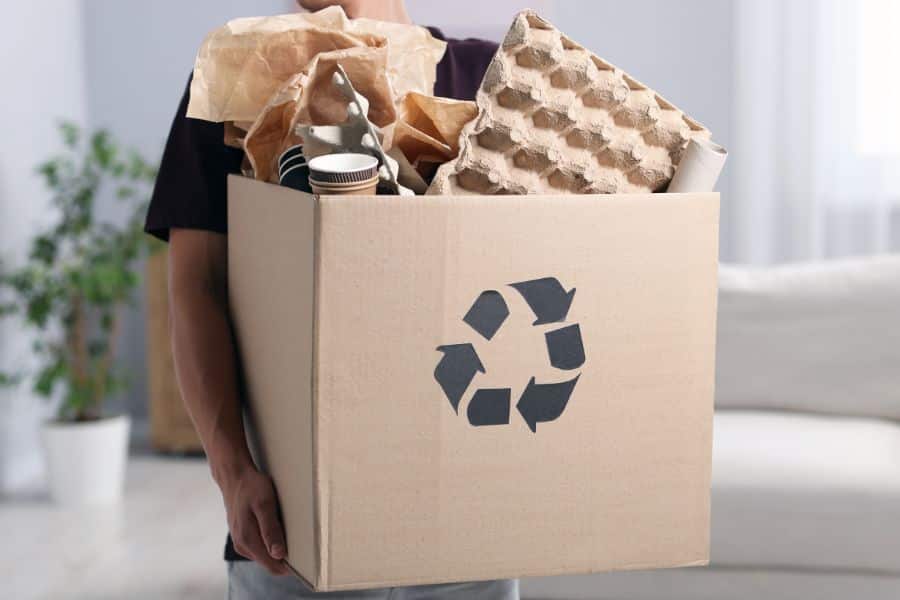
Some of the best composting materials are the stuff most people would never think to add.
Hair and nail clippings are one example. Both are rich in nitrogen and break down well over time. If you brush your pet or find clumps of hair after cleaning, throw them in. The same applies to nail clippings, though they do take a while.
Cardboard is one of the most useful materials you can compost. Cereal boxes, toilet roll tubes, egg cartons, pizza boxes with most of the grease removed, and the cardboard inner of kitchen rolls all break down beautifully. Remove any plastic tape or stickers first, tear or scrunch it up so air can move through, and add it freely.
Plain newspaper and uncoated paper compost well, too. The ink used in most modern newspaper printing is soy-based and not a problem.
Wood ash from a fireplace or wood burner can go in, but only in small quantities. It raises the pH of your compost, which can be useful, but too much will create conditions that slow everything down.
Wool and natural fiber fabrics, cut into small pieces, will compost over time. Things such as old cotton t-shirts, wool scraps, or natural twine. Synthetic fabrics won’t break down and shouldn’t be put in the bin.
What Should Never Go In Your Compost Bin

Just as important as knowing what works is knowing what to keep out.
Meat, fish, bones, and dairy products will break down eventually, but they attract rodents and flies, create very unpleasant smells, and can harbor pathogens you really don’t want in your garden. Leave them out entirely.
Cooked food with oils and sauces falls into the same category. A bit of plain cooked vegetable is fine, but anything heavily seasoned, oily, or saucy is asking for trouble.
Dog and cat waste carries harmful bacteria and parasites that composting temperatures can’t always destroy. Leave those out. Compost from a bin containing pet waste isn’t something you’d want near food crops.
Glossy paper and magazines don’t break down well and may contain chemicals that don’t belong in your soil.
Anything treated with pesticides or herbicides should stay out. If you’ve used weed killer on an area of grass and then rake up the clippings, those clippings carry the chemical with them. Add them to compost, and you risk spreading it to plants you actually want to grow.
Invasive weeds like bindweed, Japanese knotweed, or anything with runners that spread aggressively are risky additions. A home compost bin rarely gets hot enough to kill them reliably.
Keeping Your Compost Bin Working Well

A compost bin needs three things to do its job well: air, moisture, and a balanced mix of materials.
Turning the pile every few weeks introduces oxygen, which the microorganisms breaking down your compost need to thrive. You don’t need to do anything complicated. A garden fork, a quick dig around to mix things up, and you’re done. The more you turn it, the faster things break down.
Moisture matters too. Your compost should feel roughly like a wrung-out sponge: damp but not dripping wet. If it feels dry, add water or more green material. If it’s soggy and starting to smell, add more cardboard or dried leaves and give it a turn.
Where you position your bin makes a difference. A spot that gets some sunshine will warm the compost and speed up decomposition. A completely shaded spot will work, but things will take longer.
Chopping or shredding material before it goes in is the single biggest way to speed things up. Smaller pieces have more surface area for microorganisms to work on.
How To Know When Your Compost Is Ready

Finished compost looks nothing like the stuff you put in. It’s dark brown, crumbly, and smells earthy, almost like a forest floor after rain. You shouldn’t be able to identify what anything originally was.
Depending on how actively you manage your bin, compost can be ready in as little as three months or take up to a year. Hot, turned, well-balanced compost works faster. A cold bin that just sits there filling up slowly will take closer to a year.
Most people find that the material at the bottom is ready well before the top layers. If your bin has a hatch at the base, you can harvest from the bottom while continuing to add to the top.
Use it as a soil improver dug into beds before planting, as a mulch spread around established plants, or mixed into potting compost for containers. Wherever you use it, your plants will tell you they’re happy.
Disclaimer: This article is for general information only and is not professional advice. It may contain affiliate links. Please see our full Editorial Policy for details.

Kylie Lang is a nationally syndicated travel journalist with bylines on the Associated Press Wire & more, a lifestyle writer, and the founder and editor of Your Lifestyle Library (yourlifestylelibrary.com). She holds a BA (Honours) in History from the University of Kent and is a member of the British Guild of Travel Writers.