
The first time I planted my own tomatoes, the haul I got was more a matter of luck than judgment. I didn’t have a clue what I was doing, but they grew anyway. The same can’t be said for my cucumbers or bell peppers because they were a disaster.
If you’ve been thinking about it and want to start a vegetable garden but keep putting it off because it feels complicated or overwhelming, let me talk you down from that particular ledge. You don’t need a huge space or a degree in horticulture. You don’t even need particularly green fingers.
What you need is a decent sunny spot, some basic know-how, and the willingness to learn as you go. The rest comes with time, patience, and a sprinkling of knowledge.
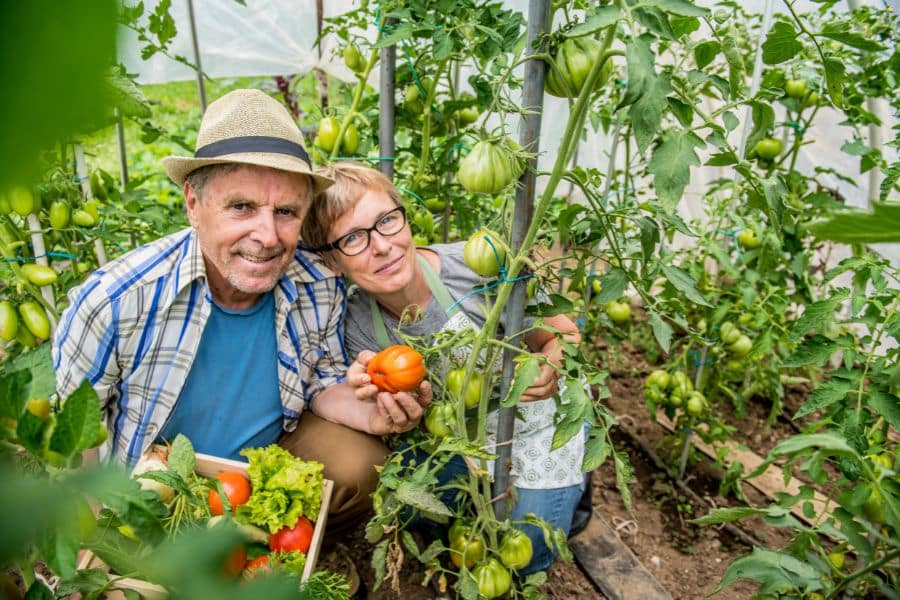
Why Growing Your Own Is Worth the Effort
There is nothing quite like eating something you grew yourself. A tomato still warm from the vine, or that lettuce you just pulled up from the garden. If you’ve only ever eaten supermarket produce, the difference is huge.
Beyond the flavour, there’s something about being outside with your hands in the soil that does something good for your head. Gardening slows you down and makes you reconnect with nature.
It doesn’t have to be expensive either. A few packets of seeds, some compost, and a couple of basic tools will see you through your first season without spending a fortune.
Start Smaller Than You Think You Should
This is the single most important piece of advice I can give you, and also the one most people ignore.
The temptation when you’re excited about something new is to dive in at full scale. You imagine the abundant kitchen garden, the overflowing harvest, the neighbours envious of your courgettes. And then July arrives, and you’re underwater trying to keep on top of a garden that’s twice the size you can actually manage, and the whole thing stops being fun.
Start with one small bed. A 4×4-foot raised bed is a good first garden. It sounds tiny, but it will produce more than you expect. Pick three to five vegetables you actually eat and grow those. That’s it. You can expand next year once you know what you’re doing and what you enjoy growing.
The goal in your first season is to build your confidence.
Choosing Your Spot
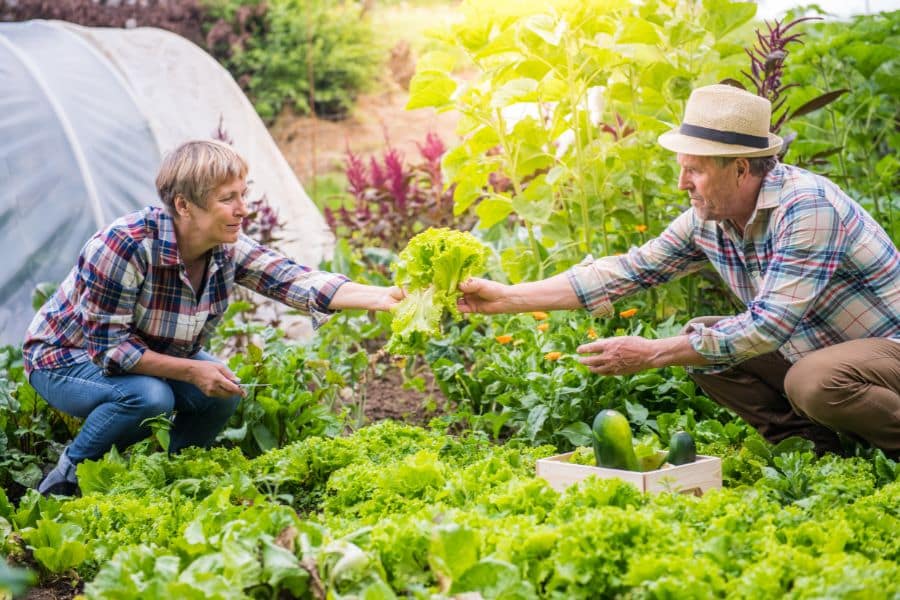
Vegetables need sun. Not a bit of sun, not dappled light, not a spot that catches the morning rays before going into shade. Most vegetables need at least 6 hours of direct sunlight each day, and 8 is better. Tomatoes, peppers, cucumbers, and beans are particularly uncompromising about this.
Walk your garden at different times of the day and pay attention to where the sun actually falls. That shaded corner might feel appealing because it’s sheltered, but it will produce disappointing results for most food crops. Prioritize sun above almost everything else when choosing your spot.
Drainage matters too. Vegetables sitting in waterlogged soil will rot rather than thrive. If you have a patch that holds water after rain, either avoid it or build up the bed to improve drainage.
Somewhere within reach of a water source is also practical rather than optional. Hauling watering cans across a large garden every day gets old fast.
Raised Beds vs Growing in the Ground
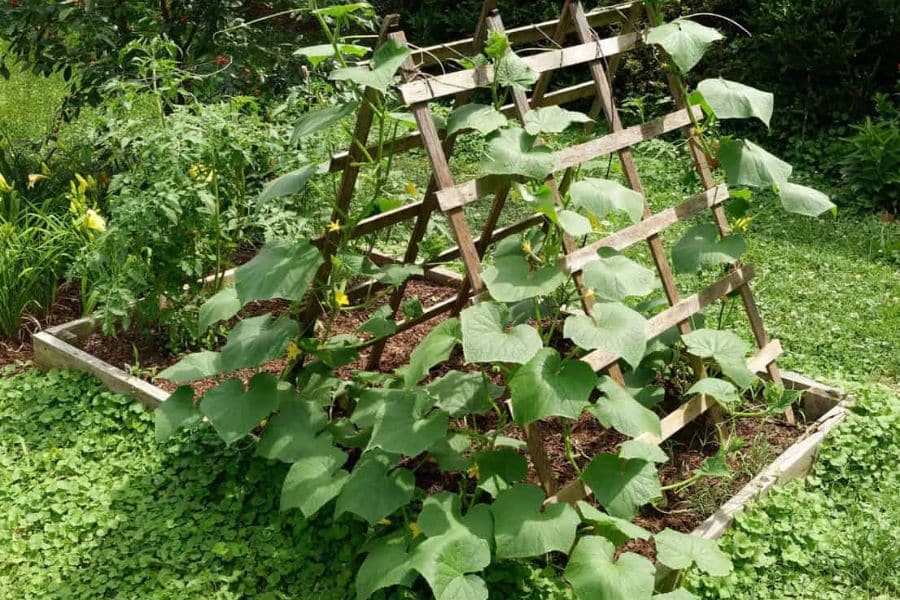
You don’t need a raised bed to grow vegetables, but for most beginners, it makes life considerably easier. Here’s why.
When you grow in the ground, you’re working with whatever soil you’ve got, which may be heavy clay, compacted from foot traffic, full of buried rubble from a previous owner, or simply lacking in nutrients. Improving ground soil takes time and effort.
With a raised bed, you fill it with a mix you’ve chosen yourself: typically, a good quality topsoil combined with plenty of compost. You start with decent conditions from day one. Raised beds also warm up earlier in spring, allowing you to plant sooner. They drain better, they’re easier to weed, and because you never walk on the soil inside, it stays loose and workable year after year.
The downside is they dry out faster, which means more regular watering during warm weather. But for most people starting out, the advantages far outweigh that.
If a raised bed isn’t possible for your space, an in-ground plot works perfectly well. Just be prepared to put in some work to improve the soil before you plant.
It All Starts With the Soil
If there is one place not to cut corners, this is it. Vegetables are hungry, fast-growing plants. They pull a lot of nutrients from the soil, and they need that soil to be loose, well-drained, and rich in organic matter to do it well.
Think of your soil as the foundation on which everything else is built. Poor soil produces poor plants regardless of how much effort you put into everything else.
Before planting anything, dig in plenty of compost. If you’re filling a new raised bed, aim for a mix of around two-thirds good quality topsoil and one-third well-rotted compost. If you’re planting into existing ground, spread a generous layer of compost across the surface and work it into the top 20 to 30 centimeters.
Compost does several things at once. It feeds the soil, improves its structure, helps it retain moisture in dry weather, and improves drainage in wet weather. It is the single most useful thing you can add.
If you’re not sure about the quality of your soil, a simple soil test kit from a garden centre will tell you the pH level and what nutrients might be lacking. Most vegetables prefer a slightly acidic to neutral soil, somewhere around pH 6 to 7.
If yours is too acidic, garden lime will bring it up to a neutral pH. Too alkaline? Lower it with sulphur. But honestly, for most beginners with decent compost added in, this level of detail isn’t necessary in year one.
What To Grow When You Start a Vegetable Garden
Not all vegetables are created equal when it comes to ease of growing. Some are quick, reliable, and almost impossible to get wrong. Others are finicky, slow, or require more space and experience than a beginner has to offer.
These are the ones I’d recommend for your first year.
Lettuce

Lettuce and salad leaves are probably the easiest things you can grow. They go from seed to harvest in as little as four to six weeks, they don’t need much space, and you can pick leaves as you need them rather than harvesting the whole plant at once.
Sow a small amount every two or three weeks through spring, and you’ll have salad all season.
Radishes

Radishes are done in about three weeks from seed, which is enormously satisfying when you’re waiting for other things to get going. They’re best sown directly where they’ll grow rather than started indoors.
Green Beans
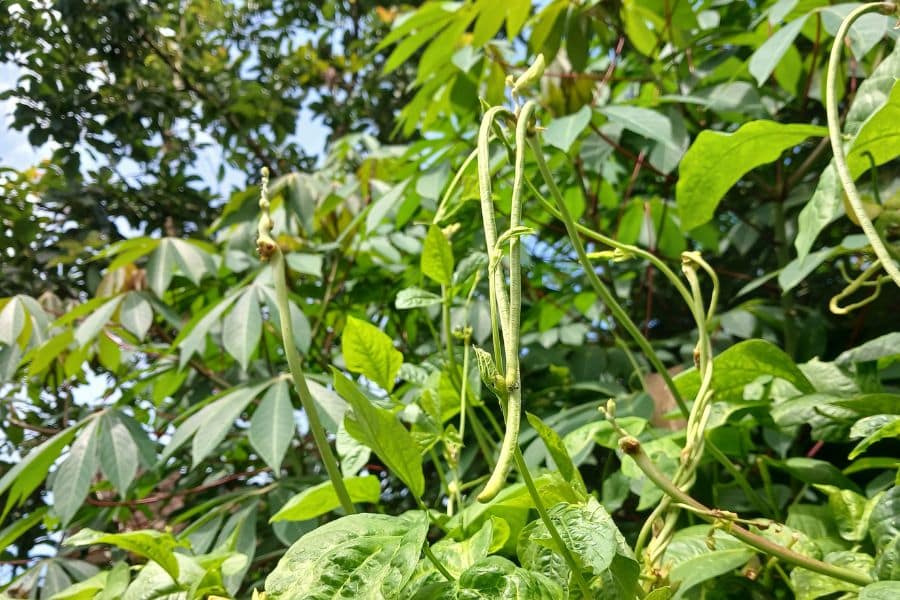
Green beans are reliable, productive, and rewarding. Bush varieties don’t need staking and take up relatively little space. One short row will keep a family in beans for weeks.
Zuchinni
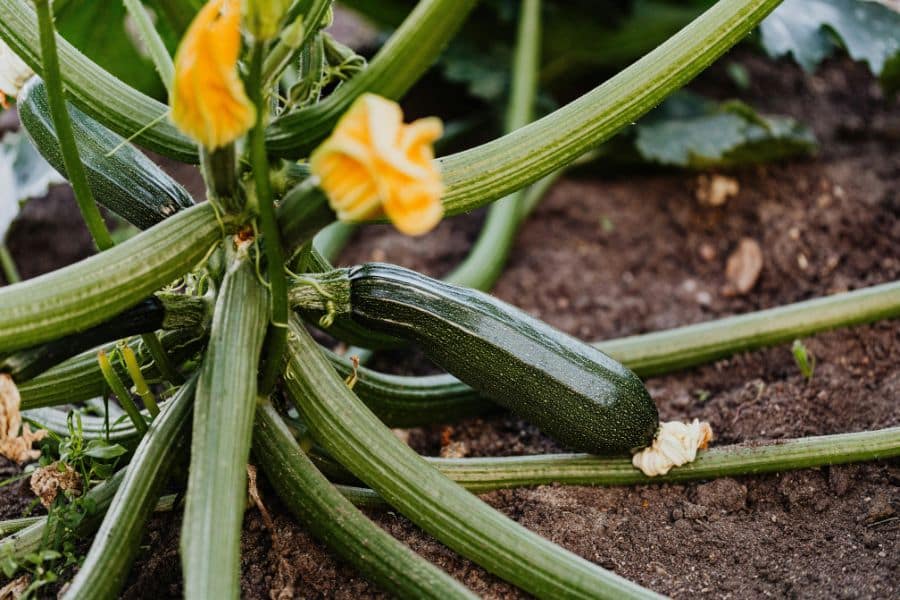
Courgettes, or zucchini, are almost alarmingly productive once they get going. One or two plants are usually enough for most households. Three is optimistic. Four is how you end up leaving courgettes on neighbours’ doorsteps under the cover of darkness.
Tomatoes

Tomatoes are possibly the most rewarding thing you can grow, though they take a little more attention than the others. Start with cherry tomatoes rather than larger varieties in your first year. They’re more tolerant of uneven watering, they ripen faster, and they produce more consistently.
Herbs
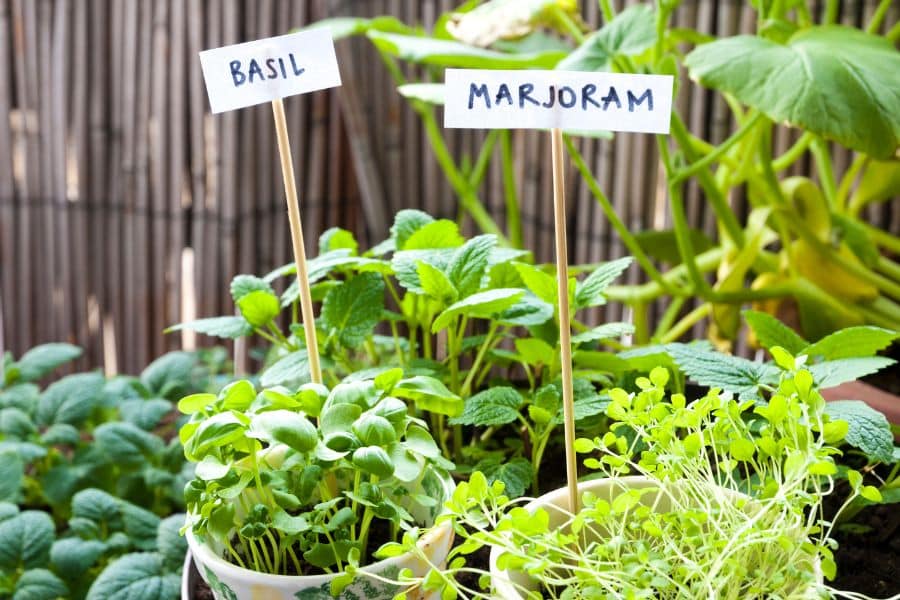
Herbs deserve a mention too. Basil, parsley, chives, and mint are all straightforward to grow, and the difference between fresh herbs and shop-bought is pronounced enough that most people never go back.
Understanding Cool Season and Warm Season Crops
Vegetables broadly divide into two groups based on what temperatures they prefer to grow in.
Cool season crops actually thrive in the cooler temperatures of early spring and autumn. Lettuce, spinach, peas, broccoli, and carrots all fall into this category. These can go into the ground weeks before your last expected frost date and will often bolt, meaning go to flower and seed prematurely, if temperatures get too warm. They’re your spring and autumn vegetables.
Warm season crops need the soil to have warmed up before they’ll thrive. Tomatoes, peppers, cucumbers, courgettes, and beans all fall here. Plant these too early and they’ll either sulk or simply die when a late frost arrives. In most regions, these go in after the last frost date.
Your local last frost date is the most important information you need to time your planting. If you’re in the US, the Old Farmer’s Almanac frost date calculator is a useful tool. If you’re in the UK or Europe, your local gardening center will tell you, or a quick search for your region’s average last frost date will give you a reliable answer.
Sowing Seeds vs Buying Plants
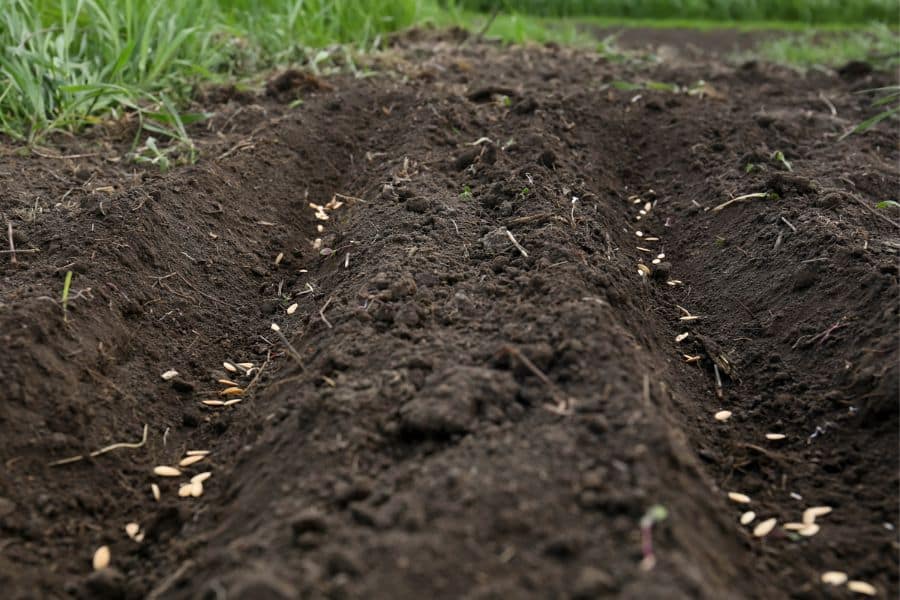
You have two options for getting started: sowing from seed or buying young plants from a nursery or garden center.
Seeds are cheaper and give you far more variety, since garden centers only stock a limited range of plants. They’re also deeply satisfying in a way that’s hard to explain until you’ve watched something you planted as a tiny seed become something you eventually eat.
The downside is that some vegetables, particularly tomatoes and peppers, need to be started indoors several weeks before the last frost date, which requires a bit of planning and a warm windowsill.
Buying young plants, often called transplants or seedlings, gives you a head start and is the easier option for a first-year garden. You skip the indoor sowing stage, which can go wrong with too much heat, too little light, or erratic watering, and you go straight to planting something that already looks like a proper plant.
My honest advice: start some things from seed and buy plants for others. Sow your lettuce, beans, and radishes directly where they’ll grow. Buy your tomato and pepper plants from a nursery. Best of both worlds.
Watering: Getting It Right
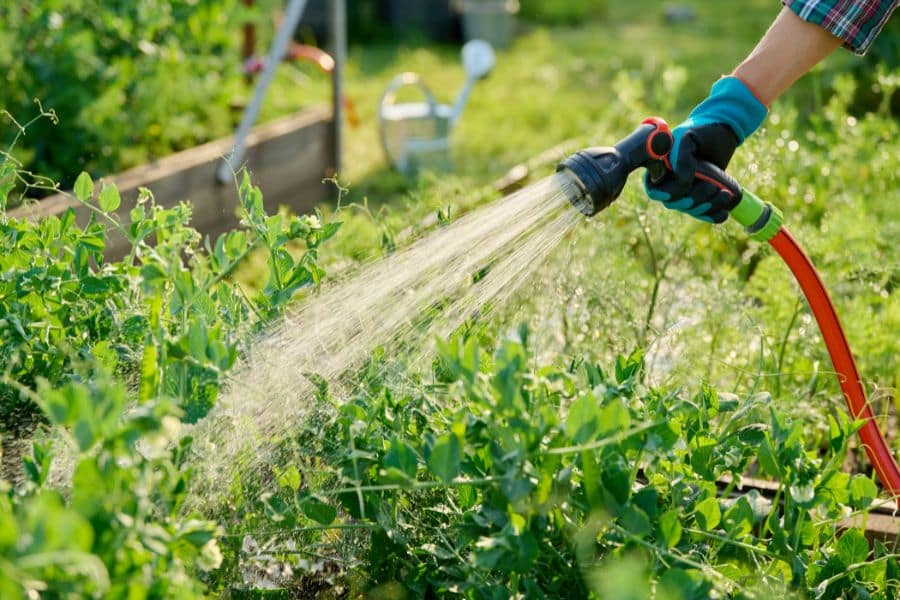
More vegetable gardens are ruined by incorrect watering than by almost any other factor, and the mistakes go in both directions.
The instinct for new gardeners is to water frequently and lightly. This is almost always the wrong approach. Light, frequent watering encourages roots to stay near the surface, seeking moisture rather than growing deep into the soil. The result is shallow-rooted plants that struggle in hot or dry conditions.
What vegetables need is deep, less frequent watering. When you water, water thoroughly so the moisture reaches down to where the roots actually are. Then let the top of the soil dry out slightly before watering again. For most vegetables in most climates, this means every two to three days in warm weather, possibly daily during a heatwave.
The best time to water is early morning. This gives leaves time to dry off during the day, which reduces the risk of fungal diseases. Evening watering leaves moisture on the foliage overnight, inviting various problems you’d rather not deal with.
A simple finger test is the best guide: push your finger an inch or so into the soil. If it feels dry at that depth, it’s time to water. If it still feels moist, leave it another day.
Tools Worth Having (and Ones You Can Skip)
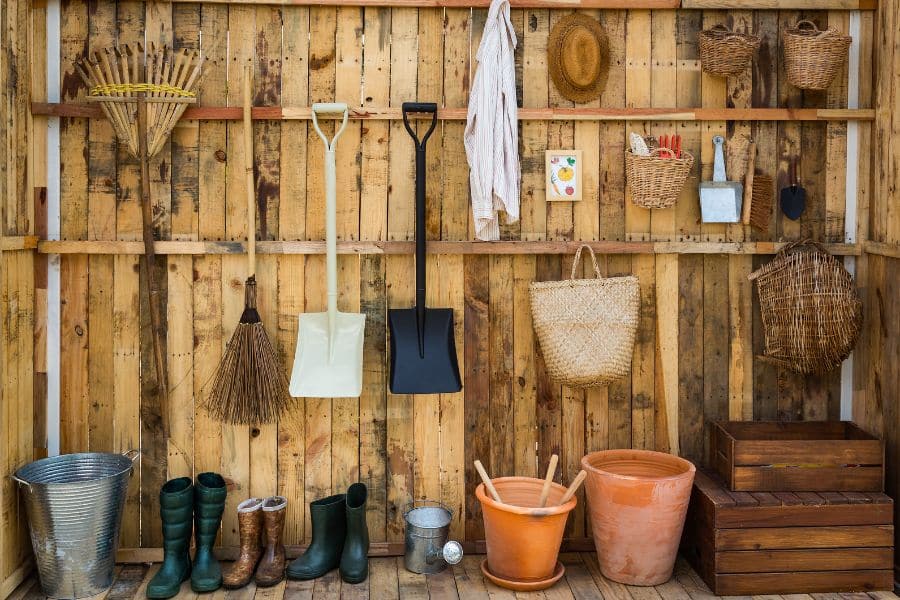
You do not need a shed full of equipment to grow vegetables. Here’s what I’d recommend you get.
A hand trowel is essential for planting seedlings, sowing seeds in prepared drills, and all the small digging tasks that come up constantly. Buy a decent one, and it will last years.
A garden fork or spade is useful for preparing the ground and digging in compost. A fork works better for breaking up clumps and is easier on the back than a flat spade.
A hoe, particularly a Dutch hoe with the angled blade, is invaluable for weeding between rows without getting on your hands and knees. A quick pass with the hoe on a dry day kills emerging weeds before they become a problem.
A watering can or garden hose with a gentle spray setting is obviously necessary. If you have more than one or two beds, a soaker hose laid along the base of plants is worth considering, as it delivers water directly to the roots with minimal waste.
A pair of decent gloves will save your hands and your nails.
That’s all you need to start.
The Beginner Mistakes Worth Knowing About Now
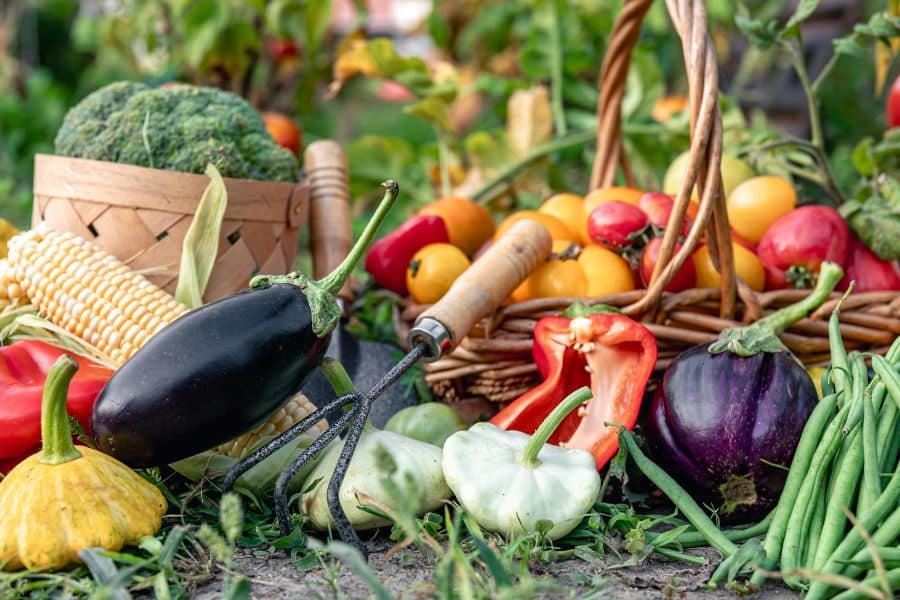
My mom always said a fool learns by his or her own mistakes; however, in this case, I’d beg to differ.
Planting too close together. The spacings on seed packets feel generous when you’re planting tiny seeds, but those plants will need that room once they get going. Overcrowded plants compete for light, water, and nutrients, and are more prone to disease. Follow the spacing guidance and resist the urge to fill every gap.
Ignoring weeds until they’re huge. Small weeds are easy to deal with. Large weeds with established root systems are a battle. Spending five minutes weeding every few days is far easier than an hour once a month.
Not harvesting regularly enough. Many vegetables, beans, and lettuce in particular, are encouraged to keep producing by regular picking. If you leave beans on the plant to get fat and tough, the plant thinks its job is done and slows down production. Pick regularly and pick often.
Giving up after one failure. Things die. Seeds don’t germinate. A whole row of something gets eaten by slugs overnight. This happens to every gardener, including experienced ones. It’s not a sign you can’t do this. It’s just gardening.
Making It Work Season After Season
At the end of each growing season, give your soil some attention so it starts next year in good condition. Clear out spent plants, pull any remaining weeds, and top-dress with a generous layer of compost. You can dig it in lightly or simply leave it on the surface over winter and let the worms do the work.
Keep a simple notebook of what you grew, where you grew it, what worked, and what didn’t. This becomes genuinely useful over time. It tells you which varieties performed well in your space, what you had too much of, what you wished you’d grown more of, and what to try differently next year.
Rotate your crops if you can, meaning don’t grow the same family of vegetables in the same spot year after year. Tomatoes, peppers, and aubergines are all in the same family. Brassicas, which include cabbage, broccoli, and kale, form another. Keeping different families moving around the beds reduces the buildup of soil-borne diseases specific to that plant group.
And above all, grow what you actually like to eat. It sounds obvious, but it’s worth saying. A garden full of vegetables you’re excited about harvesting and cooking with is a garden you’ll want to keep going back to.