
As we get older, what we put into our bodies matters more and more; not that it doesn’t matter when you’re younger, it’s just our bodies find it harder to process certain foods the older we get. My mom always told me breakfast was the most important meal of the day, and that I wouldn’t be able to concentrate at school without food to fuel my brain.
Generally, breakfast was a bowl of cornflakes, or at weekends, for a treat, a bowl of Coco Pops or some Pop-Tarts. Now, the myriad of breakfast foods is mind-boggling. It’s hard to know what to choose. One magazine tells you to have a smoothie for breakfast, full of healthy fruit and veg, and another tells you granola or oatmeal is the way to go.
Half the breakfast foods marketed as healthy choices aren’t healthy at all. In fact, they’re actively harming you. I’m not talking about the obvious offenders like pancakes drowning in syrup or bacon cheeseburgers. I’m talking about the foods you genuinely thought were helping.

9 Breakfast Staples Triggering Inflammation in People Over Forty
So which breakfast foods do you eat and which do you avoid? How do you know which supposedly healthy options are doing you more harm than good?
Agave Syrup

Agave syrup is top of my list, as I made the switch a while ago because I’d read an article telling me it was better than sugar. It’s natural, low glycemic, and the perfect sweetener for your morning coffee or oatmeal.
Wrong.
Agave syrup contains up to 90% fructose, which is higher than high-fructose corn syrup. Your liver processes fructose differently from glucose, and when you consume too much, it triggers inflammation and fat storage.
A study published in the Journal of Clinical Investigation found that high fructose intake increases inflammatory markers in the body, particularly in people with metabolic syndrome, which becomes more common after 40.
Your body after 40 doesn’t handle fructose the way it did at 25. Insulin sensitivity drops. Metabolism slows. That “healthy” drizzle of agave on your Greek yogurt is spiking your blood sugar and triggering inflammatory responses that contribute to joint pain, brain fog, and stubborn weight gain.
Swap it for small amounts of raw honey or maple syrup, which at least contain beneficial compounds. Better yet, train your taste buds to enjoy foods with less added sweetness.
Coffee Creamers

My brother is a prime candidate for coffee creamers, as they’re quick and easy, and he keeps a stash in the car. Well, not anymore since I showed him what they actually do to you. T
Check the ingredients.
Most coffee creamers are made with hydrogenated oils, which are trans fats linked to increased inflammation. They contain high-fructose corn syrup, artificial flavors, and stabilizers like carrageenan, which research suggests may trigger inflammatory responses in the gut.
A study published in Nutrients found that carrageenan and other common food additives can disrupt gut bacteria composition, reduce the protective mucus layer, and increase intestinal inflammation, particularly in older adults whose gut microbiomes are already less diverse.
After 40, your gut health becomes increasingly important for overall wellness. The inflammatory compounds in coffee creamers damage the intestinal lining, increasing permeability and triggering chronic inflammation that affects everything from joint pain to brain function.
Switch to heavy cream, full-fat coconut milk, or unsweetened almond milk. If you need flavor, add a dash of real vanilla extract or cinnamon.
Gluten-Free Baked Goods

My sister-in-law is gluten intolerant, and living where we do in France, there aren’t loads of options, although it’s better now than it used to be. But we’re always on the lookout for nice gluten-free options for her. Unfortunately, many of the gluten-free muffins and bagels aren’t doing you any favors.
Gluten-free baked goods replace wheat flour with refined starches like white rice flour, potato starch, and tapioca flour. These refined carbohydrates have higher glycemic indexes than regular wheat flour. To compensate for the texture problems, manufacturers add extra sugar, gums, and stabilizers.
Research published in Frontiers in Pediatrics found that many gluten-free processed foods have higher sugar content and lower nutritional value than their gluten-containing counterparts, leading to increased inflammation and metabolic issues.
Your body processes these refined starches the same way it processes pure sugar. Blood glucose spikes, insulin floods your system, and inflammation follows. The gums added for texture can irritate your digestive system.
If you need gluten-free options, choose products made with almond flour, coconut flour, or other whole-food alternatives. Better yet, skip the baked goods and eat real food.
Protein Bars
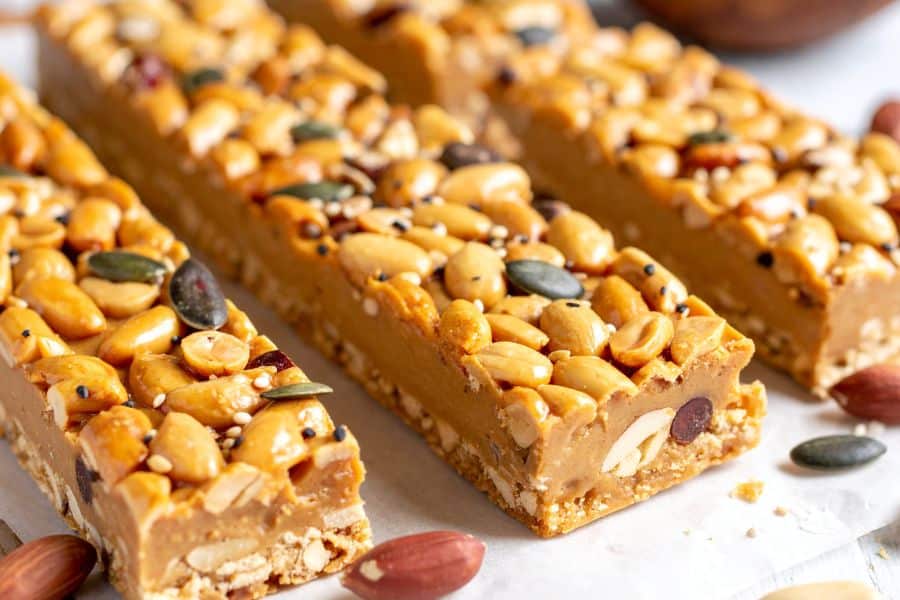
The marketing of protein bars is brilliant. Convenient, packed with protein, and perfect for busy mornings when you don’t have time for a real breakfast.
But flip that bar over and read the ingredient list.
Most protein bars are candy bars are loaded with added sugars, inflammatory seed oils, artificial sweeteners, and highly processed soy protein isolate. The “natural flavors” listed are often chemical compounds created in labs.
A 2018 study in the journal Nutrients found that highly processed foods increase inflammatory markers in adults, particularly those over 40, whose digestive systems are less efficient at processing additives and preservatives.
Your body sees these bars as foreign invaders. The immune system kicks into gear, creating inflammation to deal with ingredients it doesn’t recognize. This chronic low-grade inflammation ages you faster and makes existing health issues worse.
If you need grab-and-go breakfast options, try hard-boiled eggs, a handful of raw nuts, or homemade energy balls made with dates, almond butter, and oats.
Pre-Made Smoothies
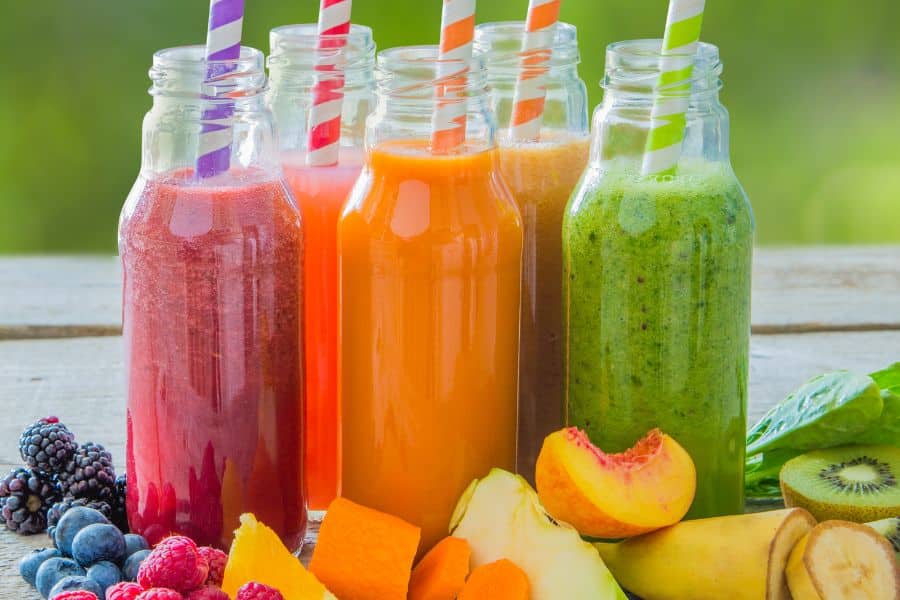
Smoothies sound healthy. Fruits, vegetables, vitamins. What could go wrong?
Everything, when you’re buying them premade.
Store-bought smoothies are pasteurized to extend shelf life, which kills most of the beneficial enzymes and nutrients. To compensate for the flat taste, companies add fruit juice concentrates, which are basically sugar water. A single bottle can contain 50 grams of sugar, more than a can of soda.
Research from Harvard T.H. Chan School of Public Health shows that consuming high amounts of fructose from fruit juice increases inflammatory markers and contributes to insulin resistance, especially in middle-aged adults.
The fiber that normally slows sugar absorption is removed during manufacturing. You’re left with a sugar bomb that spikes your blood glucose, triggers insulin release, and creates inflammation.
Make your own smoothies at home. Use whole fruits, add leafy greens, include healthy fats from avocado or nut butter, and keep the total fruit content to one or two servings.
Instant Oatmeal Packets
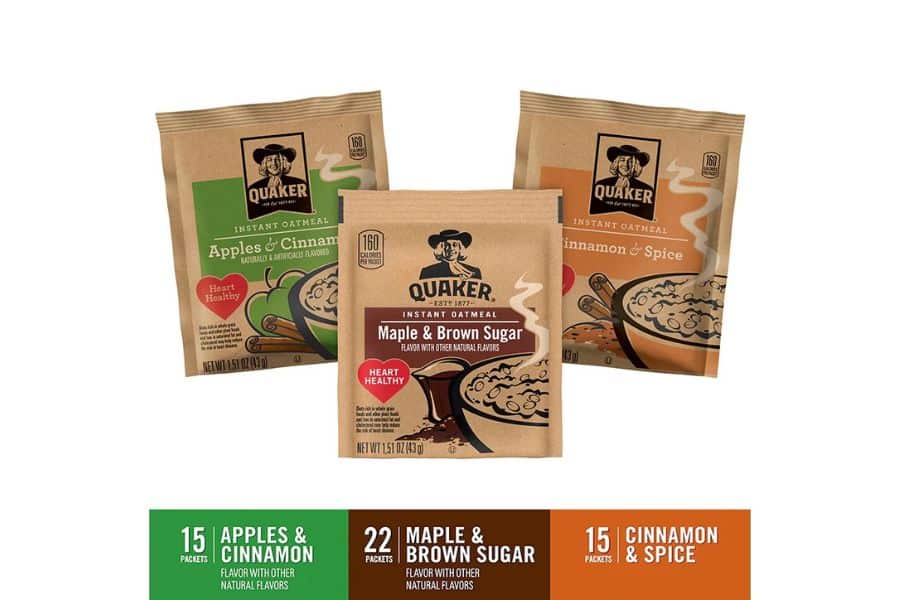
Oatmeal is healthy, right? Whole grains, fiber, and heart-healthy.
Not when it comes in those convenient little packets.
Instant oatmeal is heavily processed to cook quickly. This processing breaks down the grain structure, raising the glycemic index significantly compared to steel-cut or rolled oats. Add the flavored varieties with dried fruit and sweeteners, and you’re eating what amounts to a bowl of sugar.
The packets labeled “maple and brown sugar” or “apple cinnamon” contain more sugar per serving than a glazed donut. A study in the European Journal of Clinical Nutrition found that higher intake of refined grains was associated with higher C-reactive protein concentrations, a key marker of inflammation.
Your 40-plus body doesn’t bounce back from blood sugar crashes the way it used to. The insulin spike from instant oatmeal sets off a cascade of inflammatory responses that leave you hungry an hour later and craving more carbs.
Buy steel-cut or old-fashioned rolled oats and cook them yourself. Cooking porridge oats on your stove in the morning takes 5 minutes, if that. Top with fresh berries, a sprinkle of cinnamon, and a tiny drizzle of real maple syrup if you need sweetness.
Flavored Yogurt

Yogurt has probiotics. Calcium. Protein. But that fruity yogurt in your fridge is basically a dessert.
A single serving of flavored yogurt can contain 20 to 30 grams of added sugar. The fruit at the bottom is preserved in syrup. The “low-fat” versions replace healthy fats with even more sugar to maintain flavor.
Research published in Cell Metabolism shows that high sugar intake damages the gut microbiome and increases inflammatory markers, effects that are more pronounced in people over 40, whose beneficial bacterial populations naturally decline with age.
The sugar feeds harmful bacteria in your gut while starving the beneficial ones you need. This imbalance triggers inflammation that extends far beyond digestive issues.
Buy plain, full-fat Greek yogurt or Icelandic skyr. Add your own fresh fruit, a handful of nuts, and a small drizzle of honey if needed. You’ll get the beneficial probiotics without the sugar overload.
Store-Bought Granola
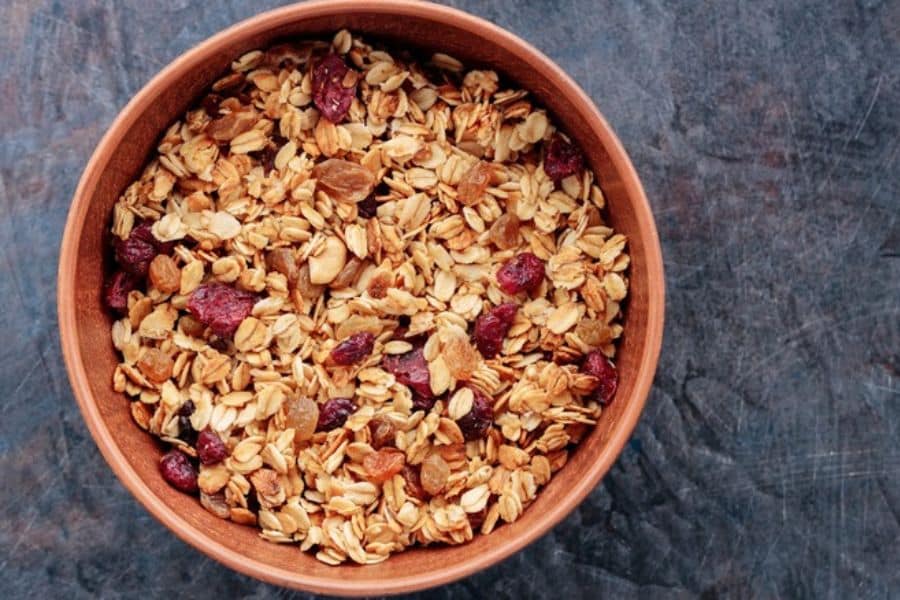
Granola looks so wholesome sitting there in the cereal aisle. Oats, nuts, and honey. Crunchy clusters of natural goodness.
But most store-bought granola is held together with inflammatory oils and loaded with sugar.
Companies coat the oats in canola oil, soybean oil, or other highly processed vegetable oils that become oxidized during the toasting process. These oxidized oils trigger inflammation in your body. The “honey” holding it together is often a combination of added sugars that can total 12 to 15 grams per serving.
A study in the Journal of Nutritional Biochemistry found that oxidized vegetable oils increase inflammatory cytokines and contribute to age-related chronic diseases, with effects amplified in adults over 40.
That serving size listed on the box? It’s usually a quarter cup. Nobody eats a quarter cup of granola. You’re probably pouring yourself three or four servings without realizing it.
Make your own granola using coconut oil or butter, raw nuts, unsweetened coconut flakes, and minimal honey. Or skip it entirely and eat plain nuts with your yogurt.
Fruit Juices

What could be better at breakfast than a glass of orange juice? All that vitamin C and natural goodness, it doesn’t get much better.
Wrong on all counts, usually.
Most commercial fruit juices are pasteurized, which destroys enzymes and many nutrients. The fiber that would slow sugar absorption is gone. What’s left is concentrated fruit sugar that hits your bloodstream like a freight train.
An 8-ounce glass of orange juice contains about 24 grams of sugar and almost no fiber. Your body processes it the same way it processes soda. A 2023 meta-analysis in Frontiers in Nutrition found that fruit juice consumption accelerates inflammation and promotes oxidative stress due to its high fructose content, with particularly pronounced effects in adults over 40.
The “not from concentrate” juice isn’t much better. It’s stored in tanks for up to a year with the oxygen removed, which strips away the flavor. Companies then add “flavor packs” created by fragrance companies to make it taste like fresh juice again.
Eat whole fruit instead. If you want juice, squeeze it fresh yourself and limit it to 4 ounces mixed with water or seltzer. The fiber in whole fruit makes all the difference.
Disclaimer: This article is for informational purposes only and should not replace professional medical advice. Always consult with your healthcare provider before making any changes to your diet, exercise routine, or medical treatment. The health information provided is based on research studies, but individual results may vary.