
Does this sound familiar? You exercise regularly, watch your portions, skip the desserts, and yet the scales still keep creeping upward. Your clothes fit differently, especially around your middle, and no amount of crunches seems to help.
Welcome to hormonal weight gain, the frustrating reality that hits most women over 40. Your metabolism hasn’t given up on you, but your hormones have definitely shifted the playing field. Estrogen levels drop, cortisol rises, insulin sensitivity decreases, and suddenly your body stores fat differently than it did in your thirties.
The good news? You can work with your hormones instead of against them by adding specific foods that help reset your metabolism. You just need to know which foods actually make a difference when hormones are calling the shots.

9 Foods to Add to Your Diet For Hormonal Weight Gain
These nine foods support hormone balance, reduce inflammation, improve insulin sensitivity, and give your body what it needs during this transition.
Apple Cider Vinegar

My mom swears by apple cider vinegar, and she’s 88, slim, and in great health, so I’m thinking she might know what she’s talking about. How does it help? Well, your body’s insulin sensitivity takes a hit during perimenopause and menopause, making weight gain frustratingly easy. Apple cider vinegar steps in as a natural metabolic helper, improving how your body responds to insulin and slowing the rate at which food leaves your stomach.
A 2018 study published in the Journal of Functional Foods found that consuming apple cider vinegar with meals significantly improved insulin sensitivity in women with insulin resistance. The acetic acid in ACV helps regulate blood sugar spikes that trigger fat storage, particularly around your midsection, where hormonal weight tends to settle.
Start your morning by mixing one tablespoon of raw, unfiltered apple cider vinegar into a glass of water with a squeeze of lemon. Or you could do what my mom does and mix it with boiling water and a spoonful of honey. You can also use it as a salad dressing base or add it to smoothies. Just remember to dilute it, as the acidity can damage tooth enamel if consumed straight.
Chickpeas

I first heard about the power of chickpeas while watching the second Sex and the City Movie, when Kim Cattrall’s character was trying to manage menopause, and all she had was hummus, which is made with chickpeas, of course. These little legumes pack a powerful punch against hormonal weight gain through their high fiber and protein content. Chickpeas help stabilize blood sugar levels and keep you feeling satisfied longer, which matters tremendously when shifting hormones make you feel hungry all the time.
Research published in Obesity in 2016 demonstrated that women who regularly consumed chickpeas and other legumes had better weight management outcomes and improved metabolic markers compared to those who didn’t. The resistant starch in chickpeas feeds beneficial gut bacteria that influence how your body stores fat and processes hormones.
Toss a can of rinsed chickpeas into salads for instant protein and crunch, or roast them with spices for a satisfying snack. Hummus counts too, thanks Kim, so spreading it on wholegrain toast or using it as a veggie dip gives you an easy way to eat chickpeas without thinking too hard about it. Aim for three to four servings per week.
Turmeric

I take turmeric with black cohosh, as it helps with sciatica, and I’ve suffered with this for many years, but this golden spice does more than that. Curcumin, the active compound in turmeric, directly influences how your body handles inflammation and fat storage during hormonal transitions. Chronic low-grade inflammation often accompanies menopause and makes losing weight nearly impossible.
A 2019 study in Frontiers in Pharmacology showed that curcumin supplementation significantly reduced body weight and BMI in people with metabolic syndrome, partly by improving insulin resistance and reducing inflammatory markers. The anti-inflammatory properties help counteract the systemic inflammation caused by hormonal changes in your body.
Add half a teaspoon of turmeric to your morning eggs or smoothies. Golden milk made with turmeric, warm almond milk, and a pinch of black pepper, served before bed, becomes a soothing evening ritual. Black pepper matters because it increases curcumin absorption by up to 2,000%. Sprinkle it into soups, stews, and rice dishes without overthinking it.
Flaxseeds
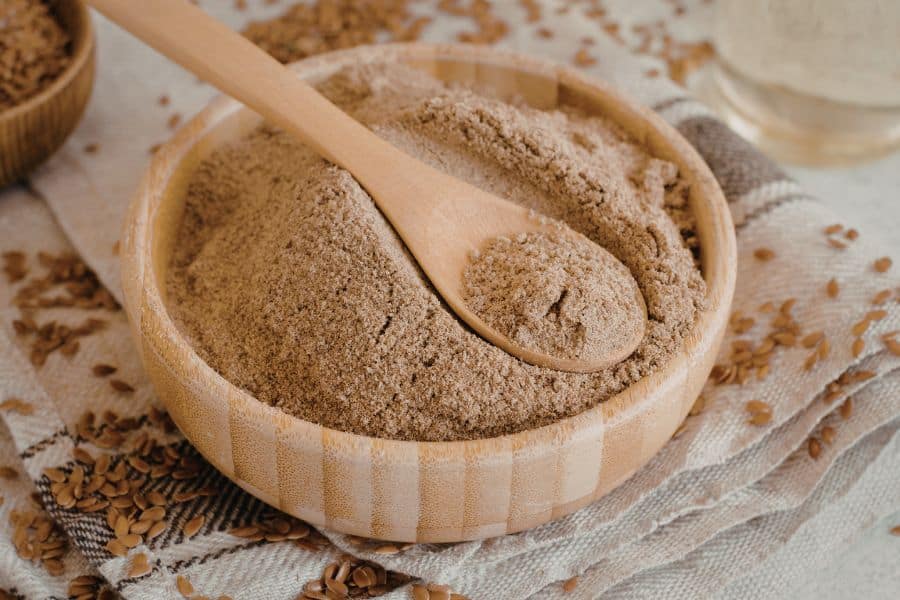
These tiny seeds contain lignans that act as phytoestrogens in your body. When your estrogen levels drop during menopause, phytoestrogens provide a gentler form of estrogen that helps ease the transition and supports more balanced hormone levels.
A study published in the Journal of Food Science and Technology in 2017 found that postmenopausal women who consumed flaxseed daily experienced significant reductions in body weight, waist circumference, and improvements in metabolic parameters, including blood sugar control. The omega-3 fatty acids in flaxseeds also reduce inflammation that contributes to stubborn weight gain.
Stir two tablespoons of ground flaxseed into yogurt, oatmeal, or smoothies every morning. You can also use ground flaxseed as an egg substitute in baking by mixing one tablespoon with three tablespoons of water. Store ground flaxseed in your freezer to keep it fresh.
Spinach

This leafy green delivers magnesium in abundance, and magnesium becomes critically important when hormonal shifts mess with your metabolism. Many women over 40 are deficient in magnesium, which plays a role in over 300 enzymatic reactions, including those that regulate blood sugar and insulin sensitivity.
Research in Diabetes, Obesity and Metabolism from 2013 demonstrated that magnesium supplementation improved insulin resistance and metabolic parameters in women with polycystic ovary syndrome, a hormonal condition with metabolic challenges similar to those of menopause. Spinach also contains compounds that help regulate cortisol, the stress hormone that promotes belly fat storage.
Throw two handfuls of fresh spinach into your morning smoothie, where it disappears into the other flavors. Sauté it quickly with garlic as a side dish, or use baby spinach as a base for your salad instead of lettuce. Frozen spinach works perfectly well, too, making it easy to add to soups, pasta sauces, and omelets without any prep work.
Avocado

The healthy monounsaturated fats in avocados help your body produce and balance hormones properly. These fats also significantly increase satiety, which helps when hormonal changes leave you constantly hungry, no matter how much you eat.
A 2019 study in Nutrients found that eating one avocado daily improved cholesterol levels and reduced visceral belly fat in overweight adults. The fiber content, combined with healthy fats, helps stabilize blood sugar levels and prevents insulin spikes that trigger your body to store fat rather than burn it.
Mash half an avocado on whole grain toast for breakfast, or slice it onto salads and sandwiches. You can blend avocado into smoothies for creaminess without tasting it, or simply eat it with a spoon sprinkled with sea salt and lime juice. One avocado typically lasts for two servings, so eating half daily gives you consistent benefits without overdoing the calories.
Blueberries

I have blueberries pretty much every day on top of my porridge or in my smoothie, depending on the weather. These berries contain powerful antioxidants called anthocyanins that improve insulin sensitivity and reduce inflammation associated with metabolic syndrome. When your hormones shift, oxidative stress increases throughout your body, making it harder to lose weight regardless of diet and exercise.
A 2010 study published in The Journal of Nutrition found that daily blueberry consumption improved insulin sensitivity in obese adults with insulin resistance. The polyphenols in blueberries also support healthy gut bacteria that influence how your body processes and stores energy during hormonal transitions.
Keep frozen blueberries on hand for easy access year-round. Add a cup to your morning smoothie, oatmeal, or yogurt. Fresh blueberries make a perfect afternoon snack, or you can toss them into salads for a sweet contrast. Aim for at least three servings per week to get the metabolic benefits without overthinking portion sizes.
Eggs
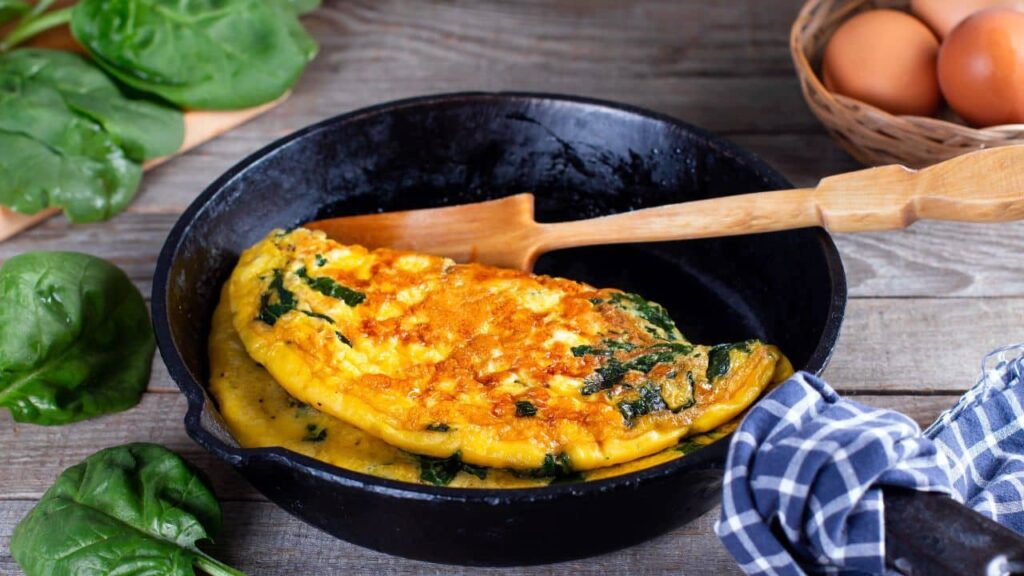
Protein becomes increasingly important for maintaining muscle mass during menopause, and muscle directly influences your metabolic rate. Eggs provide complete protein along with choline, which supports liver function and helps your body metabolize fat more efficiently.
A 2020 study in Nutrients demonstrated that higher protein intake, particularly at breakfast, improved body composition and metabolic health in postmenopausal women. The high-quality protein in eggs helps preserve lean muscle mass, which naturally declines with age and hormonal changes, helping keep your metabolism from slowing down further.
Eat two eggs for breakfast most mornings, whether scrambled, boiled, or baked into a frittata with vegetables. Hard boil a batch on Sunday to grab for quick snacks during the week. Add a fried egg to grain bowls or salads for an instant protein boost that turns a light meal into something more substantial and satisfying.
Salmon

This fatty fish delivers omega-3 fatty acids that directly combat the inflammation driving hormonal weight gain. The high-quality protein in salmon also supports muscle maintenance, while the healthy fats help your body produce hormones more effectively during this transition.
A 2007 study published in The American Journal of Clinical Nutrition found that omega-3 fatty acid supplementation significantly reduced body fat and improved cardiovascular risk factors in overweight adults. The anti-inflammatory effects of omega-3s help counteract the systemic inflammation that makes weight loss feel impossible, no matter how much you exercise or restrict calories.
Aim for two to three servings of salmon weekly. Bake a large piece with lemon and herbs on Sunday to eat throughout the week in salads, grain bowls, or alongside roasted vegetables. Canned salmon works just as well and costs less, making it easy to add to pasta, mix into salads, or spread on crackers for a quick, protein-rich snack.
Disclaimer
This article provides general information about foods that may support hormonal balance and weight management. It is not intended as medical advice or to diagnose, treat, cure, or prevent any disease. The information presented should not replace consultation with qualified healthcare professionals. Individual results may vary, and what works for one person may not work for another. Before making significant dietary changes or starting any new eating plan, especially if you have existing health conditions or take medications, consult with your doctor or a registered dietitian. The studies referenced provide scientific context but do not guarantee specific outcomes. Hormonal weight gain can have multiple underlying causes that require professional medical evaluation and personalized treatment approaches.
Disclaimer: This article is for general information only and is not professional advice. It may contain affiliate links. Please see our full Editorial Policy for details.

Kylie Lang is a nationally syndicated travel journalist with bylines on the Associated Press Wire & more, a lifestyle writer, and the founder and editor of Your Lifestyle Library (yourlifestylelibrary.com). She holds a BA (Honours) in History from the University of Kent and is a member of the British Guild of Travel Writers.