
Dieting in your twenties and thirties is much easier than when you’re fifty and over. As our bodies change, it is much harder to lose weight. Watching what we eat for a week and immediately fitting into our clothes again doesn’t seem to happen anymore.
Shifting those extra pounds is an uphill battle, and exercise alone won’t help. It’s all too easy to give up and reach for the cookie jar, putting the diet off for another week. But as we age, our bodies need help to stay healthy.
So, how can we help ourselves stay fit and fabulous at fifty-plus? What changes can we make to keep our waistlines the size we want them to be? These 13 diet tips will help you achieve a svelte and beach body-ready physique without a massive lifestyle adjustment.
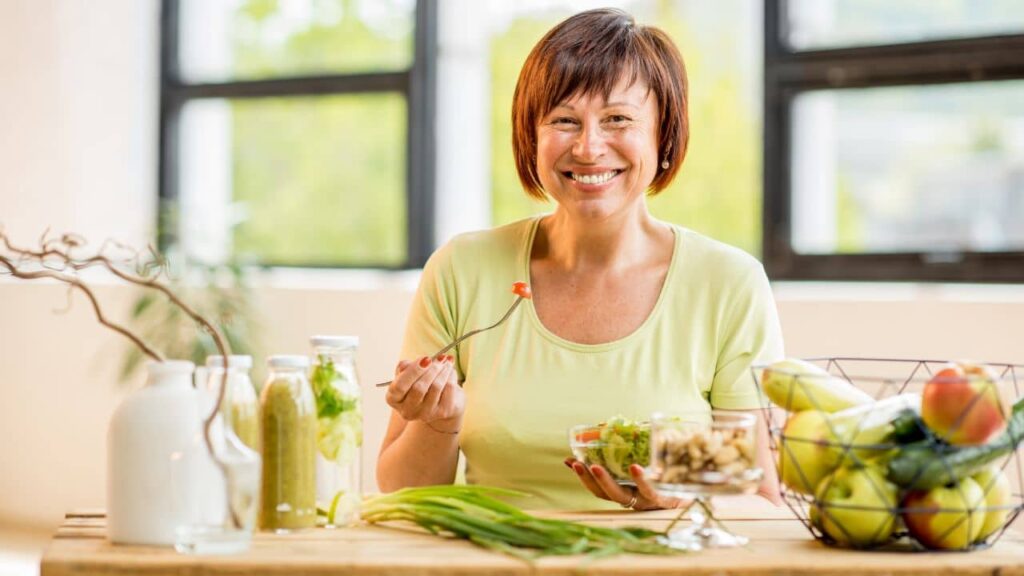
13 Diet Tips Every 50-Something Should Know
Eat More Fruits and Vegetables
I know I sound like your mom here, but seriously, a daily helping of fruit and vegetables is essential. As a fifty-something, I know all about keeping the weight off, aging, and staying healthy. The last thing I want is to age prematurely.

A study found that increasing fruit and vegetable intake promotes healthy aging by delaying the onset or severity of various diseases. Eating what’s in season can also help, which is something we do here in rural France, as it’s all about seasonality here.
Choose Whole Grains
Whole grains aren’t just a health fad. They’re essential for keeping everything in check. Whole grains like brown rice, oats, and whole wheat provide fiber, which helps with digestion and keeps things running smoothly. Plus, they keep you fuller for longer, helping to manage weight without feeling deprived.
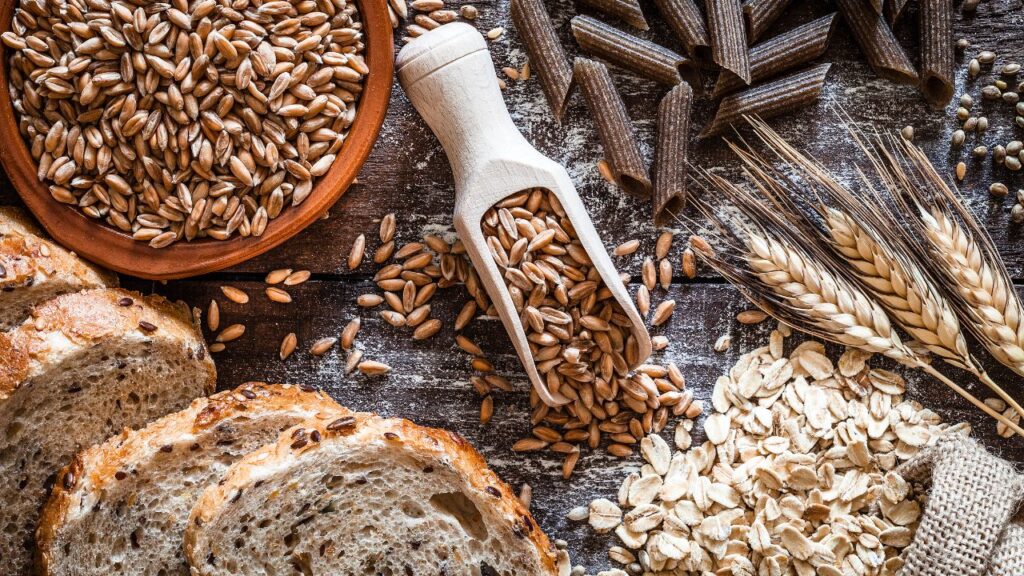
They’re packed with nutrients like vitamin B, iron, and magnesium, which are vital for maintaining energy levels and supporting overall health. They also significantly reduce the risk of chronic conditions such as heart disease and type 2 diabetes.
Increase Fiber Intake
Remember when your metabolism could burn off the calories in a matter of hours? So do I, but those days are long gone. Fiber is like the unsung hero of our diet, quietly working behind the scenes to keep everything running smoothly.
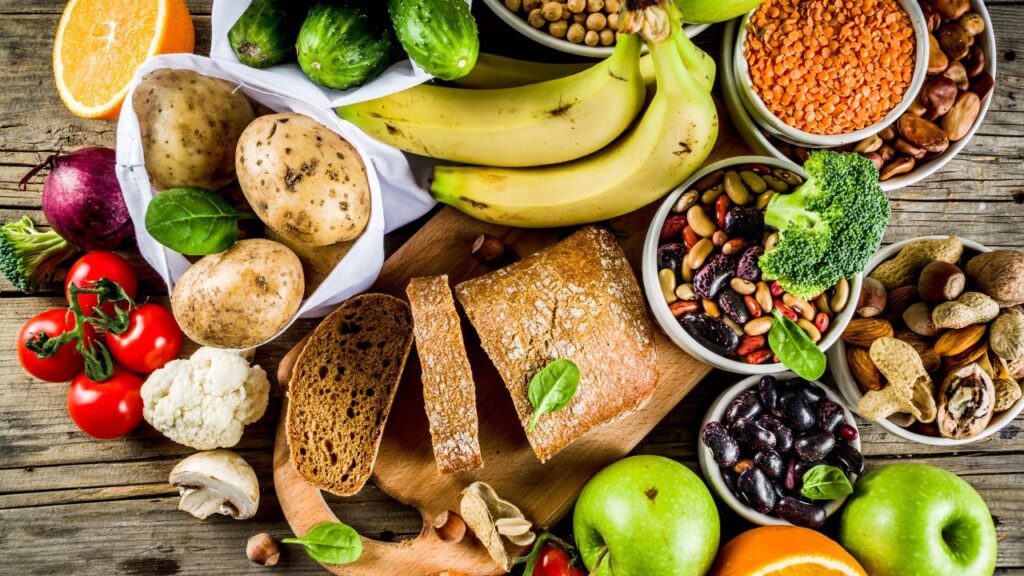
Our digestive systems can slow down as we age, leading to constipation and irregular bowel movements. Increasing your fiber intake can help keep things moving and reduce these problems.
Stay Hydrated
Are you feeling sluggish or foggy? It might be a sign that you’re not drinking enough water. Staying hydrated is vital, especially as we hit 50 and beyond. Hydration isn’t just about quenching your thirst; it’s about keeping your entire body in shape.

Proper hydration helps maintain essential bodily functions like lubricating joints and pumping blood effectively. Water plays a crucial role in healthy aging. A study has found that staying hydrated can help reduce the risk of chronic diseases and improve longevity.
Found this useful? Get more like it in your inbox as a Lifestyle Library Insider.
Include Lean Proteins
Protein isn’t just for bodybuilders. As we age, our protein needs increase by about 50% more than when we were younger to maintain muscle mass and strength. If you’ve found it more challenging to keep up with physical activities, a lack of protein is probably one of the culprits.

Lean proteins, such as chicken, fish, and plant-based options, are essential for preserving muscle strength and function as we age. A study of protein needs for people 50 and older shows that we should aim for about 1.2 to 1.6 grams of protein per kilogram of body weight daily.
Limit Sugar and Salt
If you’re anything like me, you crave sugary or salty treats in the afternoon. It’s time to rethink those cravings. The older we get, the less we can get away with it. Limiting sugar and salt is essential for maintaining good health, especially as we age.

Excess sugar can lead to weight gain and increase the risk of type 2 diabetes. Too much salt, however, can have serious consequences for heart health. High salt intake can lead to high blood pressure, which is a significant risk factor for heart disease and stroke.
Watch Portion Sizes
I always remember my mom telling my dad that it’s not what you eat; it’s how big the portion is. I’m not sure that was entirely correct, but the sentiment was. Giant portions are not the way to go, especially as you age.
Reduce your portions and eat little and often. It’s better for your digestion and won’t make you feel overfull.
Eat Regularly
Skipping meals when we were young may have worked when we were too busy to eat, but not as we reach fifty-plus. Regular meals help keep our energy levels stable throughout the day, preventing the dips that can lead to fatigue and irritability.

As we age, our digestive system can become less efficient, and eating smaller, more frequent meals can help ease the burden on our stomachs and intestines. Regular meals can also help manage weight and prevent overeating. Skipping meals makes us more likely to overcompensate later, leading to larger portions and unhealthy snacking.
Healthy Fats Are Essential
Fat often gets a bad rap, but not all fats are created equal. Healthy fats are essential, especially as we age. Incorporating healthy fats like avocados, nuts, seeds, and olive oil into your diet can significantly benefit your overall health. These fats are crucial for brain health, supporting cognitive function and potentially reducing the risk of dementia and cognitive decline.
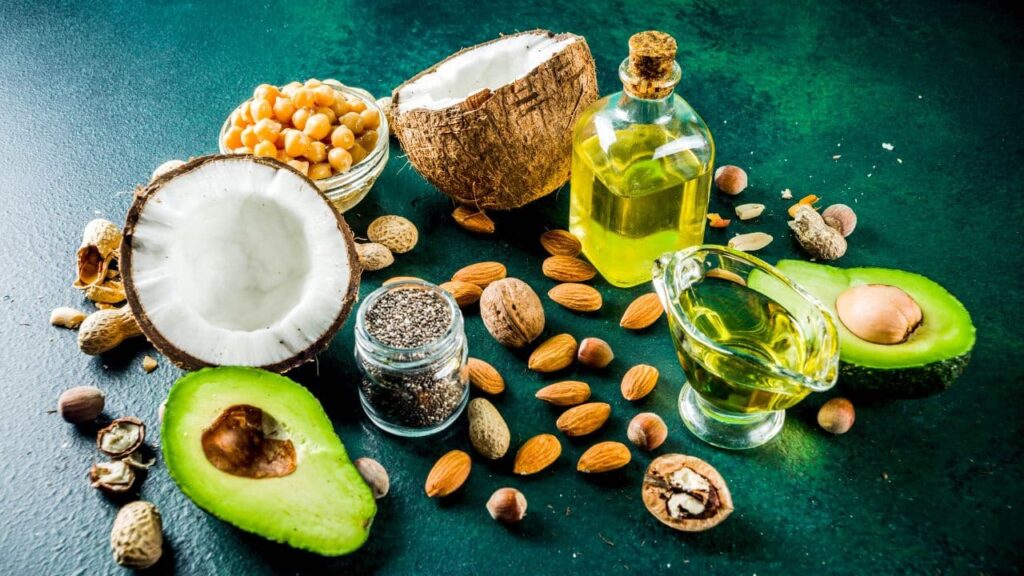
Healthy fats also play a vital role in heart health. They can help lower bad cholesterol levels (LDL) and raise good cholesterol levels (HDL), reducing the risk of heart disease and stroke. Omega-3 fatty acids, found in fish like salmon and flaxseeds, are particularly beneficial for reducing inflammation and supporting cardiovascular health.
Calcium-Rich Foods
Bone health becomes more important as we age. Taking a tumble can be more problematic, as we don’t bounce back up the way we used to. Bones are more brittle and susceptible to breaking. To combat this, we need more calcium-rich foods.
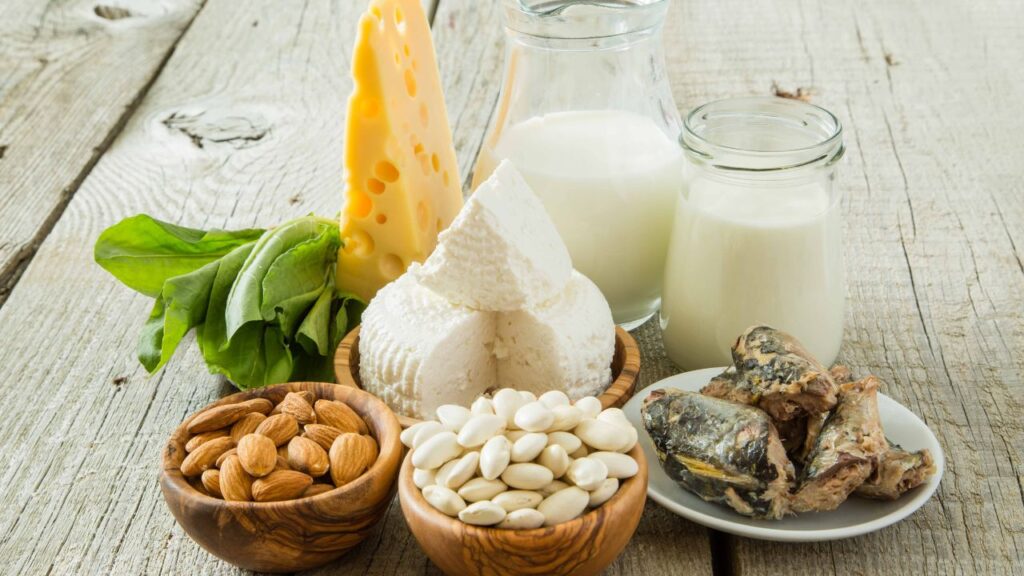
Dairy products like milk, cheese, and yogurt are excellent sources of calcium, but don’t forget about leafy greens like kale and broccoli, as well as fortified foods such as cereals and plant-based milks.
Vitamin D Intake
Get out in the sun. It’s crucial to get your daily dose of vitamin D. As we age, our skin becomes less efficient at producing vitamin D from sunlight, making it even more important to be mindful of our intake. Vitamin D is essential for calcium absorption, ensuring our bones stay strong and reducing the risk of osteoporosis and fractures.

Getting enough vitamin D is about more than just bone health. It also supports immune function, reducing the risk of infections and chronic diseases. A review published in the Journal of Aging and Gerontology found that low vitamin D levels are linked to diseases like diabetes, hypertension, and certain cancers.
Limit Processed Foods
When we’ve had a busy day, it is tempting to order takeout. Avoid the temptation, as takeout often contains high levels of unhealthy fats, sugars, and sodium.
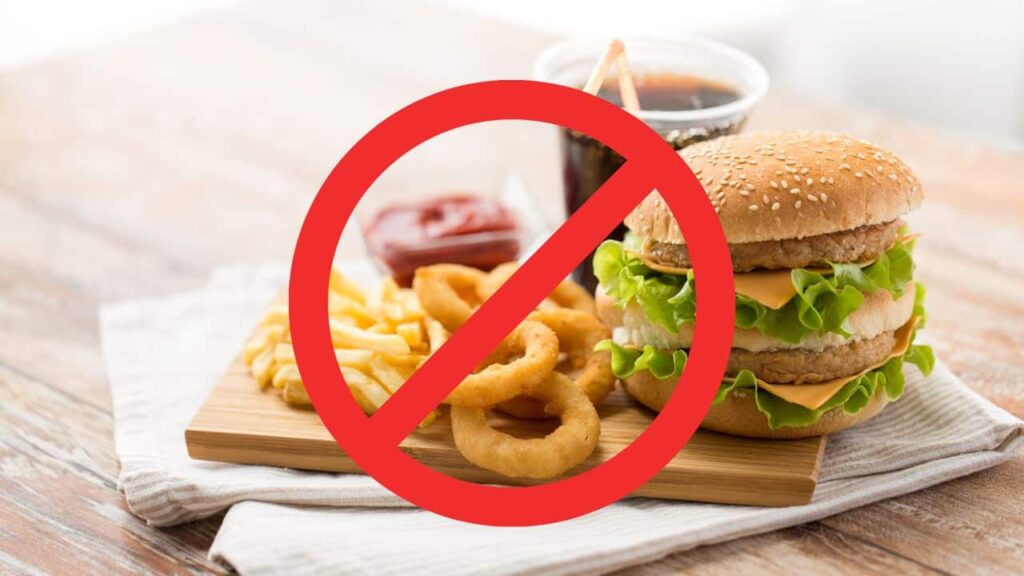
Processed foods are typically stripped of essential nutrients and fiber during manufacturing, so you’re missing out on the good stuff your body needs.
Moderate Alcohol Consumption
Most of us enjoy a glass or two of wine or a cold beer. I live in France, and having a glass of wine with your meal is practically obligatory. However, the older we get, the harder it is for our bodies to deal with excessive alcohol consumption.

Reduced liver function means alcohol stays in our system longer, potentially leading to higher blood alcohol levels and increased sensitivity to its effects.
Moderation is the name of the game. According to health guidelines, this typically means up to one drink per day for women and up to two drinks per day for men.
About this article: Our health articles are based on published studies and advice from experts such as physiotherapists and dietitians, and the sources are linked in the article.
Disclaimer: The content in this article is for informational purposes only and is not intended to replace professional medical or nutritional advice. Always consult your doctor or a registered dietitian before making significant changes to your diet, particularly if you have a health condition, a food allergy, or take medication. This article may contain affiliate links.
Become a Lifestyle Library Insider
Health tips, money know-how, travel deals and garden ideas for life after 50, straight to your inbox.

Kylie Lang is a nationally syndicated travel journalist with bylines on the Associated Press Wire & more, a lifestyle writer, and the founder and editor of Your Lifestyle Library (yourlifestylelibrary.com). She holds a BA (Honours) in History from the University of Kent and is a member of the British Guild of Travel Writers.