
There is something wonderfully therapeutic about gardening. Now I’m not at retirement age yet, but I’m definitely starting to slow down a tad and taking time to smell the roses, so to speak. My life doesn’t run at a hundred miles an hour anymore.
And one of my favorite things to do, a way to relax and zone out for a while, is to get in the garden. Since moving to France, gardening has been my chill-out place. I’ve got a veggie patch and have really enjoyed breathing new life into what was once a bit of a wilderness.
It’s become my sanctuary, and I can’t wait to get out there and spend a few hours digging, weeding, planting, pruning, and just simply enjoying being one with nature.
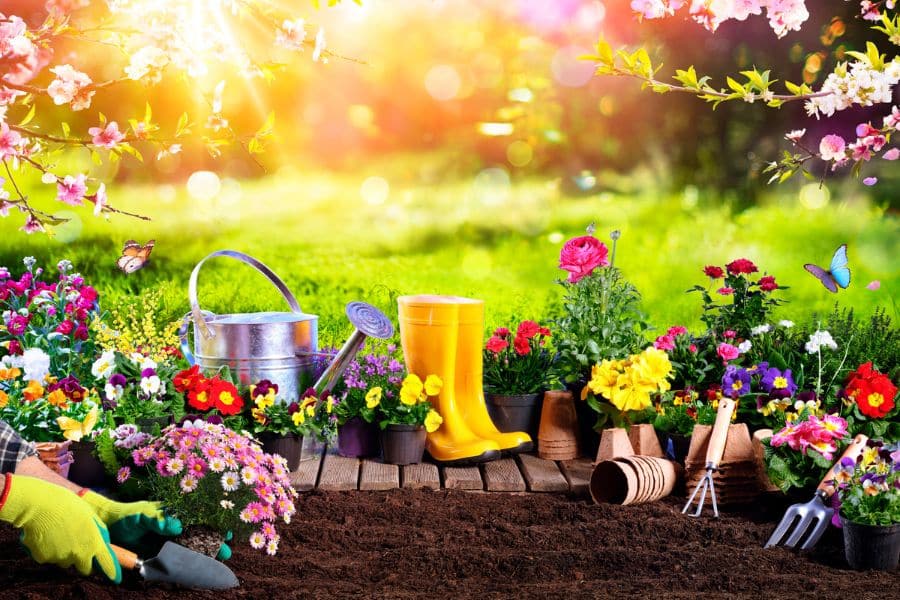
9 Reasons Scientists Believe Gardening Is the #1 Hobby for Retirees
Scientists have been studying the effect of gardening on retirees for years, and the results are pretty remarkable. Research shows that regular gardeners report better cardiovascular health, lower rates of chronic disease, improved mental well-being, and even reduced mortality risk compared to people who don’t garden.
It’s true. Gardening does things for your body, mind, and overall well-being that most hobbies simply can’t match. It’s exercise without feeling like a chore, therapy without the couch, and purpose without the pressure.
No. 1 Good Form of Exercise
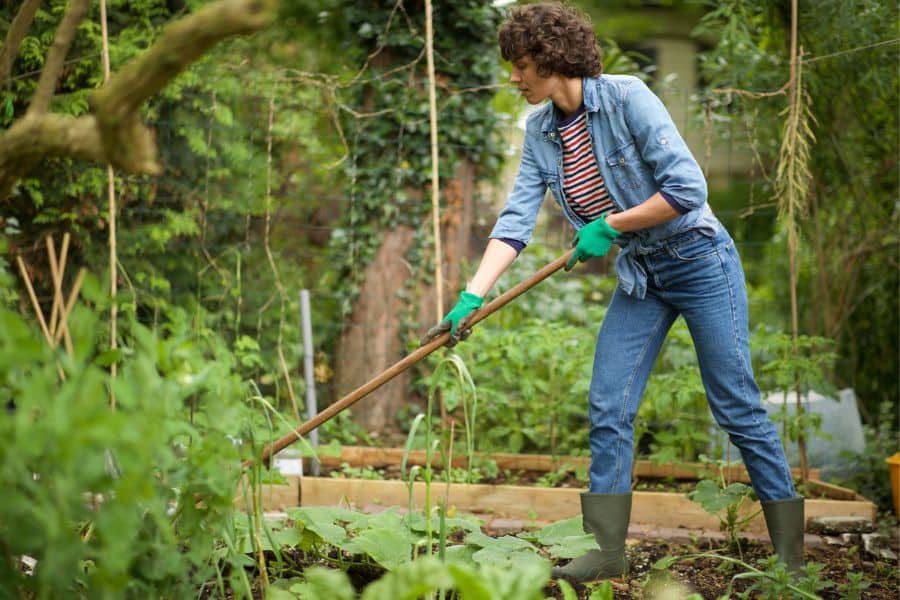
Top of the list has to be fitness. Gardening gets you moving in ways you don’t always notice. Digging beds works your arms and core. Planting involves squatting and standing repeatedly, which builds leg strength. Raking leaves, hauling bags of compost, and pushing a wheelbarrow loaded with soil provide genuine resistance training without a single dumbbell in sight.
The movements vary constantly. One minute you’re bending to pull weeds, the next you’re reaching overhead to prune a branch. This constant shifting between positions keeps different muscle groups engaged and prevents repetitive strain from doing the same motion over and over.
What makes it particularly effective is that you can garden at your own pace. Some days you might spend three hours creating a new flower bed, which I love doing. Other days, all you’ll do is water the garden. Your body dictates the intensity, and there’s no pressure to keep up with anyone else or hit some arbitrary fitness goal.
The time passes quickly. Unlike a treadmill, where you watch the clock, gardening makes hours disappear. You look up and realize you’ve been on your feet for two hours, moving, lifting, and working, and somehow it feels more like play than exercise.
No. 2 Reduces Stress

Something about having your hands in soil makes problems feel smaller. When I feel stress mounting, it’s my favorite place to be. The act of planting, weeding, and tending plants creates a focused calm that pushes stress into the background. Cortisol levels, your body’s primary stress hormone, drop significantly during gardening activities.
A Dutch study published in the Journal of Health Psychology found that 30 minutes of gardening led to significantly greater decreases in cortisol than 30 minutes of indoor reading, and that gardeners’ positive mood was fully restored, whereas readers’ moods continued to deteriorate.
Nature itself plays a role. Being surrounded by green, growing things triggers physiological responses in your body that promote relaxation. Your heart rate slows slightly, and your breathing deepens. The visual stimulation of plants and flowers activates parts of your brain associated with pleasure and contentment.
The routine helps too. Gardens follow predictable rhythms. Spring means planting, summer means maintenance, fall means harvest and cleanup. These cycles provide structure and anticipation that can be deeply soothing, particularly when other aspects of life feel uncertain or unstructured.
No. 3 Lifts Your Mood

Gardening makes me happy, and I think it’s because you get tangible results you can see and touch, and that visibility matters for your mental state. You plant a seed, and weeks later, there’s a tomato plant. You prune a rose bush, and it blooms more abundantly. This direct cause and effect relationship provides a sense of accomplishment that feels increasingly rare in modern life.
The physical activity releases endorphins, your brain’s natural mood elevators. Combined with sunlight exposure, which boosts serotonin production, you’re essentially giving yourself a natural antidepressant cocktail every time you head outside.
No. 4 Cardiovascular Boost
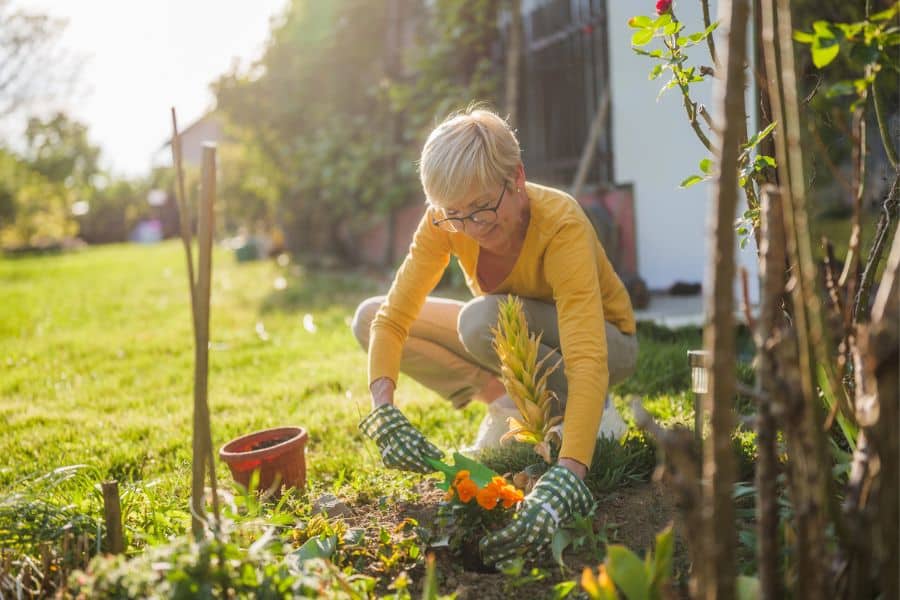
The sustained physical activity of gardening keeps your heart working at a moderate intensity for extended periods. Tasks like digging, raking, and pushing a mower elevate your heart rate into the aerobic zone, similar to a brisk walk but without the monotony of circling the neighborhood for the third time this week.
Studies have found that regular gardeners have lower blood pressure and better cholesterol profiles than their non-gardening counterparts. The combination of moderate cardio exercise, stress reduction, and time spent outdoors creates a perfect storm of heart-healthy benefits. You’re essentially doing prescribed cardiac rehab without realizing it.
The intermittent nature of the work helps too. Gardening naturally includes periods of higher intensity activity, digging or hauling, followed by gentler tasks like watering or planting. This interval pattern is ideal for cardiovascular health, keeping your heart adaptable and strong without overwhelming it.
No. 5 Helps You Sleep
Physical exhaustion from a day in the garden creates the kind of tiredness that leads to deep, restorative sleep. Not the wired exhaustion that comes from stress, but the pleasant fatigue that settles into your muscles. Your body has worked, and now it’s ready to recover.
The exposure to natural light regulates your circadian rhythm. Time outside during daylight hours, particularly in the morning, helps set your internal clock. Your body produces melatonin more efficiently at night, and you fall asleep more easily because your biological systems know what time it is.
The mental calm that follows gardening carries into the evening. Unlike scrolling through social media or watching the news, which stimulates your nervous system right before bed, gardening leaves you genuinely relaxed. Your mind isn’t racing through worry loops because you’ve spent hours focused on tangible, manageable tasks.
Many gardeners report that planning their garden becomes a pleasant replacement for anxious thoughts at bedtime. Instead of worrying about things you can’t control, you think about where to plant next year’s dahlias or whether that shady corner needs hostas.
No. 6 Daily Dose of Vitamin D
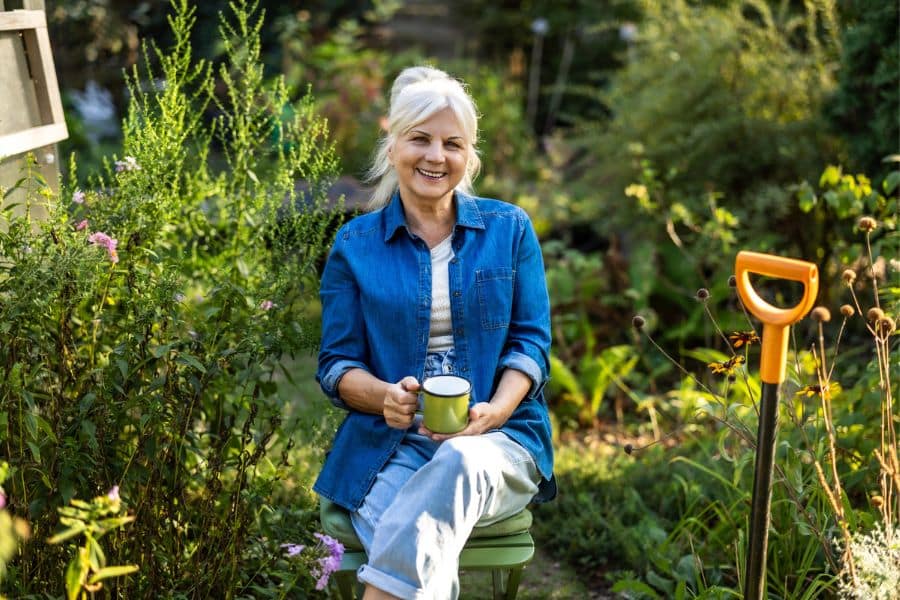
Spending time outdoors gardening gives your body the sunlight it needs to produce vitamin D naturally. Even on cloudy days, enough UV light penetrates to trigger vitamin D synthesis in your skin. This matters more as you age, when your body becomes less efficient at producing and using this crucial nutrient.
Vitamin D affects far more than just bone health, though stronger bones are certainly part of the benefit. Adequate vitamin D levels support immune function, reduce inflammation, and help regulate mood. Deficiency has been linked to everything from increased infection risk to depression, making those hours outside valuable for reasons that extend well beyond the garden itself.
The regular exposure adds up. You don’t need to sunbathe for hours; consistent moderate exposure while you work provides steady vitamin D production without the skin damage risk of prolonged direct sunlight. Morning and late afternoon gardening sessions give you the benefits while avoiding the harshest midday rays.
For many older adults who spend most of their time indoors, particularly during winter months, gardening season becomes their primary source of vitamin D. That shift from artificial light to natural sunlight affects energy levels, sleep quality, and overall health in ways that supplements alone struggle to replicate fully.
No. 7 Focuses the Mind
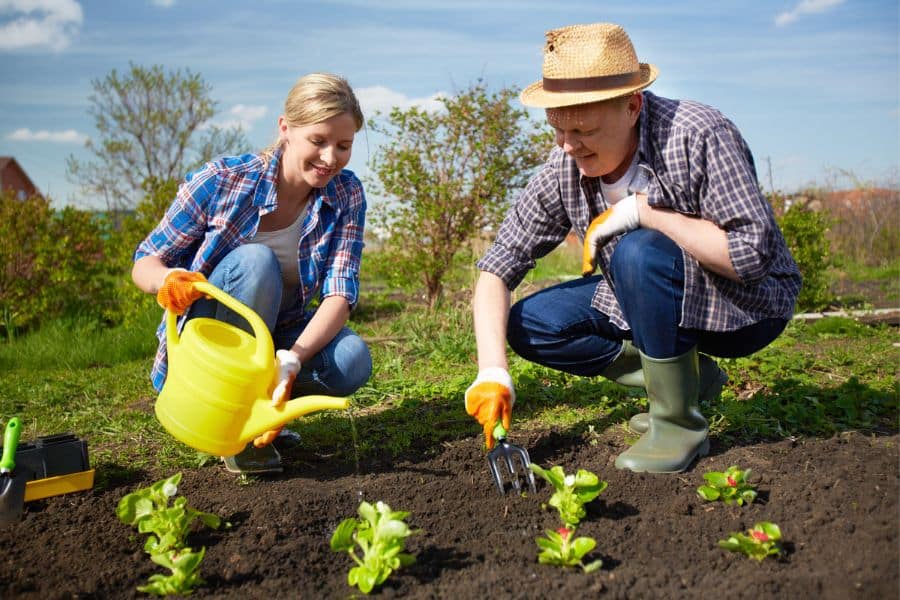
Gardening requires planning and problem-solving that keeps your brain active and engaged. You need to remember which plants need full sun versus shade, when to prune different species, and how much water various vegetables require.
The decisions never stop. Should you start tomatoes from seed or buy transplants? Does that drooping leaf mean too much water or not enough? Will the early peas survive a late frost? Each choice requires you to gather information, consider options, and make judgment calls based on experience and observation.
Pattern recognition becomes second nature. You learn to identify disease symptoms, recognize beneficial insects versus pests, and spot subtle changes in plant health before major problems develop. This detailed observation sharpens your attention and trains your brain to notice small variations that others might miss.
A 2024 study analyzing data from 136,748 adults found that gardeners had 28% lower odds of subjective cognitive decline and 43% lower odds of cognitive-related functional limitations compared to non-exercisers, suggesting gardening may help protect against dementia.
No. 8 Reconnecting With Nature

Gardens put you back in touch with natural cycles that modern life tends to obscure. You watch seeds germinate, plants grow, flowers bloom, and crops ripen. These processes happen at their own pace, teaching patience and reminding you that not everything operates on human timelines. Some things simply take the time they take.
I actually enjoy getting my hands grubby and connecting with the soil. There’s something very primitive about getting close to nature, and it does me the world of good. It creates a sense of natural order, and you just feel happy.
Birds, bees, butterflies, and beneficial insects visit your garden, creating a small ecosystem that operates according to its own logic. Watching these interactions, seeing how everything connects, provides a perspective that’s increasingly rare in climate-controlled, digitally mediated modern life.
The sensory experience grounds you. Soil has texture and smell, flowers release fragrance, and the rain sounds different falling on leaves than on concrete. These physical sensations create memories and emotional connections that screen time simply cannot replicate, no matter how high the resolution.
No 9. A Reason for Being

Retirement can feel disorienting when decades of work structure suddenly disappear. Gardening fills that void naturally. Plants need regular care on a schedule that gives your days shape and purpose. There are always tasks waiting, seasonal projects to plan, and improvements to make. The garden needs you, and that need matters.
Unlike work obligations that came with stress and pressure, caring for plants provides purpose without anxiety. If you miss a day of watering, you can make up for it tomorrow. The flexibility, combined with genuine need, creates an ideal balance.
Gardening gives you something to look forward to throughout the year. Spring planting, summer harvests, fall cleanup, winter planning. The anticipation builds across seasons, creating natural milestones that mark time in satisfying ways.
Many gardeners describe their plots as legacy projects, something they’re building and improving over the years. That long-term investment, knowing that next year’s garden will benefit from this year’s work, provides a sense of continuity and meaning that extends beyond the immediate moment.