
Turning fifty changes how you think about a lot of things, and exercise is one of them. I used to throw myself into workouts like I was still in my twenties, chasing that sweaty, exhausted feeling that made me believe I was doing something good for my body. Then my knees started aching after runs, my hips felt stiff the next morning, and I realized that what used to feel empowering now sometimes felt like punishment.
The truth is, midlife fitness isn’t about slowing down. It’s about getting smarter. Our bodies still respond beautifully to movement, but they also need more care and consideration than they did decades ago. Pushing through pain, ignoring those subtle warning signs, or following the same workout plan you did in your thirties can quietly wear down your joints before you even notice.

7 Exercise Trends You Should STOP Doing
These seven common exercise mistakes can do more harm than good at this stage of life. They’re the ones I’ve either made myself or seen countless friends make, often with the best intentions. The good news is that every one of them has an easy fix.
However, it’s important to take note of the implications. According to data from the American Academy of Orthopaedic Surgeons, knee replacements in adults aged 45 to 64 jumped by 188 percent between 2000 and 2009. Hip replacements rose by 123 percent in the same age group during that time.
That’s scary stuff, as these surgeries were once considered something people faced in their seventies or eighties, but are now becoming increasingly common for those still in midlife. But, as with everything, there are preventative steps you can take, and knowledge is power.
My daughter, Summer, was a competitive figure skater for years, and strength and conditioning training was a daily part of her training. When she turned professional, she completed her fitness training exams to become a qualified personal trainer. I now benefit from all her wisdom.
Pounding Pavements Without the Right Support

Most of us run because it’s easy, and you don’t need any equipment. You lace up, step outside, and get moving. It’s free, it’s convenient, and for many people, it’s been their go-to workout since their twenties.
The hidden risk after fifty is that your joints aren’t as resilient as they used to be. Cartilage naturally wears down over time, and the shock-absorbing pads under your knees and hips don’t have the same bounce they once did. Repeated impact on unforgiving surfaces like concrete or asphalt can put significant stress on those joints, leading to inflammation, irritation, and eventually long-term damage.
If the muscles supporting your knees, hips, and ankles are weaker than they were a decade or two ago, that impact hits even harder. What started as an easy way to stay active can quietly become a source of chronic pain.
There are a few signs that pavement running might be doing more harm than good:
- Persistent knee, hip, or ankle pain that doesn’t ease with rest
- Stiffness or swelling after running
- A grinding or clicking sensation in the joints
- Pain that appears sooner or lasts longer with each run
Summer’s Top Tips For What To Do Instead
You don’t have to give up running, but you might need to rethink how you do it. Choosing softer surfaces, such as grass, trails, or a track, reduces the repeated stress on your joints. Investing in high-quality, cushioned running shoes and replacing them regularly helps absorb impact, too.
Cross-training with low-impact workouts such as swimming, cycling, or walking on rest days builds strength without the extra pounding. And if running still matters to you, keeping distances shorter and focusing on proper form can help you keep moving comfortably well into the decades ahead.
The Spin Class Mistake That Wrecks Your Knees

I love a good spin class for shedding weight fast, although now I live in the middle of rural France, there isn’t a gym near me, so I don’t do it anymore. I’ve swapped these classes for a leisurely ride in the countryside on my gorgeous vintage pushbike, complete with a wicker basket. It’s much more sedate and way easier on the joints.
The problem with spin is that many people jump on the bike, crank up the resistance, and start pedaling without ever adjusting the seat or handlebars. It doesn’t feel like a big deal in the moment, but that small oversight can quietly wreak havoc on your knees over time.
The hidden risk at this stage of life is that joint alignment matters more than ever. Your knees rely on precise tracking to stay healthy, and if the seat is too low or too far forward, you’re forcing them into an unnatural range of motion with every pedal stroke.
Watch for these warning signs if you’re a regular in the spin studio:
- A dull ache at the front or inside of the knee after class
- Stiffness that lingers the next morning
- Pain when climbing stairs or getting up from a chair
- A grinding or popping sensation when bending the knee
Summer’s Top Tips For What To Do Instead
Before you start pedaling, spend a few minutes properly setting up your bike. Your seat should be high enough that there’s a slight bend in your knee at the bottom of each pedal stroke, and your knee should align directly above the ball of your foot when the pedals are horizontal.
Handlebars set too low can put pressure on your hips and lower back, so adjust them to a comfortable height that lets you maintain good posture. Finally, resist the urge to max out resistance on every climb. Focus on smooth, controlled movement rather than brute force.
Pushing Too Deep Before Your Joints Are Ready
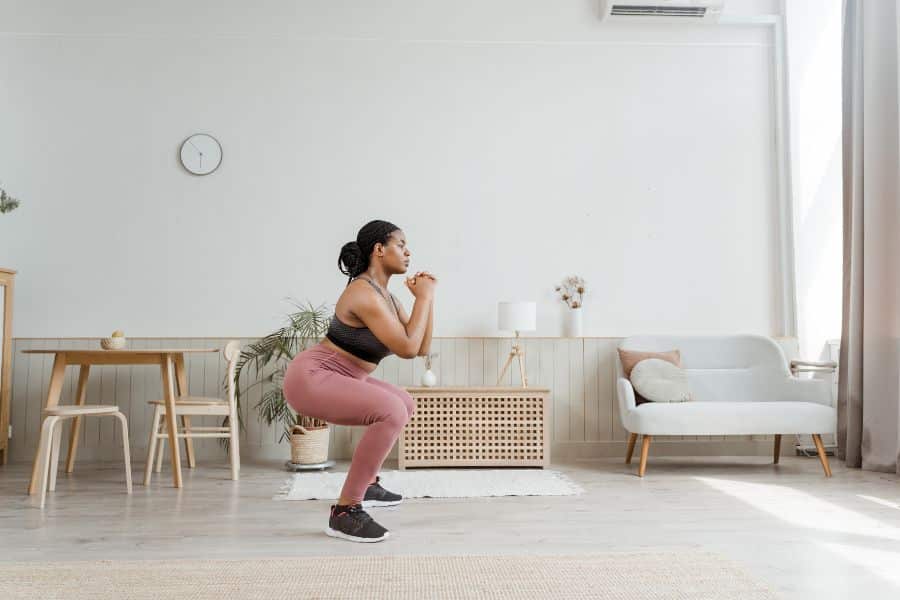
I’ve always included squats in my workout routines, but there is definitely a right way and a wrong way to do them. My daughter, the personal trainer, is always correcting me.
The issue is that deep squats place a lot of pressure on the knees and hips, especially if your flexibility isn’t what it used to be. With age, tendons tighten and cartilage thins, which means the joint doesn’t have the same natural cushion or range of motion it once did.
Forcing a deep squat when your body isn’t ready can strain the ligaments, aggravate existing wear, and even speed up joint deterioration. It’s not about how low you can go, but how well your body can control the movement.
Pay attention to signs that your squats might be too ambitious:
- Sharp pain or pinching in the knees or hips during or after squatting
- Difficulty getting back up from the bottom position
- A sense of instability or wobbling as you rise
- Lingering stiffness that makes walking or climbing stairs uncomfortable
Summer’s Top Tips For What To Do Instead
Instead of chasing depth, focus on quality. Start with squats that go only as low as you can manage without pain or loss of control. Incorporate mobility exercises to improve hip and ankle flexibility, gradually increasing your range over time.
Adding strength work for your glutes, hamstrings, and core will also help stabilize the movement and take pressure off the knees. And if bodyweight squats feel good, keep them in your routine rather than loading up a barbell just for the sake of it. Slow progress and strong form will do far more for your joints than any one deep rep ever will.
Lunging Your Way Into Pain
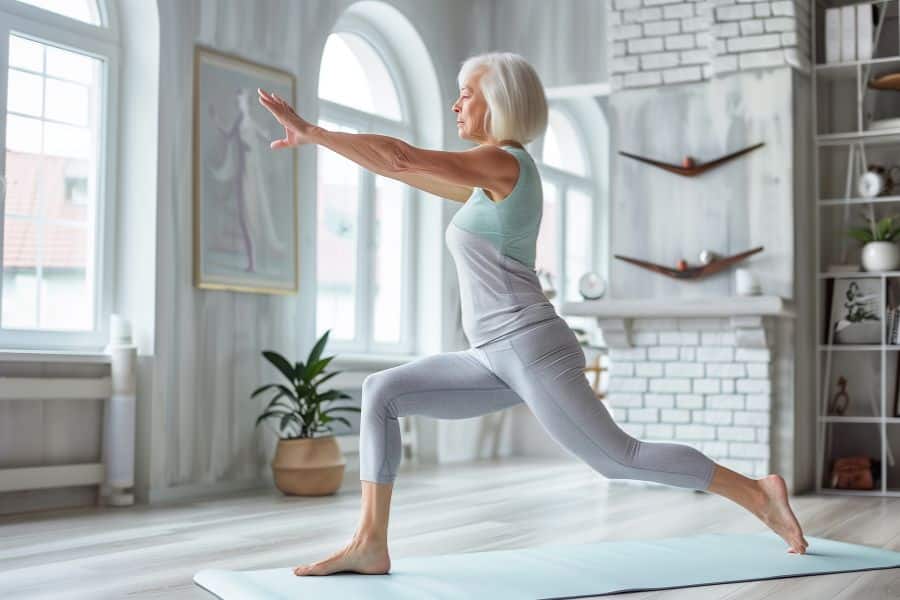
Lunges are one of those classic exercises most of us have done at some point. They’re simple, require no equipment, and target all the right muscles. But they also demand balance, stability, and good technique, which can become trickier as you get older. When done repeatedly on hard floors or with sloppy form, lunges can quickly turn from a reliable strength move into a recipe for knee and hip trouble.
The main problem is how much force travels through the front leg when you step forward. If your stride is too long or your knee drifts past your toes, the joint absorbs more stress than it’s built to handle.
Add in tight hip flexors or weaker stabilizing muscles, both common after fifty, and the movement becomes even more demanding. Over time, that extra strain can lead to inflammation, tendon irritation, or even minor tears, which can set back your progress.
Watch for these warning signs that your lunges might be working against you:
- Aching or sharp pain at the front of the knee
- Discomfort that appears during the movement and lingers afterward
- Swelling or warmth around the joint
- A wobbly or unsteady feeling with each step
Summer’s Top Tips For What To Do Instead
Switching to reverse lunges can reduce the pressure on your front knee and give you more control. You can also shorten your stride or use a support, such as a chair or a wall, to help with balance until your strength improves. Doing lunges on softer surfaces, such as a mat or grass, further reduces impact.
And remember, slower is better. Controlled movement engages the right muscles and keeps unnecessary stress off the joints, letting you build strength without the painful aftermath.
Turning Every Workout Into a Race

I am competitive by nature, whether it’s playing a game of Monopoly or challenging myself to complete my walk faster than I did the day before. I can’t help it, it’s in my nature. However, it seems in some cases, this might be doing me more harm than good. A little drive can be motivating, but constantly training at maximum effort can do more harm than good once you’re in your fifties.
The body’s recovery process naturally slows with age. Muscles take longer to repair, tendons become more sensitive to overuse, and joints need extra time between intense sessions. When you ignore those signals and keep pushing at full speed, the result is often inflammation, fatigue, and a higher risk of repetitive strain injuries. Even worse, you might not notice the damage building until it sidelines you completely.
There are a few red flags that suggest you’re overdoing it:
- Persistent soreness that lasts more than a couple of days
- A noticeable dip in energy or performance
- Trouble sleeping or unexplained irritability
- Increased aches in your knees, hips, or lower back
Summer’s Top Tips For What To Do Instead
Think of your workouts as a long-term strategy rather than a short-term competition. Build in slower, steady-paced sessions to balance out the harder ones, and give your body enough rest to adapt and strengthen. Prioritizing active recovery, like walking, yoga, or stretching, can also make a huge difference. Most importantly, listen to how you feel instead of chasing the clock. Consistency will serve your body far better than constant intensity ever could.
Overhead Swings That Overload Your Shoulders
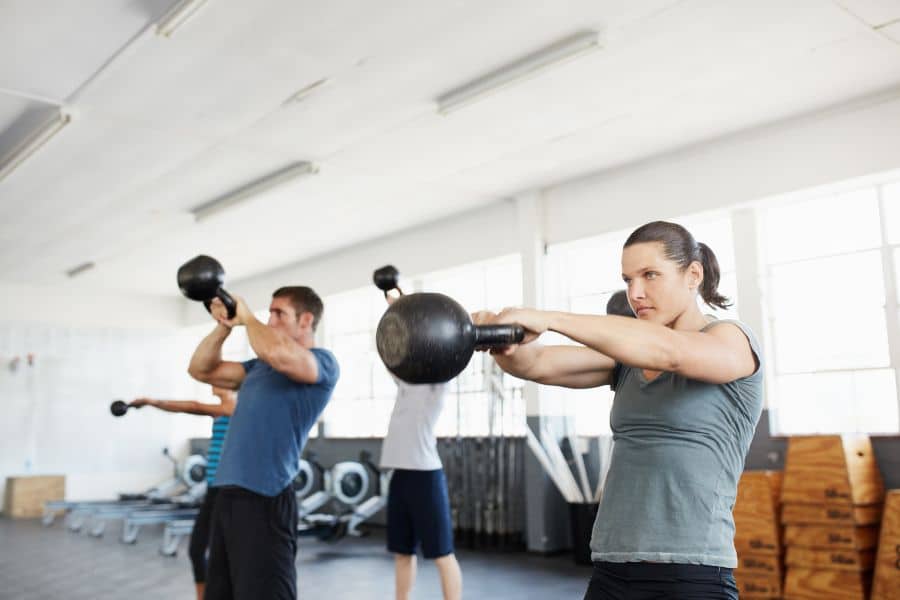
This one definitely applies to me. I have a set of kettlebells at home and have always included this exercise in my gym workouts, even though I now have a home gym. The problem is that the popular overhead version, where the weight travels all the way above your head, places far more strain on the shoulders than most realize.
If you’re in your fifties and your mobility isn’t what it used to be, that extra reach can put the joint in a vulnerable position. The shoulder is a complex joint with a wide range of motion, but it also relies on strong supporting muscles to stay stable. Overhead swings can push it beyond a safe range, especially if your posture is off or the weight is too heavy.
That combination can irritate the rotator cuff, pinch nerves, or trigger inflammation that lingers long after the workout ends. Once shoulder pain sets in, even simple daily tasks like lifting groceries or reaching into a cupboard can become uncomfortable.
Keep an eye out for these warning signs:
- A dull ache or sharp pain at the front or side of the shoulder
- Reduced range of motion or difficulty lifting your arm
- Tingling or numbness radiating down the arm
- Pain that worsens when reaching overhead or behind you
Summer’s Top Tips For What To Do Instead
Swap the overhead swing for a traditional Russian kettlebell swing, which stops at shoulder height. It still works your hips, glutes, and core, but without the excessive pressure on your shoulders. If you love overhead work, start with exercises that improve shoulder strength and stability, like controlled presses or band pull-aparts.
And never sacrifice form for a heavier kettlebell. Smooth, controlled movement will always be safer and more effective than brute strength.
Leg Day’s Silent Knee Killer
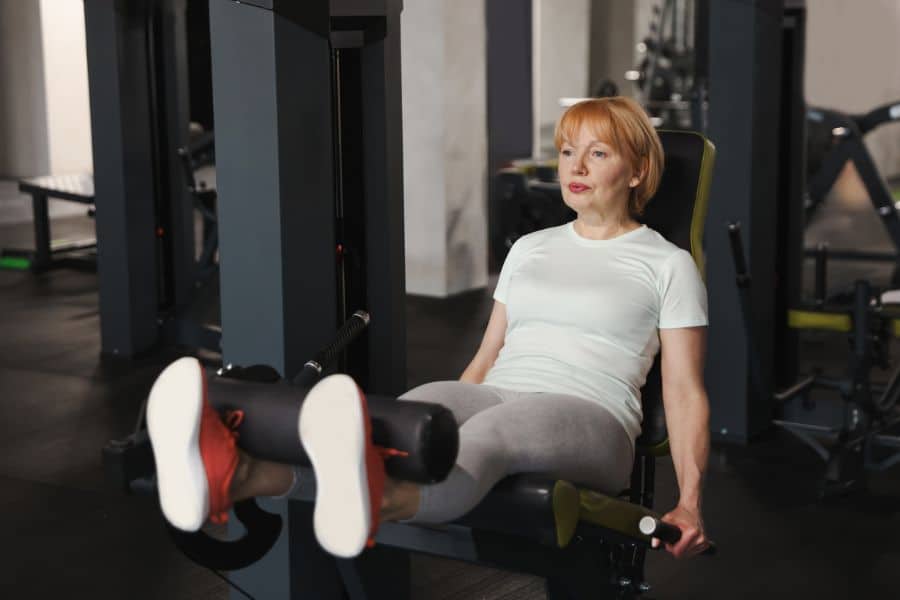
A couple of years ago, we invested in a home multi-gym, and it has a seat with a couple of ways to do leg exercises, including extensions. The movement feels easy to control, so it’s tempting to load up the weight and go hard. But for people in their fifties, this exercise can put a lot of unnecessary pressure on the knees.
The problem lies in how the machine isolates the knee joint. Unlike natural movements like squats or step-ups, leg extensions don’t engage the surrounding muscles as much. That isolation means the force of the weight travels directly through the front of the knee, which can irritate tendons and strain the ligaments that help stabilize the joint. Over time, this can lead to pain, swelling, or even longer-term wear that affects how comfortably you move day to day.
Pay attention to these signs that leg extensions might be doing more harm than good:
- Pain or discomfort at the front of the knee during or after your workout
- Swelling around the joint or a feeling of heat
- A sharp twinge when you straighten your leg against resistance
- Knees that feel weaker or less stable over time
Summer’s Top Tips For What To Do Instead
Choose compound movements that strengthen the quads while also engaging the supporting muscles around the knee. Step-ups, wall sits, or controlled bodyweight squats distribute the load more evenly and reduce joint stress.
If you still want to include leg extensions, keep the weight light and use them as a finishing move rather than the main event. That small adjustment can protect your knees while still building the strength you’re aiming for.
Disclaimer: The information in this article is for educational and informational purposes only and is not intended as medical advice. Everyone’s body and health history are different, and exercise needs can vary widely. Always consult with your doctor, physical therapist, or a qualified healthcare professional before starting or changing any fitness routine, especially if you have existing injuries, joint issues, or other medical conditions.
Disclaimer: The content in this article is for informational purposes only and is not intended to replace professional medical advice, diagnosis, or treatment. Always consult your doctor, physical therapist, or healthcare provider before starting a new exercise program, particularly if you have existing joint, cardiovascular, or balance conditions.
Disclaimer: This article is for general information only and is not professional advice. It may contain affiliate links. Please see our full Editorial Policy for details.

Kylie Lang is a nationally syndicated travel journalist with bylines on the Associated Press Wire & more, a lifestyle writer, and the founder and editor of Your Lifestyle Library (yourlifestylelibrary.com). She holds a BA (Honours) in History from the University of Kent and is a member of the British Guild of Travel Writers.