
It’s very easy to get sucked in by so called money saving travel hacks. I know, because I’ve fallen for many of them myself. As a travel journalist, I spend a lot of time traveling, as you’d expect. I’ve tried every trick in the book to save money on my journeys while still making them enjoyable and stress-free.
Some have been excellent tips, while others have been absolute howlers. Instead of saving me money, they’ve done the opposite. I’ve wasted my precious cash on travel hacks that purport to help me spend less on getting to where I’m going, so I can spend more on my vacation.
Hmm…not the smartest move, it turns out.
So, which are the good tips to take notice of and which ones should you avoid like the plague?

8 Travel Hacks that Don’t Save You Money
Before you follow another “budget-friendly” tip you saw online, take a moment to think twice. These common hacks might sound clever, but they’re far more likely to drain your wallet than help it.
Trusting Travel Influencers to Pick Your Hotel
We’ve all been there, scrolling through Instagram and spotting that picture-perfect hotel with infinity pools and dreamy views. It looks like the ultimate stay, and because your favorite travel influencer raves about it, you’re ready to book. The problem? That glowing review often isn’t entirely objective.

Many influencers are paid to promote hotels or receive free stays in exchange for coverage, so their recommendations may have more to do with partnerships than genuine experience. I’ve done it myself, although I always say it’s a sponsored post and that I’ve been paid —if I have.
The problem is not what they tell you but what they don’t tell you. That “must-stay” hotel that looked incredible online could turn out to be overpriced, noisy, and nowhere near as luxurious as promised. Influencer posts rarely mention downsides, like hidden resort fees, poor service, or inconvenient locations, that can quickly turn a dream stay into an expensive regret.
It’s fine to use influencer content for inspiration, but always do your own research before committing. Check independent reviews, compare prices on different booking sites, and look at candid traveller photos rather than curated content. Your wallet (and your vacation) will thank you.
Choosing Airbnb, Thinking It’s Always the Cheaper Option
I used to think booking an Airbnb was the smartest way to save money on a trip. No front desk fees, no overpriced minibar, and often a kitchen so you could cook instead of eating out. But over time, I learned that the numbers don’t always add up the way you think they will.

Two years ago, I booked an Airbnb for a long weekend in the Dordogne to celebrate my wedding anniversary. The nightly rate was much lower than the hotels nearby, but once the service and cleaning fees were added, it was actually more expensive. Plus, we were in the middle of nowhere, and the ‘close to town’ listed in the description was 8 miles away.
Airbnbs can be wonderful, but they’re not always the bargain they appear to be. Always check the final price after fees, compare it with hotel deals in the same area, and consider the cost of the location. Sometimes a hotel with breakfast included and a central address is not just easier but cheaper too.
Believing ‘Incognito Mode’ Unlocks Better Flight Deals
Airlines supposedly hike up prices if they see you searching the same route repeatedly, so browsing privately would guarantee the lowest fare. I used to swear by it. Laptop open, browser set to private, I was confident I was about to score a deal.

Here’s the truth: it doesn’t really work that way. Airlines don’t raise prices based on your search history, and private browsing doesn’t give you access to hidden discounts. Flight prices change constantly because of demand, booking windows, and even the day of the week, not because you’ve checked a route twice. All incognito mode really does is hide your cookies, which has little to no impact on airfare.
If you want the best deal, focus on what actually matters. Be flexible with your travel dates, set up price alerts, and check a few different booking platforms before you commit. I’ve found that using an airline’s app often gets me cheaper fares. That’s how you save real money, not by hiding behind a private browser.
Snapping Up City Passes Without Doing the Maths First
I’ve always loved the idea of a city pass. Pay once, flash a card, and waltz into museums, galleries, and monuments without another thought. It seems like a smart way to save money, and when you’re excited about a new destination, it’s tempting to buy one before you’ve even packed your suitcase.
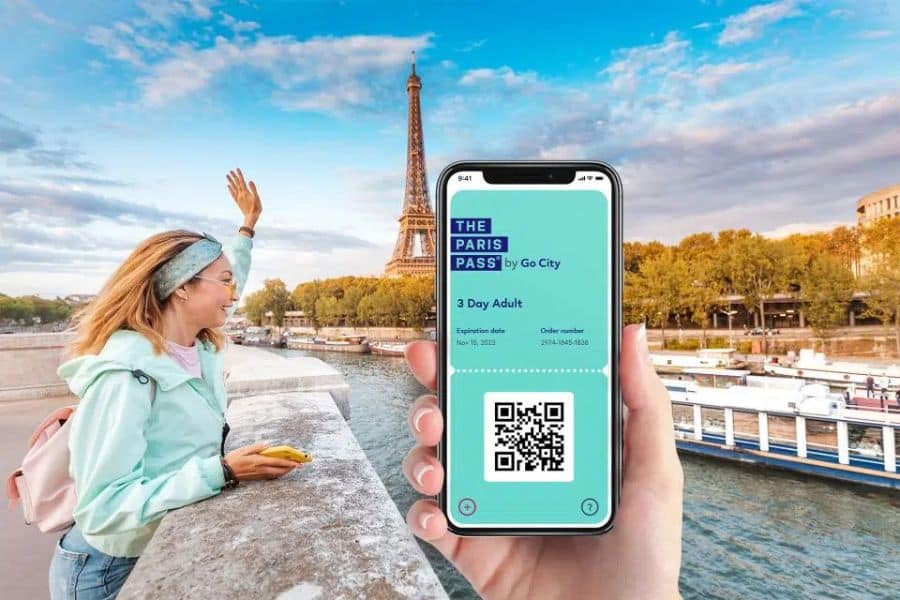
But I learned the hard way that those passes only make sense if you’re actually going to use them. On a trip to Paris, I bought a two-day city pass, convinced it would save me a fortune. In reality, I spent so much time wandering side streets, stopping for long lunches, and getting lost that I barely made it to any of the attractions it covered. I’d paid upfront for more than I ever used.
Before you buy, grab a notepad or open a calculator on your phone and work it out. List the places you truly want to see, and check how much each costs individually. If the total comes in below the pass price, skip it. It’s far better to pay as you go and actually enjoy the experience than rush around ticking off sights just to feel like you’ve gotten your money’s worth.
Falling for the ‘Budget Airline’ Bargain Trap
At first glance, the headline price looks unbeatable, and it’s easy to believe you’ve just scored a deal. But budget airlines are experts at making the total cost creep up fast. Once you add luggage fees, seat selection, priority boarding, and airport transfers, that “cheap” flight often ends up costing more than a full-service ticket.

Some carriers even charge for things you wouldn’t expect, like printing a boarding pass or using certain payment methods. And because many budget flights land at secondary airports far from the city, the extra cost of getting to your destination can quickly wipe out any savings.
The smartest approach is to look beyond the initial fare and calculate the full cost of the journey before you book. When you factor in everything you’ll realistically need, the best-value option is often not the cheapest ticket on the screen.
Letting Tourist Menus Dictate Where You Eat
It’s easy to fall into the trap of choosing a restaurant just because the menu is in English, the staff are waving you in, or there’s a sign promising a “special tourist menu.” On the surface, it feels safe and convenient. No language barrier, no surprises, and usually a fixed price that seems like a good deal.

But convenience often comes at a cost, and in this case, it’s usually the quality of the food and the value for your money. This is often the case in France, where I live. You never go to the tourist restaurants. Instead, you look for the hidden gems away from the crowd, where it’s all French people and no tourists. That’s where you get the best food and the best deals.
Tourist-focused restaurants often serve watered-down versions of local dishes that lack authenticity and are priced well above what locals would ever pay. They rely on foot traffic and location rather than reputation, so the experience can end up bland, overpriced, and forgettable.
Grabbing a Local SIM Without Understanding the Costs
Not all SIM deals are as good as they appear. Some come with high activation fees, short validity periods, or limited data that runs out far faster than expected. Others might not include international calls or roaming in neighboring countries, which means extra charges if you’re crossing borders during your trip. Even finding the right size SIM or getting it activated can come with surprise costs if you’re not prepared.

The best way to avoid being caught out is to research before you go. Check what your own provider offers for international travel, compare local SIM plans online, and read the fine print to understand exactly what’s included. A few minutes of planning can save you a lot of frustration and keep more money in your pocket.
Booking Return Flights Without Comparing One-Way Options
Booking a round-trip ticket feels like the most logical choice. But airlines rely on that assumption, and it’s not always the most cost-effective way to travel. In many cases, two one-way tickets on different carriers can end up cheaper, offer better flight times, or give you more flexibility with your plans.
Round-trip tickets also tend to lock you into a single airline, which might limit your options if schedules change or you decide to extend your stay. And if you only use one leg of the ticket, you usually lose the other, which means wasted money. The convenience of booking everything in one go can come at a price.
I usually book my Ryanair flights as two one-way trips, as it nearly always saves me money. It seems counterproductive, but if it saves me money, I’ll do it.
Disclaimer: The content in this article is for informational purposes only and is not intended as financial, investment, or tax advice. Always consult a qualified financial advisor or tax professional before making decisions about your money, investments, or retirement planning.

Kylie Lang is a nationally syndicated travel journalist with bylines on the Associated Press Wire & more, a lifestyle writer, and the founder and editor of Your Lifestyle Library (yourlifestylelibrary.com). She holds a BA (Honours) in History from the University of Kent and is a member of the British Guild of Travel Writers.