
As a fifty-something woman, I’m always on the lookout for quick and easy ways to reverse the signs of aging. I still work full-time as a writer, and my life is busy, so I don’t want to add too many complicated things to my already hectic schedule.
Part of my job as a writer is research, something I enjoy, as I’m always discovering new and interesting studies on health and wellness. And it turns out, the secret to younger-looking skin isn’t an expensive cream or supplement, but in some everyday foods most of us have in our fridge.
Recent scientific studies prove they actually reverse aging at the cellular level. Real, measurable changes to your skin, your energy levels, and how quickly your body ages.

9 Everyday Foods That Can Reverse Aging Quickly
These foods don’t need you to overhaul your entire life; just start adding them to your daily routine. I mean, who doesn’t want to live longer looking better?
Turmeric
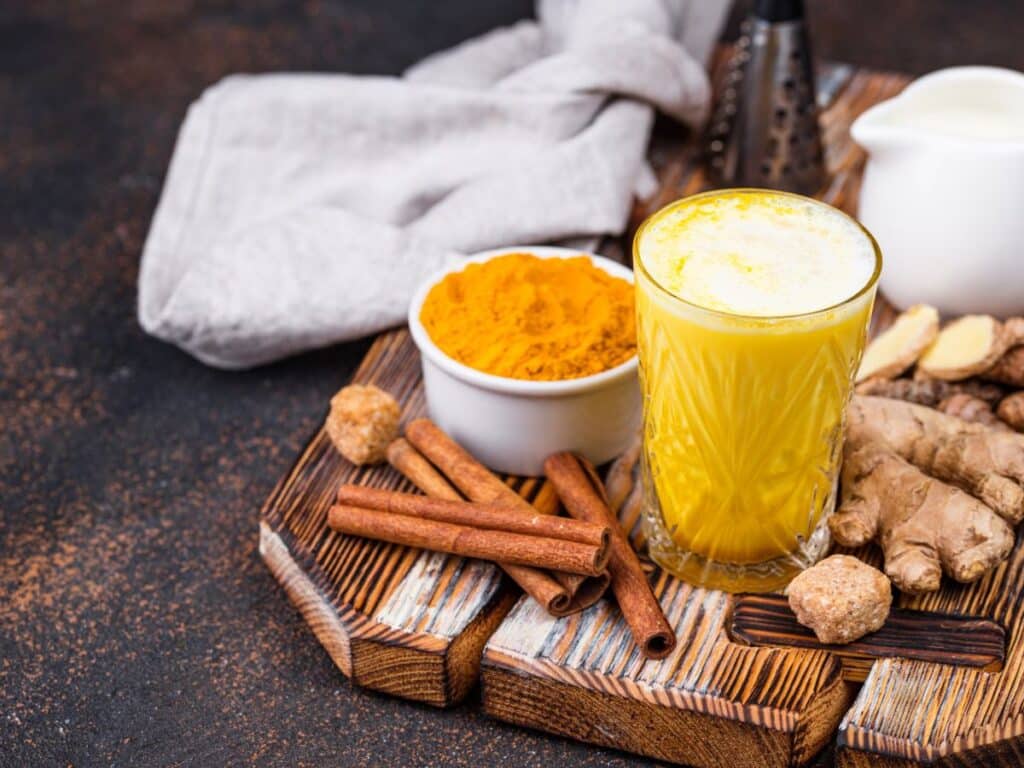
I’ve used turmeric with black cohosh pepper for a long time, as it’s really helpful for preventing the return of sciatica. But it’s always one of the most powerful anti-aging compounds.
Curcumin, the active ingredient in turmeric, demonstrated a remarkable ability to slow down aging in a 2024 study published in GeroScience. Researchers found that curcumin affects proteins involved in the aging process, including sirtuins and AMPK, while inhibiting pro-aging proteins like NF-κB.
Curcumin protects human dermal fibroblasts from UVA stress by preserving cellular integrity. It prevents sun damage that accelerates aging and helps maintain your skin’s ability to repair itself.
Add a teaspoon to scrambled eggs, stir it into soups and stews, or make golden milk by heating it with almond milk and a pinch of black pepper. The black pepper is crucial because it increases curcumin absorption by up to 2000%.
Greek Yogurt
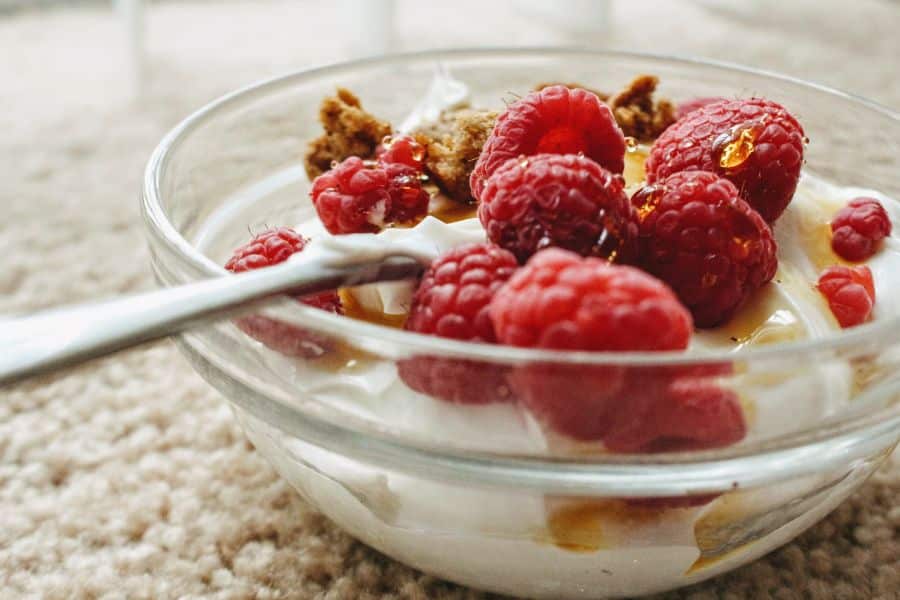
My mom has Greek yogurt every day and swears by it. She must be doing something right, as she’s now 88 and still going strong. It packs twice the protein of regular yogurt. A 2024 study published in Frontiers in Nutrition found that regular yogurt consumption was linked to slower phenotypic aging in over 4,000 participants. The research showed that yogurt eaters had biological markers indicating they were aging more slowly than their chronological age suggested.
Registered dietitian Keri Gans explains that Greek yogurt’s high protein content helps deliver oxygen throughout your body and helps maintain muscle mass as you age. Each six-ounce serving delivers about 20% of your recommended daily calcium intake, which is crucial for maintaining bone strength and reducing the risk of osteoporosis as we get older.
The probiotics in Greek yogurt support gut health, which directly impacts how your skin looks and feels. Research has shown that the combination of protein, calcium, B vitamins, and beneficial bacteria in Greek yogurt works together to combat the visible signs of aging. Studies indicate that regular consumption may help preserve bone density and muscle strength, both of which decline with age and affect overall appearance.
The healthiest way to enjoy it? Choose plain, unsweetened Greek yogurt, add your own fresh berries, and drizzle with honey. This gives you all the benefits without the added sugars found in flavored varieties.
Pomegranates
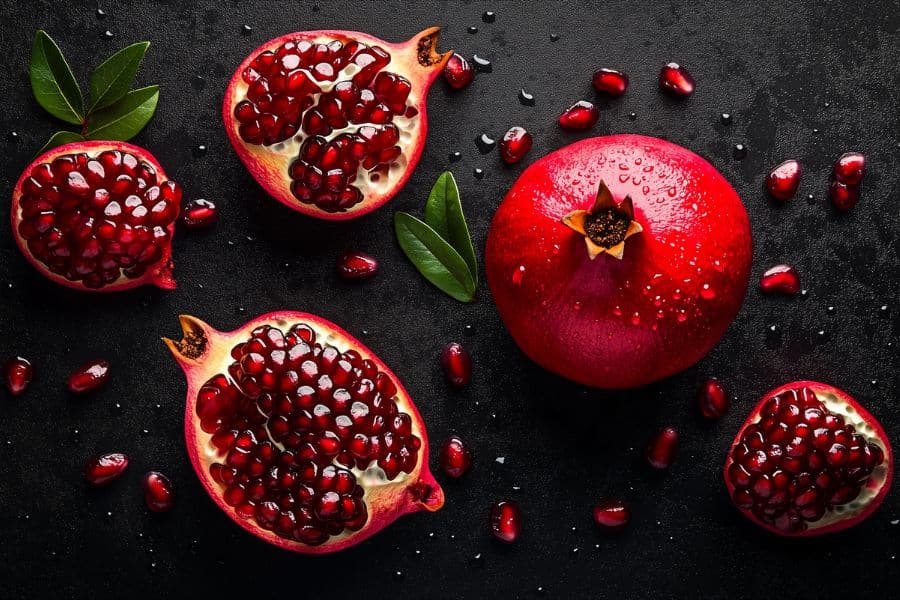
I love pomegranates, especially when added to a salad, and it’s the “anti-aging queen” for good reason. Pomegranates contain powerful polyphenols called punicalagins that protect your skin from the inside out.
A 2024 clinical trial published in the American Journal of Translational Research tested a pomegranate extract on 60 participants for 60 days. The results? Participants experienced a 48% reduction in crow’s feet wrinkles and a 42.8% improvement in skin radiance.
The science gets even more interesting. A 2022 double-blind, placebo-controlled study published in Nutrients examined pomegranate extract supplementation over four weeks. Participants in the pomegranate group had significant reductions in wrinkle severity and showed improvements in facial biophysical properties, including reduced sebum production.
Eating pomegranates regularly floods your body with antioxidants that fight inflammation and protect your cells from damage.
Sprinkle fresh pomegranate seeds over salads, mix them into your morning oatmeal, or blend them into smoothies. The seeds are where the magic happens, so skip the processed juices that lose fiber and add unnecessary sugar.
Found this useful? Get more like it in your inbox as a Lifestyle Library Insider.
Dark Chocolate (70%+ Cocoa)
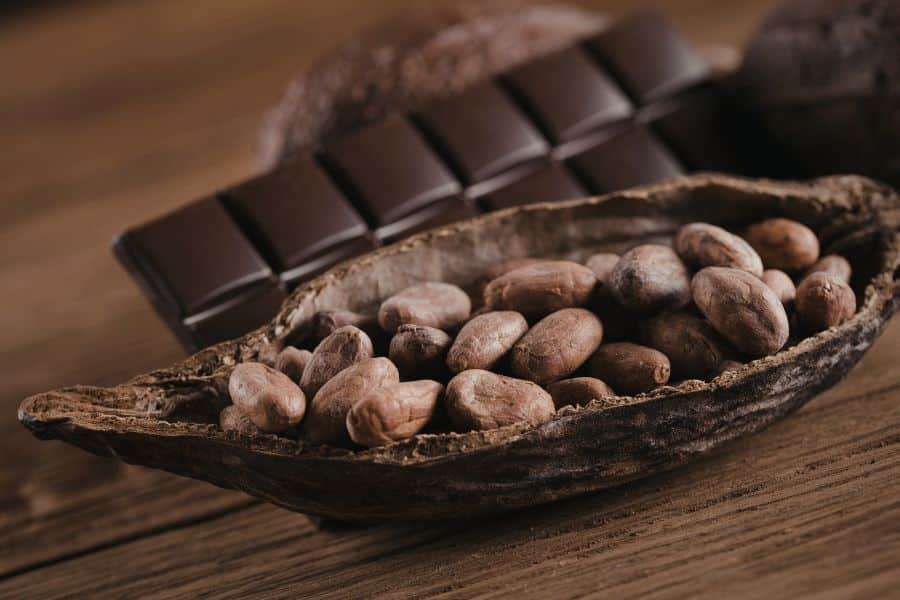
I can’t say I’m a fan of dark chocolate. I’m a Cadbury’s Dairymilk girl all the way. However, unfortunately, it’s not particularly good for me, whereas dark chocolate, in moderation, is much better.
A groundbreaking December 2024 study from King’s College London, published in the journal Aging, found that theobromine, a natural compound in dark chocolate, was linked to slower biological aging. People with higher levels of this compound in their blood appeared biologically younger than their actual age.
Licensed nutritionist Britta Sather explains that cocoa flavanols improve blood flow and protect collagen and elastin, helping skin stay firm, hydrated, and healthy. Studies in women found that consuming high-flavanol cocoa over 24 weeks led to smoother texture, improved hydration, and greater skin density.
The key is choosing chocolate that’s at least 70% cocoa and avoiding “Dutch-processed” varieties, which destroy the beneficial antioxidants. Keep it to one or two squares daily, ideally as an afternoon snack. Pair it with a handful of nuts to balance the natural sugars and boost the anti-aging benefits with healthy fats.
Extra Virgin Olive Oil
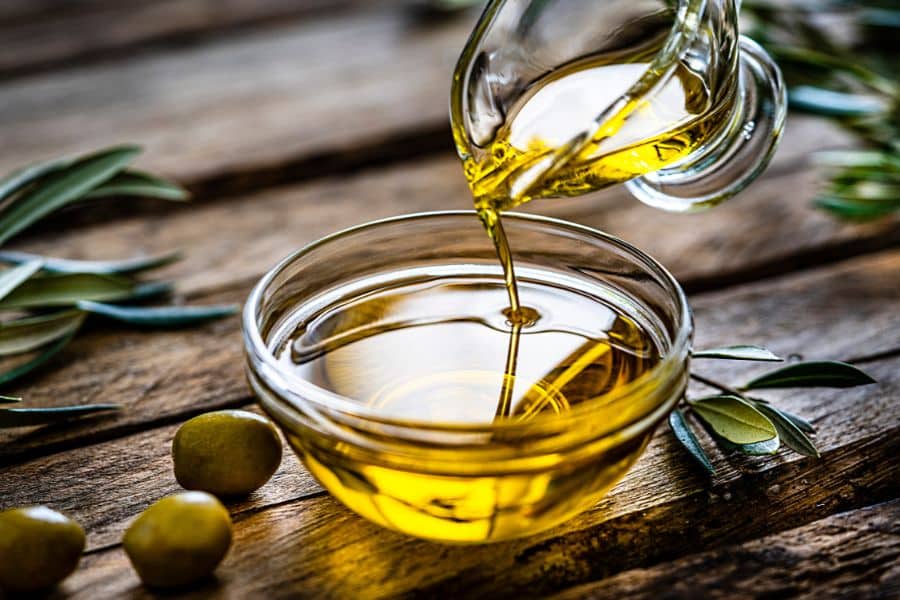
Mediterranean women have known the power of extra virgin olive oil for centuries. A 2024 clinical study published in Medicina tested oleocanthal and oleacein, two polyphenols found in extra virgin olive oil, on 70 participants. After 30 days of topical application, they observed significant reductions in wrinkle count and improvements in skin hydration and elasticity.
But eating olive oil might be even more powerful. Extra virgin olive oil’s polyphenols have anti-inflammatory properties so potent that they mimic ibuprofen’s action without its side effects. The healthy fats in olive oil help your body absorb fat-soluble vitamins like A, D, E, and K, all essential for skin health.
Use it as your go-to cooking fat for sautéing vegetables, drizzle it over roasted sweet potatoes, or use it as a salad dressing base. Skip cooking at extremely high temperatures to preserve those precious polyphenols.
Sweet Potatoes
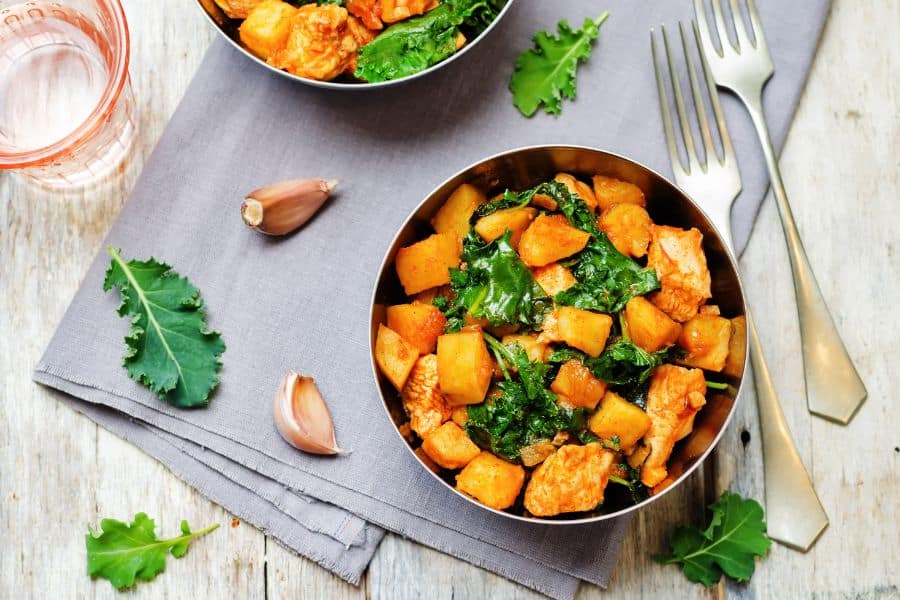
I love sweet potatoes, and when it comes to fries, I’d have sweet potato over regular any day of the week. A 2025 review published in Food Science & Nutrition examined the role of sweet potatoes in skin health and collagen synthesis. The researchers found that the beta-carotene in sweet potatoes helps improve skin elasticity and decrease dryness by regenerating cells and protecting skin from light damage.
Beta-carotene is converted to vitamin A in your body, which is essential for maintaining skin integrity. Purple sweet potatoes, rich in anthocyanins, offer even greater protection. These compounds prevent collagen breakdown by inhibiting the enzymes that degrade this crucial skin protein.
According to nutritionist Heather Snead, sweet potatoes are rich in vitamin C and other antioxidants that promote skin cell turnover. The combination of nutrients helps fight inflammation and oxidative stress, two primary drivers of skin aging.
Roast them with the skin on to maximize nutrient content, or bake and top with a dollop of Greek yogurt and cinnamon. Eating them with a source of fat like avocado or olive oil helps your body absorb the beta-carotene.
Avocado

Avocado toast is one of my go-to breakfasts, especially on weekends when I have more time. A 2022 clinical study published in the Journal of Cosmetic Dermatology followed 39 women aged 27-73 who ate one avocado daily for eight weeks. The results were impressive. Participants showed significantly firmer skin on their forehead and improvements in skin elasticity compared to the control group.
Avocados pack a unique combination of nutrients that work together. They contain 136 micrograms of lutein and zeaxanthin per serving, carotenoids that contribute to skin elasticity. The healthy monounsaturated fats help strengthen your skin’s natural barrier, locking in moisture.
Board-certified dermatologist Dr. Nava Greenfield explains that avocados contain vitamins C and E, which help protect the structure and function of collagen and elastin in your skin. These proteins are responsible for maintaining plump, youthful-looking skin.
The vitamin E in avocados helps fight free radicals that damage skin cells and accelerate aging, while vitamin C supports collagen production, which is essential for skin elasticity and firmness.
Mash half an avocado on whole grain toast for breakfast, add slices to salads, or blend into smoothies for creaminess. One avocado daily was the amount used in the skin elasticity study, but even half provides significant benefits.
Berries
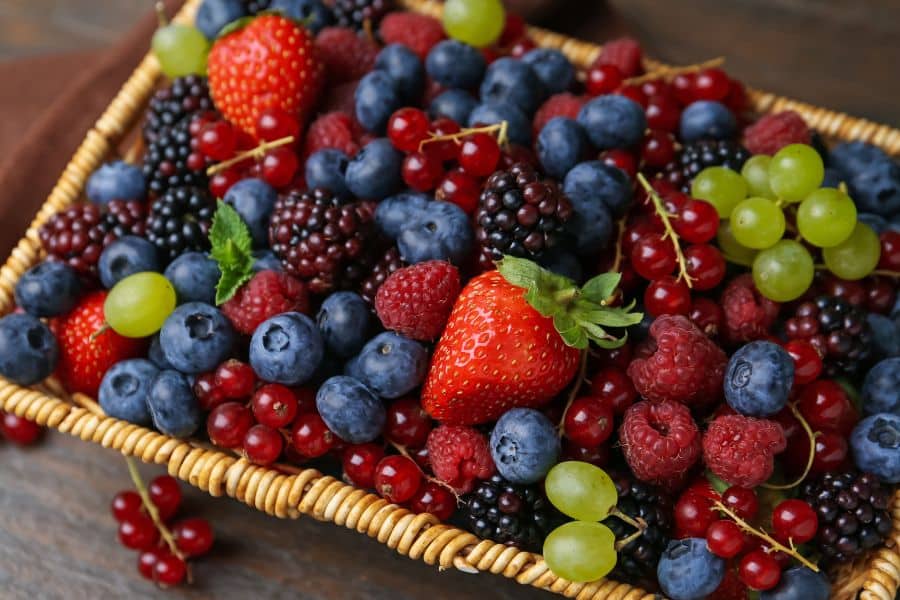
Blueberries, strawberries, blackberries…pick your favorite. They’re all aging-fighting powerhouses. A 2023 review published in Antioxidants examined blueberries specifically for skin health. The researchers found that blueberries contain bioactive compounds that induce an active skin response against environmental damage. The anthocyanins responsible for their blue color protect against UV damage and premature aging.
Anthocyanins protect skin by inhibiting the enzymes that break down collagen. They also stimulate fibroblast activity, enhancing collagen production and maintaining your skin’s structure and elasticity.
Compounds like those in berries mitigate oxidative stress, attenuate chronic inflammation, and enhance dermal matrix integrity. Translation? Less wrinkles, better texture, more youthful skin.
Buy frozen berries when fresh ones aren’t available because they’re picked at peak ripeness and retain their nutrients. Aim for at least one cup daily, mixing varieties throughout the week to get different types of anthocyanins.
Tomatoes
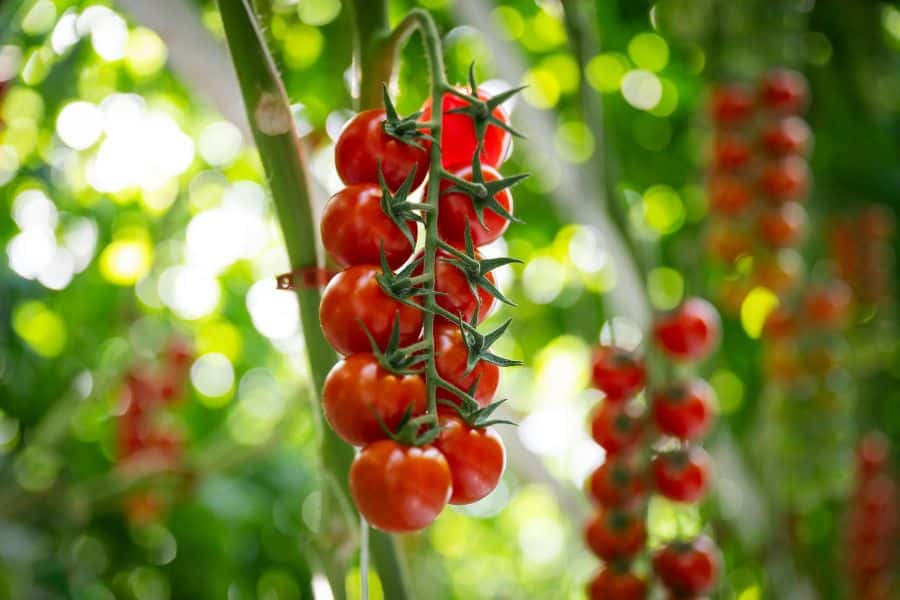
Tomatoes have so much goodness in them, and when you grow your own, as I do, the taste is insanely good. A 2024 systematic review published in Critical Reviews in Food Science and Nutrition analyzed 21 studies on tomato and lycopene supplementation. The results showed significant reductions in skin erythema (redness) and improvements in skin thickness and density.
Lycopene, the powerful antioxidant that gives tomatoes their red color, protects your skin from UV damage at a molecular level. Think of lycopene as working from the inside out to shield your skin from the sun’s aging effects. Studies showed it reduces matrix metalloproteinase-1, an enzyme that breaks down collagen, while protecting against mitochondrial DNA damage caused by UV exposure.
Cook your tomatoes whenever possible, as heat releases more lycopene and makes it easier for your body to absorb. Pair them with olive oil in pasta sauces, roasted vegetable dishes, or homemade tomato soup for maximum benefits.
Disclaimer
This article is for informational purposes only and is not intended as medical advice. The information presented is based on scientific studies and research, but individual results may vary. Before making significant changes to your diet or starting any new supplement regimen, please consult with a qualified healthcare provider or registered dietitian, especially if you have existing health conditions, are taking medications, or have specific dietary restrictions. The studies referenced represent current scientific understanding, which continues to evolve. Not all anti-aging effects have been definitively proven in all populations. Always prioritize a balanced, varied diet as part of an overall healthy lifestyle that includes adequate sleep, exercise, stress management, and sun protection.
About this article: Our health articles are based on published studies and advice from experts such as physiotherapists and dietitians, and the sources are linked in the article.
Disclaimer: The content in this article is for informational purposes only and is not intended to replace professional medical advice, diagnosis, or treatment. Always consult your doctor or healthcare provider before making changes to your diet, supplements, medication, or health routine. This article may contain affiliate links.
Become a Lifestyle Library Insider
Health tips, money know-how, travel deals and garden ideas for life after 50, straight to your inbox.

Kylie Lang is a nationally syndicated travel journalist with bylines on the Associated Press Wire & more, a lifestyle writer, and the founder and editor of Your Lifestyle Library (yourlifestylelibrary.com). She holds a BA (Honours) in History from the University of Kent and is a member of the British Guild of Travel Writers.