
You trust the products in your home to keep your family healthy and safe. But what if I told you that the very items you use every day are throwing your body into disarray and playing havoc with your hormones?
Your hormones operate like precision instruments. They require exact levels to maintain everything from your metabolism and sleep cycles to your mood and reproductive health. Even tiny interference can throw the entire system out of balance.
But unfortunately, you can’t physically see this happening; you’re just aware of the symptoms that go along with it. Telltale signs include consistently waking up in the morning feeling shattered despite having had 8 hours of sleep. Or permanent brain fog, you just can’t seem to shift, so everything you do feels like a mammoth task or effort because you can’t think clearly.

The Science Behind Hormone Disruption
Research from the National Institute of Environmental Health Sciences confirms that hormones act in extremely small amounts, and even minor disruptions in those levels can cause significant developmental and biological effects. According to the Endocrine Society, there are nearly 85,000 human-made chemicals worldwide, and at least 1,000 of them are confirmed or suspected endocrine disruptors.
A 2022 study published in Ecotoxicology and Environmental Safety, analyzing over 11,000 household products, found that nearly two-thirds contained more than one endocrine disrupting chemical.
These substances mimic your natural hormones, block hormone receptors, or interfere with how your body produces and processes hormones. The result is a cumulative toxic load that affects your fertility, metabolism, thyroid function, and overall hormonal balance.
10 Household Items To Avoid
You can dramatically reduce your exposure by making simple swaps in your daily routine, starting with these ten items. Time to beat these endocrine disrupters at their own game.
1. Plastic Cutting Boards

I recently got rid of my three plastic chopping boards and replaced them all with wooden ones. I had no idea that every time you slice vegetables or cut meat on a plastic cutting board, your knife creates microscopic scars that release tiny plastic particles. These fragments stick to your food and end up in your next meal. Over months and years, you consume significant amounts of plastic dust without even realizing it.
- Switch to solid wood cutting boards made from maple or walnut
- Treat wooden boards with food-grade mineral oil to keep them sanitary
- Avoid glass cutting boards as they dull your knives quickly
2. Scented Candles
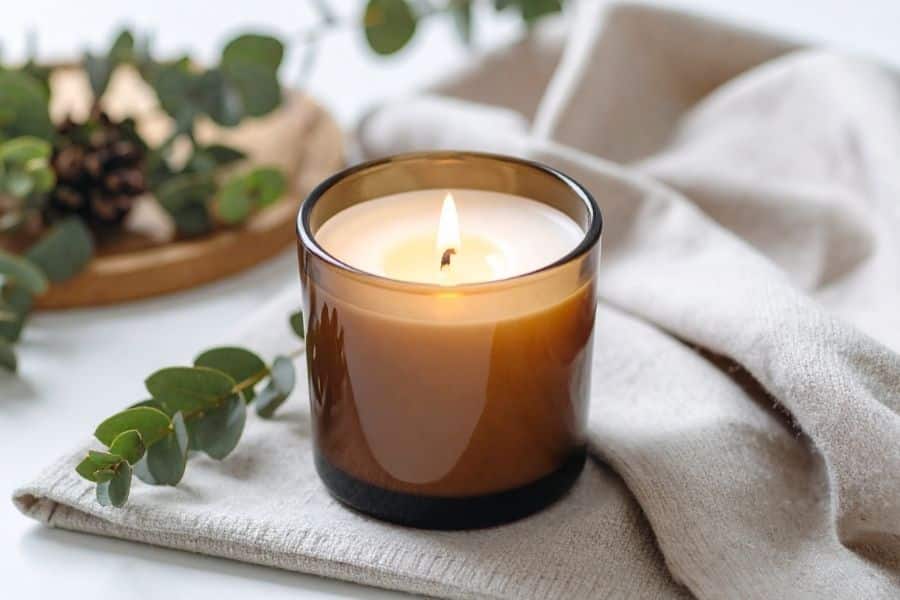
I was so surprised to see this one on the list, as I love a scented candle, but it turns out that lighting a candle to relax might actually be filling your home with toxins. Most candles are made from paraffin wax, which releases benzene and toluene when burned. These are the same carcinogens found in diesel exhaust. Add synthetic fragrances containing phthalates to the mix, and you’re breathing in a cocktail of hormone disruptors.
- Choose 100% beeswax candles with cotton wicks for a clean burn
- Simmer cinnamon sticks and citrus peels on the stove for a natural scent (the smell is just lovely)
- Use an essential oil diffuser to fragrance your space without smoke
3. Synthetic Tea Bags
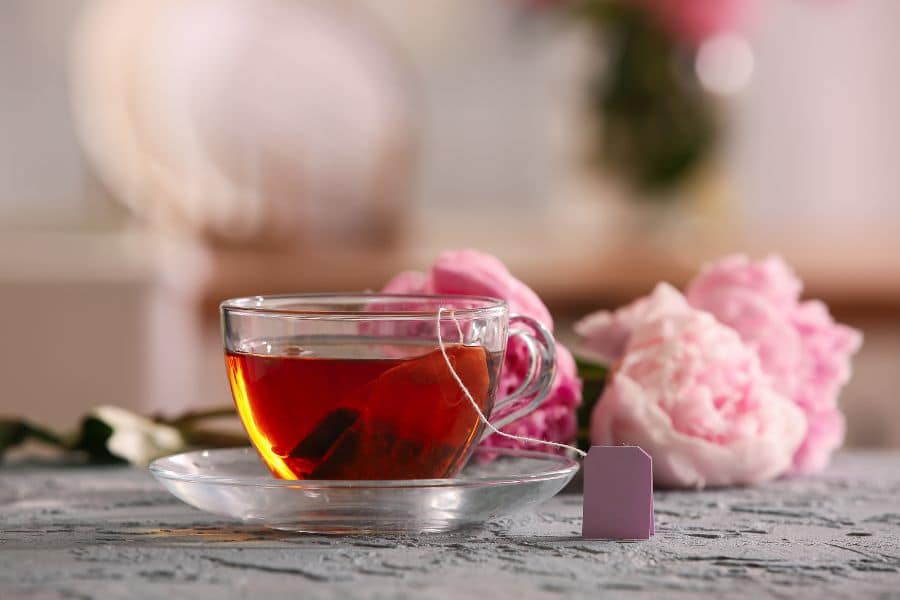
I’m so guilty of this one, as I love my herbal teas and have a vanilla and raspberry one I’m loving right now. But those silky pyramid tea bags housing my healthy tea are actually made of plastic. When you pour boiling water over them, they release billions of microplastic and nanoplastic particles directly into your cup. You’re essentially drinking plastic soup instead of a healing herbal infusion.
- Buy loose-leaf tea and use a stainless steel infuser or strainer
- Check that paper tea bags are sealed with natural adhesives, not plastic glue
- Tear open questionable bags and brew the leaves directly in a teapot
4. Plastic Food Containers
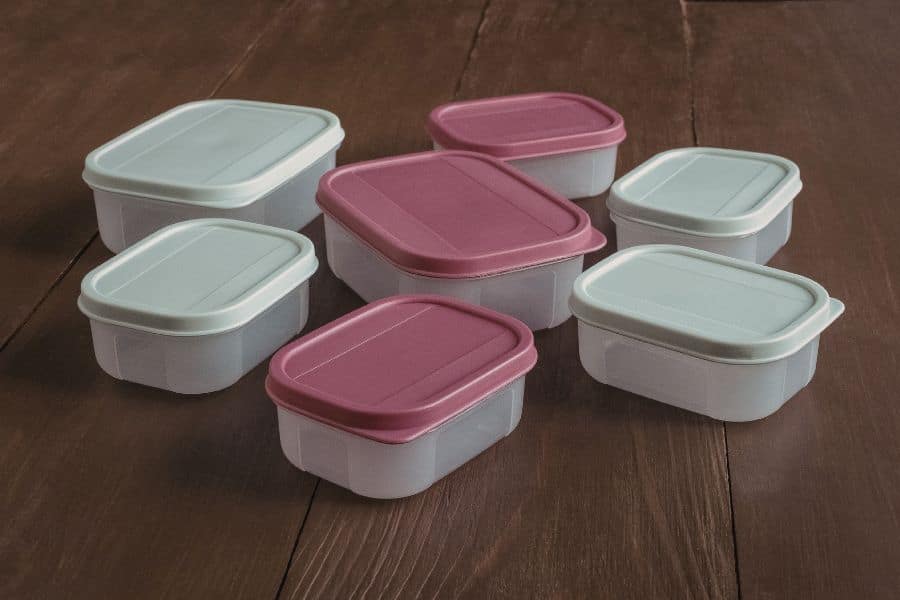
We’ve used Tupperware containers for years. I remember my mom extolling the virtues of those plastic containers when I was a kid. However, it turns out that the microwave safe label only means the plastic won’t visibly melt. It doesn’t mean the container is chemically stable when heated.
Warming food in plastic accelerates leaching, allowing compounds like BPA and phthalates to migrate into your leftovers. This daily habit is one of the biggest sources of microplastic ingestion for most adults.
- Transfer all leftovers to glass containers with secure lids
- Use stainless steel lunch boxes for packing meals on the go
- Cover food with a plate or paper towel instead of plastic wrap when reheating
5. Non-Stick Cookware
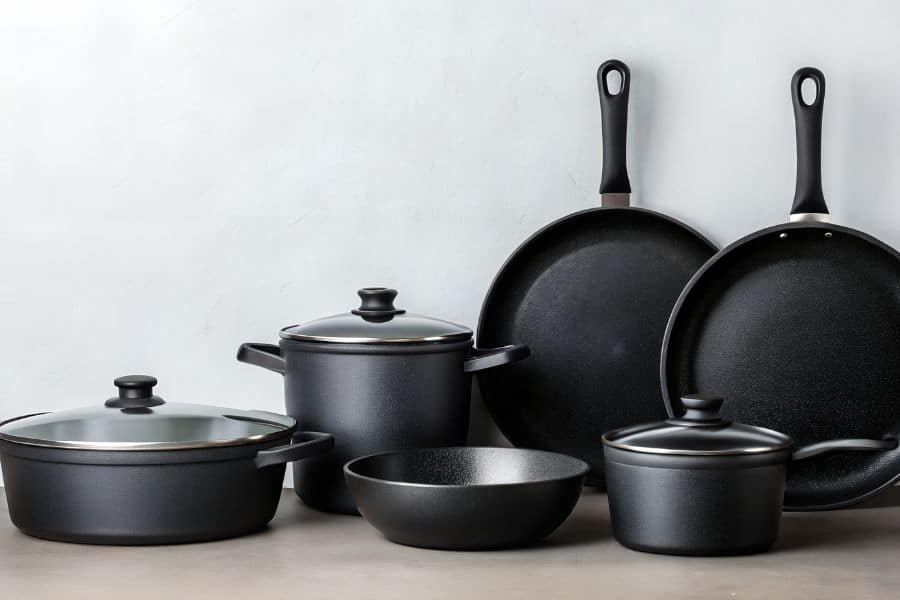
Cooking healthy meals in toxic pans undermines your efforts before you even take a bite, which is a real shame, as I love my non-stick pans. But most non-stick coatings rely on PFAS, forever chemicals that bond to your food when the pan heats up. These compounds accumulate in your body for decades and disrupt liver function, thyroid health, and reproductive hormones.
- Invest in cast-iron skillets that develop natural non-stick properties over time
- Choose stainless steel pans for professional quality cooking without chemicals
- Select 100% ceramic cookware rather than metal pans with ceramic coating
6. Black Plastic Utensils

Guilty again. My entire collection of kitchen utensils, including my spatula and potato masher are all black plastic, correction, was black plastic. Sadly, your black utensils might be made from recycled electronic waste. Recent investigations revealed that black plastic kitchenware often contains flame retardants and heavy metals sourced from old computers and television casings. When heated, these industrial toxins transfer directly into your scrambled eggs.
- Replace all plastic utensils with stainless steel or bamboo alternatives
- Use food-grade silicone tools for non-stick pans if needed
- Inspect your current utensils for any melting or degradation, and discard them immediately
7. Chemical Cleaning Sprays
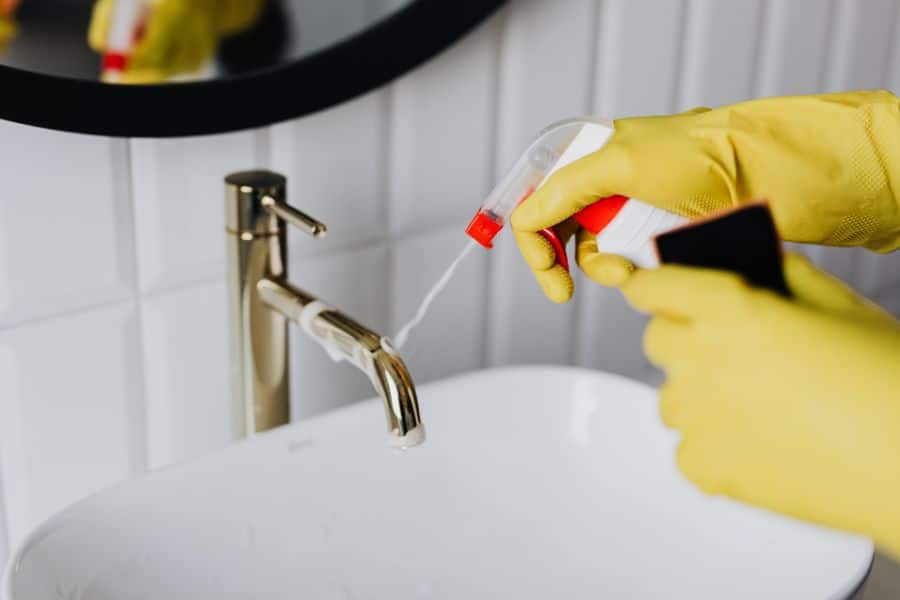
Who doesn’t use chemical cleaning sprays to get rid of those stubborn stains in the kitchen or bathroom? I always let Mr Muscle do the hard work. However, I might be changing my mind now, as many all-purpose sprays contain quaternary ammonium compounds linked to reproductive issues and asthma. These chemicals leave residues on surfaces where you prepare food and where your children play.
- Mix equal parts white vinegar and water in a spray bottle for countertops
- Sprinkle baking soda on surfaces and scrub with a damp cloth for tough stains
- Invest in a handheld steam cleaner to sanitize using only heat and water
8. Stain Resistant Fabrics
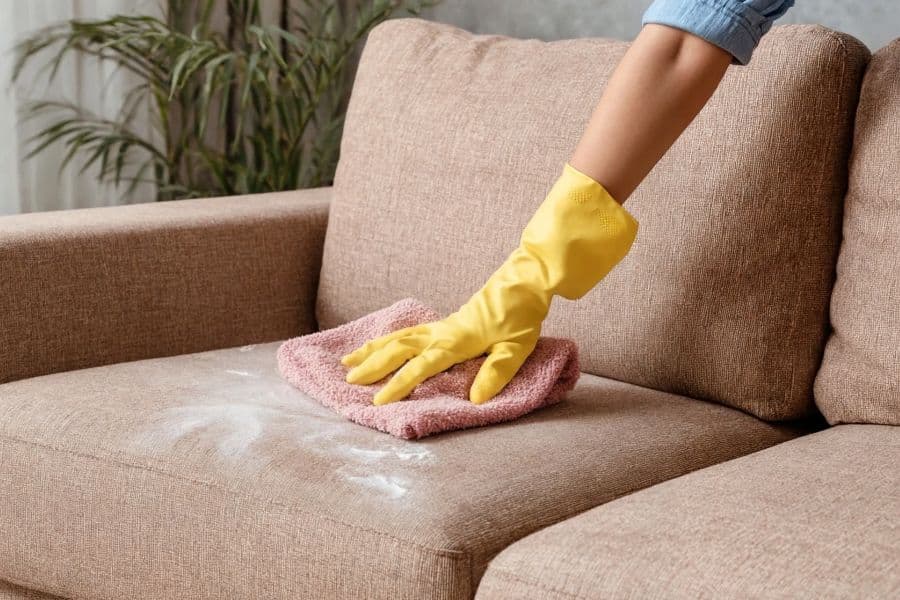
When you’re a red wine drinker like I am, you need a couch that is stain resistant. Not to mention my granddaughter’s sticky fingers. But I might be rethinking that, as stain resistant fabrics are treated with PFAS, the same forever chemicals found in non-stick pans. As you sit on treated furniture day after day, the chemical coating breaks down into dust that settles throughout your home. You breathe it in, and it lands on your skin, bringing toxins directly into your system.
- Choose untreated natural fabrics like organic cotton, linen, or wool
- Accept that spot cleaning is safer than living with chemical treatments
- Vacuum upholstered furniture weekly with a HEPA filter to capture chemical dust
9. Antibacterial Soap

I was surprised to see this one on the list. After all, don’t they use antibacterial soap in hospitals? Ingredients like triclosan and benzalkonium chloride are powerful enough to disrupt thyroid function and contribute to the development of antibiotic-resistant bacteria. Plain soap and warm water work just as well through simple mechanical action that breaks down the outer layer of viruses and bacteria.
- Switch to plain castile soap for gentle and effective hand washing
- Use regular bar soap to eliminate plastic bottle waste
- Scrub hands for a full 20 seconds to physically remove germs without chemicals
10. Synthetic Fragrances
Synthetic fragrances might make your clothes smell nice, but they contain hundreds of undisclosed chemicals. Manufacturers use phthalates to make scents last longer, but these compounds are known hormone disruptors. This hidden cocktail interacts with your skin and enters your lungs, causing everything from headaches to significant hormonal imbalances.
- Look for products labeled phthalate-free or no synthetic fragrance
- Choose genuinely fragrance-free items rather than unscented products that use masking agents
- Add a few drops of pure essential oils if you want to scent your body or home naturally
Time to wave goodbye to brain fog and fatigue. Every swap you make reduces your toxic burden and gives your hormones a chance to function the way nature intended. Start with one or two changes this week. Your future self will thank you.
Disclaimer: This article is for informational purposes only and is not intended as medical advice. Always consult with a qualified healthcare professional before making changes to your health routine or if you have concerns about hormone health. All facts in this article have been verified through peer-reviewed research and reputable scientific sources.
Disclaimer: This article is for general information only and is not professional advice. It may contain affiliate links. Please see our full Editorial Policy for details.

Kylie Lang is a nationally syndicated travel journalist with bylines on the Associated Press Wire & more, a lifestyle writer, and the founder and editor of Your Lifestyle Library (yourlifestylelibrary.com). She holds a BA (Honours) in History from the University of Kent and is a member of the British Guild of Travel Writers.