
If you’re new to gardening, then you’ll know there is a certain amount of trial and error when it comes to growing things. Some plants thrive in an area of your garden while others wither and die in the same place.
There really is no rhyme or reason as to why a plant thrives or not, as the case may be, and you’re left scratching your head, wondering. But one thing I have learned over my years of gardening is that not all plants can be treated equally.
Some love ashes from the fire, some enjoy lots of water, and others go nuts for banana skins and will thank you by producing beautiful plants. And then there are those perennials that love coffee grounds.
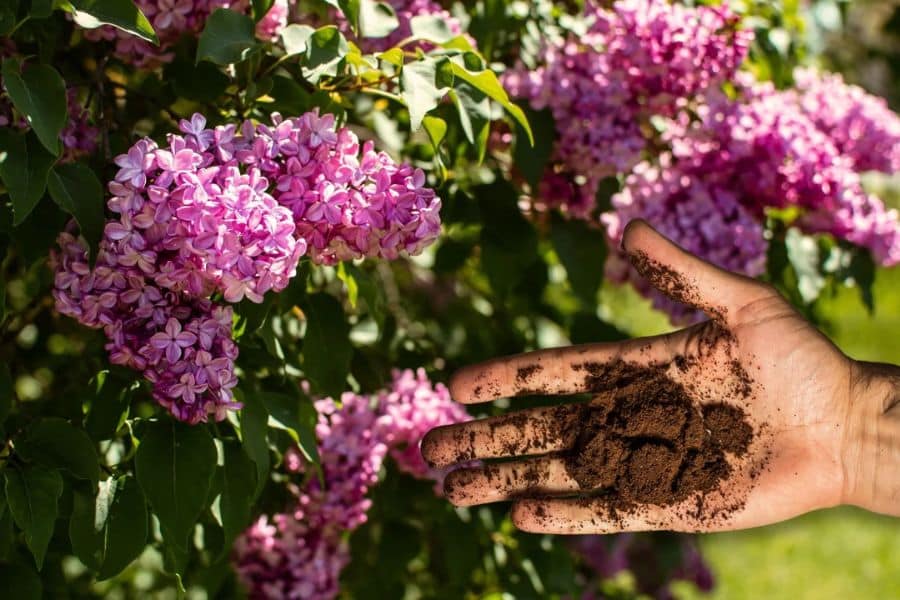
7 Perennials That Love Coffee Grounds
Every morning, millions of people scoop out their used coffee grounds and throw them straight in the trash. If you have a garden, that’s a big mistake. Huge. (If you loved the movie Pretty Woman, you’ll get that)
Used coffee grounds are one of the best free fertilizer boosts you’ll find, and once you know which plants love them, you’ll never look at your coffee maker the same way again.
So why do coffee grounds work so well? A few reasons. They’re mildly acidic, which is exactly what certain plants need to thrive. They add nitrogen to the soil, which fuels healthy leaf and bloom growth, and they improve drainage. They also help deter common pests like slugs.
Before you head outside with your coffee filter, a few quick tips. Always use spent, used grounds, never fresh ones. Fresh grounds are too acidic and can actually damage your plants.
Mix the grounds into your soil or compost rather than piling them on the surface, and always keep them away from plant stems to avoid burning. A good rule of thumb is a mix of around 20% coffee grounds to 80% soil or compost.
That’s really all there is to it. Now, let’s talk about the plants that will reward you for it.
African Violets
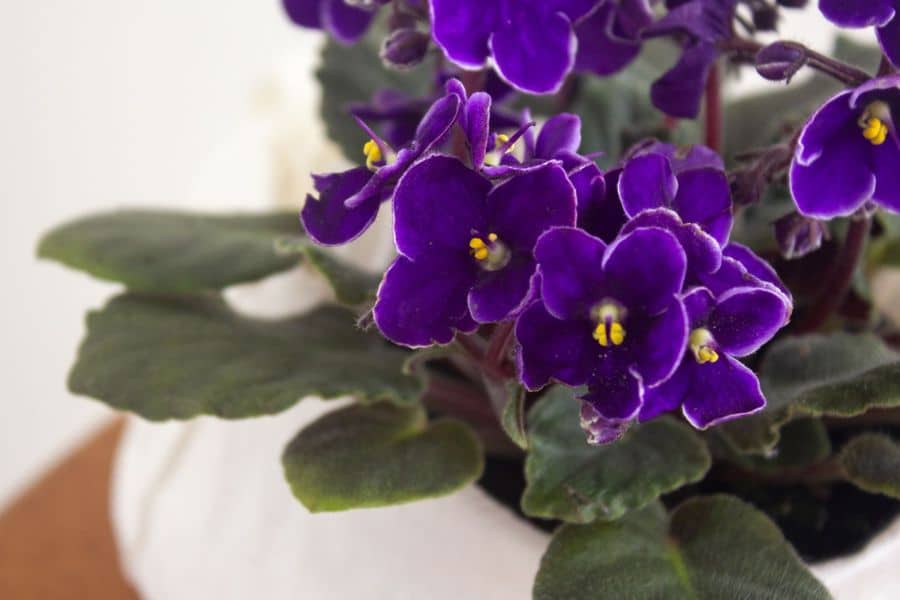
African violets are popular houseplants that prefer slightly acidic soil, and the nitrogen in coffee grounds supports both leaf development and bloom production. More blooms, deeper color, healthier leaves. It’s a noticeable difference.
Because African violets are grown in pots, application is simple. Sprinkle a small amount of used grounds lightly around the base of the plant, being careful to keep them away from the leaves and the crown. The crown is the central cluster where the leaves meet, and moisture or debris sitting on it can cause rot.
Do this occasionally rather than every week, and you’ll find these little plants become much more generous with their flowers.
Bleeding Heart
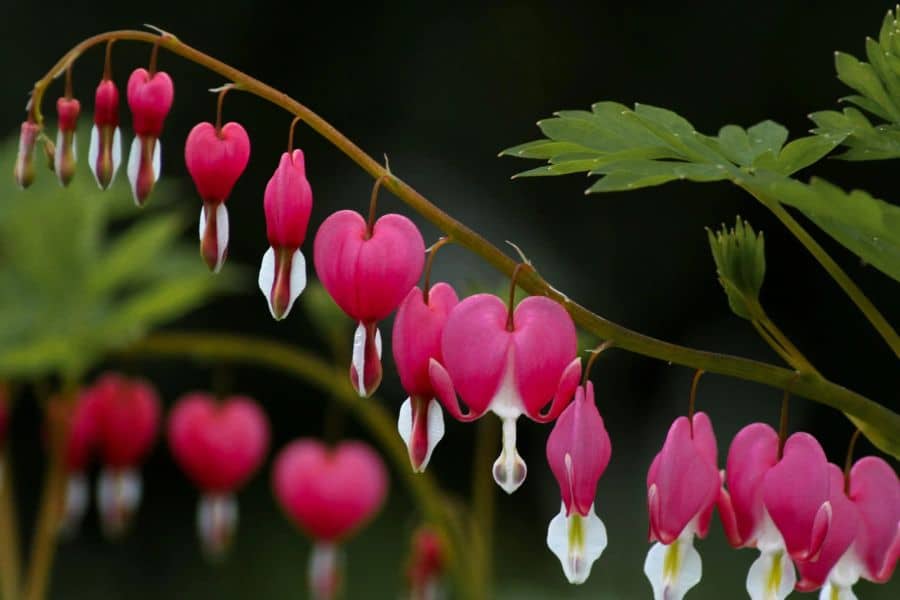
Bleeding heart is one of the easiest perennials to grow, making it a good confidence builder for new gardeners. Adding coffee grounds to your routine with this plant is about timing, not technique.
When you see the first signs of new growth pushing up, that’s your cue to add a light top dressing. Mix used coffee grounds into your regular spring compost rather than using them on their own, and work the mixture gently into the topsoil around the plant.
This gives the bleeding heart a boost of organic matter and a touch of acidity right when it needs it most. It also helps keep slugs at bay, which is worth knowing because slugs are not fans of coffee grounds.
Dahlias
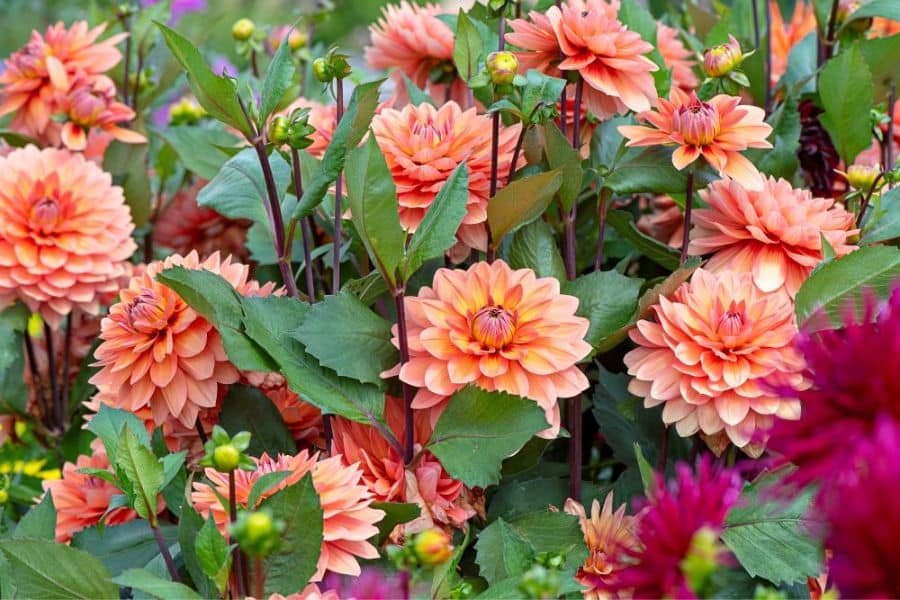
Dahlias have a reputation for being a little demanding, and they do need attention. But good soil preparation is the single biggest thing you can do to set them up for success, and this is where coffee grounds help.
Dahlias prefer slightly acidic soil and respond well to added organic matter, and coffee grounds deliver both. The grounds also act as a pest deterrent, which matters because dahlias attract their fair share of unwanted visitors.
Work the grounds into your compost and add it to the topsoil around your dahlias. As with every plant on this list, keep the grounds away from the stems. You want the nutrients to reach the roots, not sit against the base of the plant where they can cause damage.
Do this at planting time and again mid-season, and you’ll notice the difference in both bloom size and plant health.
Hostas
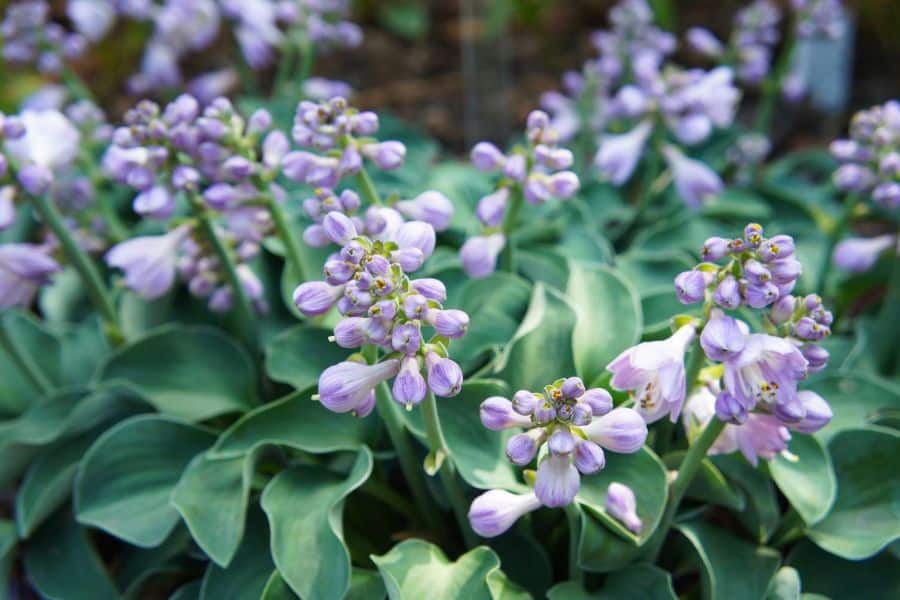
Hostas are arguably the most forgiving plant on this list, which is exactly why new gardeners love them. They tolerate shade, they’re hard to kill, and they come back reliably every year.
Coffee grounds make them even easier to keep happy. Hostas prefer slightly acidic soil, and the nitrogen in the grounds promotes the lush, full foliage they’re known for. Better drainage is another benefit, as hostas in waterlogged soil will eventually struggle.
The biggest bonus for new gardeners? Slugs. Hostas are basically a slug buffet, and slugs hate coffee grounds. Sprinkling them around the base of your plants creates a deterrent that works without any chemicals.
One thing to watch: always mix the grounds lightly into the topsoil rather than leaving them on the surface. A thick layer of coffee grounds can dry into a crust that actually repels water rather than helping it drain. A light touch is all you need.
Hydrangeas
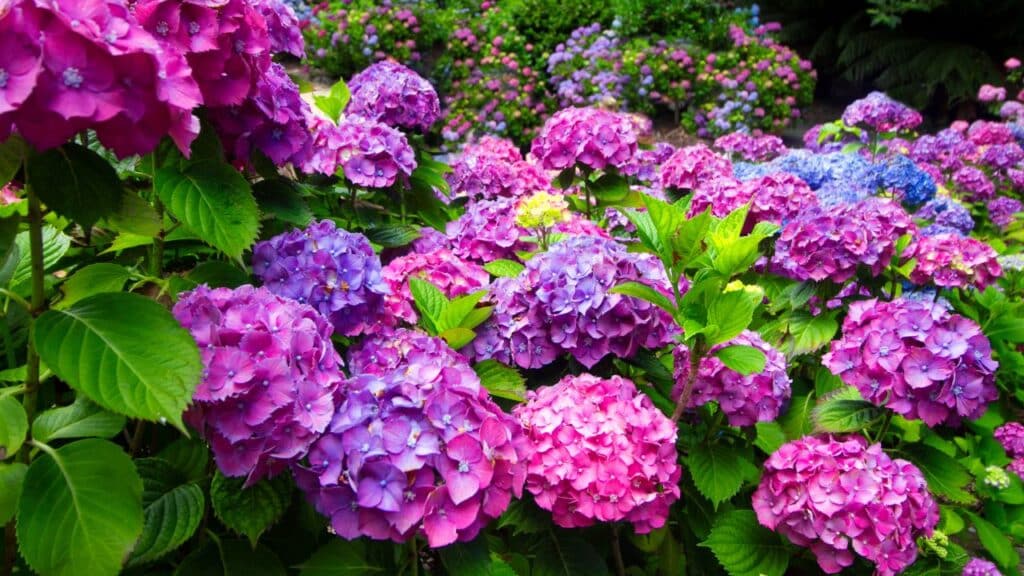
Did you know you can influence the color of your hydrangea blooms by adjusting your soil’s acidity? More acidic soil tends to push the blooms toward blue. Less acidic soil shifts them toward pink. Coffee grounds, being mildly acidic, are one of the easiest ways to nudge things in the blue direction.
Beyond the color effect, hydrangeas benefit from the nitrogen in the grounds, which supports healthy green foliage and stronger overall growth.
To apply, sprinkle a tablespoon or two of used grounds around the base of the plant, gently mix them into the topsoil, and water them in. You can do this a few times throughout the growing season. It’s a small effort for a plant that can put on a spectacular show when it’s happy.
Just keep your expectations realistic. The color shift takes time and repeated applications, not a single handful of grounds. It’s a gradual process rather than an overnight transformation, so patience is required here.
Rhododendrons
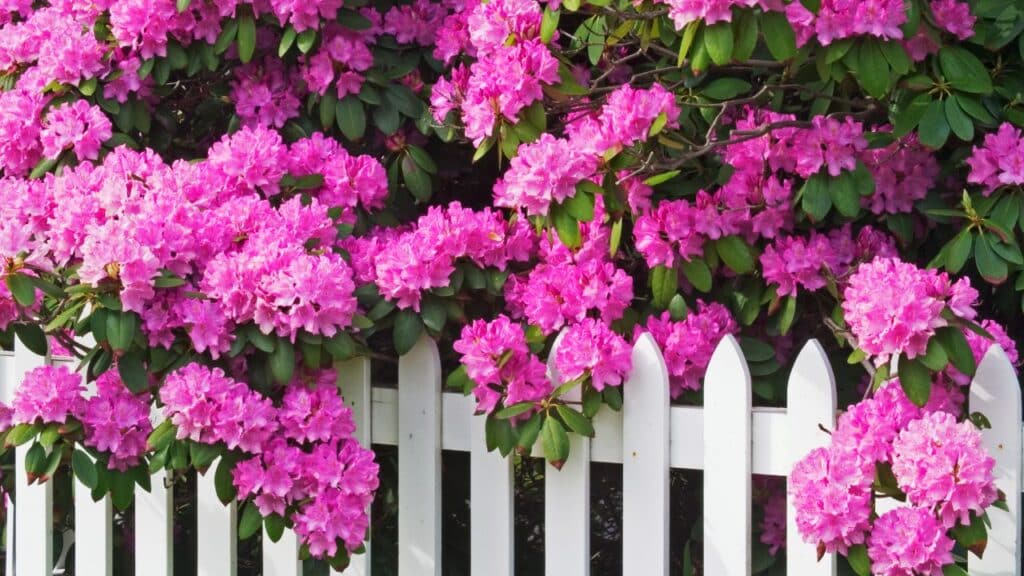
Rhododendrons are long-lived shrubs. A well-tended rhododendron can outlast the gardener who planted it, which means getting the soil right early pays dividends for years to come.
They thrive in acidic conditions, and coffee grounds are a simple, low-cost way to support that. The grounds also add valuable organic matter to the soil and help deter pests, both of which contribute to a healthier, more resilient plant.
Work used grounds lightly into the topsoil around the base of the plant, keeping them away from the stem. Don’t leave them sitting on the surface as a thick layer. That goes for rhododendrons just as it does for every plant here.
Because rhododendrons are established over years rather than seasons, consistency matters more than quantity.
Roses
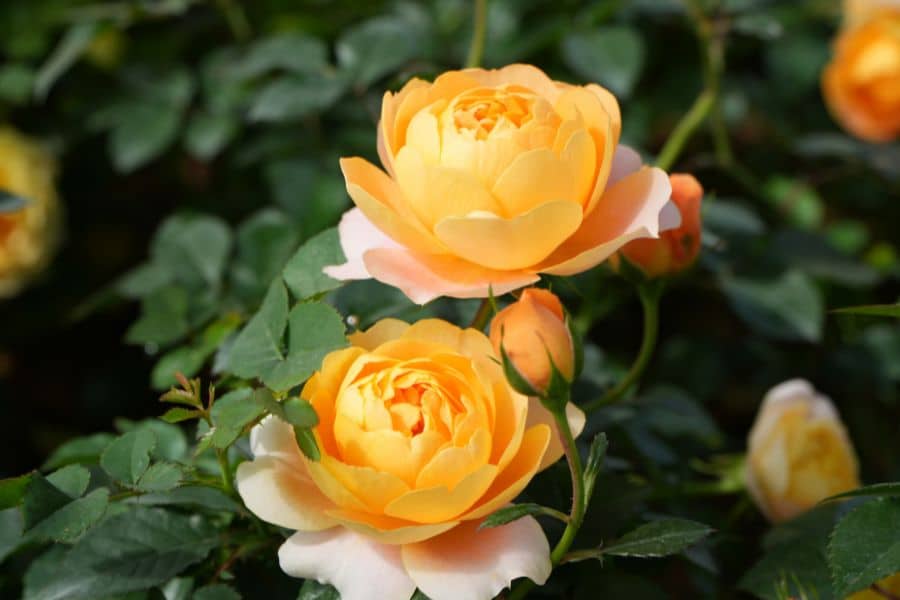
Roses have a reputation for being high-maintenance, and while they do appreciate attention, they’re not as intimidating as people think. Coffee grounds are one of the simplest things you can add to your rose care routine, and the results make it well worth the habit.
Roses love nitrogen, and coffee grounds deliver it. Nitrogen drives the strong, healthy new growth that produces the best blooms. There’s also evidence that coffee grounds help suppress certain fungal issues that roses are prone to, which is an added bonus you won’t find in most basic fertilizers.
The key with roses is to make sure the ground is completely dry before applying them. Wet grounds clumped against a stem can cause problems. Mix them into your compost and apply a few inches away from the base of the plant, working the mixture lightly into the soil.
Do this a couple of times during the growing season, and your roses will show you the difference.
Don’t Drink Coffee? Here’s How to Get Grounds for Free
You don’t need to be a coffee drinker to take advantage of this trick. Starbucks has a long-standing program of giving away used coffee grounds, and many independent coffee shops will do the same if you ask. It’s worth a quick conversation next time you’re in. You’ll likely walk out with more than you need.