
Ever since I hit 50, I’ve been fighting a losing battle with my weight. Now it doesn’t help matters that I happen to live in France, where there’s a boulangerie on every corner, the wine is cheap, and the cheese is insanely good.
However, over ten years of living here, I’ve learned to restrain myself and have been eating fairly healthily, exercising regularly, and getting plenty of sleep. But still, the weight creeps on.
It’s beyond discouraging, and it makes me want to hide my body away in the summer months, which is impossible with all the heatwaves.
So how do you beat hormonal weight gain? What can you do to stop it in its tracks without taking drastic surgical action or popping expensive pills and supplements on a daily basis?
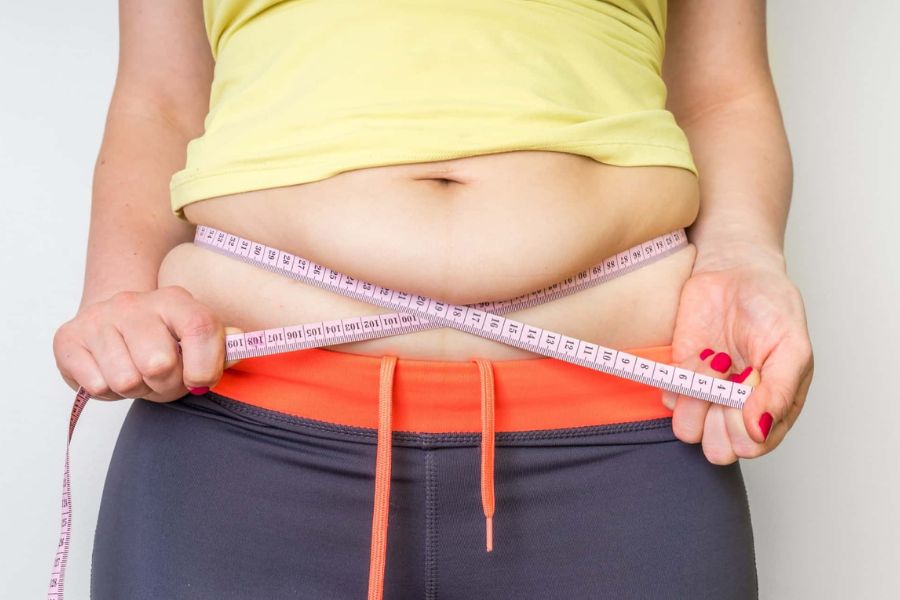
10 Foods That Battle Hormonal Weight Gain Successfully
The 10 foods below aren’t a miracle cure, and consistency is the name of the game here, along with a little patience. But they work. I’ve tried adding these to my weekly diet, and it’s made a difference.
Having said that, you’ll still need some willpower to say no to the naughty food, not all the time, but at least during the week. Otherwise, all the healthy food in the world won’t help your battle with hormonal weight gain.
1. Apple Cider Vinegar

I know this sounds gross, but my mom swears by it, and she’s going to be 89 next week and is still going strong. She mixes a spoonful of apple cider vinegar with a spoonful of honey in a mug of boiling water.
How does it help? Well, the acetic acid in it blunts the blood sugar spike that follows a carb-heavy meal, which is useful when insulin sensitivity is one of the first things to wobble after 40.
Steadier blood sugar means fewer of those sharp crashes that send you rummaging for a cookie at 3 pm. Something I’m definitely guilty of. It’s the mid-afternoon slump.
Never drink it neat, not that you would, because it strips away the enamel off your teeth.
It’s not a weight-loss potion, and it won’t undo a plate of fries. But if you use it before your biggest carb meal of the day, it can move things in the right direction. Plus, it has numerous other health benefits.
Skip it if you have reflux issues, and check with your doctor if you’re on blood sugar or blood pressure medication, since it can amplify their effect.
2. Berries
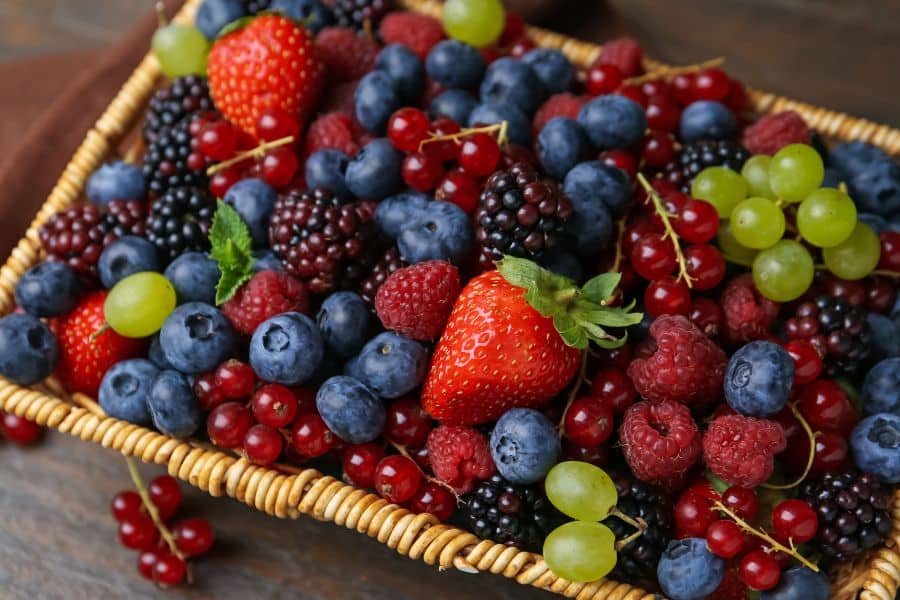
Blueberries, strawberries, raspberries, and blackberries are all good for hormonal weight gain.
It’s all in the color. Those deep blues, reds, and purples come from anthocyanins, plant compounds that push back against the low-grade inflammation that tends to creep up alongside hormonal changes.
Less inflammation means better insulin response, which means your body is less inclined to store every spare calorie around your middle.
They also satisfy a sweet craving without sending your blood sugar on a rollercoaster. They’re low on the glycemic scale and high in fiber.
Fresh in summer, frozen the rest of the year, and frozen berries are just as good nutritionally as fresh, and often cheaper.
I pop them in a breakfast smoothie in the warmer months and have them with my porridge when it’s colder. An easy way to have a healthy brekkie.
3. Greek Yogurt

Here’s another one my mom has. When I visited her last week, it made me smile to open the fridge and see 6 big pots of Greek yogurt. I swear if the world came to an end, my mom could survive with all the food she has squirreled away. It’s what her generation seems to do.
Anyway, it’s packed with protein, which becomes more important with every passing year because muscle is the thing that keeps your metabolism from slowing to a crawl.
A single cup can deliver 15 to 20 grams of protein, more than most breakfast cereals manage, and protein at breakfast is one of the changes that pays off through the rest of the day.
It also contains live cultures that support the gut microbiome, and the gut is where a lot of estrogen metabolism happens. A healthier gut helps your body process and clear hormones the way it’s meant to, rather than letting them recirculate.
Buy the plain, full-fat version and flavor it yourself. The flavored tubs have so much added sugar that it defeats the point.
Plain Greek yogurt with berries, a drizzle of honey, and a scattering of nuts is a substantial breakfast.
4. Turmeric
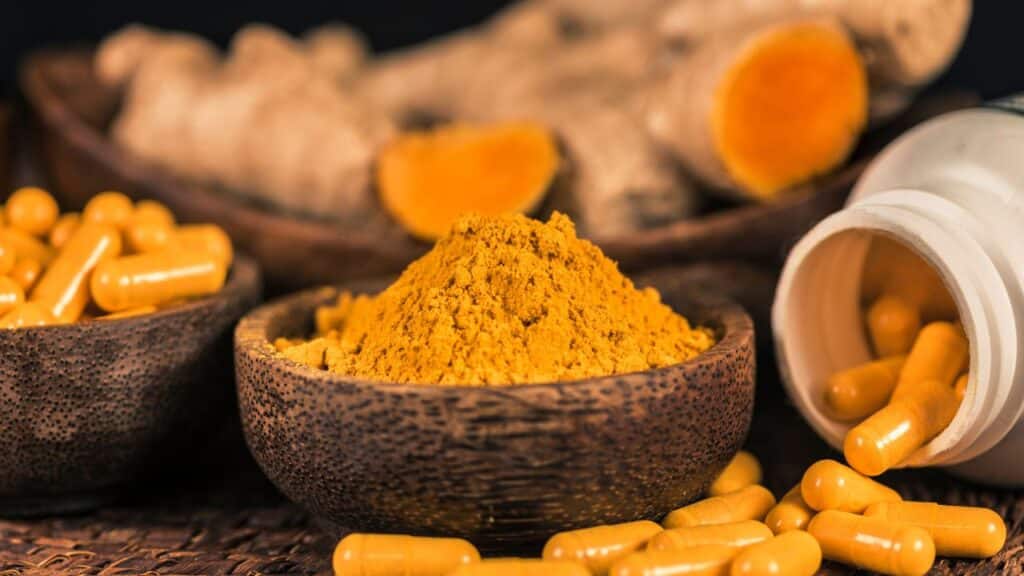
I started taking turmeric tablets with black cohosh pepper after a serious bout of sciatica, and it’s kept it at bay.
Turmeric is the bright orange spice, and its active compound, curcumin, is a serious anti-inflammatory. Inflammation is one of the underlying troublemakers behind stubborn weight gain after 40.
It also helps your liver to clear excess hormones, which is helpful when perimenopause is throwing curveballs.
The catch is that curcumin on its own is poorly absorbed. Pairing it with a good pinch of black pepper (specifically piperine, which is what pepper contains) can multiply absorption several times over, and a little fat helps too.
Stir it into scrambled eggs, add it to your curry, sprinkle it over roasted cauliflower, add it to lentil soup, or blend it into warm milk with a little honey before bed.
5. Spinach and Kale
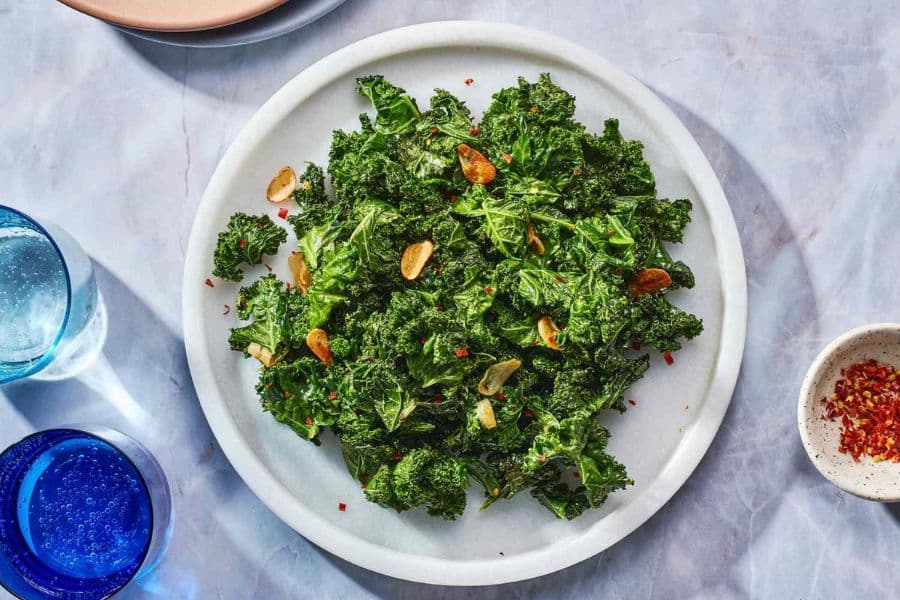
Spinach and kale are both loaded with magnesium, the mineral most closely tied to insulin sensitivity, sleep quality, and keeping cortisol from running the show.
All three tend to slip a bit after 40, and topping up magnesium through food is better because it’s more natural rather than reaching for a supplement.
They’re also fiber-rich, which keeps you fuller for longer and feeds the good bacteria in the gut. And they deliver folate, iron, and vitamin K without any real calorie cost, so they’re a rare food you can eat as much of as you want.
A handful of baby spinach disappears into a smoothie without changing the taste. Kale roasted in the oven with olive oil or sautéed with garlic and a squeeze of lemon becomes a side dish.
6. Avocado
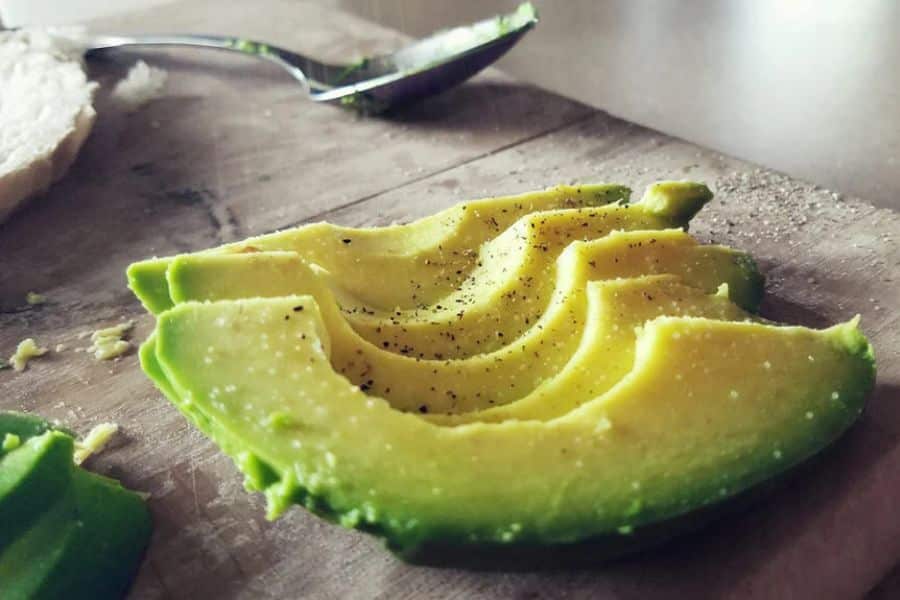
The monounsaturated fats in an avocado are exactly the kind of fats your body wants for making hormones, keeping cell membranes healthy, and stabilizing blood sugar.
Progesterone in particular relies on healthy fats as raw material, and progesterone is one of the first hormones to drop off in perimenopause.
But be warned: the calories add up, but half an avocado provides enough good fat and fiber to keep hunger settled through a long morning or afternoon. The fiber also helps the gut clear excess estrogen, which ties back to why gut health keeps coming up in a conversation about hormonal weight.
7. Lentils and Chickpeas

I love chickpeas. I made my own hummus recently, and it was so much tastier than the stuff you buy in the grocery store, and really easy to make too.
Lentils and chickpeas deliver plant protein, slow-release carbs, and a big dose of fiber all in one, which keeps blood sugar steady for hours after a meal.
They also contain phytoestrogens, plant compounds that gently mimic estrogen in the body. If you’ve ever watched Sex and the City 2 you’ll remember Samatha eating a ton of hummus as she’d had all her menopause pills taken off her at the airport. She’d read about the power of the chickpea.
During perimenopause, when your own estrogen is bouncing around, these mild plant versions can help smooth out some of the sharpest edges. And the fiber content feeds the gut bacteria that keep estrogen metabolism moving.
Canned chickpeas roasted with olive oil, cumin, and paprika turn into a crunchy snack or thrown into a curry as an easy alternative. Lentil soup with garlic and lemon takes 30 minutes and makes lunches for days.
8. Dark Chocolate
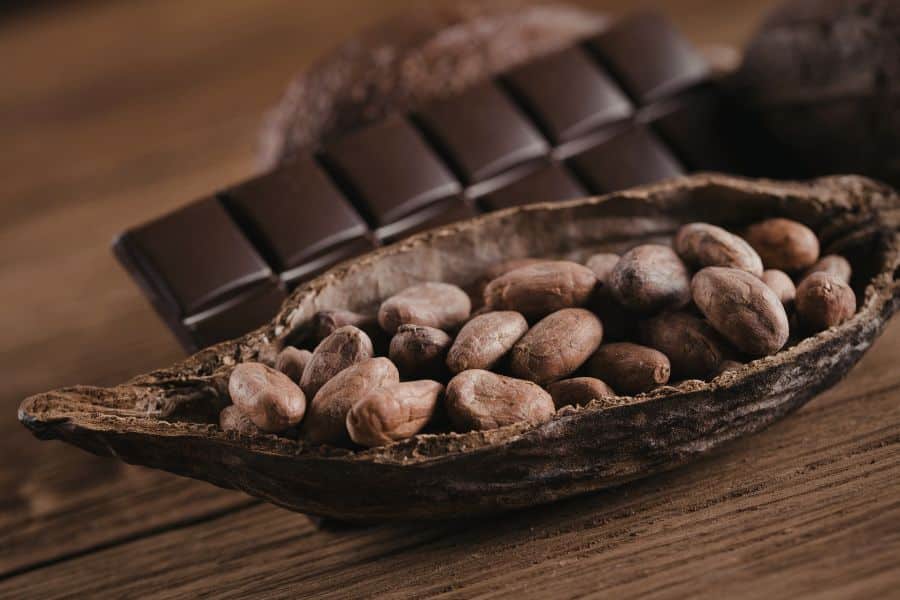
I’m a dairy milk chocolate gal and find it hard to resist, but dark chocolate, if you’re craving a chocolate fix, is the better option. Look for 70% cocoa or higher, and the higher the better.
At that level, you’re getting flavonoids that support blood flow, magnesium that helps with sleep and stress, and just enough sweetness to head off the sugar craving.
Cortisol, the stress hormone, tends to run higher and stay higher as we get older, and it’s very good at parking fat around the middle, the area we all struggle with and fight to lose.
Have a square or two after dinner, and it kills the after-dinner sweet craving without derailing anything, and the higher the cocoa percentage, the less you need to feel satisfied. Milk chocolate, sadly, doesn’t do the same job. It’s too much sugar, too little cocoa.
9. Garlic and Onions

Living in France, garlic is in pretty much every savory dish. The French love their garlic and butter in equal amounts.
Both garlic and onions are rich in sulfur compounds that support the liver’s detox pathways, which is how your body clears out old hormones to make room for the new ones.
When that clearance slows down, excess estrogen can hang around and contribute to the kind of weight gain that seems to appear out of nowhere.
They’re also prebiotic, meaning they feed beneficial gut bacteria. Combine that with the probiotic effect of Greek yogurt, and you’ve got both sides of gut health covered.
Garlic, in particular, has been used for centuries for its effects on blood pressure and cholesterol, both of which tend to drift in the wrong direction after 40.
As we use both regularly in most dishes, this doesn’t require much at all to be effective.
10. Fatty Fish
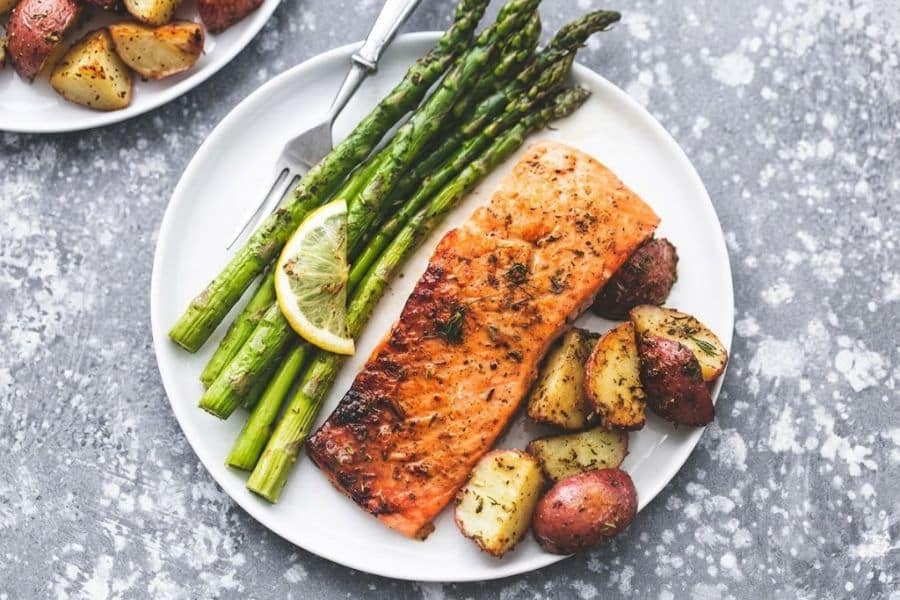
Salmon, sardines, mackerel, herring, and anchovies are the ones with a serious dose of omega-3 fatty acids.
Omega-3s are one of the most anti-inflammatory things you can eat, and inflammation is the thread that runs through most of the hormonal weight story.
They also help your brain hold onto leptin sensitivity, the hormone that tells you when you’re full, which gets less reliable with age.
Fatty fish are one of the few good food sources of vitamin D, which plays a role in nearly every hormonal system in the body, including thyroid function. If your thyroid slows down, your metabolism slows with it. The selenium and iodine in these fish support the thyroid as well.
Aim for two or three servings a week. Fresh salmon baked with lemon and dill, tinned sardines mashed onto sourdough toast with a squeeze of lemon, or mackerel flaked into a salad.
Tinned fish is cheap, keeps forever, and delivers the same benefits as fresh.
Disclaimer: This article is for general information only and is not professional advice. It may contain affiliate links. Please see our full Editorial Policy for details.

Kylie Lang is a nationally syndicated travel journalist with bylines on the Associated Press Wire & more, a lifestyle writer, and the founder and editor of Your Lifestyle Library (yourlifestylelibrary.com). She holds a BA (Honours) in History from the University of Kent and is a member of the British Guild of Travel Writers.