
I’ve always been intrigued by Feng Shui and its roots in Chinese culture. How can furniture placement in a room impact your well-being and prosperity? What ancient secrets lie behind their ideas that can dramatically enhance your life?
Feng Shui first gained widespread popularity in the Western world during the late 20th century, particularly in the 1980s and 1990s. I remember my mom taking a course to learn how to design her sitting room so it didn’t disrupt the energy flow. She wanted to find the “chi” in everything, and every room in our house had a Feng Shui makeover.
But there is a reason interior designers use these old Eastern philosophies and practices, and if it’s good enough for the experts, it’s good enough for us. If you want to inject a little Feng Shui into your home, these twelve rules will transform each room into a tranquil space.
Use the Bagua Map
A home renovation requires specific tools, and feng shuiing your home requires a Bagua Map. The Bagua map helps you align your living space with particular areas of your life. It divides a space into nine sections, each representing different aspects such as wealth, health, and relationships.
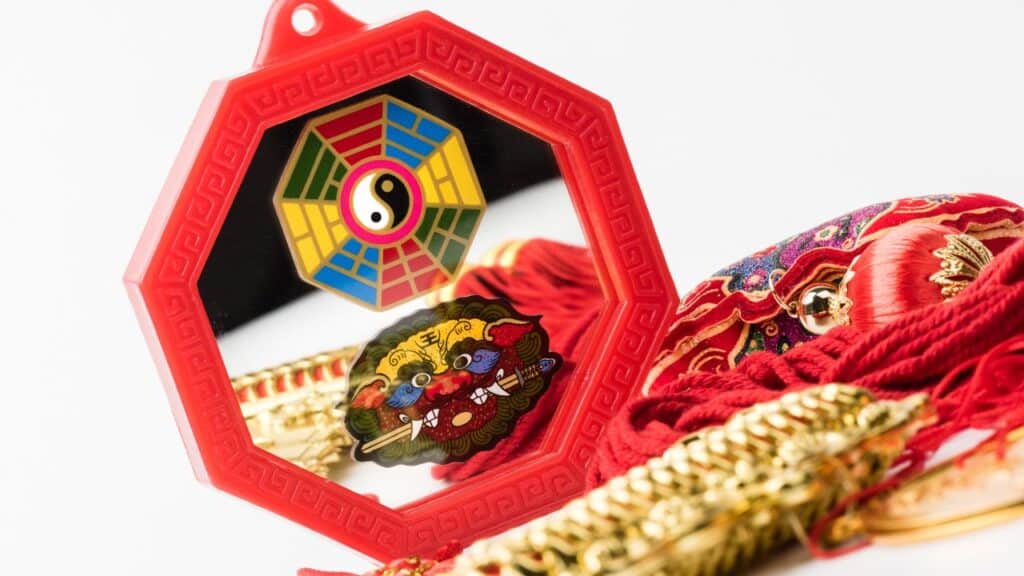
By overlaying this map onto the floor plan of your home or room, you can pinpoint areas that need attention and adjust your décor and layout accordingly. For example, placing elements that promote abundance in the wealth area of your space can boost financial prosperity.
Start by drawing a simple layout of your space. Divide it into nine equal sections, with the entrance or main doorway aligned with the bottom center of the map. Once the map is in place, focus on improving each area by incorporating elements and colors corresponding to its life aspect.
Incorporate Natural Elements
One thing I learned from my mom is that natural elements play a crucial role in balancing energy within a space. Wood, fire, earth, metal, and water contribute to your environment’s overall harmony. By integrating these elements into your decor, you enhance the flow of Chi.
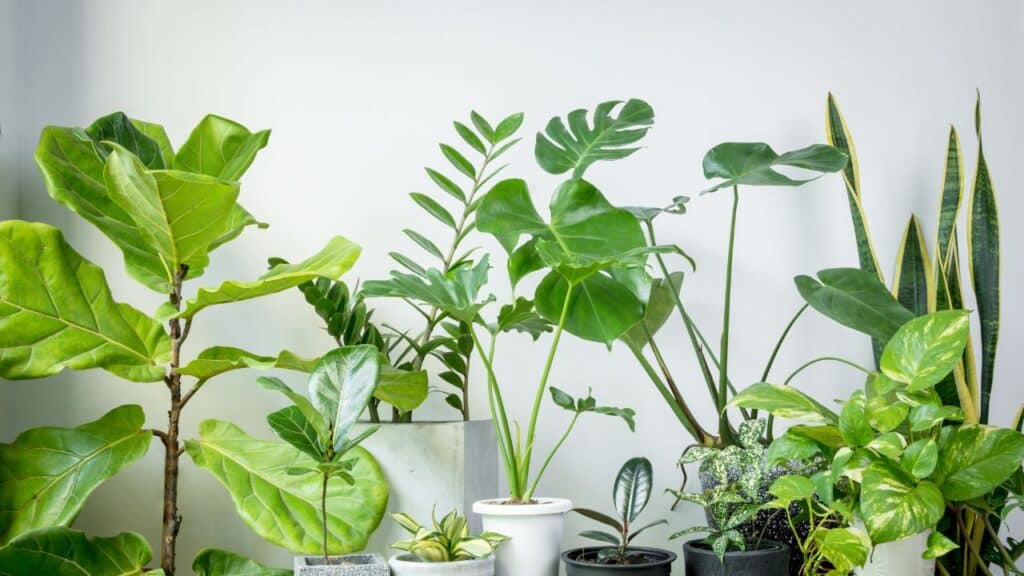
Wood, for instance, symbolizes growth and renewal, while water signifies abundance and calm. Incorporating these elements can remedy areas of imbalance and encourage positive energy flow. For example, adding a water feature or houseplants can invigorate a room and promote relaxation.
Ensure Good Air Flow
The number one rule in Feng Shui is good airflow, as it directly influences the quality of Chi, or life energy, in your home. Stagnant air can trap negative energy. Apparently, this was one of the main triggers for my nasty teenage behavior, although I’m not convinced on that one.

When I complained about cold air, she told me opening windows regularly to let out the bad air was part of the process. A warmer way to achieve this is to add indoor plants, which naturally filter the air and increase oxygen levels.
Pay Attention to the Front Door
The front door is how Chi enters your home. It sets the tone for the entire house and influences how energy is perceived and directed. Keeping this area tidy and welcoming supports health, wealth, and harmony, which we all want.
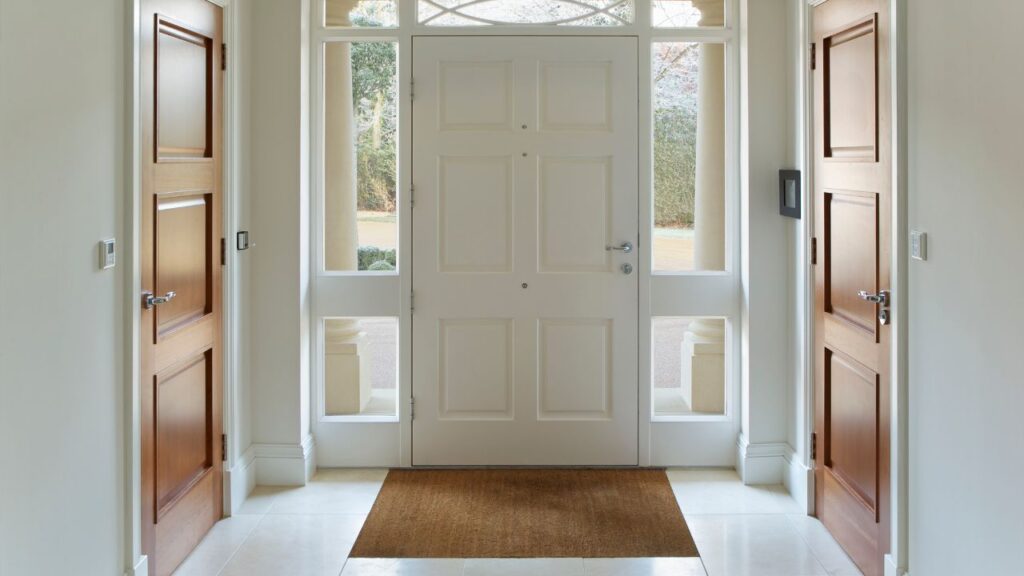
Thinking back, it’s probably the reason my mom went nuts if we left our school bags, shoes, and clothes scattered around the front door when we came in.
Position Your Bed Correctly
I remember throwing the biggest tantrum when Mom insisted on moving my bed. I liked my bed where it was, so I threw a strop in typical teenage fashion. She told me to stop moaning because I’d thank her when I got a better night’s sleep.
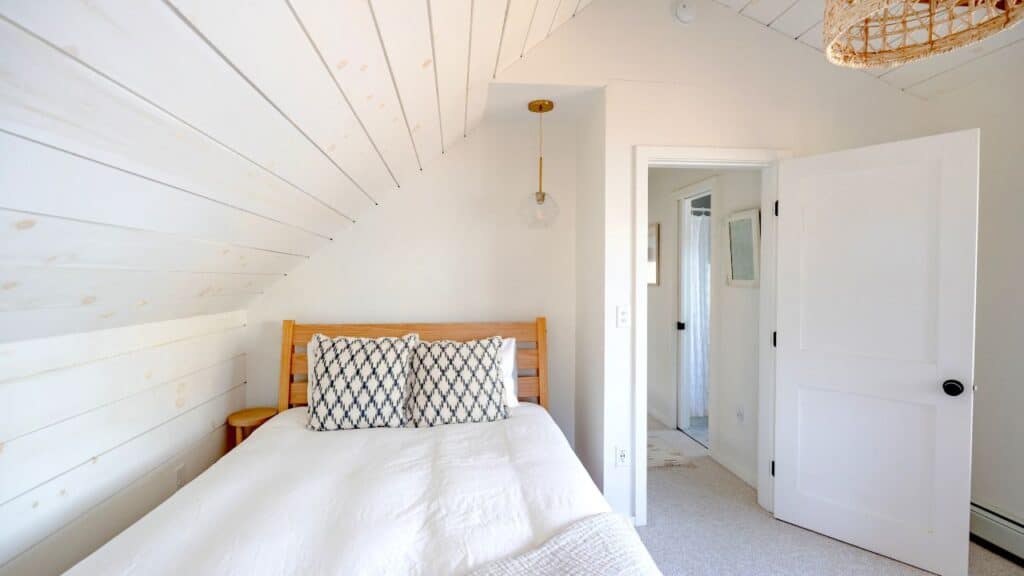
The ideal bed position is the “command position,” which allows you to see the door while lying in bed without being directly in line with it. Before it moved, mine was out of whack, with my head opposite where it should be. I was also not allowed to have my bed under my window, as it disrupts sleep and creates a feeling of instability.
Balance the Use of Mirrors
Mirror placement influences the flow of Chi within a space. For instance, a mirror can help bring in natural light and create a sense of openness. However, they disrupt the energy flow when positioned directly opposite doors or at the foot of the bed.
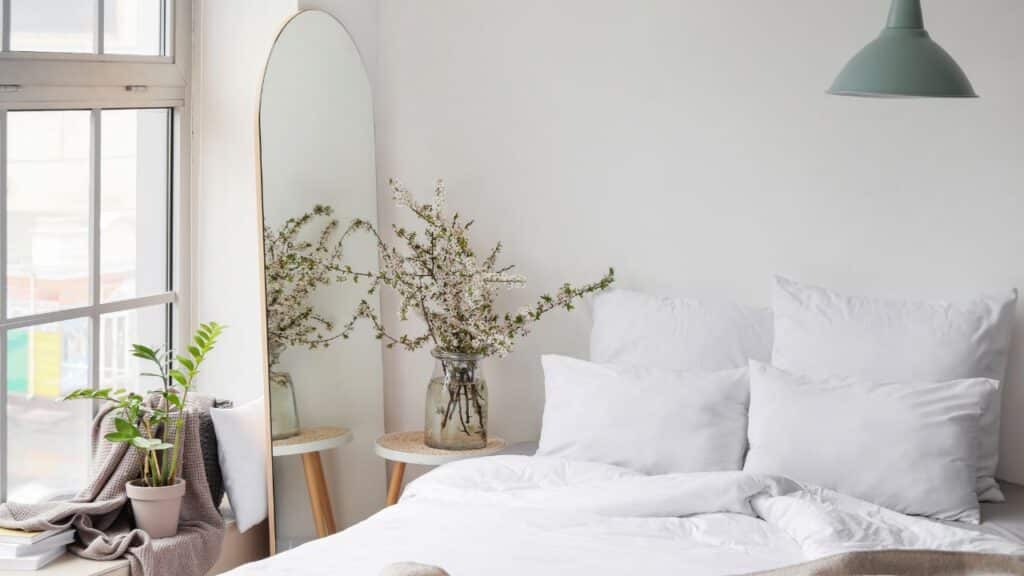
So don’t put your mirror up willy-nilly. Consider where you’re putting it and ensure it doesn’t reflect clutter or negative spaces.
Choose Soothing Colors
My bedroom was bright pink when my mom went through her Feng Shui period. Thankfully, her obsession didn’t change the color of my room; the dining room, hallway, and sitting room weren’t so lucky. As an event designer in a previous career, I learned about colors and their place in Feng Shui.
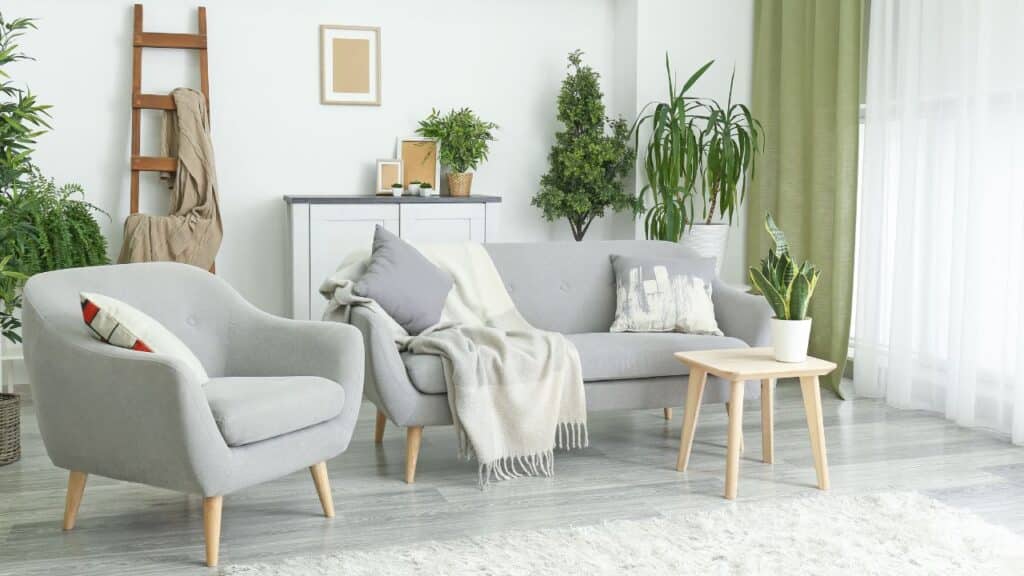
Depending on their use, colors affect our emotions and can either calm or stimulate us. Soft blues and greens evoke serenity and balance, while neutrals like beige and white can create a clean, uncluttered environment. Avoid overly bright or dark colors, as these can disrupt the flow of Chi and lead to feelings of unease.
Use Plants Wisely
I love a bit of greenery in my home, as it has a soothing effect on me. Plants represent the wood element and bring vitality, growth, and natural beauty into a space. They also help to purify the air, and they’re mom-approved.
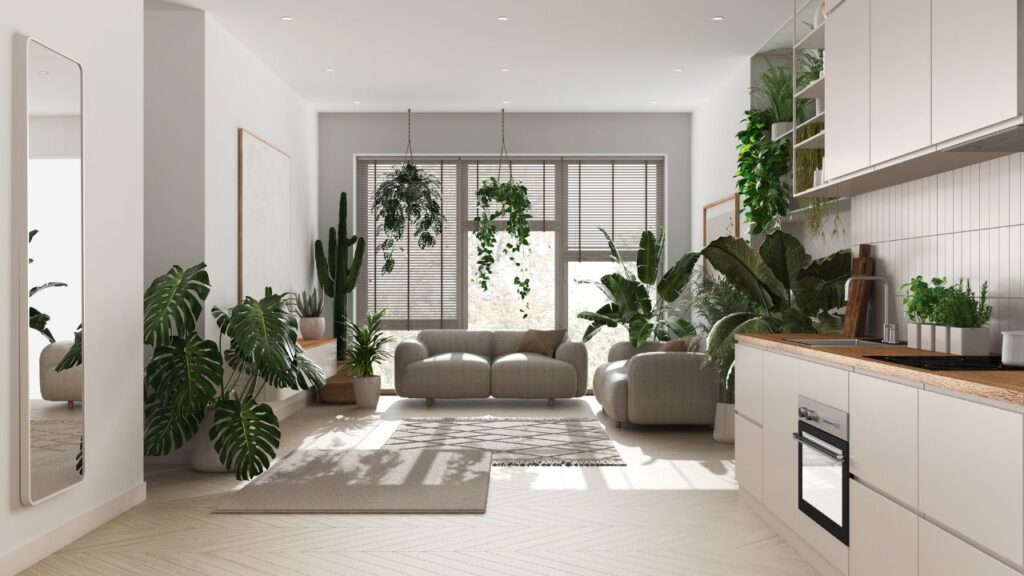
But as with most things in the Feng Shui world, it’s all about where you put them. For instance, lush, healthy plants in the wealth area of your home can attract prosperity and abundance. Avoid the spiky plants that require no maintenance, as they can create tension and disrupt the flow of Chi.
Avoid Sharp Corners
In Feng Shui, sharp corners and edges, referred to as poison arrows, cause stress and agitation—not something you want when you’re trying to create a serene, tranquil environment.
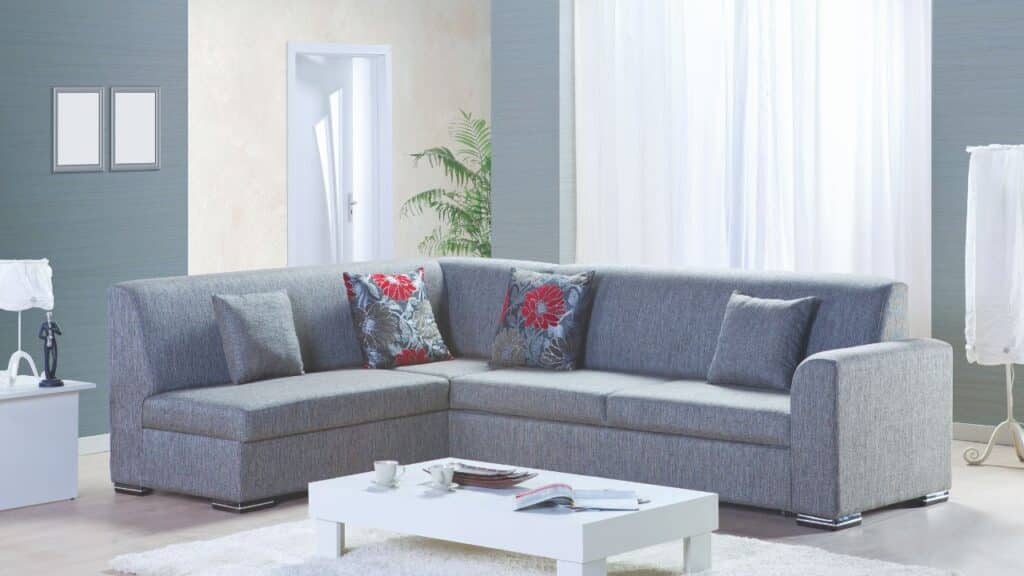
It wasn’t until years later, when I read about it, that I realized why Mom had changed our old sofa for one with rounded armrests.
Create a Balanced Layout
If there is one thing I’ve learned about Feng Shui, it’s that balance is the key to everything. It’s essential for ensuring that energy flows smoothly throughout a space. For example, placing large pieces of furniture without blocking pathways or creating clutter ensures that energy can circulate freely.
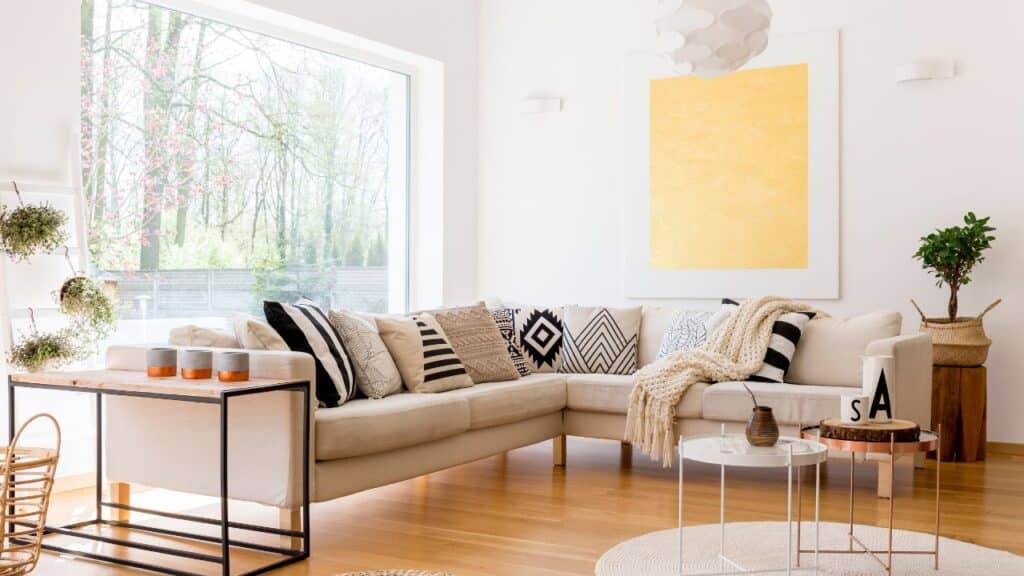
Similarly, arranging items in pairs or symmetrical patterns can enhance the flow of Chi and create visual harmony. I hate it when things aren’t symmetrical, so this has never been an issue.
Keep Your Bathroom Door Closed
My husband thinks I’m mad when I insist on closing the ensuite bathroom door before we go to bed at night. I now realize this stems from my mom’s Feng Shui obsession. Leaving bathroom doors open drains energy, which leads to problems.
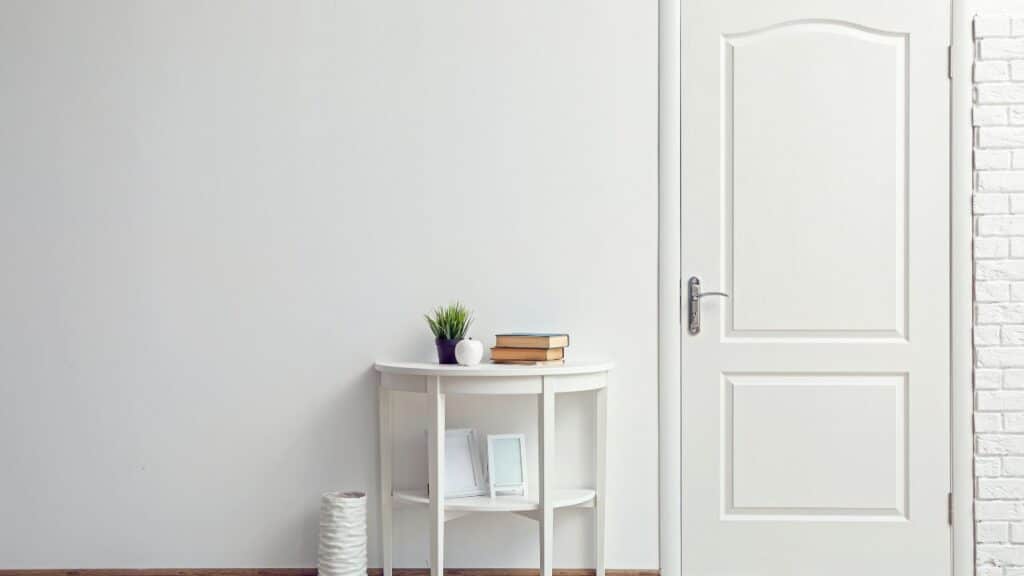
Why? Bathrooms contain elements like water and waste, which are associated with draining and releasing energy. Leaving the bathroom door open allows this energy to spread to other areas, potentially affecting health, wealth, and general well-being.
Incorporate Sound
I’ve never liked silence. From the minute I get up in the morning, I switch on the radio and listen to Classic FM, an English radio station. Sound in Feng Shui activates and enhances energy flow.
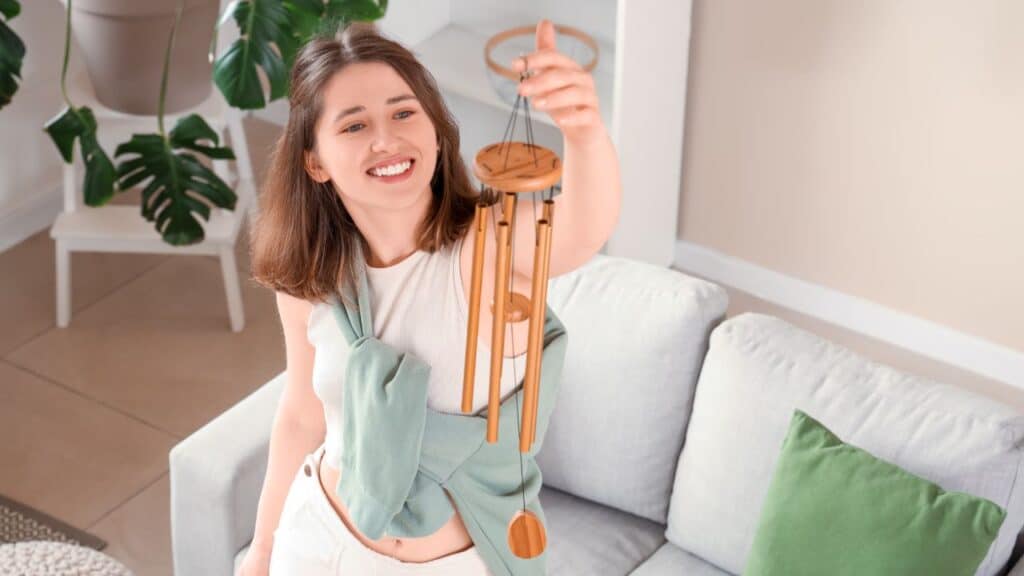
Elements such as wind chimes, fountains, or soft background music can introduce calming, soothing sounds that support relaxation and balance. Classic FM does the same thing for me.