
It can be very easy, as we start to age, to put everything wrong with us down to the fact we’re getting older. We know our body will change, and sad though it is, some things won’t function in quite the same way. We’re semi-prepared for it, so we often put these changes down to nature taking its course.
It’s a mistake to do that too often; if picked up quickly enough, potential problems can be eliminated before they become bigger ones, and your liver falls into this category. Your liver does around 500 jobs a day.
It filters your blood, processes everything you eat and drink, produces proteins, regulates hormones, and stores energy. But after 50, things start to change, and the liver regenerates more slowly. Years of everyday exposure to alcohol, medications, processed food, and environmental toxins start to add up.
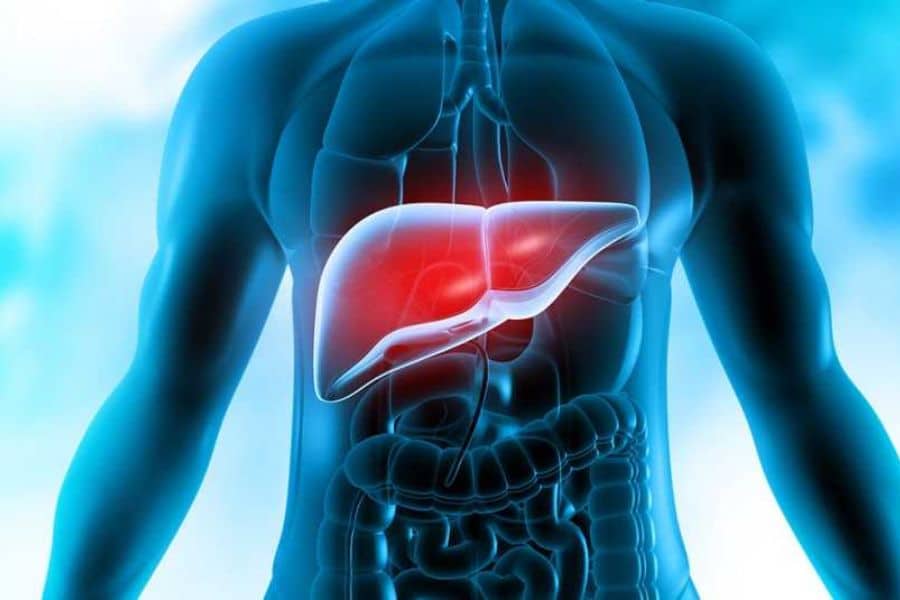
Your Eyes Are Turning Yellow
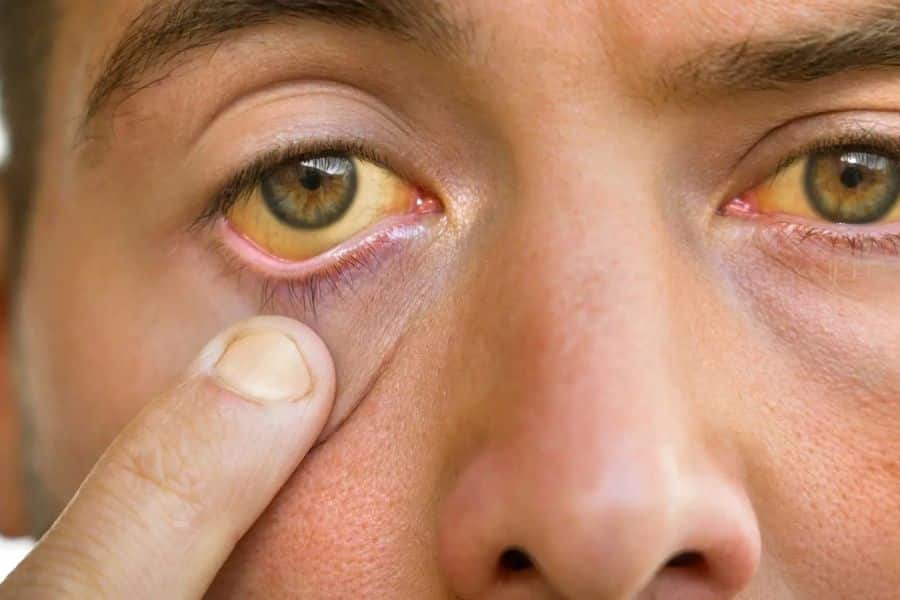
This one is the most recognizable sign of liver trouble, starting with a slight tinge in the whites of your eyes in the corners. You might dismiss it as tiredness or too much screen time.
What’s actually happening is a buildup of bilirubin, a yellow waste compound that a healthy liver breaks down and removes from the blood. When the liver is struggling, bilirubin accumulates. It shows up first in the eyes because the tissue there is thin and transparent.
This condition is called jaundice, and it’s a warning sign that should never be ignored.
Check the whites of your eyes in natural daylight rather than artificial light, which can mask the color shift. If you notice any yellow tinge, even a faint one, get it checked promptly.
Red Webs Appearing on Your Skin
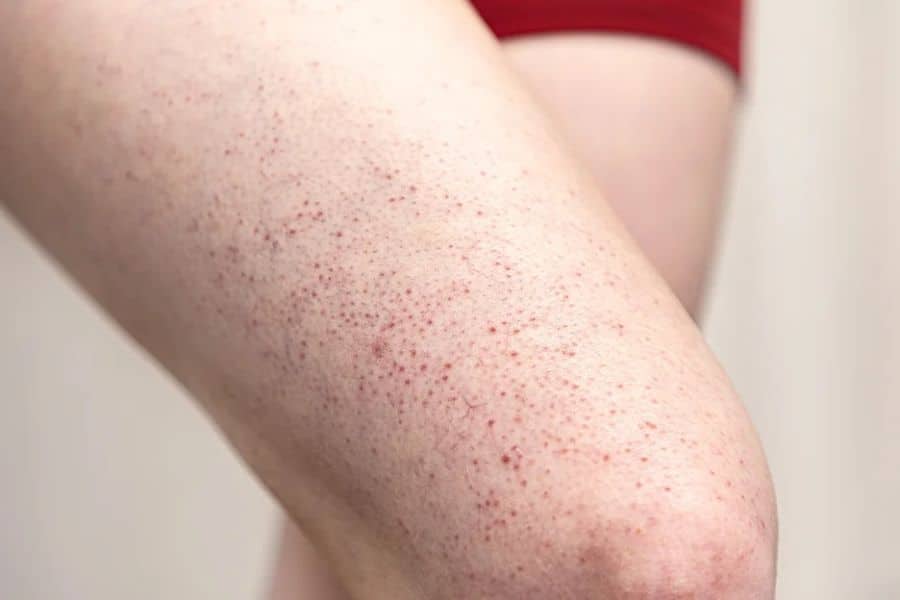
Small clusters of red, web-like marks appearing on your face, neck, or upper chest are called spider angiomas. They form when excess estrogen causes blood vessels near the skin’s surface to expand and branch outward.
The liver is responsible for processing and clearing estrogen from the body. When it’s not functioning well, estrogen builds up, and these tiny red webs start to appear.
A single spider angioma isn’t necessarily a cause for alarm. Multiple appearances in a short period of time is a different story. If you’re seeing several new ones and can’t explain why, raise it with your doctor.
Continuous Itching
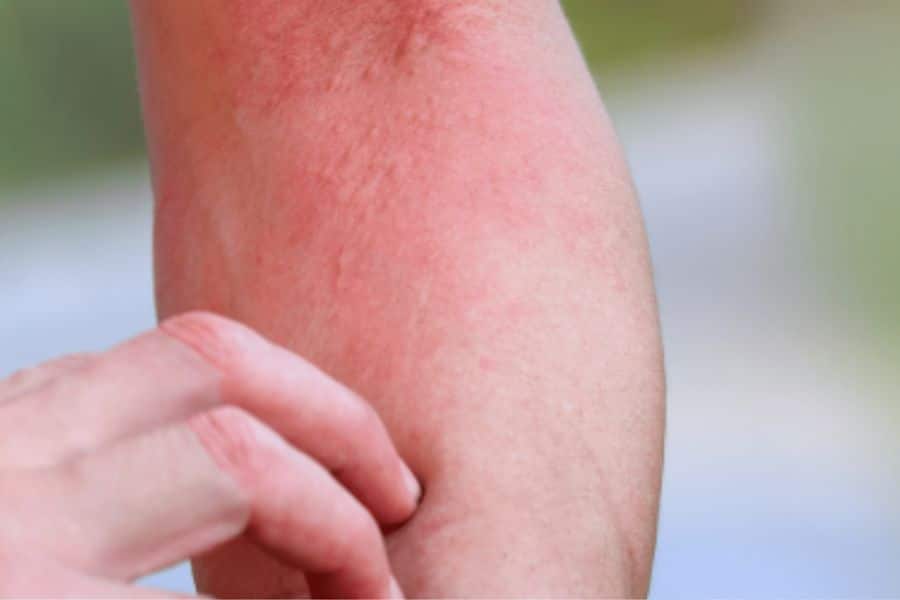
This is one of the most overlooked and frustrating signs of liver trouble, partly because it leads so many people straight to a dermatologist instead.
The itch has no rash, visible trigger, or obvious cause. Creams and antihistamines don’t touch it, and it tends to be worse at night, often concentrating on the palms of the hands and the soles of the feet.
What’s causing it is a buildup of bile salts in the bloodstream. In a healthy liver, bile salts are processed and excreted. When liver function is impaired, they accumulate and deposit in the skin, triggering intense itching.
A study involving over 1,600 patients with chronic liver disease found that more than 40% experienced pruritus, with the itch lasting more than six months in a significant number of cases. If you’ve been scratching for weeks without explanation, don’t assume it’s dry skin. Ask for a liver function blood test.
Something’s Off in the Bathroom
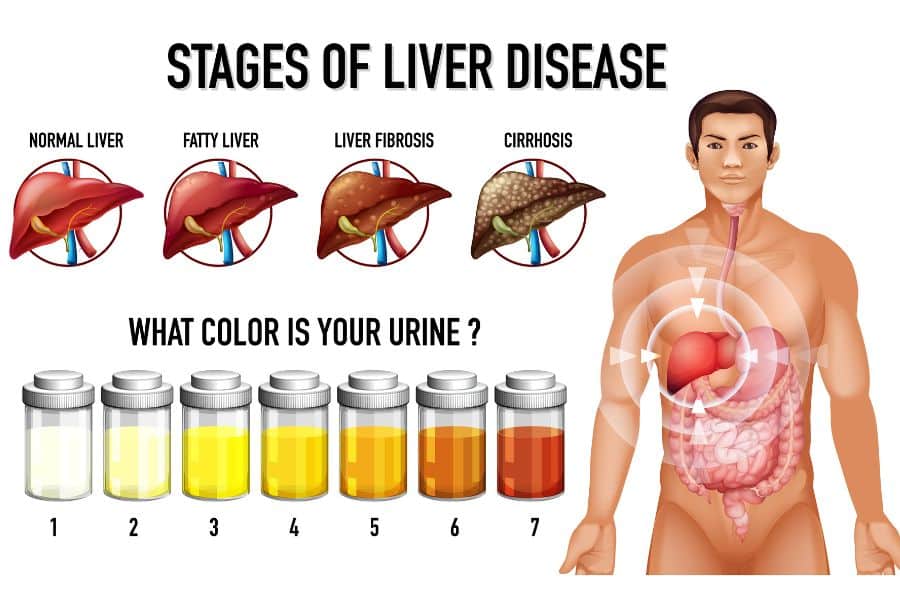
Your bathroom habits are one of the most straightforward windows into how your liver is doing, and most people never think to look.
Healthy bile flow gives stools their normal brown color. When the liver is struggling, and bile production or flow is disrupted, stools can turn pale, gray, or clay-colored. At the same time, bilirubin that should be processed and excreted ends up in the urine instead, turning it dark brown or the color of strong tea.
These changes, together with pale stools and dark urine, are a pairing that doctors take seriously. Either one on its own can have other explanations, but together they point fairly directly to a bile or liver issue.
If you notice this combination lasting more than a day or two, it warrants a call to your doctor rather than a wait-and-see approach.
Tired No Matter What You Do

Tiredness is one of the most common complaints in midlife, with no shortage of explanations: poor sleep, hormonal shifts, stress, a busy life. I’ve had periods where I’ve just felt tired all the time.
But liver-related fatigue has a distinct quality. It doesn’t improve with rest. You can sleep eight hours and wake up feeling like you haven’t slept at all. It’s a low-level, persistent exhaustion that sits in the background every day.
A stressed liver is less efficient at filtering toxins from the blood. Those toxins circulate longer than they should, disrupting cellular energy production. The body is essentially running on a clogged filter.
A review found that fatigue is the most commonly encountered symptom in patients with chronic liver disease, with prevalence estimates ranging from 26% to 70% depending on the underlying condition. If your tiredness is unexplained, unrelenting, and unresponsive to rest, it’s worth including liver function in any investigation.
Bruising Too Easily
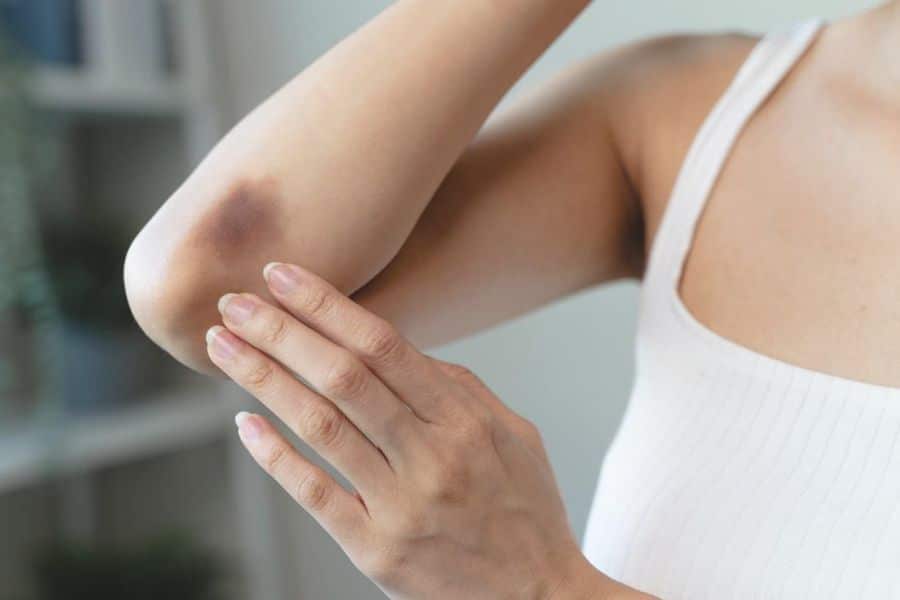
Everyone bruises if you bump into something or knock yourself hard. But if you’re finding large, dark bruises on your arms or legs with no memory of bumping into anything, that’s a different situation.
The liver produces the proteins responsible for blood clotting. When liver function declines, clotting factor production declines as well. Minor bumps that would normally leave no mark begin to produce significant bruising. You might also notice that small cuts take longer to stop bleeding, or that your gums bleed more easily when you brush your teeth.
This sign tends to appear later in the progression of liver dysfunction, which means that if it’s showing up alongside any of the other signs on this list, it’s worth acting on quickly.
Your Legs Are Puffing Up
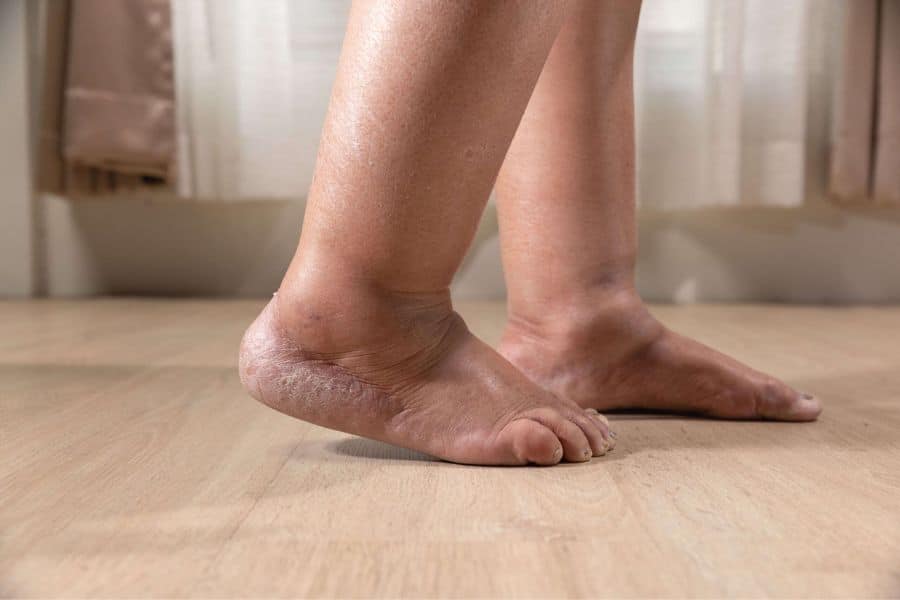
Swollen ankles and legs at the end of the day are easy to attribute to standing for too long, too much salt, or a long flight. Persistent swelling that doesn’t resolve overnight is different.
The liver produces a protein called albumin, which keeps fluid inside the blood vessels where it belongs. When liver function is reduced, albumin production falls, and fluid begins to leak out of the vessels into the surrounding tissue. Gravity pulls it downward, and it pools in the lower legs and ankles.
A simple test is to press firmly on the skin over your shinbone for 5 seconds, then release. If a visible indent remains for several seconds, that’s called pitting edema. Mention it to your doctor, particularly if it’s happening regularly.
Your Breath Smells Strange
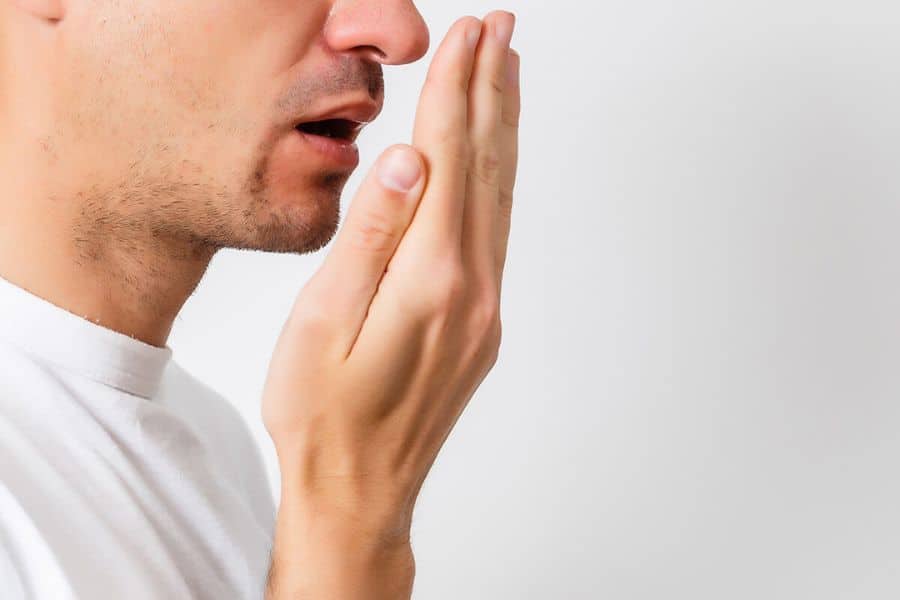
Nobody wants funky smelling breath, and most of us try to do something about it by using mouthwash, but this is not a dental hygiene issue, no matter how much brushing, flossing, or swilling of mouthwash you do.
A sweet, slightly musty odor on the breath, sometimes described as smelling faintly of garlic or decay, is caused by a compound called dimethyl sulfide accumulating in the bloodstream. When the liver can’t clear it, the lungs exhale it instead.
Doctors call this fetor hepaticus. It’s considered a marker of significant liver dysfunction and is more likely to appear when the liver is under serious stress. If a trusted person has noticed an unusual smell on your breath that doesn’t respond to normal oral hygiene, add it to a list of symptoms to discuss with your healthcare provider.
A Dull Ache Under Your Ribs

Your liver sits in the upper right side of your abdomen, directly beneath your ribcage. When it’s inflamed or enlarged, it stretches the fibrous capsule surrounding it. That creates a sensation of pressure, fullness, or a dull, persistent ache in that area.
It’s not sharp. It doesn’t usually feel like the kind of pain that sends you to urgent care. That’s exactly why people ignore it. It gets written off as indigestion, a pulled muscle, or just “one of those things.”
If the sensation is consistent, returns regularly, or is accompanied by any of the other signs in this list, it shouldn’t be ignored. A simple ultrasound can show whether the liver is enlarged and prompt further investigation if needed.
The health and wellness content in this article is for informational purposes only and is not a substitute for professional medical advice, diagnosis, or treatment. Always consult your healthcare provider before making changes to your diet or lifestyle, particularly if you have an existing health condition or are taking medication.