
My husband is the worst culprit when it comes to eating before bed. I don’t know what it is, but he suddenly decides he’s hungry at around 11 pm every night, despite having had a full dinner. And to make it worse, he then indulges in the worst kind of food, usually the sweet kind.
My mom drummed it into me when I was a kid that I wasn’t to eat just before going to bed because it wasn’t good for me. Well, I’d now like to amend that statement slightly to say don’t eat the wrong things before bed.
Why? Because the right snack, around 150 to 250 calories, eaten about 30 to 60 minutes before you turn out the light, can actually help you sleep better. And when you sleep better, your hunger hormones reset properly, your cravings drop, and managing your weight becomes a whole lot easier.
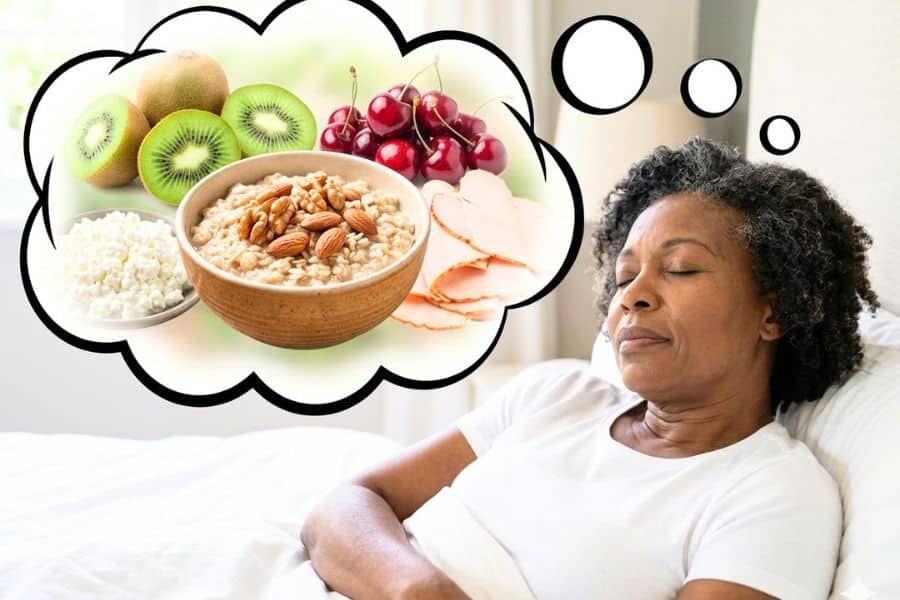
9 Foods You Should Eat at Night to Lose Weight
If you’re a night eater like my husband, try sticking with these 9 foods as your snack of choice to help you not only get a better night’s sleep but also lose weight.
Almonds
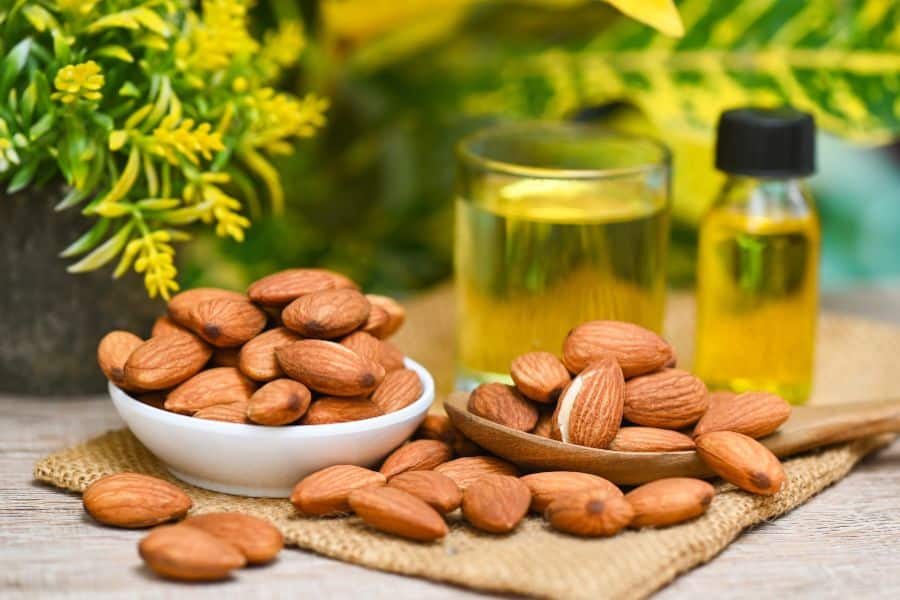
A small handful of almonds might be the easiest bedtime snack you’ll ever add to your routine. They’re packed with magnesium, which helps relax your muscles and calm your nervous system.
Almonds also contain a small amount of melatonin, the hormone your body uses to signal that sleep is coming. One ounce, which is about 23 almonds, is all you need. The healthy fats and fiber keep you satisfied without leaving you feeling heavy.
- A good source of magnesium to help quiet the mind
- Contain natural melatonin to support your sleep cycle
- Healthy fats keep you full through the night
- Stick to a one-ounce portion for best results
Walnuts
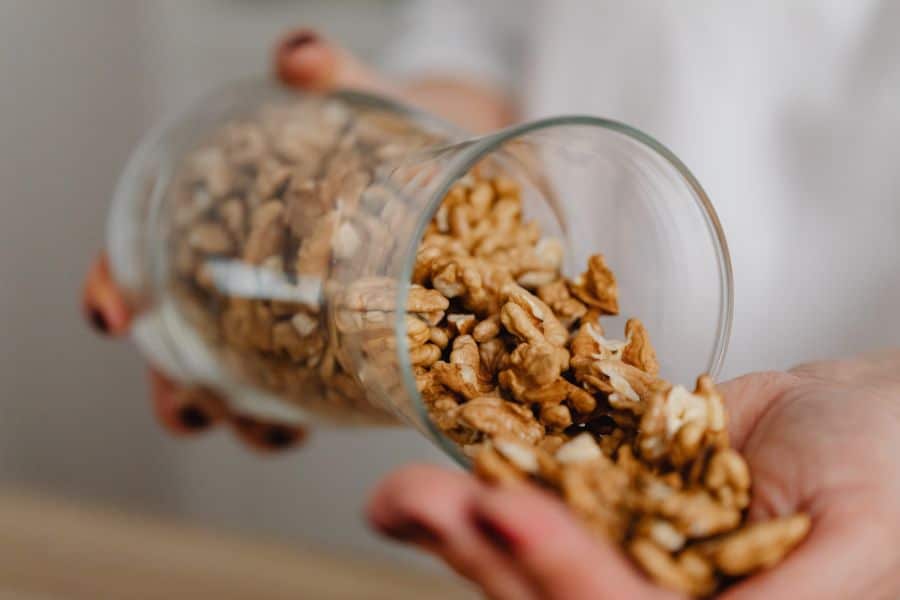
Walnuts also contain melatonin, and eating a small handful before bed can give your body’s levels of this sleep hormone a direct lift.
They’re also loaded with omega-3 fatty acids, which help the body produce serotonin, the brain chemical that promotes relaxation and sets the stage for melatonin production. A one-ounce serving is plenty.
- One of the best food sources of natural melatonin
- Omega-3s support serotonin production and relaxation
- Protein and healthy fat help you stay satisfied overnight
- A small handful is all it takes
Tart Cherries
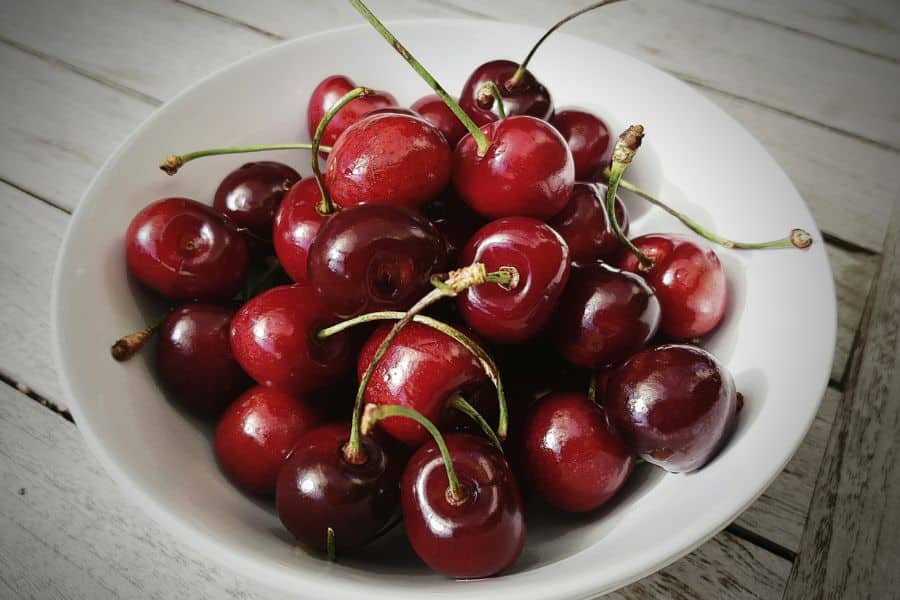
Surprisingly, this is one I’ve managed to get my husband to try and actually like. Tart cherries are one of the most concentrated natural sources of melatonin out there, and studies have shown that drinking tart cherry juice can improve both sleep quality and how long you stay asleep.
If you’re opting for juice, make sure it’s 100% juice with no added sugar. A small four- to six-ounce glass is the right portion size. You can also keep a small bag of dried tart cherries in the cupboard if that’s easier to grab.
- One of the highest natural sources of melatonin
- Studies link tart cherry juice to longer, better quality sleep
- Can help people with insomnia fall asleep faster
- Choose unsweetened juice or a small handful of dried cherries
Kiwi
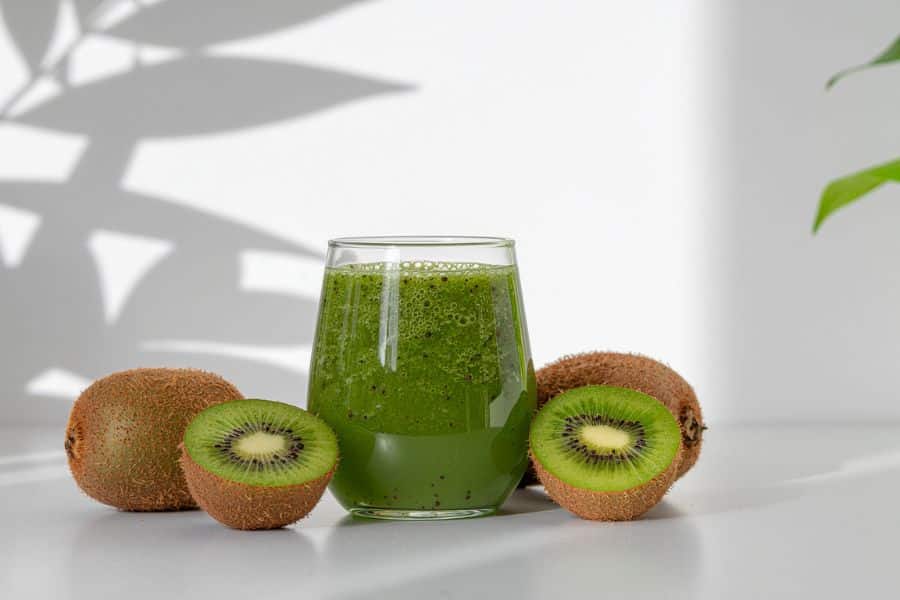
I tried this when I was having trouble sleeping during the height of my menopause, and it seemed to work. A study found that people who ate two kiwis an hour before sleep fell asleep faster and slept for longer. The kiwi contains serotonin, which plays a key role in regulating your sleep-wake cycle.
They’re also high in vitamin C and antioxidants, and they’re light enough that you won’t feel uncomfortable lying down after eating them. One or two medium kiwis is a perfect portion.
- Contains serotonin to help regulate sleep
- Research shows kiwis can reduce the time it takes to fall asleep
- High in vitamin C and antioxidants
- Light and low in calories, easy on the stomach before bed
Greek Yogurt

Greek yogurt ticks two boxes at once. It contains tryptophan, the amino acid your body converts into melatonin, and it contains calcium, which the brain needs to actually make that conversion happen.
The protein is a bonus. It keeps you full through the night, so you’re not waking up at 3 am wondering what’s in the fridge. Always choose plain, unsweetened yogurt to avoid the sugar spike that would work against you.
- Provides tryptophan and calcium, a proven sleep-supporting combination
- High protein keeps hunger at bay overnight
- Probiotics support gut health, which is closely linked to sleep quality
- Half a cup is the right portion; always go plain and unsweetened
Cottage Cheese
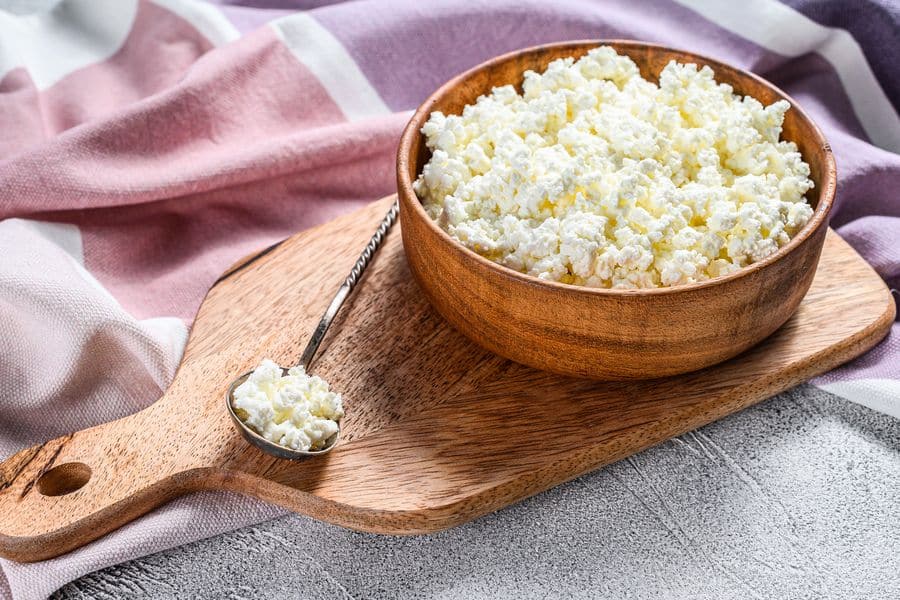
Cottage cheese is one of the best bedtime snacks going. It’s high in lean protein and tryptophan, and because the protein releases slowly, it keeps your blood sugar steady while you sleep. That means fewer wake-ups and a more restful night overall.
A half cup with a few sliced strawberries or a drizzle of honey, and you’re done. Satisfying, easy to digest, and it works.
- Lean protein and tryptophan make it a natural sleep promoter
- Slow protein release keeps blood sugar stable through the night
- Helps prevent those middle-of-the-night wake-ups
- Half a cup is all you need
Turkey
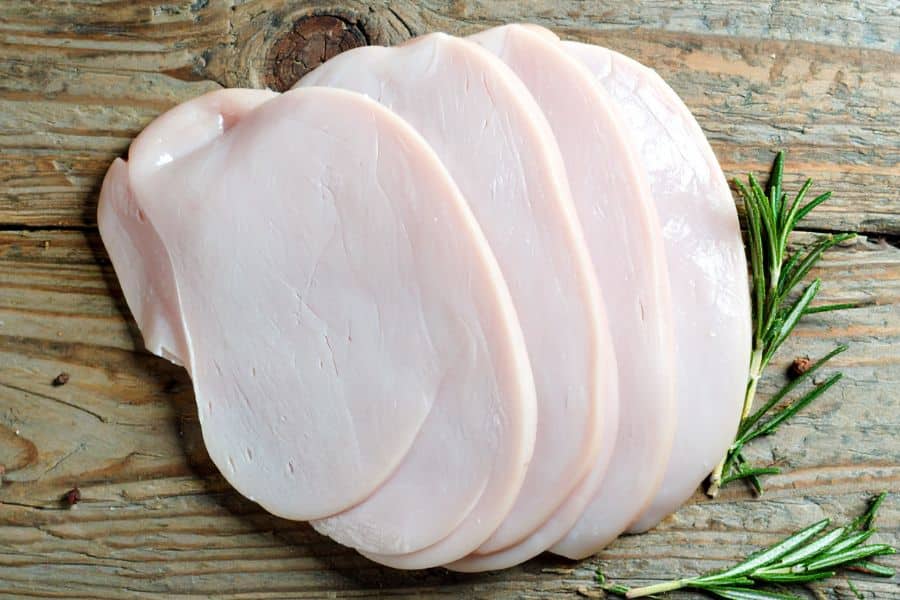
Turkey isn’t the obvious bedtime snack, but it’s one of the richest food sources of tryptophan, and a couple of slices before bed can make you feel noticeably more relaxed and ready to wind down.
The lean protein also means you won’t wake up hungry. If you’re buying deli turkey, go for a high-quality brand with low sodium and few preservatives. Two or three slices are plenty.
- One of the richest food sources of tryptophan
- Lean protein promotes a feeling of fullness overnight
- Tryptophan converts to serotonin and then melatonin
- Choose a low-sodium, preservative-free option where possible
Oatmeal

I love oatmeal and usually have it for breakfast with some fresh berries, but it’s also a great bedtime snack. Oats are complex carbohydrates, and when you eat them, they trigger a small insulin release that helps tryptophan cross into the brain more easily, where it can be used to produce melatonin.
Oats are also a natural source of melatonin themselves. A half cup of cooked oats is the right amount. Stick to plain oats rather than sugary instant packets, which will spike your blood sugar and work against everything you’re trying to achieve. I usually go for the large, unrefined oats as they are better for you and taste so much nicer than the packet stuff.
- Complex carbohydrates help tryptophan reach the brain
- Oats are a natural source of melatonin
- Warm, comforting, and easy to digest
- Choose plain oats and keep the portion to half a cup cooked
Chamomile Tea

Technically not a food, but too good to leave off the list. A warm cup of chamomile tea is the ideal zero-calorie way to round out your evening. It contains an antioxidant called apigenin, which binds to brain receptors that reduce anxiety and promote sleepiness.
I love a cup of tea before bed and nearly always opt for a herbal strawberry and vanilla one, which isn’t a sleep promoter but works for me. Just make sure you’re using a caffeine-free herbal tea, not one with chamomile as a minor ingredient.
- Naturally caffeine-free and zero calories
- Contains apigenin, an antioxidant that promotes sleepiness and reduces anxiety
- The warm liquid itself has a calming effect
- Helps establish a consistent wind-down routine before bed