
As we get older, our memory isn’t what it used to be. That’s certainly the case for me. Too many times, I go to say something, then have a complete memory block and forget what I wanted to say.
The other classic is just not being able to think about the right word. It’s as if my brain has completely stopped working. Then, to add insult to injury, about two hours later, I remember the word I had struggled to think of. I’ve been putting it down to menopause and aging, believing there isn’t much I can do about it.
However, it turns out there is something you can do about your memory decline. Researchers are uncovering a powerful connection between your gut and your brain. The two are in constant communication through what scientists call the gut-brain axis, and the microbes living in your digestive system have a surprising amount to say about how well your memory holds up as you age.
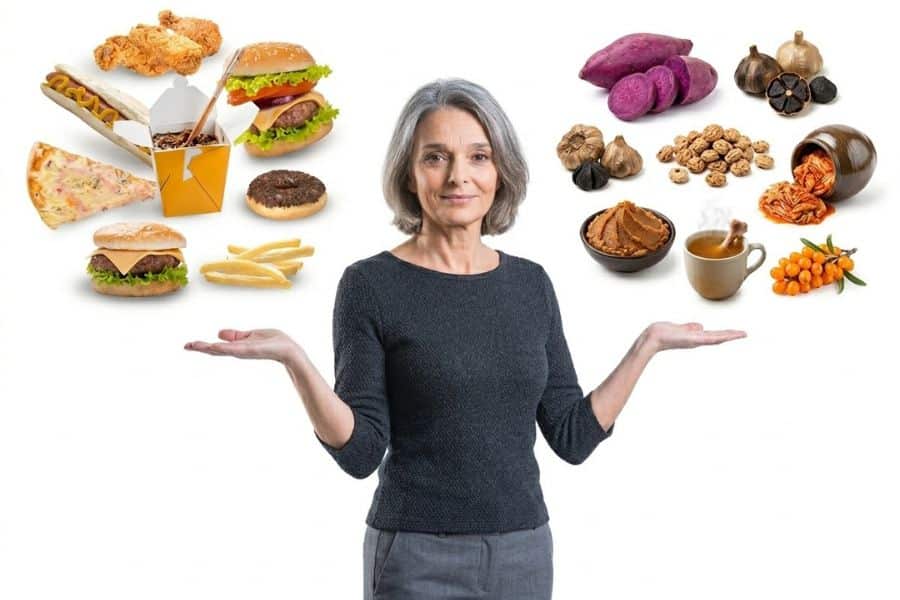
7 Foods Proven to Fight Memory Decline
When I started to do my research, I found the usual info about blueberries and walnuts, but as I dug deeper, I found some really interesting studies around other types of food that were having a lot of success.
Purple Sweet Potato
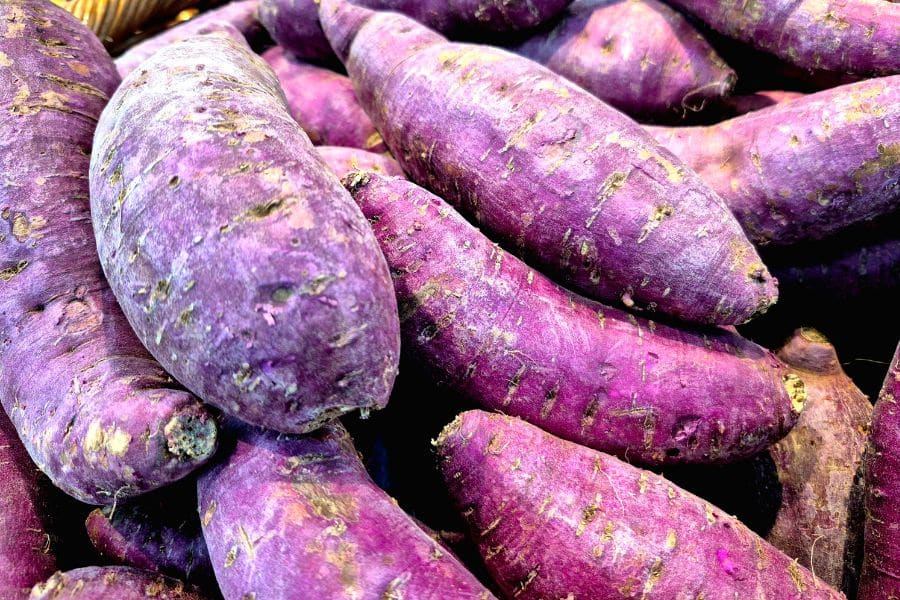
Purple sweet potatoes are packed with anthocyanins, a type of antioxidant that gives them their striking hue and, more importantly, their brain-protective power.
Research shows that the anthocyanins in purple sweet potatoes reduced memory impairment and oxidative damage in aging mouse brains, with improvements in behavior linked to reduced neuroinflammation and better antioxidant activity in the hippocampus
These anthocyanins get to work on brain inflammation and oxidative stress, two of the biggest drivers of age-related memory decline.
Roast them, mash them, or slice them into oven fries. Pair them with a little olive oil to help your body absorb the nutrients, and you’ve got one of the easiest brain-boosting swaps on your plate.
Black Garlic
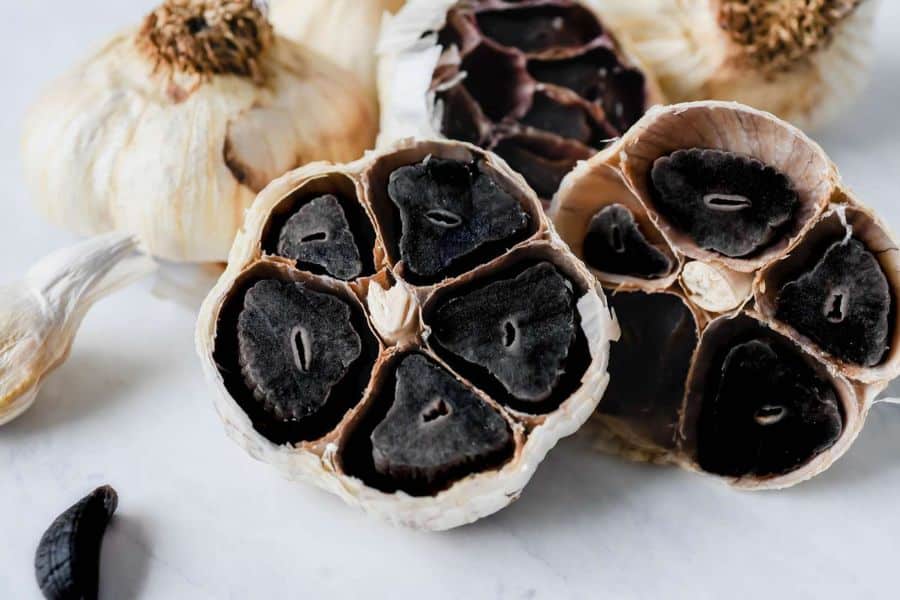
Living in France, I know all about garlic. We have fields of the stuff over here, and the French eat it with nearly everything. Most people know garlic is good for them, but black garlic takes that up several notches. Made by slowly fermenting regular garlic for weeks at low heat, it develops a sweet, molasses-like flavor without the sharp bite. It also develops far higher concentrations of a compound called S-allyl cysteine.
Research shows that black garlic extract protected working memory in rats exposed to a neurotoxin, with treated animals performing significantly better in memory tests than those left untreated.
The bonus? Because it’s fermented, black garlic is gentler on the stomach than raw garlic and far less likely to make you socially unpopular.
Try it sliced into soups, stirred into dressings, or spread on toast as an alternative to butter. A few cloves go a long way.
Found this useful? Get more like it in your inbox as a Lifestyle Library Insider.
Tiger Nuts
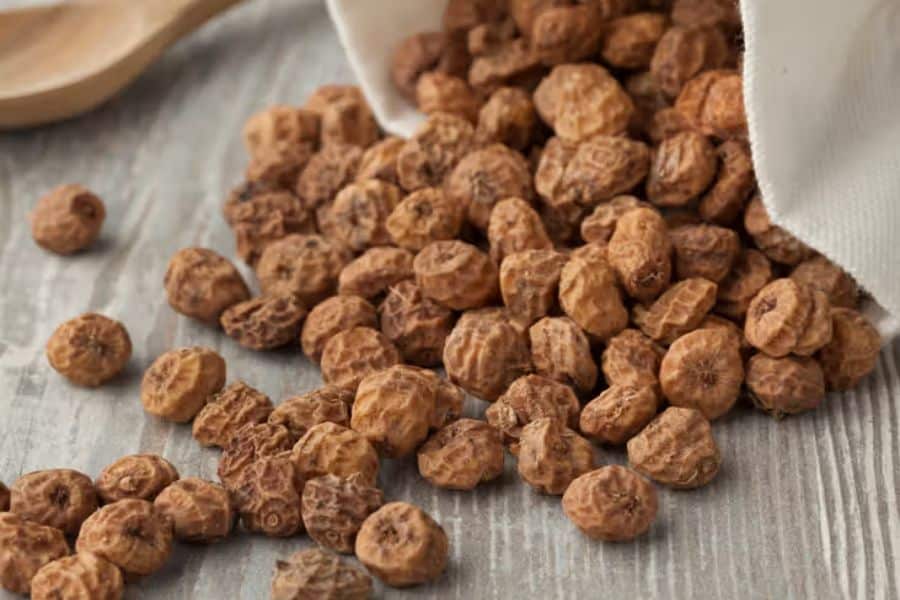
Despite the name, tiger nuts are not nuts at all. They’re small, wrinkled tubers with a subtly sweet, slightly earthy flavor. And they’ve been eaten for thousands of years across Africa and the Mediterranean.
A study found that tiger nut extract reversed scopolamine-induced memory loss in mice, reduced brain oxidative stress, and improved antioxidant enzyme activity, leading researchers to conclude that regular consumption may offer real benefits for memory-related conditions.
Tiger nuts are one of the richest prebiotic foods available, loaded with resistant starch and fiber that feed the beneficial bacteria in your gut. When those bacteria thrive, they produce butyrate, a short-chain fatty acid that fuels brain cells and helps keep neuroinflammation in check.
Snack on them raw, soak them overnight for a softer texture, or grind them into flour for baking. They’re also the base of horchata, the creamy Spanish drink.
Kimchi
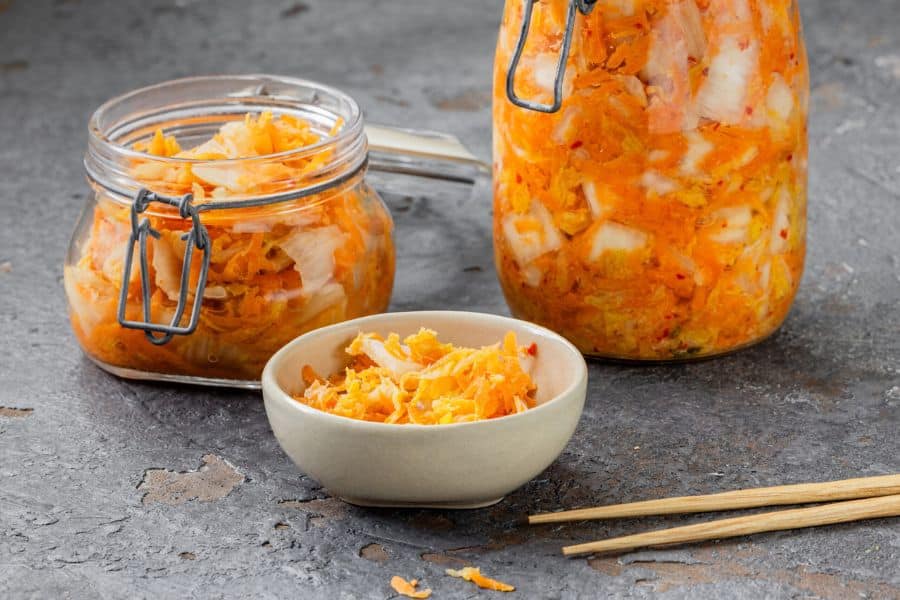
Kimchi is a traditional Korean fermented vegetable dish, typically made from cabbage and radish with garlic, ginger, and chili, is teeming with beneficial bacteria that go to work on your gut-brain connection.
Research shows that lactic acid bacteria isolated from kimchi protected against memory deficits in mice, with specific strains increasing hippocampal BDNF expression, a protein critical for brain cell growth and memory retention.
A further study found that kimchi extract and its bioactive compounds reversed cognitive and memory impairments in mice injected with amyloid-beta, the protein linked to Alzheimer’s progression, by reducing oxidative stress and brain inflammation.
Look for kimchi in the refrigerated section of larger supermarkets or Asian grocery stores. The unpasteurized versions contain live cultures and are the ones you want. Start with a small spoonful alongside eggs or in a grain bowl if you’re new to the flavor.
Miso
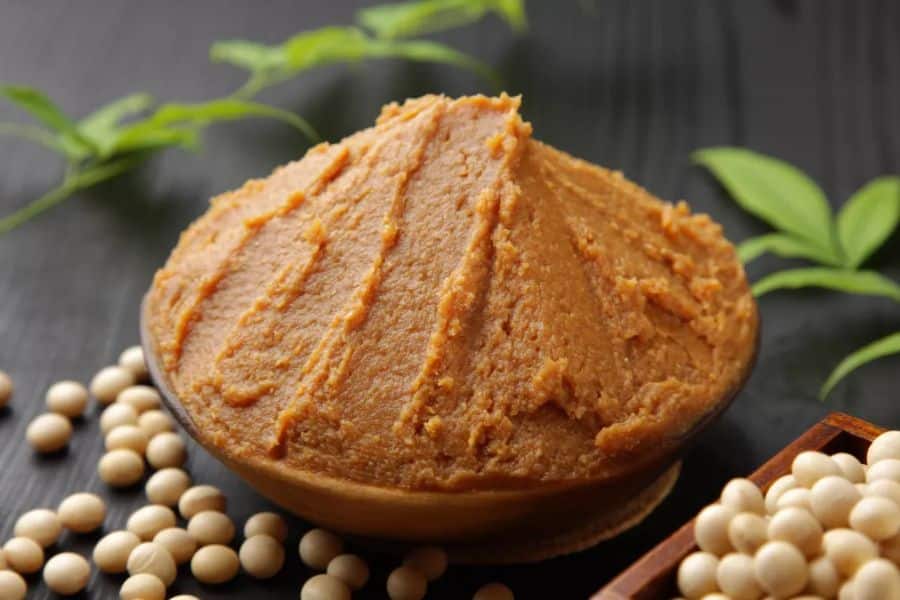
Miso is a fermented soybean paste and has been a staple of Japanese cuisine for centuries. It’s also one of the most underrated brain foods around. The fermentation process transforms the soybeans in ways that make their nutrients more available to your body, while also producing beneficial bacteria and bioactive compounds your gut loves.
A randomized controlled trial found that fermented soy significantly improved memory scores in cognitively healthy older adults after 12 weeks, with particular benefits seen in postmenopausal women.
The key is choosing unpasteurized, traditionally fermented miso to keep those live cultures intact. Add a spoonful to salad dressings, stir it into warm (not boiling) water as a quick broth, or use it as a marinade for fish. Just a small amount daily makes a difference.
Bone Broth

Bone broth, when slow-simmered from animal bones and connective tissue, is rich in collagen peptides and amino acids, particularly glycine and proline, that support both gut and brain health.
A pilot clinical study found that participants aged 49 to 63 who took collagen hydrolysates daily for four weeks showed measurable improvements in verbal memory performance alongside observable changes in brain structure.
Glycine acts as an inhibitory neurotransmitter and helps regulate neuronal communication. A healthy gut lining, which collagen supports, also prevents inflammatory compounds from leaking into the bloodstream and reaching the brain.
Homemade bone broth made from high-quality bones will give you the most nutrients. But there are good store-bought options too. Just check the label and look for clean ingredients with no additives. Add turmeric or ginger while simmering to layer in more anti-inflammatory benefits.
Sea Buckthorn Berries

I’d not heard of this one before. But sea buckthorn is a spiky shrub that grows across Europe and Asia, producing small, tart, bright orange berries that are exceptional in nutritional value.
Research found that sea buckthorn polysaccharides improved learning and memory in Alzheimer’s model mice, reducing amyloid-beta deposits and neuronal cell death through anti-inflammatory and antioxidant mechanisms.
Sea buckthorn is rich in a rare fatty acid called omega-7, along with omega-3, flavonoids including isorhamnetin, vitamin C, and vitamin E. These compounds work together to reduce brain inflammation, support blood flow to the brain, and protect neurons from oxidative damage.
You’ll find sea buckthorn as a juice, oil, or dried berries in health food stores and online. The juice is tart and best mixed into smoothies or diluted with water. The oil can be taken as a daily supplement. It’s not the easiest thing to find on a regular supermarket shelf, but it’s worth the search.
Disclaimer: This article is for informational purposes only and does not constitute medical advice. The information provided here is not intended to diagnose, treat, cure, or prevent any disease or health condition. Always consult a qualified healthcare professional before making changes to your diet, particularly if you have an existing medical condition or are taking medication.
About this article: Our health articles are based on published studies and advice from experts such as physiotherapists and dietitians, and the sources are linked in the article.
Disclaimer: The content in this article is for informational purposes only and is not intended to replace professional medical or nutritional advice. Always consult your doctor or a registered dietitian before making significant changes to your diet, particularly if you have a health condition, a food allergy, or take medication. This article may contain affiliate links.
Become a Lifestyle Library Insider
Health tips, money know-how, travel deals and garden ideas for life after 50, straight to your inbox.

Kylie Lang is a nationally syndicated travel journalist with bylines on the Associated Press Wire & more, a lifestyle writer, and the founder and editor of Your Lifestyle Library (yourlifestylelibrary.com). She holds a BA (Honours) in History from the University of Kent and is a member of the British Guild of Travel Writers.