
How many times have you eaten a meal only to feel hungry an hour later? I know it’s happened to me more times than I can count, and when I look at the foods involved, there are always some common denominators. The culprits all send my blood sugar sky high.
Is it any wonder then that you find yourself rummaging through the kitchen cupboards looking for more food an hour or so after your meal? And before you start blaming your lack of willpower, it’s not you, it’s them. And by them, I mean the foods that are telling your brain it’s time to eat again.
Understanding which foods trigger this response is one of the best things you can do for your waistline and your hunger hormones. You don’t necessarily need to eat less, just smarter.
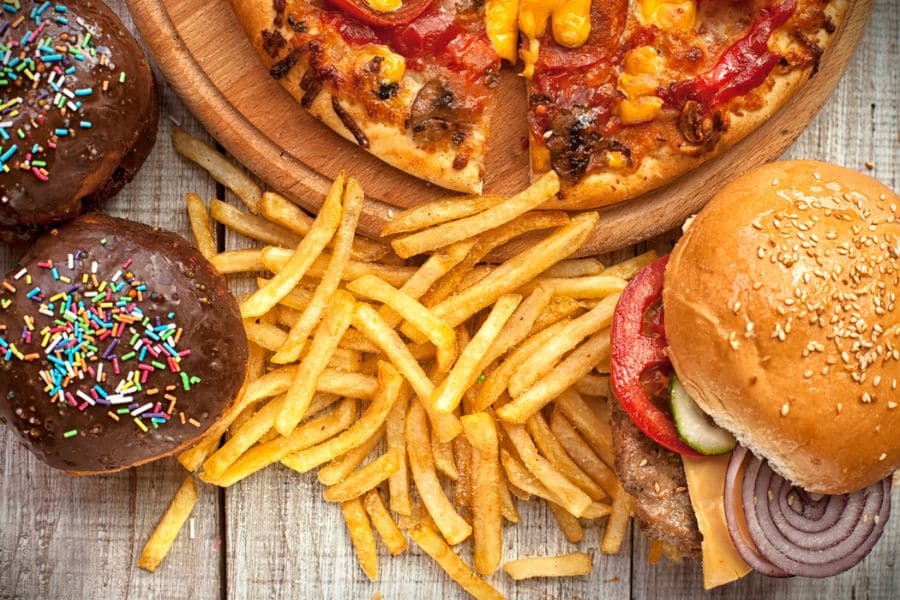
9 Foods That Leave You Hungry
These are the foods most likely to be behind that relentless, post-meal hunger that has you digging into the freezer for ice cream or raiding the cookie jar.
Before we get into the foods, it’s worth understanding the role ghrelin plays in all of this. Ghrelin is the hormone your stomach produces when it’s empty. Think of it as your body’s internal alarm clock, going off to tell your brain it’s time to eat. The problem is, certain foods set that alarm off way too early.
White Rice
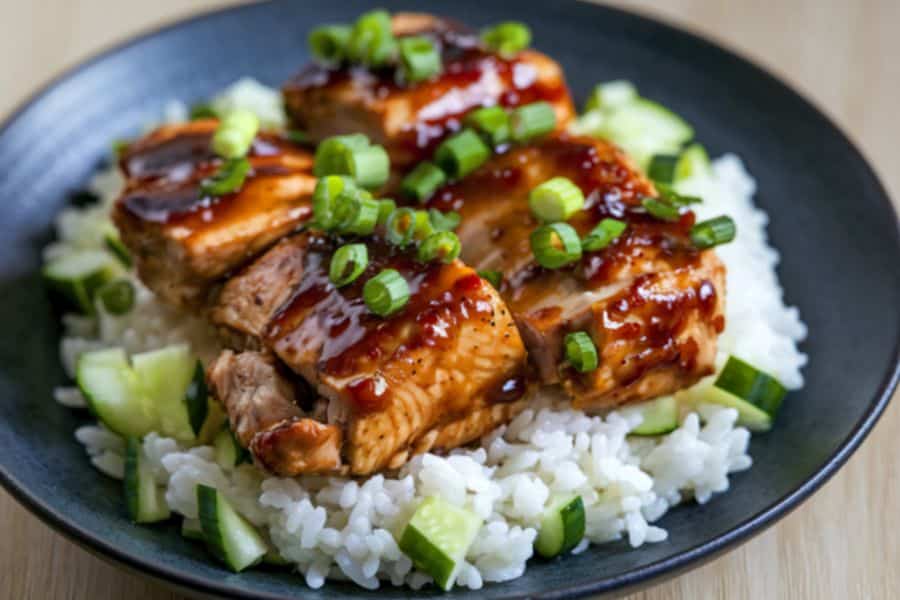
White rice is a highly refined grain that’s been stripped of its bran and germ during processing. What’s left behind is mostly starch with very little fiber, protein, or fat. Those three things are exactly what your body needs to slow down digestion and keep you feeling satisfied.
Without them, white rice moves through your digestive system fast. Your blood sugar spikes quickly and then drops sharply, and that drop signals a surge of ghrelin. Before your plate is even washed, your body is already asking for round two.
Fried Foods
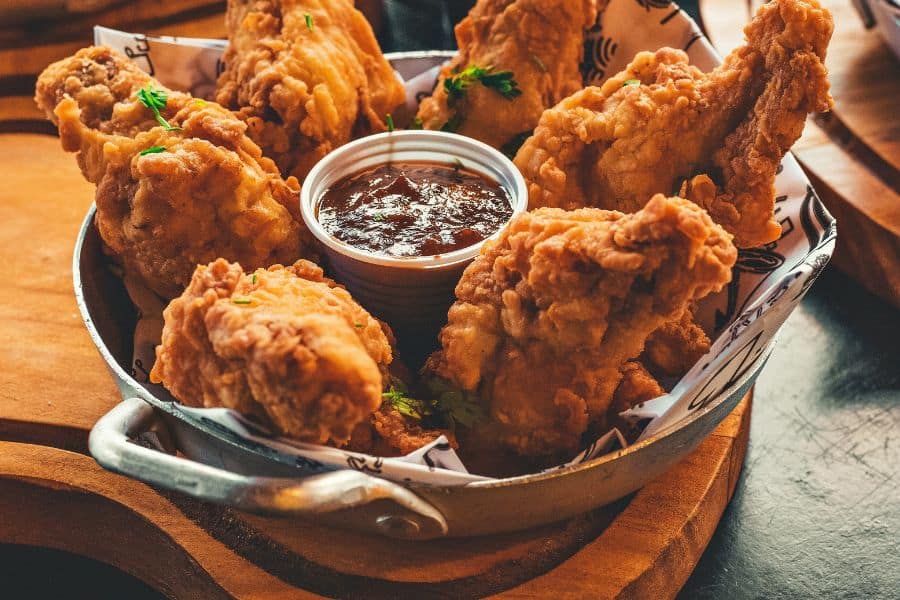
Before you drive to your nearest fast food place for a bucket of fried chicken, think about the consequences. Fried foods are typically low in fiber and protein, which means the temporary fullness fades faster than you’d expect. It might taste good, but it won’t fill you for long.
On top of that, the high sodium content in most fried food can trigger thirst that your body mistakes for hunger. So you reach for more food when really, what you needed was water. The list is long, but some of the foods to avoid include French fries, onion rings, donuts, mozzarella sticks, corn dogs, fried fish, and tempura.
White Bread
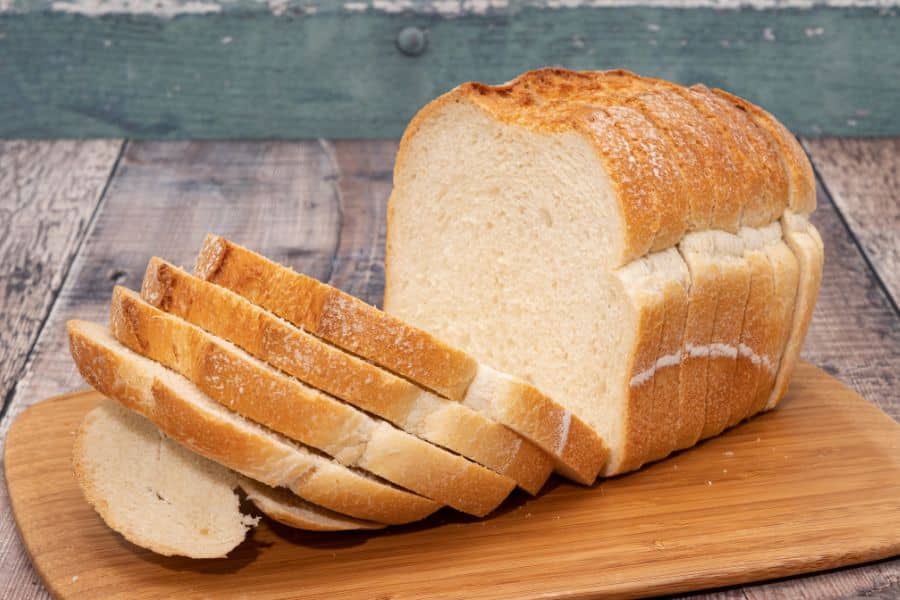
White bread is made from refined flour, which means the fiber-rich bran and nutrient-dense germ have been removed. What’s left has a very high glycemic index, meaning it converts to glucose almost immediately after you eat it. Your blood sugar shoots up fast, insulin rushes in to deal with it, and then blood sugar crashes.
Research has found that people with weight issues who trigger blood sugar spikes with refined carbs get ravenously hungry once that crash hits. Their brain regions linked to reward and food craving also become more active, making the urge to eat again even harder to resist.
Non-Whole Grain Pasta

Regular white pasta is another refined carbohydrate that skips the satiety signals. The bran and germ are gone, so digestion is rapid, and blood sugar fluctuations follow. Most store-bought pasta is made from refined flour and offers very little fiber to slow things down.
Whole-grain pasta, by contrast, takes longer to digest because the fiber is still intact. That delays gastric emptying and keeps blood sugar steadier, which means your hunger hormones stay quiet for longer.
Fast Food

Fast food is engineered to taste great, not keep you full. A landmark study followed 20 people on both ultra-processed and whole-food diets. People on the ultra-processed diet ate an average of 508 extra calories per day and gained about 2 pounds in just 2 weeks. When eating whole foods, ghrelin levels dropped after meals. On the ultra-processed diet, that suppression didn’t happen in the same way.
Fast food is also designed to be eaten quickly. The softer texture means less chewing, and less chewing means the satiety signals that normally kick in from thorough chewing are delayed or missed entirely. You finish before your brain has had a chance to register that you’re done.
Potato Chips
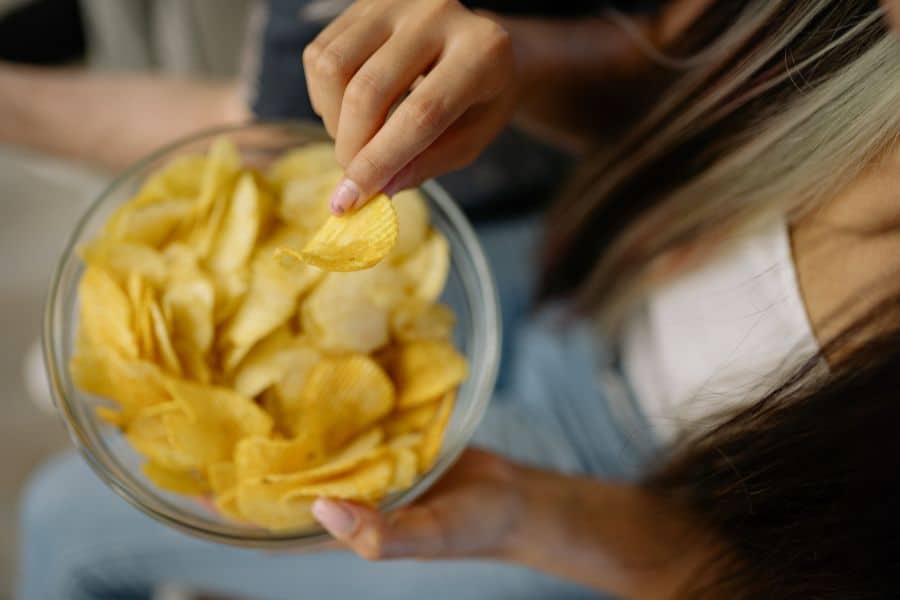
I know they taste good and are the perfect game-time snack, but potato chips hit a triple when it comes to keeping you hungry. They’re high in refined carbs and sodium and have almost no fiber or protein. The refined carbs cause the familiar blood sugar spike-and-crash. The salt drives thirst that gets misread as hunger. And because there’s nothing substantial to slow digestion, your stomach empties fast.
There’s also the palatability problem. Chips are specifically formulated to be irresistible. The combination of fat, salt, and crunch overrides your natural fullness cues, making it very easy to keep going well past the point where you should have stopped.
Candy
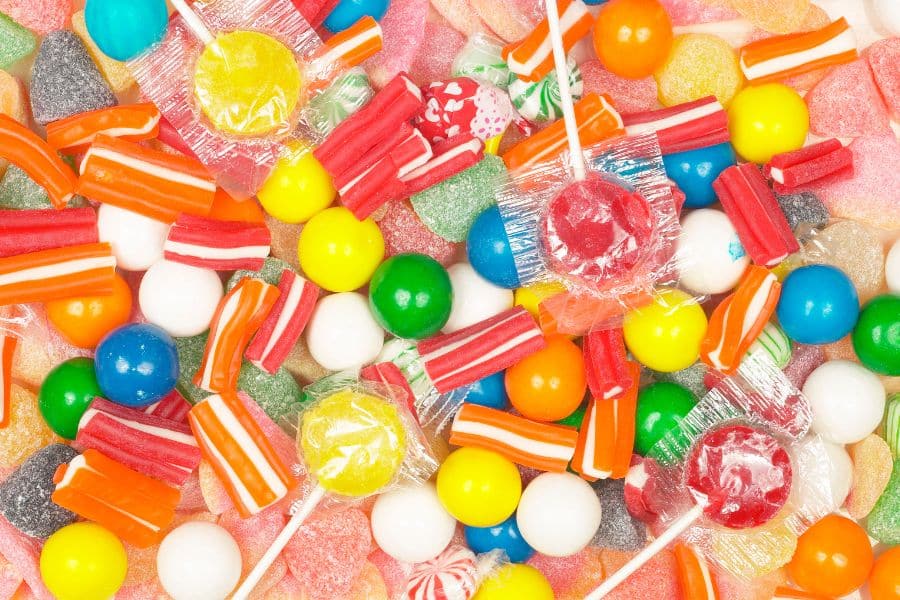
Candy is pure sugar with nothing to buffer it. No fiber, no protein, no fat. The result is an almost instant spike in blood sugar, a corresponding surge in insulin, and then a sharp crash that brings ghrelin charging back in. A study found that women who consumed more sugar at breakfast reported significantly greater hunger before lunch and ate considerably more during that meal than women who consumed less.
A study by researchers at Yale School of Medicine found that regular consumption of high-fat, high-sugar food sensitized brain reward circuits to food cues and decreased preference for lower-calorie options, even in people of healthy weight. The brain was essentially being rewired to want more.
High Sugar Foods (Low Fat/Fat Free)
When manufacturers remove fat from a product, they typically replace it with sugar and refined carbohydrates to restore the taste. You end up with something that spikes your blood sugar almost as fast as candy, and without the fat that would have slowed digestion down.
Fat plays a real role in satiety. It delays gastric emptying, which means food stays in your stomach longer and you stay fuller for longer. Remove the fat, and that satiety signal disappears.
A 2025 study found that sucralose, the no-calorie sweetener commonly found in low-fat products, increased activity in the hunger-regulating hypothalamus and left people feeling significantly hungrier compared to drinking a sugar-sweetened drink. The sweet taste arrives without the calories the brain is expecting, and your brain responds by pushing you to eat more.
Pre-Packaged Meals
Convenience meals have a lot going against them from a satiety standpoint. They tend to be low in fiber, low in protein, and high in sodium. The sodium issue is particularly sneaky because it triggers thirst that your body can easily interpret as a need for more food.
Pre-packaged meals are also ultra-processed by nature, which means the food structure itself has been broken down during manufacturing. That pre-digestion means your body does less work and absorbs the carbohydrates more quickly. The hunger hormone response that follows whole food meals, where ghrelin drops and appetite-suppressing hormones rise, is weaker or delayed with ultra-processed meals.
Disclaimer: This article is for informational purposes only and is not intended as medical, nutritional, or dietary advice. Always consult with a qualified healthcare professional or registered dietitian before making significant changes to your diet, especially if you have a medical condition or health concerns.