
If there’s one thing that tends to sneak up on you in your fifties, it’s your bones. You can’t feel them getting weaker, and most people have no idea anything is wrong until a fracture happens or a routine scan reveals bone density has dropped.
By the time you hit fifty, you’ve already passed your peak bone mass years. What you do now is about holding onto what you have. And what you eat makes a real difference.
Dietitians consistently point to calcium as the cornerstone of bone health, and the National Institutes of Health recommends women over 51 get 1,200mg per day. Most of us are falling well short of that. The nine calcium-rich foods below are some of the best ways to close that gap.

9 Calcium-Rich Foods For Healthier Bones After Fifty
Calcium is only part of the picture. Your body also needs protein, magnesium, phosphorus, and vitamins D and K to actually put that calcium to work in your bones. The foods below deliver more than just one of these nutrients, which is why dietitians tend to recommend them over supplements where possible.
Cottage Cheese
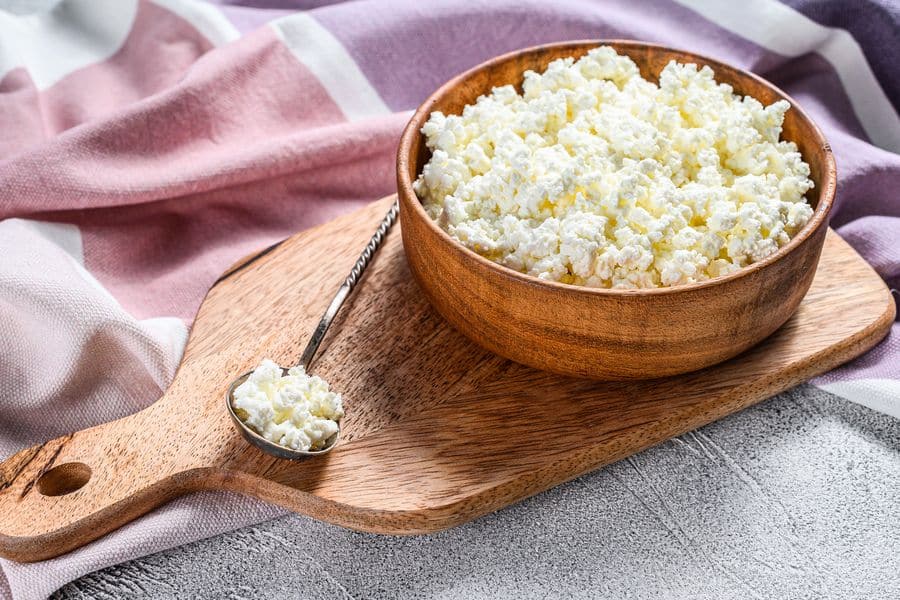
A cup of low-fat cottage cheese gives you around 138mg of calcium, along with around 300mg of phosphorus and roughly 25g of protein, all three of which matter for bone density.
Calcium is what your bones are built from. Phosphorus works alongside it to form the mineral structure that keeps bones rigid and strong. And protein? Research shows it helps maintain bone mineral density and can reduce fracture risk as you get older. Cottage cheese delivers all three in one place.
The sodium content is worth watching, particularly if you have high blood pressure, because it can interfere with calcium retention. Go for a low-sodium variety where you can find one.
Try it as a savory snack with cucumber and black pepper, or mix it into scrambled eggs for a protein boost that sets you up for the day.
Almonds
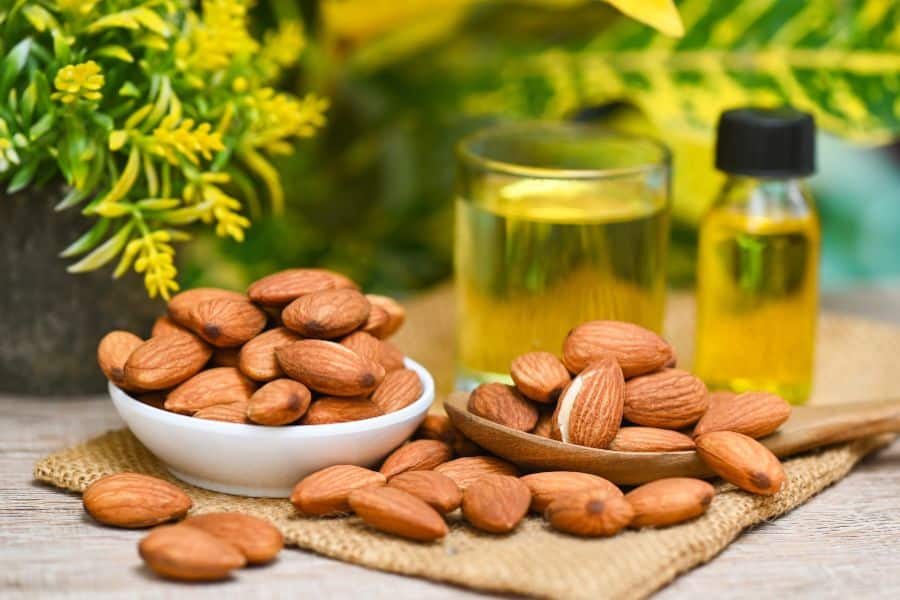
Almonds are the highest-calcium nut you can eat. A three-quarter cup serving contains around 320mg of calcium, which is a significant chunk of your daily requirement from a food most of us already have in our pantry.
But the calcium content is only part of why dietitians talk about almonds for bone health. They also deliver magnesium, which the body needs to convert vitamin D into its active form. Without enough magnesium, your body struggles to absorb calcium properly, even if you’re eating plenty of it.
A study found that serum from people who had eaten almonds reduced the formation of osteoclasts, the cells responsible for breaking down bone.
A small handful as an afternoon snack is enough to make a difference. Almond butter spread on whole-grain toast also works well, and 2 tablespoons provide over 100mg of calcium on their own.
Yogurt

Eight ounces of plain, low-fat yogurt delivers around 415mg of calcium, which is a third of the daily recommended amount for women over 51 in a single serving. That makes it one of the most efficient sources of calcium you can easily add to your diet.
A study of older adults found that those who ate more yogurt had higher bone mineral density and better physical function scores than those who ate less.
Beyond calcium, yogurt contains phosphorus, potassium, and vitamins B and K, all of which support bone metabolism.
Go for plain over flavored wherever possible. Fruit-flavored yogurts can carry a lot of added sugar, which does your bones no favors. Add your own berries, a drizzle of honey, or a tablespoon of chia seeds. Greek yogurt works just as well and tends to be higher in protein.
Bok Choy
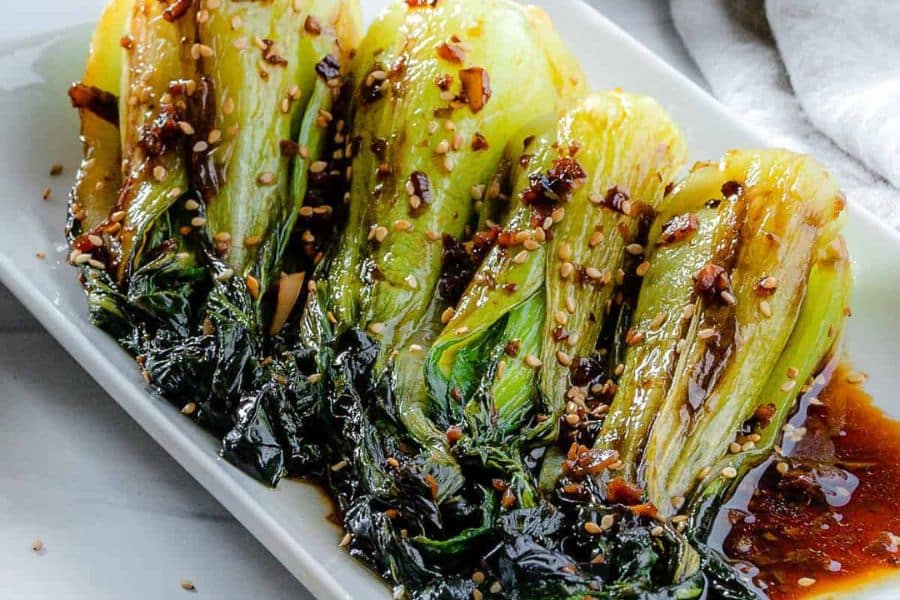
One cup of cooked bok choy contains around 158mg of calcium, which puts it ahead of many dairy products, gram for gram.
Bok choy is highly bioavailable, meaning your body can actually absorb and use it, unlike some plant-based sources where calcium is bound to compounds that block absorption.
Bok choy also contains vitamins C and K. Vitamin K is crucial for bone health because it activates a protein called osteocalcin, which binds calcium into the bone matrix. Without enough vitamin K, calcium cannot be properly incorporated into your bones, even when you’re eating plenty of it.
Add bok choy to a stir-fry with garlic and sesame oil, toss it into soups, or steam it lightly as a side dish. It has a mild flavor that works with almost everything.
Dried Figs
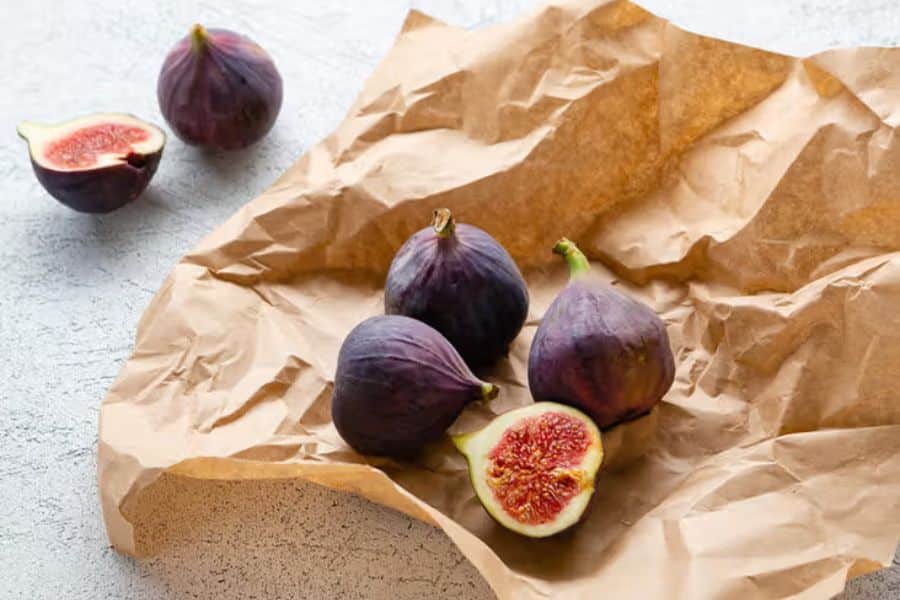
Two dried figs contain around 65mg of calcium. Half a cup gives you closer to 120mg. Figs also contain vitamin K, and the two nutrients work together in a way that matters for bones. Calcium builds and maintains bone structure, but vitamin K directs it there. It activates the proteins that pull calcium from the blood and bind it into the bone matrix.
A diet low in vitamin K can cause calcium to circulate in the bloodstream rather than go where it needs to.
Slice dried figs over oatmeal in the morning, add them to a cheese board, blend them into a smoothie, or chop them up and stir into yogurt. They are naturally sweet, so they work as a snack on their own, too. Just watch portion sizes because the sugar content adds up quickly.
Kale
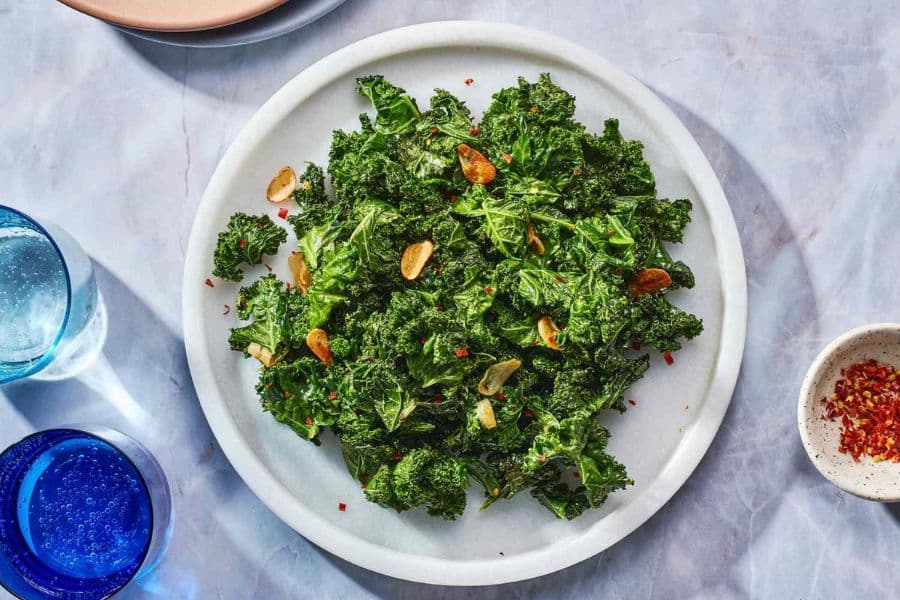
A cup of raw kale gives you 24mg of calcium. Cook it down, and that comes to around 94mg per cup; you tend to eat more of it cooked anyway.
Kale is one of the richest dietary sources of vitamin K1, the plant form of vitamin K. Research consistently links adequate vitamin K intake to better bone mineral density and reduced fracture risk.
A 2022 review found that vitamin K supplementation was associated with lower fracture rates in adults. Kale also contains magnesium and vitamin C, which support the production of collagen, the protein that forms the scaffolding on which bone mineralizes.
Massage raw kale with a little olive oil to soften it for salads, or roast it in the oven with olive oil and a pinch of salt for kale chips that are genuinely addictive. It also works well wilted into soups, pasta, or eggs.
Sardines
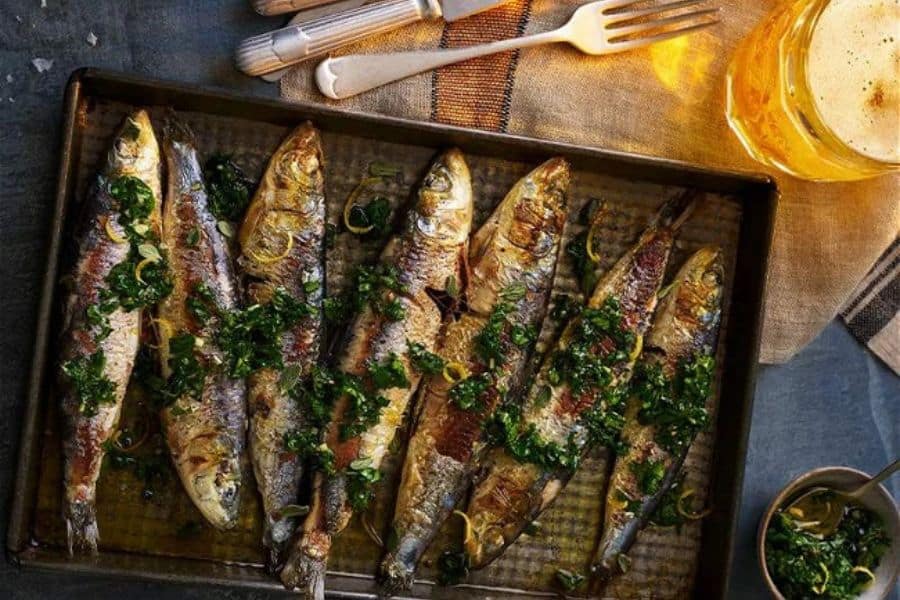
A three-ounce serving of canned sardines delivers around 325mg of calcium, more than canned salmon and more than a cup of milk. That makes them one of the most calcium-dense foods on this entire list.
The reason sardines are so good for bones is the same reason canned salmon is. You eat the tiny, soft bones along with the fish, and those bones are loaded with calcium your body can readily absorb.
They also come with a generous serving of vitamin D, which is essential for getting that calcium out of your digestive system and into your bones, plus omega-3 fatty acids that help keep inflammation in check. Chronic inflammation is one of the key drivers of bone loss after fifty, so the omega-3 content matters more than most people realize.
Open a can and mix them with olive oil, lemon juice, and a little Dijon mustard for a simple spread on whole-grain toast. Add them to pasta with capers and cherry tomatoes for a quick weeknight dinner.
Chia Seeds
One ounce of chia seeds, roughly two tablespoons, contains around 177mg of calcium. That is about 14% of your daily recommended intake from two tablespoons of tiny seeds. They are also one of the few plant foods that provide calcium alongside magnesium and phosphorus in one hit.
The omega-3 fatty acids in chia seeds add another layer of benefit. They have anti-inflammatory properties that may help protect against bone loss. Chronic inflammation is a known driver of bone breakdown, particularly after menopause.
Stir them into overnight oats, mix them into yogurt, blend them into a smoothie, or make a simple chia pudding by soaking two tablespoons in a cup of milk or oat milk overnight. Soaking them first is the better move for digestion, and it makes them much easier to eat anyway.
Canned Salmon
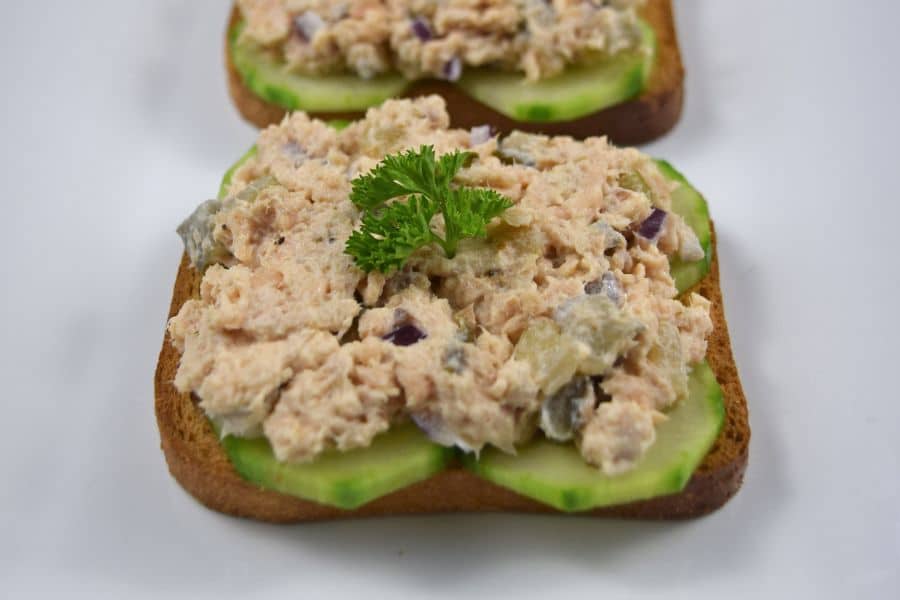
A three-ounce serving of canned salmon contains around 180mg of calcium, while the same amount of fresh salmon provides only about 36mg. The difference comes down to the tiny, soft bones that are included in the canning process and that you eat along with the fish.
Calcium from salmon bones is well absorbed by the body, making it a useful dietary calcium source. On top of that, canned salmon is rich in vitamin D, which is essential for calcium absorption, and in omega-3 fatty acids, which support bone health through their anti-inflammatory effects.
Mix it with a little mayonnaise and lemon juice to make a salmon spread for crackers or whole-grain toast. Stir it into pasta. Add it to salads. It is one of the most affordable, convenient, and underused bone-strengthening foods you can keep in your pantry.
Disclaimer: The information in this article is correct at the time of publishing and is intended for general informational purposes only. It does not constitute medical or nutritional advice. Please consult your healthcare provider before making changes to your diet, especially if you have an existing health condition or are taking medication that may affect bone health.
Disclaimer: This article is for general information only and is not professional advice. It may contain affiliate links. Please see our full Editorial Policy for details.

Kylie Lang is a nationally syndicated travel journalist with bylines on the Associated Press Wire & more, a lifestyle writer, and the founder and editor of Your Lifestyle Library (yourlifestylelibrary.com). She holds a BA (Honours) in History from the University of Kent and is a member of the British Guild of Travel Writers.