
My daughter was a competitive figure skater and represented Great Britain at a high level, and her sports nutritionist gave us lots of advice over the years. Lunch was always a lean chicken breast with veg, and he stressed the importance of protein for building muscle, which she needed as skating is such a physically demanding sport. Steak was another item on the menu, along with a very expensive protein powder for on-the-go.
So what if you’re a vegetarian or vegan? How do you get enough protein to build the muscle you need, either in high-performance sport or in general? Recent research shows that plant protein can build muscle just as well as meat. In some cases, it does an even better job.
A 2021 systematic review published in the journal Nutrients examined 18 studies and found no significant difference in lean muscle mass or strength gains between animal and plant protein. It turns out that one of my favorite things to put in a curry is packed with the protein we need to build muscle.
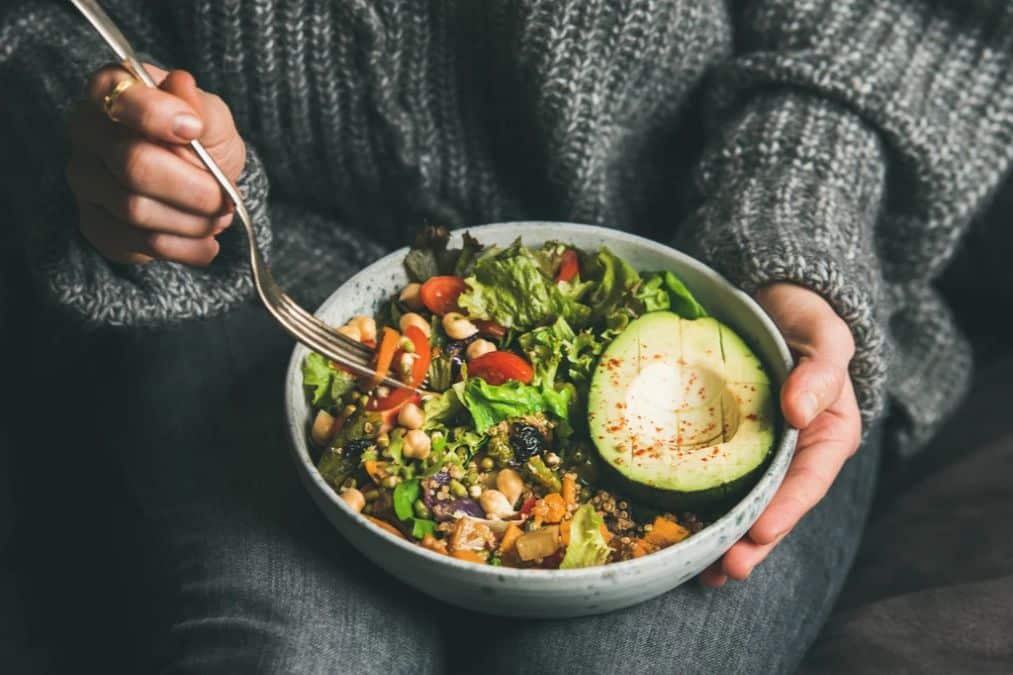
7 Plant Foods That Build Muscle Better Than Meat
These seven plant foods deserve a lot more credit than they get for helping build muscle.
1. Chickpeas: The Humble Legume Packing a Serious Punch
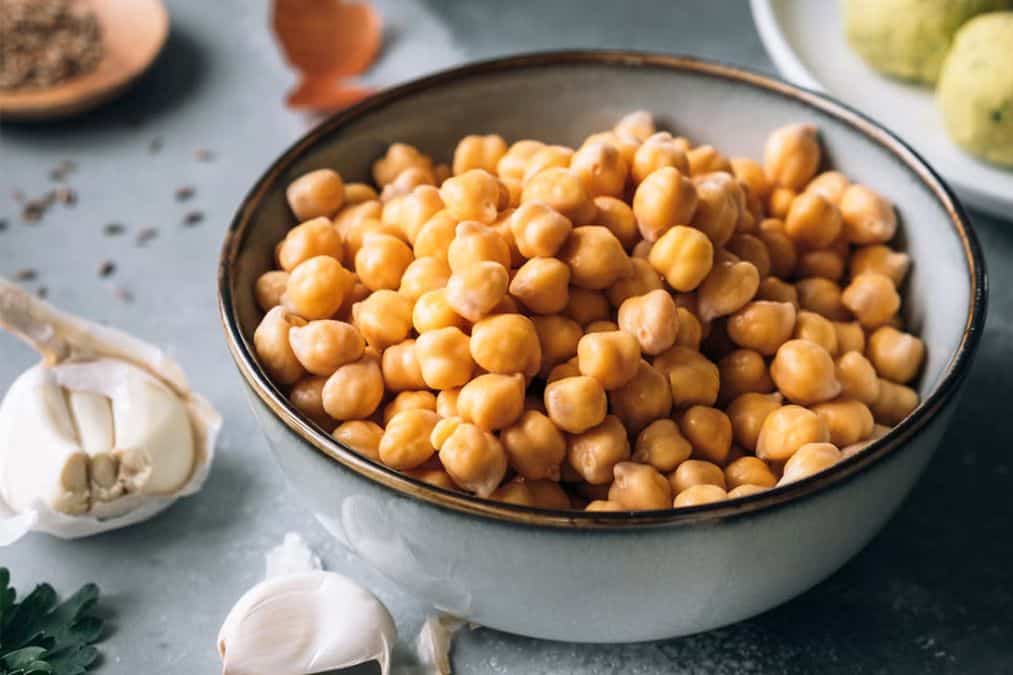
One cup of cooked chickpeas gives you around 15 grams of protein. They also provide complex carbohydrates, iron, magnesium, and phosphorus. All of these support muscle function and recovery. They’re not a complete protein on their own. But pair them with a grain like brown rice, and you’ve covered your amino acid bases for the day.
They contain branched-chain amino acids, including leucine, isoleucine, and valine. These are the amino acids your body calls on during and after resistance training. They’re also packed with manganese, which helps your body produce the connective tissue that holds your muscles together.
And they cost almost nothing, and make a great addition to any curry.
2. Hemp Seeds: A Complete Protein in a Tiny Package

Three tablespoons of hemp seeds deliver around 10 grams of protein. That doesn’t sound like much until you realize they’re one of the only plant foods that contain all nine essential amino acids in one go. That makes hemp seeds a complete protein, putting them in rare company among plants.
They’re also rich in omega-3 fatty acids. That matters for muscle building because omega-3s help reduce inflammation after exercise, which means faster recovery. A 2024 review confirmed that hemp seeds contain bioactive compounds, including polyphenols and terpenoids, that provide antioxidant and anti-inflammatory properties, largely linked to their high essential fatty acid content.
Sprinkle them on yogurt, blend them into a smoothie, or stir them into oatmeal. They have a mild, nutty taste. And they’re one of the easiest protein boosts you’ll ever add to your day.
3. Lentils: 18 Grams of Protein Per Cup and Then Some

One cup of cooked lentils gives you approximately 18 grams of protein. That’s more than many cuts of meat per serving. Lentils also contain iron, folate, potassium, and fiber. Iron is especially worth mentioning here because it carries oxygen to your muscles during exercise. Without enough of it, your workouts suffer.
Like chickpeas, lentils are not a complete protein on their own. They’re low in methionine. But combine them with grains or seeds across the day, and you’re covered.
Lentils are great if you’re in a hurry, as they cook fast. Red lentils take about 15 minutes on the stovetop. That makes them one of the most practical high-protein foods you can add to a busy week. Add them to soups, stir them through curries, or use them as a base for a protein-packed salad.
4. Pumpkin Seeds: Tiny, Crunchy, and Surprisingly Powerful

One ounce of pumpkin seeds gives you around 8-9 grams of protein. Per 100 grams, that jumps to approximately 19 grams. But the protein isn’t the only reason they pack a powerful punch. Pumpkin seeds are one of the best plant sources of zinc. And zinc plays a direct role in muscle protein synthesis. It’s also involved in testosterone regulation, which affects how your body responds to strength training.
They’re also rich in magnesium, which supports muscle contractions and helps prevent cramping. I tend to get a lot of cramp so I have been adding them to my diet to help my magnesium levels.
Eat them as a snack, toss them on salads, or stir them into granola. Pumpkin seed protein powder has also become popular among athletes seeking a plant-based option free from soy and dairy.
5. Tempeh: The Fermented Food That Beats Tofu for Protein

Fermented foods have been growing steadily in popularity, and Tempeh is made from fermented soybeans. It’s been eaten in Indonesia for centuries. And if you haven’t tried it yet, it might be time to change that.
Per 100 grams, tempeh contains about 19-20 grams of protein. That’s more than tofu. And because it’s soy-based, it contains all nine essential amino acids. It’s a complete protein.
The fermentation process breaks down some of the compounds in soybeans that can make digestion tricky. So tempeh is generally easier on your stomach than many other soy products.
Tempeh is also one of the best plant-based sources of leucine. Leucine is the amino acid most directly linked to triggering muscle protein synthesis. Soy-based foods like tempeh consistently top the list for leucine content among plant proteins.
Slice it and pan-fry it, crumble it into tacos, or marinate and grill it. It has a firm, slightly nutty flavor that takes on seasoning really well.
6. Seitan: The Highest-Protein Plant Food Most People Have Never Heard Of
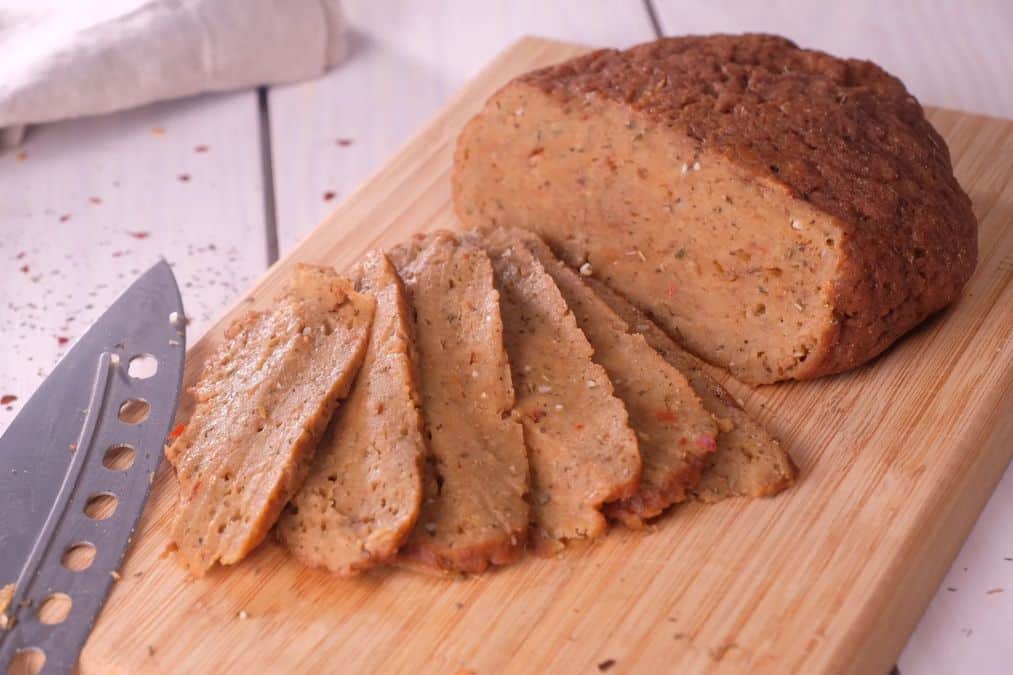
Seitan is made from wheat gluten. It’s also known as wheat meat. And for good reason. It has a texture so close to meat that many people can’t tell the difference in a stir-fry or kebab. Per 100 grams, seitan contains around 25 grams of protein. That’s higher than most cuts of chicken breast.
It’s been used in Asian cuisine for centuries, particularly in Buddhist cooking, where meat is avoided.
The one thing to flag here is that seitan is made entirely from gluten. If you have celiac disease or a gluten sensitivity, seitan is not for you. But for everyone else, it’s one of the most concentrated sources of plant protein available.
Seitan is not a complete protein on its own. It’s low in lysine. Pair it with legumes like chickpeas or lentils to balance it out. Use it in stir-fries, slice it into sandwiches, or thread it onto skewers with vegetables and throw it on the grill.
7. Pea Protein: The Plant-Based Powder That Rivals Whey
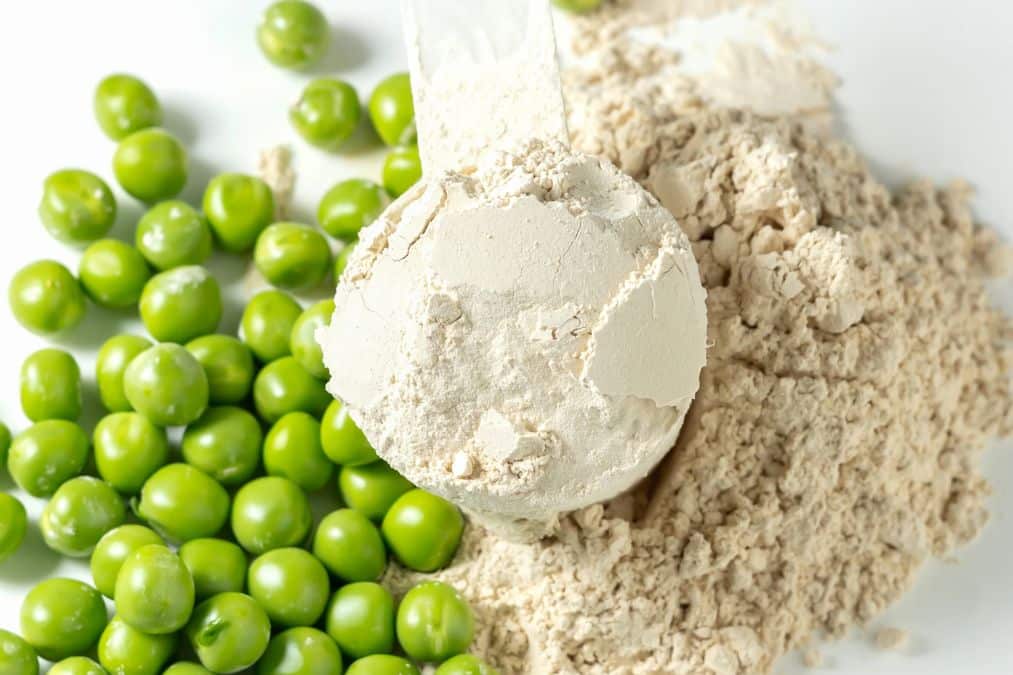
Pea protein is the one that’s really been putting plant protein on the map in research circles.
A 2022 clinical trial found that participants using pea protein saw a 16.1% improvement in whole-body muscle strength after 84 days, compared to 11.1% for those using whey.
Pea protein comes from yellow split peas. It’s high in branched-chain amino acids, particularly arginine, which supports blood flow to muscles during training. It’s also free from dairy, gluten, and soy, which makes it one of the most allergy-friendly protein options around.
You’ll find it in powder form in most health food stores and online. Add it to smoothies, oatmeal, or baked goods for an easy protein boost.
How Much Protein Do You Actually Need?
The general guidance for people doing regular strength training is around 1.6 to 2.2 grams of protein per kilogram of body weight per day. Some experts suggest plant-based eaters aim slightly higher to account for differences in digestibility.
That sounds like a lot. But when you consider that a cup of lentils gives you 18 grams, a serving of tempeh gives you 20, and three tablespoons of hemp seeds add another 10, it starts to add up faster than you’d think.
A Quick Word on Combining Plant Proteins
You might have heard that you need to combine certain plant foods at every single meal to get a complete protein. That’s an older idea that nutritionists have largely moved away from.
What matters is getting a range of amino acids across the whole day, not necessarily in every sitting. Your body maintains what’s called an amino acid pool, drawing from it as needed. So if you eat lentils at lunch and hemp seeds at dinner, your muscles are covered.
Disclaimer: This article is for informational purposes only and is not intended as medical or nutritional advice. Always speak with a qualified healthcare professional or registered dietitian before making significant changes to your diet, especially if you have an existing health condition, food allergy, or specific fitness goals. The studies referenced are published in peer-reviewed journals and linked directly for your reference, but individual results can vary.
Disclaimer: This article is for general information only and is not professional advice. It may contain affiliate links. Please see our full Editorial Policy for details.

Kylie Lang is a nationally syndicated travel journalist with bylines on the Associated Press Wire & more, a lifestyle writer, and the founder and editor of Your Lifestyle Library (yourlifestylelibrary.com). She holds a BA (Honours) in History from the University of Kent and is a member of the British Guild of Travel Writers.