
Retirement is slowly but surely creeping up on me, and not unlike many people, I’ve started to look seriously at how much I’m going to have in my retirement fund. I’m starting to regret not having started looking sooner.
In my 20s, the idea of saving for my retirement dream seemed ridiculous because it was too far off. I enjoyed traveling around the world instead. So now, I’m faced with a smaller pot than I’d like, so I started researching places where I could retire to and not have to have a fortune saved.
What I found surprised me. I wasn’t expecting to find such a variety of places available to me. Not to mention that many of them give me the lifestyle I want for around $1,000 a month.

1. Ecuador

Ecuador is affordable, beautiful, and has been attracting savvy retirees for years to live out their retirement dream.
The retirement visa typically requires between $800 and $1,000 per month in verifiable income, and once you have residency, you’re entitled to a 50% discount on public transportation, utilities, and entertainment.
Healthcare is where Ecuador surprises most people. A doctor’s visit at a private clinic can cost as little as $25 to $40. Private health insurance for a healthy retiree in their 60s often runs between $80 and $150 per month, covering hospitalizations, specialist visits, and prescriptions.
The city of Cuenca has an established expat community with English-speaking doctors and modern private hospitals.
The cool mountain climate in the Andes means you’ll never need air conditioning or heating.
- Monthly budget estimate: $700 to $950
- Visa/residency route: Retirement Visa (Jubilado), requires $800/month minimum income
- Healthcare access: Low-cost private clinics; public system available to residents
- Best areas to consider: Cuenca, Loja, Salinas
- Standout perk: 50% discount on many services by law once you have residency
Ecuador (Jubilado/Retirement Visa) Apply through the official Ecuador Ministry of Foreign Affairs digital portal
2. Vietnam

Vietnam doesn’t have a formal retirement visa, but what it does have is some of the lowest living costs in Southeast Asia and a private healthcare system that has improved dramatically over the last decade.
Most retirees stay long-term on a combination of tourist visa extensions and e-visas, or they set up a business entity to secure longer residency. It takes a little planning, but thousands of Americans do it successfully every year.
The real draw is how far your money stretches. A comfortable two-bedroom apartment in Da Nang rents for $400 to $600 per month. A full meal at a local restaurant costs between $2 and $5. Private international health insurance, which most expats use here, runs around $100 to $200 monthly and covers treatment at international hospitals where English is spoken and standards are high.
Da Nang sits on the coast, with nearby mountain access, easy airport connections, and a relaxed pace. Ho Chi Minh City suits people who want more energy, more options, and a bigger expat network.
- Monthly budget estimate: $700 to $1,000
- Visa/residency route: E-visa extensions; business registration for longer stays
- Healthcare access: Private international hospitals in major cities; out-of-pocket costs remain low
- Best areas to consider: Da Nang, Hoi An, Ho Chi Minh City
- Standout perk: Some of the lowest day-to-day living costs anywhere in the world
Vietnam (E-Visa) Apply through the official Vietnam Immigration Department portal.
3. Portugal
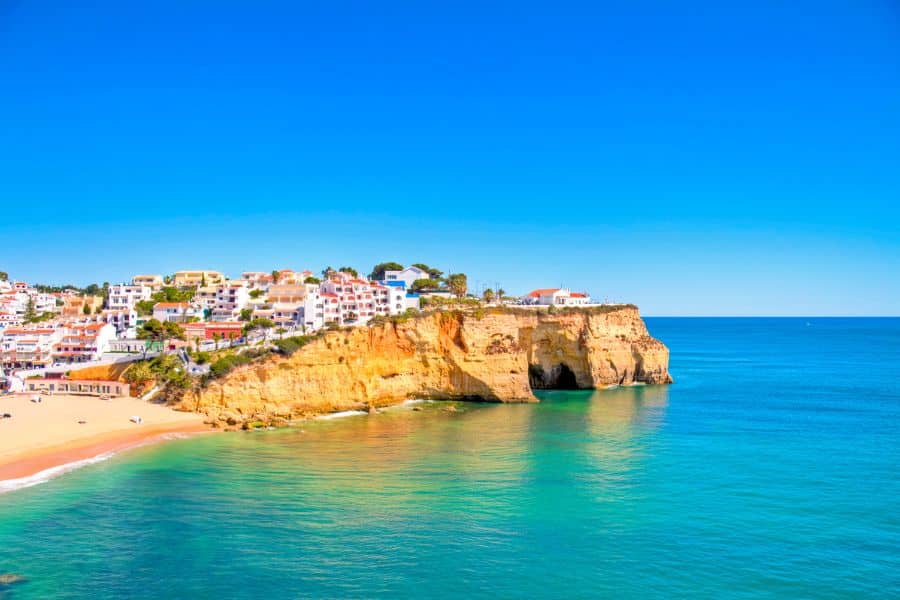
Portugal has been the darling of the early retirement crowd for several years now. It’s safe, well-organized, and offers European living without the price tag of France, Spain, or Italy.
The D7 Passive Income Visa is the go-to route for retirees. It requires proof of regular income; roughly $1,000 per month is the general guideline, though the exact figure varies, and grants full residency with access to Portugal’s national healthcare system, which consistently ranks among the best in Europe.
Under that public system, retirees pay a small co-payment for most services. A GP visit through the public system costs just a few euros. Private health insurance, which many expats add for faster access to specialists, typically costs between $80 and $150 per month.
Outside Lisbon and Porto, your money goes considerably further. The Algarve offers year-round mild weather, the Silver Coast is quieter and more affordable, and the university city of Coimbra gives you culture, good food, and a slower pace that suits midlife perfectly.
- Monthly budget estimate: $900 to $1,200 (lower in smaller towns)
- Visa/residency route: D7 Passive Income Visa; requires proof of stable monthly income
- Healthcare access: National public health system plus affordable private options
- Best areas to consider: Algarve, Silver Coast, Coimbra
- Standout perk: Easy access to the rest of Europe once you have residency
Portugal (D7 Passive Income Visa) Apply through the official Portuguese consular visa portal.
4. Thailand

Private hospitals in cities like Chiang Mai and Bangkok are internationally accredited, staffed by doctors trained in the US, UK, and Australia, and charge a fraction of what you’d pay at home.
A private hospital consultation typically costs $30 to $60. A night in a private hospital room with full nursing care runs around $100 to $150. Comprehensive private health insurance for a retiree in their 60s costs between $150 and $250 per month, depending on coverage level.
The Thai Retirement Visa (Non-Immigrant O-A) requires either 800,000 Thai Baht in a Thai bank account (roughly $22,000) or proof of a monthly income of at least 65,000 Baht (around $1,800). That income threshold is higher than some others on this list. Many retirees meet it through a combination of Social Security and pension income.
Chiang Mai in the north offers cooler mountain air, a thriving arts scene, and a huge expat community that makes settling in surprisingly easy. Hua Hin on the coast delivers a more relaxed, beachside rhythm that suits retirement perfectly.
- Monthly budget estimate: $1,000 (tight but possible in Chiang Mai and smaller cities)
- Visa/residency route: Non-Immigrant O-A Retirement Visa; income or savings requirements apply
- Healthcare access: World-class, internationally accredited private hospitals
- Best areas to consider: Chiang Mai, Hua Hin, Pattaya
- Standout perk: Medical care that rivals Western standards at a fraction of the cost
Thailand (Non-Immigrant O-A Retirement Visa) Apply through the official Thai e-Visa portal.
5. Panama

Panama is often the first country that comes up in retirement conversations. It has the most organized and generous retirement visa program in Latin America, and it has had it for decades.
The Pensionado Visa requires just $1,000 per month in lifetime income, a pension, Social Security, or a combination, and it hasn’t changed that threshold in years. Once approved, retirees receive mandatory discounts across healthcare, utilities, domestic airfare, hotels, and entertainment. These are legally required, not discretionary.
Hospitals like Hospital Punta Pacífica and Centro Médico Paitilla in Panama City are internationally accredited, and many of their doctors trained in the US. A specialist consultation typically costs between $50 and $80. Private health insurance for retirees runs around $150 to $250 per month.
English is widely spoken in expat areas. The infrastructure is solid. The currency is the US dollar, which removes any exchange rate anxiety entirely. And if beach life is your thing, Coronado and Bocas del Toro both deliver that without Bali-level tourist crowds.
- Monthly budget estimate: $900 to $1,200
- Visa/residency route: Pensionado Visa; requires $1,000/month in lifetime income
- Healthcare access: Modern, internationally accredited private hospitals; public system available
- Best areas to consider: Boquete, Coronado, Panama City
- Standout perk: US dollar currency; retiree discounts are legally mandated
Panama (Pensionado Visa) Applications must be filed in person in Panama through a licensed immigration attorney. Start with the official National Immigration Service.
6. Malaysia

Malaysia is one of the most underrated retirement destinations on this list. The infrastructure is excellent, English is widely spoken, the food is exceptional, and private healthcare rivals what you’d find in much of Western Europe.
The Malaysia My Second Home (MM2H) program is the long-term residency route, though its requirements have increased in recent years. The current version requires proof of offshore income of at least 40,000 Malaysian Ringgit per month (around $8,500), which puts it out of reach for many retirees on a modest fixed income.
However, a newer Sarawak MM2H program run by the state of Sarawak on the island of Borneo has lower thresholds and is worth investigating if the national program doesn’t fit your situation.
Where Malaysia shines, regardless of visa route, is the daily cost of living. Private hospital consultations cost between $20 and $50. Comprehensive private health insurance costs $100 to $200 monthly. Rent for a comfortable apartment in Penang or the suburbs of Kuala Lumpur ranges from $500 to $800. A proper meal out costs $5 to $10.
Penang, in particular, has a thriving expat community, a rich food culture, and a relaxed coastal lifestyle that make it one of the most liveable cities in Asia for retirees.
- Monthly budget estimate: $900 to $1,200
- Visa/residency route: MM2H (national) or Sarawak MM2H (lower requirements)
- Healthcare access: High-quality, internationally accredited private hospitals; English-speaking doctors
- Best areas to consider: Penang, Kuala Lumpur suburbs, Kota Kinabalu
- Standout perk: World-class private healthcare at very low cost
Malaysia (MM2H Program) Apply through the official Ministry of Tourism, Arts and Culture portal.
7. Peru

Peru offers a strong combination of low costs, improving healthcare, and a remarkable quality of life for those willing to settle in.
Residency as a retiree requires proof of a pension or regular income of around $1,000 per month. With that in place, you can access Peru’s growing private healthcare sector. In Lima and Arequipa, private hospitals are modern, well-staffed, and affordable. A specialist visit typically costs $30 to $60. Private health insurance for retirees generally costs $100 to $180 per month.
Lima has a world-class restaurant scene, good public transport, and neighborhoods like Miraflores and Barranco that are walkable, safe, and full of life. Arequipa, the “White City” in the southern highlands, offers cooler temperatures, a quieter atmosphere, and a stunning colonial center.
Prescription costs are low, fresh produce is inexpensive, and local transport is very affordable. It takes a little time to find your feet, but retirees who do tend to stay.
- Monthly budget estimate: $800 to $1,000
- Visa/residency route: Retirement Residency Visa; requires approximately $1,000/month in pension income
- Healthcare access: Modern private hospitals in major cities; public system available to residents
- Best areas to consider: Lima (Miraflores), Arequipa
- Standout perk: Low prescription costs; excellent fresh food markets
Peru (Rentista/Retirement Visa) Apply through the official National Superintendence of Migration
8. Paraguay

Paraguay is not on most people’s retirement radar. It’s quiet and low-key, with some of the most straightforward residency requirements in South America.
Permanent residency is accessible through a relatively simple process, and the cost of living is among the lowest on this list. Rent for a comfortable apartment in Asunción runs $300 to $500 per month. Groceries are inexpensive. Utilities are low.
Healthcare is provided through a mix of public hospitals and private clinics. Most retirees use private clinics for routine and specialist care, and the costs are very affordable. A standard consultation at a private clinic typically runs $20 to $40. Serious or complex procedures are sometimes handled in Asunción’s better-equipped hospitals or across the border in Brazil or Argentina, where standards are higher.
There are no crowds, no inflated expat prices, and no tourist tax attached to everything. For retirees who value calm, privacy, and financial breathing room, it delivers something other destinations simply can’t.
- Monthly budget estimate: $600 to $900
- Visa/residency route: Permanent residency; relatively accessible requirements
- Healthcare access: Low-cost private clinics; public system available
- Best areas to consider: Asunción, Encarnación
- Standout perk: One of the lowest overall costs of living in South America
Paraguay (Temporary Residency) Applications are submitted in person at the Dirección General de Migraciones in Asunción. Details are on the official immigration site.
9. Croatia
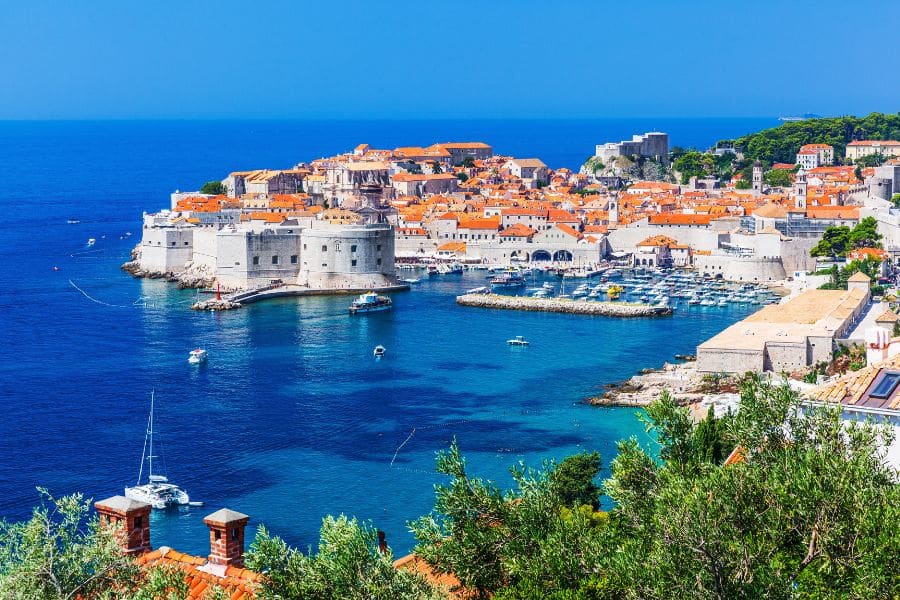
Croatia joined the Schengen Area in January 2023, which opened up easier travel across Europe for residents. The Digital Nomad Visa, popular with remote workers, has also been used by some retirees as an entry point to longer-term stays, though the standard Temporary Residence Visa is the more typical route for retirees with passive income.
Costs vary significantly by location. The coast during summer is tourist-priced. But in Istria, in the off-season, and in inland regions, smaller Dalmatian towns offer a very different budget reality. Rent for a comfortable apartment outside the tourist zones runs $500 to $800. Groceries at local markets are fresh and reasonably priced.
Healthcare access for residents comes through Croatia’s national health system. Private clinics are available in larger towns for faster access and English-language care, typically charging $40 to $80 for a consultation.
It’s not the cheapest country on this list, but it offers something the others can’t: slow Adriatic mornings, historic stone towns, and a lovely, easy lifestyle.
- Monthly budget estimate: $950 to $1,200
- Visa/residency route: Temporary Residence Visa for passive income recipients
- Healthcare access: National public health system; private clinics in larger towns
- Best areas to consider: Istria, Split outskirts, Šibenik area
- Standout perk: Schengen Area access; European healthcare standards
Croatia (Temporary Residence Permit) Apply through the official Croatian Ministry of the Interior.