
According to new research, your morning coffee could be one of the best things you do for your brain. New research from Harvard, MIT, and Mass General Brigham has found that drinking just two or three cups of caffeinated coffee a day can reduce your risk of developing dementia by 18 percent.
Let that sink in for a moment. Something most of us do every single morning, without a second thought, could actually be protecting our brains.
And if you’re more of a tea person, the news is just as good. The same study found that one or two cups of caffeinated tea a day produced similar results.
More than seven million Americans are currently living with dementia, and that number is expected to nearly double by 2050. The study tracked over 131,000 people for more than 40 years.
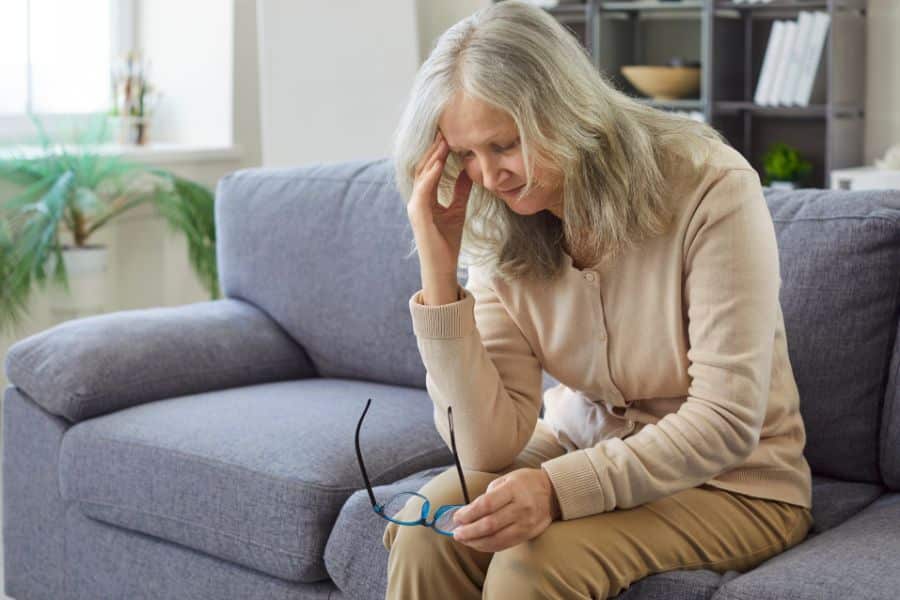
So What’s Actually Happening in Your Brain?
The researchers were careful to note that the benefits didn’t show up with decaffeinated coffee or tea. It’s the caffeine itself that appears to be doing the protective work.
People who drank the most coffee had significantly lower rates of dementia compared to those who drank the least. To put actual numbers on it, 141 out of every 100,000 heavy coffee drinkers developed the condition, compared to 330 out of every 100,000 who drank little or none.
They also directly tested cognitive function, and the results were consistent. Caffeine drinkers outperformed non-drinkers.
The researchers looked at participants with both high and low genetic risk for dementia and found the same results across both groups. So even if dementia runs in your family, caffeine still appears to offer the same level of protection.
Two or three cups of coffee daily is all it takes. Living in France, where the coffee culture runs deep, it’s easy to lose count. But knowing that two or three cups is the sweet spot makes the whole thing feel less like a guilty pleasure.
The researchers were refreshingly honest about what this study does and doesn’t mean. Dr. Daniel Wang from Harvard Medical School put it well when he said that caffeine can be one piece of the puzzle when it comes to protecting cognitive function as we age, but it’s not the whole story.
There’s no single magic bullet for brain health. But there are small, everyday choices that add up. And this one happens to taste really good.
What Kind of Coffee Counts?
The study focused on caffeinated coffee and tea, so decaf doesn’t appear to carry the same benefits. The researchers specifically noted that decaffeinated coffee showed no significant effect, suggesting that caffeine is the active ingredient rather than anything else in the drink.
That doesn’t mean decaf is bad for you. It just means the protection seen in this study comes from the caffeine itself.
For tea drinkers, the study didn’t break results down by type, but both black and green teas contain caffeine, so either would likely apply. Herbal teas, which are naturally caffeine-free, probably fall into the same category as decaf.
We spend a lot of time in midlife worrying about what we should stop doing. Less sugar, less alcohol, more exercise, and less stress, and that’s just for starters. The list can feel relentless.
So when research comes along and tells us that one of our daily rituals is actually good for us, it’s a bit of a relief. There’s one thing we don’t need to cut out. It’s like my mom always said, everything in moderation does you good.
Coffee is an American favorite as it’s one of the most popular beverages, and nearly two-thirds of adult Americans drink it every day. You just have to look at the number of Starbucks there are to know that.
So go ahead and pour that second cup. Your brain might thank you for it.
Disclaimer: The content in this article is for informational purposes only and is not intended to replace professional medical advice, diagnosis, or treatment. Always consult your doctor, physical therapist, or healthcare provider before starting a new exercise program, particularly if you have existing joint, cardiovascular, or balance conditions.
Kylie Lang is a nationally syndicated travel journalist with bylines on the Associated Press Wire & more, a lifestyle writer, and the founder and editor of Your Lifestyle Library (yourlifestylelibrary.com). She holds a BA (Honours) in History from the University of Kent and is a member of the British Guild of Travel Writers.