
Do those old-fashioned remedies your grandmother swore by actually work? Images of someone bending over a bowl with a towel over the head, inhaling to clear the airways, spring to mind. Many of these vintage treatments still work today. While we’ve come a long way since the days of medieval apothecaries, many of the medicines and treatments we use today are based on herbs that have been used for centuries.
There’s a reason we use peppermint to soothe upset stomachs and drink chamomile tea to promote sleep. These ancient practices connect us to our history, from the healing properties of honey to the use of leeches in high-end spas.
So, what are these remedies, and why do they still work wonders in the modern world? Here are 12 vintage remedies still in use today that aren’t just effective but cheaper than over-the-counter medicine.
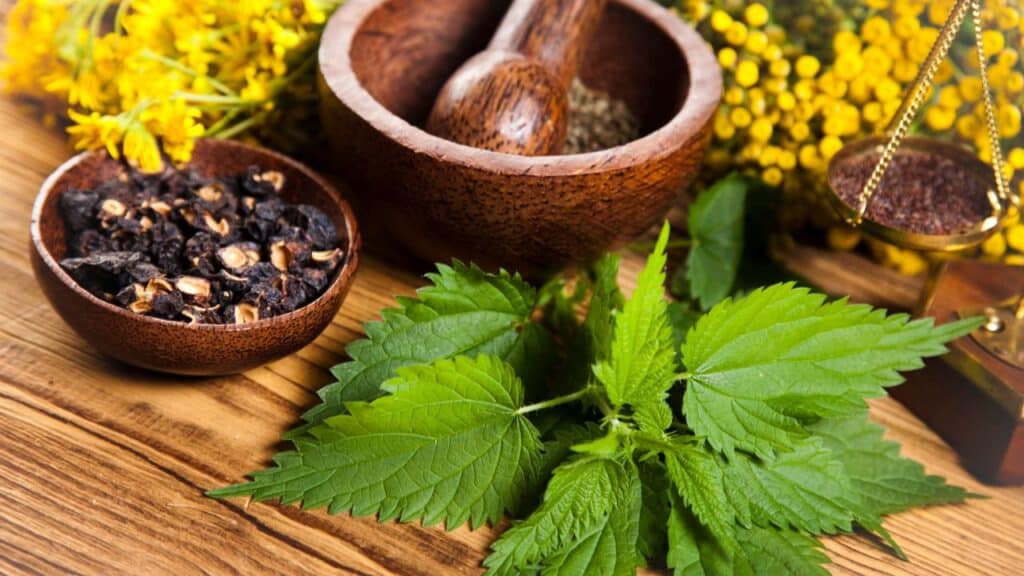
Honey for Sore Throats

Honey has been used for medicinal purposes for thousands of years. The ancient Egyptians, for instance, documented their use in treating wounds and infections. In medieval times, honey was a staple in apothecaries for its soothing and healing properties.
Honey is a powerful remedy for soothing sore throats. Its antibacterial properties help reduce inflammation and fight infections. Honey coats the throat, providing a soothing layer that eases irritation and reduces coughing.
Ginger for Nausea
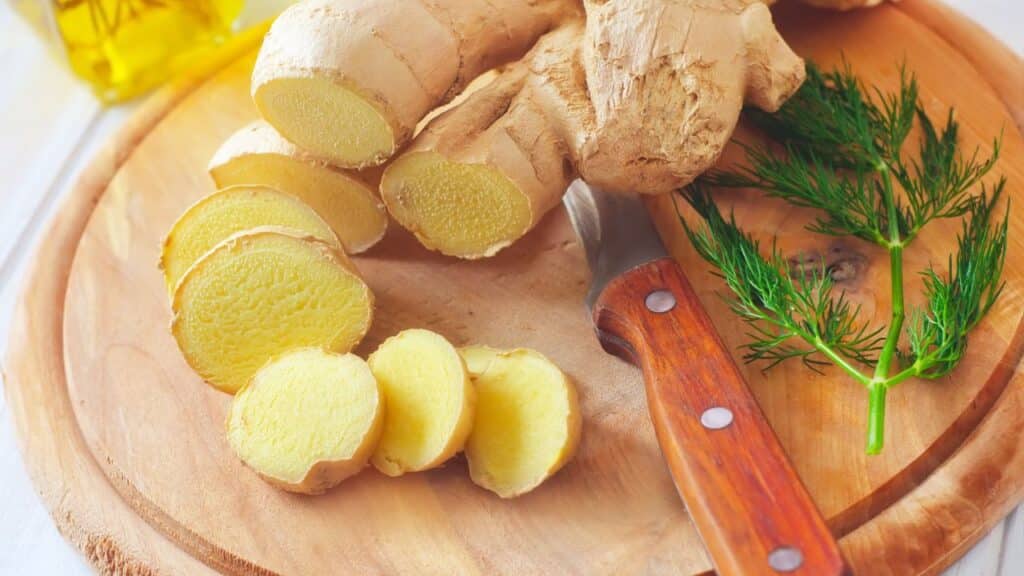
Ginger has been a go-to remedy for nausea for centuries, and it’s not just an old wives’ tale. Ancient Chinese and Indian texts mention ginger as a treatment for various ailments, including digestive issues. During the medieval period, ginger was highly valued and traded extensively due to its medicinal properties.
The magic behind ginger lies in its active compounds, gingerols, and shogaols, which have potent anti-inflammatory and antioxidant effects. A study showed ginger as an effective and safe treatment for morning sickness and nausea caused by chemotherapy.
Peppermint for Digestion
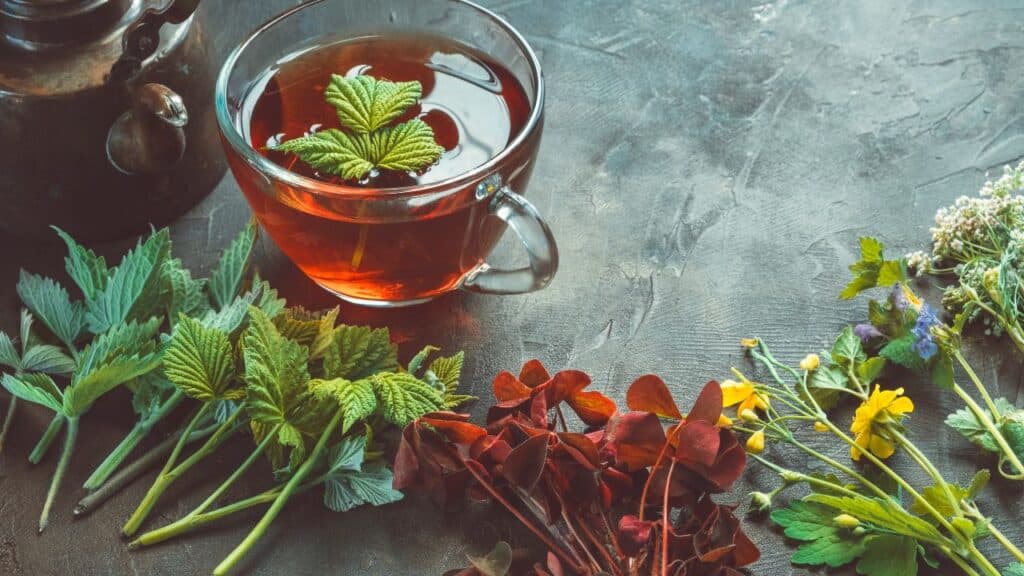
When it comes to digestive relief, peppermint is a star performer. A cup of peppermint tea can work wonders. It relaxes the muscles of the gastrointestinal tract, which helps ease bloating, gas, and indigestion.
In medieval Europe, peppermint was a popular remedy for digestive issues and as a cooling agent. Its leaves were steeped in hot water to create a soothing tea or chewed directly.
Willow Bark for Pain Relief
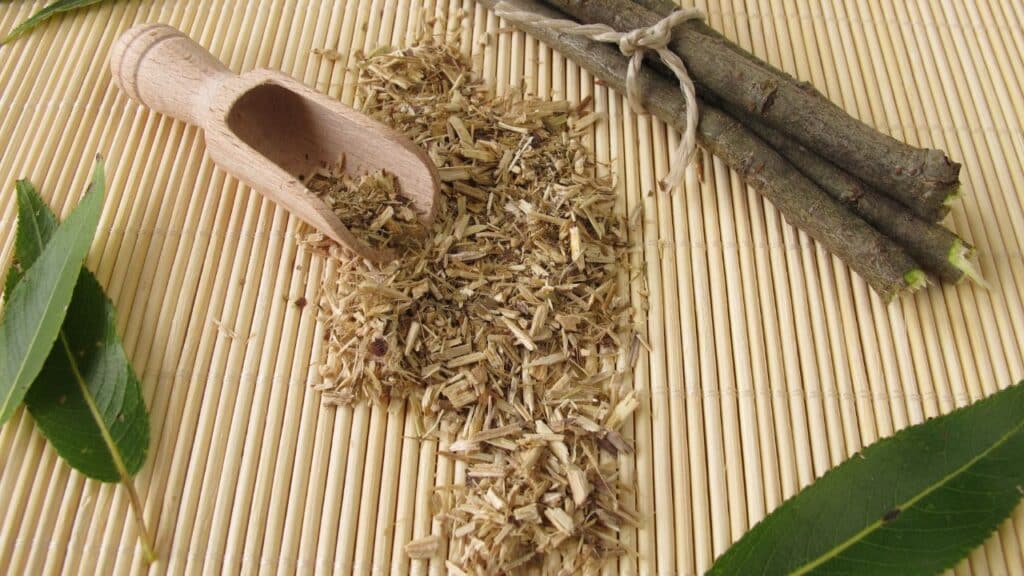
Willow bark contains salicin, a compound similar to aspirin, which helps reduce inflammation and alleviate pain. It’s a natural alternative to taking a tablet.
During medieval times, willow bark was used on the battlefield. Soldiers used it to treat wounds and relieve pain after combat. Healers would strip the bark from willow trees and create a brew soldiers could drink to reduce pain and inflammation.
If you’ve ever watched the TV Show Outlander, you’ll have seen Claire Fraser using willow bark as well as many of these other things too. As a 20th-century doctor in 18th-century Scotland, she had to use what was available to her.
Chamomile for Sleep

Chamomile has long been the go-to remedy for natural ways to drift off into a restful sleep. The secret behind chamomile’s sleep-inducing properties lies in its antioxidants, particularly apigenin. This compound binds to receptors in the brain, promoting relaxation and reducing anxiety, which helps in improving sleep quality.
Monks and healers commonly used it as a tea, creating a soothing infusion believed to calm the mind and body.
Epsom Salt for Muscle Pain
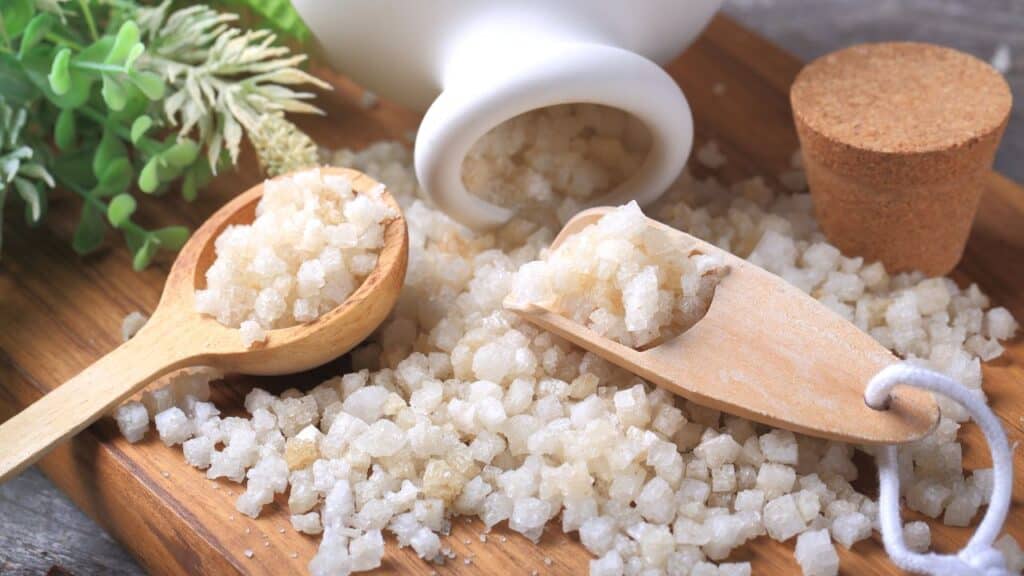
As someone who regularly suffers from cramps and muscle aches, I’ve often used Epsom salts to help. The magnesium sulfate relaxes muscles, reduces inflammation, and relieves pain and tension.
In the 17th century, Epsom salt was discovered in Epsom, England, where it was initially used as a medicinal cure-all. By the medieval period, Epsom salt baths were a common treatment for aching muscles and joints, favored by soldiers returning from battle and laborers after a long day’s work.
Turmeric for Inflammation
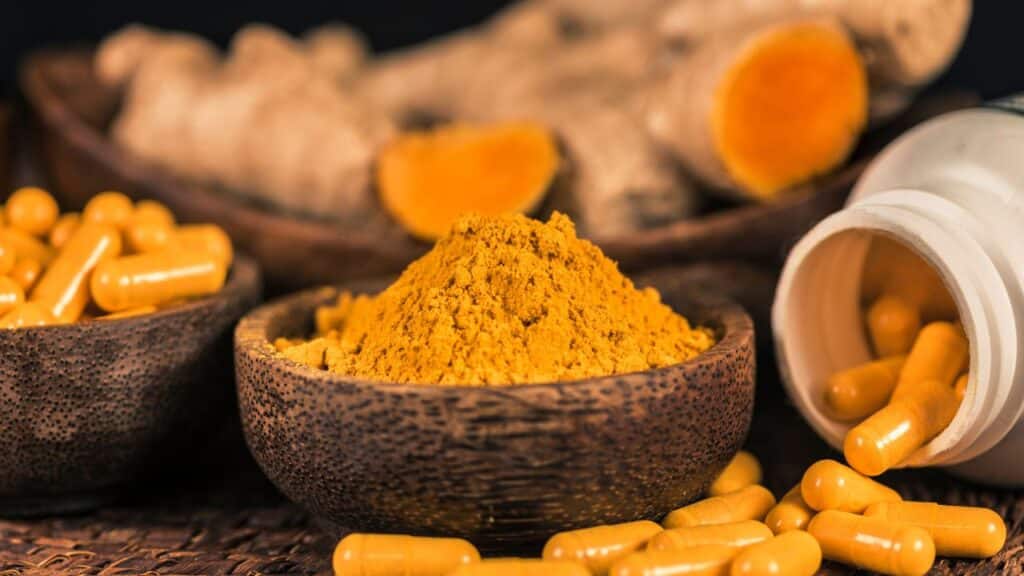
I first discovered the power of turmeric when I suffered from sciatica. I was given some capsules containing turmeric, black pepper, and ginger; within two weeks, it had gone. I now take them daily to keep it at bay. It was the only thing that worked for me.
Its active compound, curcumin, reduces inflammation throughout the body. In medieval times, it formed the basis for much Ayurvedic and traditional Chinese medicine. Healers used it to treat a wide range of ailments, from digestive issues to skin conditions.
Garlic for Colds

In addition to repelling vampires, garlic has powerful immune-boosting properties. When garlic is crushed, allicin, a compound with potent antimicrobial and antiviral properties, is released.
It provides the body with a natural defense against the common cold. It helps to reduce the severity and duration of cold symptoms, making it easier to recover quickly.
Soldiers and laborers often ate it to stay healthy and strong, chewing raw garlic or drinking garlic-infused concoctions to prevent and treat colds.
Lavender for Anxiety
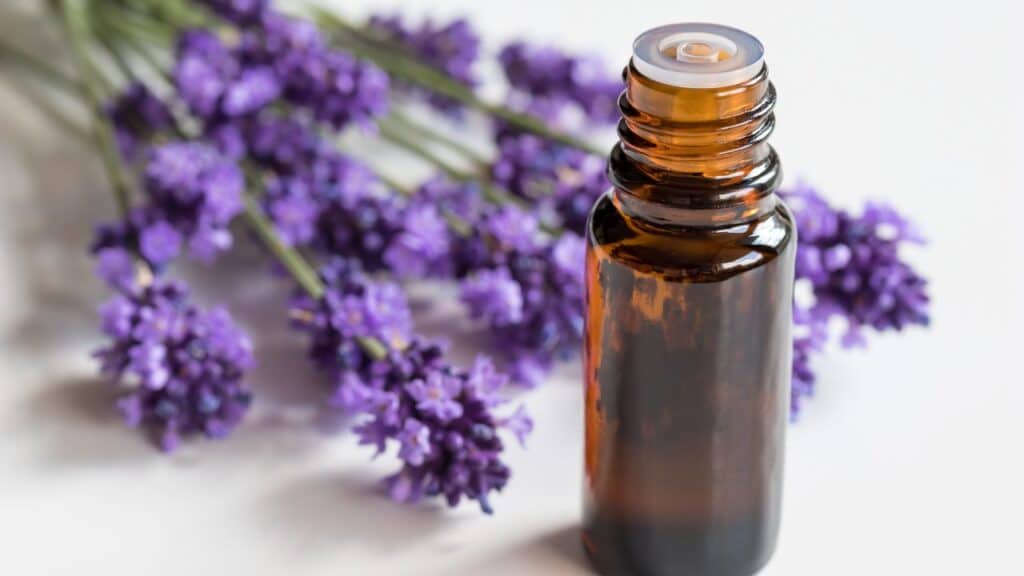
If you’ve ever watched an old black-and-white movie where someone was told to pass the smelling salts, lavender was likely present. Lavender works by interacting with the nervous system, helping to reduce anxiety and create a sense of calm.
During medieval times, people used it to scent linens, ward off pests, and create calming herbal remedies. People often placed lavender sachets under their pillows or used lavender-infused water for bathing to relieve stress and anxiety.
Apple Cider Vinegar for Indigestion

My mom swears by apple cider vinegar and has a glass of warm water and a spoonful of honey and apple cider vinegar every morning before breakfast. The acidity in it helps increase the production of stomach acid, which, in turn, helps break down food and absorb nutrients.
It was a common remedy in medieval households, used for indigestion and as a general tonic for maintaining good health. At a time when water was not suitable for drinking, it was a great alternative to wine or ale.
Clove Oil for Toothache
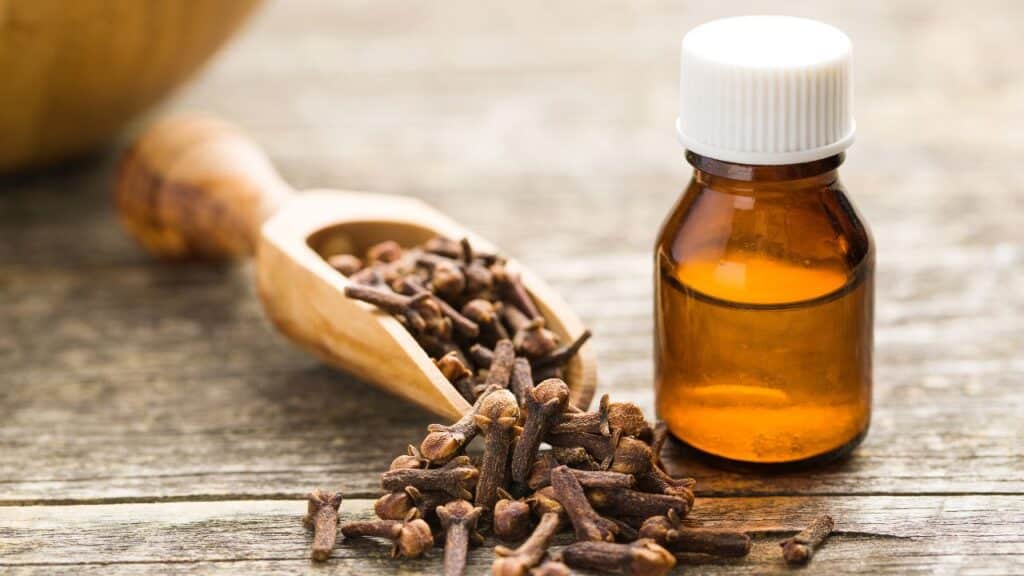
Toothache has to be one of the worst pains there is, and in years gone by, they didn’t have the type of dental practices we have today. Clove oil has been a remedy for toothache relief for centuries. It numbs the affected area and fights off the bacteria that can cause infections. I remember years ago, my mom used to give it to me when I had a toothache and we were waiting for a dental appointment. Now that’s really showing my age.
Eugenol, its main active ingredient, has both anesthetic and antiseptic properties. A few drops of clove oil applied to a cotton ball and placed on the sore tooth can offer almost immediate relief from pain.
Leech Therapy for Circulation

Leech therapy might sound like something out of a medieval medical text, but it’s made a comeback in many day spas. Leeches release a cocktail of bioactive substances that improve blood flow and reduce inflammation.
When leeches attach to the skin, they draw blood and inject these beneficial compounds simultaneously, which can help with various circulatory issues. Healers believed that bloodletting could balance the body’s humors and restore health. It didn’t matter what the ailment was; more often than not, they used leeches to bleed the patient.
Disclaimer: The content in this article is for informational purposes only and is not intended to replace professional medical advice, diagnosis, or treatment. Always consult your doctor, physical therapist, or healthcare provider before starting a new exercise program, particularly if you have existing joint, cardiovascular, or balance conditions.
Disclaimer: This article is for general information only and is not professional advice. It may contain affiliate links. Please see our full Editorial Policy for details.

Kylie Lang is a nationally syndicated travel journalist with bylines on the Associated Press Wire & more, a lifestyle writer, and the founder and editor of Your Lifestyle Library (yourlifestylelibrary.com). She holds a BA (Honours) in History from the University of Kent and is a member of the British Guild of Travel Writers.