
Who doesn’t want to live a longer life? My mom is 88 years old, and she grew up during the Second World War, so a balanced diet wasn’t exactly a thing. She had her 3rd birthday in an air-raid shelter and lived through the harsh rationing of the 40s and early 50s.
Once she hit her teens, she certainly didn’t have access to the wealth of information we have now. And as for my Dad, who lived to be 84, his family regularly had dripping sandwiches for tea and came from a family of seven where food was scarce. Hardly the poster child for a healthy life.
So how is it that my mom is still going strong and showing no signs of checking out, thank goodness? Well, I think it’s more down to what they didn’t have than what they did have. There was no junk food, preservatives, additives, or the addiction to screens we have now.
Kids played outside, walked everywhere, weren’t glued to screens, ate seasonally, and didn’t have the huge portions we favor today. But there’s more to it than that, and there are things you can do to ensure you live a longer and healthier life.

9 Healthy Ways to Live a Longer Life
The world’s longest-living populations, the centenarians of Okinawa, Japan, the Greek island of Ikaria, and the mountainous villages of Sardinia, aren’t doing fad diets or pushing themselves to the limit with punishing fitness routines, and neither is my mom.
What they’re doing is far simpler and has been practiced for many years, but somewhere along the way, it has gotten lost in our busy, overstimulated world.
Sleep Like Your Life Depends on It (Because It Does)
Sleep is where your body does its most important work. While you’re snoring away, your brain clears toxic waste products, your cells repair themselves, your hormones reset, and your immune system gets a much-needed refresh.
Research found that poor sleep accelerates brain aging and raises the risk of chronic disease. Most adults need between seven and nine hours a night, and most of us are lucky to get a decent five hours.
To help, try sticking to a consistent bedtime, limiting how much time you spend looking at a screen for an hour before bed, and try keeping your bedroom cool and dark.

Find Your Reason to Get Up in the Morning
The Okinawans have a word for it: ikigai, which roughly translates to your reason for being, the thing that makes you want to get out of bed.
Research found that having a strong sense of purpose is linked to a lower risk of mortality. People who feel they have a meaningful role to play tend to make healthier choices, manage stress better, and have a much better social life.
Your purpose can be anything from spending time in the garden, looking after your grandkids, to a hobby you love, such as renovating, cooking, or fishing. Anything really, as long as it makes you want to get out of bed in the morning. Ask yourself what makes you feel most like you, what puts a spring in your step and lights you up, and do more of that.
Build Your Social Circle and Protect It
People in the world’s longest-lived communities don’t do life alone. They eat together, work together, celebrate together, and grieve together. My mom is a prime example of this. When my dad died, my mom wasn’t alone. She had a huge circle of friends who all rallied round.
And that hasn’t stopped. They all look out for each other and do all sorts of things together, from book club and history group to the friendship society and theater outings. Mom can be as involved as she likes, but as a social butterfly, she has a better social life than mine.
In Okinawa, a tradition called moai sees people form small groups of lifelong friends who support each other emotionally and financially throughout their lives. Isn’t that lovely?
There are strong health benefits to strong social bonds, including reduced cortisol, lowered blood pressure, and a measurable boost to your immune system.
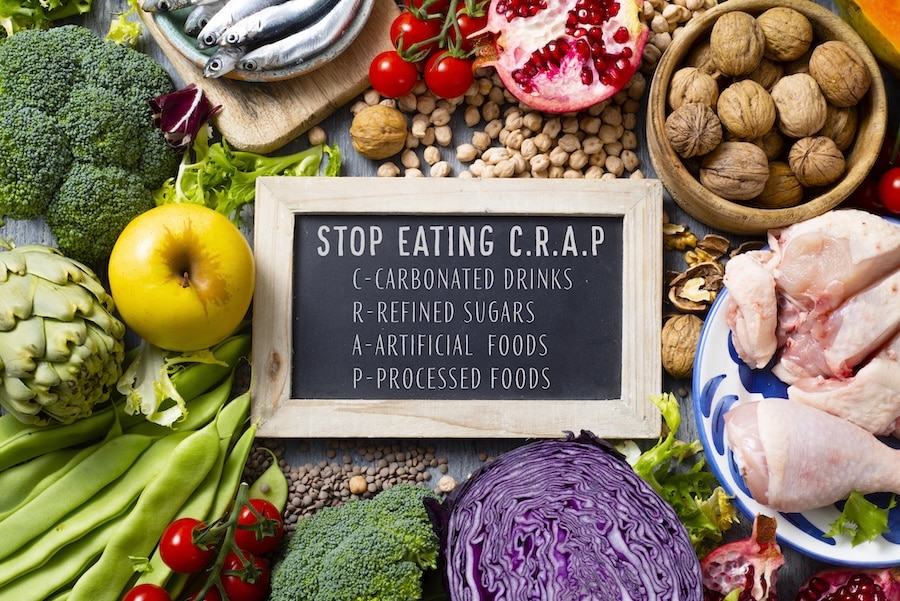
Put Veggies at the Center of Your Plate
This is another thing my mom does. She’s not a vegetarian or vegan, but she eats lots of veggies and prefers them to meat. They’re definitely at the center of her plate for most meals. Eating more plants and less ultra-processed food is so beneficial and a massive indicator of a long life.
Centenarian populations typically eat a diet built around vegetables, legumes, whole grains, nuts, and fruit. They do eat meat, but not all the time. The Mediterranean and Okinawan diets are prime examples of this and usually include meat only once a week at most.
Beans are a powerhouse in the food stakes. They’re the dietary cornerstone of almost every long-lived population studied. Black beans in Costa Rica, lentils across the Mediterranean, soybeans in Japan. So try to find a way to add them to your diet.
Move Your Body Every Single Day
We’ve all heard people say, I must get my steps in today. It’s so important to get up and move during the day and not be tempted to sit on your backside staring at the TV. The centenarians of the Blue Zones, those pockets of the world where living past 100 is unusually common, move constantly as part of daily life. They walk everywhere and don’t stagnate in their armchair.
The science backs this up, and research shows that regular physical activity can reduce the risk of heart disease, stroke, dementia, and several cancers. Getting your heartbeat up and doing some aerobic exercise strengthens the heart and improves circulation, and strength training preserves muscle mass.
Even a 30-minute daily walk makes a significant difference over time. Get your heart rate up and start moving.

Learn to Downshift From Stress
Stress is a killer; we know this as we’ve heard it often enough, and it ages you. I’m lucky in the fact that I don’t really get stressed. Nothing keeps me awake at night, and my attitude is to deal with a problem when it involves me and not before. I don’t lie awake at night worrying about it.
The same can’t be said for my husband. He’s a worrier. He worries about things that haven’t happened, probably won’t ever happen, and the things he can’t do anything about if they do happen. I try to manage it as best I can, and I’ve found sport is a good way to help his mind calm down.
But you don’t need to do sport to manage your stress levels. There are a myriad of things you can do, such as yoga, breathing exercises, spending time in nature, going for a walk, listening to music; the choices are numerous. Find one that works for you and build it into your day.
Take Care of Your Gut
How many times have you heard the phrase you are what you eat? My mom used to parrot this one out a lot when we were growing up, but as I’ve gotten older, I’ve realized how true this is.
A healthy gut microbiome does far more than aid digestion. Studies show that gut diversity is linked to better immune function, reduced inflammation, and even improved mood and cognitive health. Need I say more?
Fermented foods like yogurt, kefir, kimchi, and sauerkraut feed the beneficial bacteria your gut depends on, and high-fiber foods do the same.
What depletes your gut health? Ultra-processed food, excess sugar, and unnecessary antibiotics. So, try to limit your intake of these as much as possible.
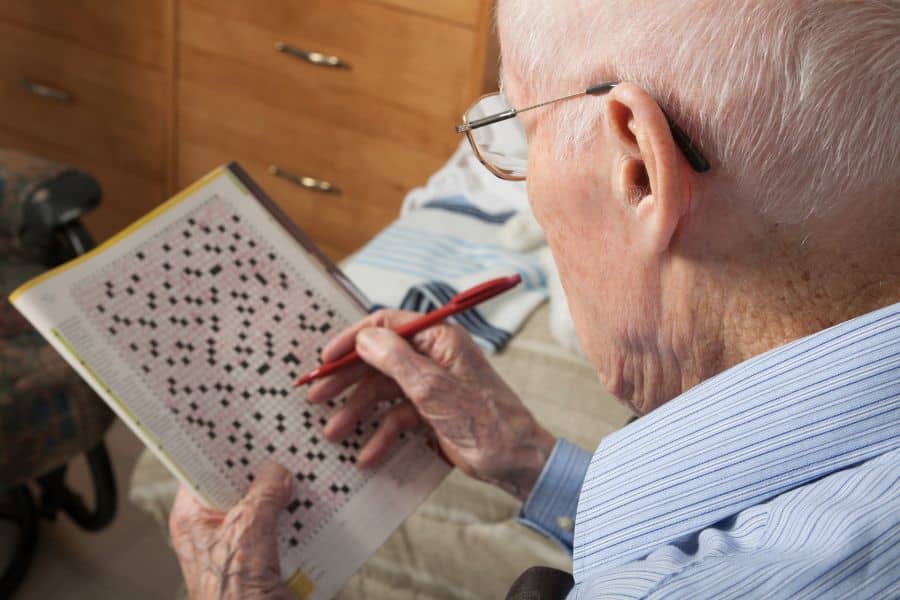
Keep Your Brain Busy
Use it or lose it turns out to be more than a saying. Cognitive engagement, the act of learning new things, solving problems, and staying mentally stimulated, is consistently linked to a lower risk of dementia and cognitive decline.
My mom is a reader, and my dad loved his Sudoku and crosswords. They were both great conversationalists and loved learning, and, in mom’s case, it’s kept her as sharp as a tack. There’s nothing wrong with her brain, and I often think she’s more on the ball than I am.
You don’t need to do puzzles if that’s not your thing, just something that keeps the old brain ticking. It could be learning a new language, picking up an instrument, reading widely, or volunteering in a role that challenges you; all of these count.
Conversations, debates, storytelling, and laughter all give the brain a workout in ways that solitary screen time simply doesn’t. I phone my mom every Sunday, and we’re usually on the call for about 90 minutes, talking about anything and everything. I love it as much as Mom does, and I know it gives her something to look forward to.
Pour Yourself a Positive Outlook
Wallowing in self-pity or generally being all doom and gloom is not good for your health. Research found that a positive mental attitude is linked to a lower risk of chronic disease and better immune function.
That doesn’t mean pretending everything is fine when it isn’t; that’s not what I’m advocating. It’s about maintaining a positive attitude. My mom is a genius at this. Despite missing my dad, she doesn’t sit around feeling sorry for herself.
Instead, she’s thankful for what she has, such as good health, a great network of friends, being in her own home, and a generally great social life. Keeping a daily gratitude practice, even a quick mental note of three good things before you sleep, can reduce stress and improve sleep quality over time.
Disclaimer: The information in this article is for general informational purposes only and is not a substitute for professional medical advice. Always consult with a qualified healthcare provider before making changes to your diet, exercise routine, or lifestyle, especially if you have any existing health conditions.