
It’s like most things: when they aren’t broken, you don’t try to fix them. But if there is one thing I’ve learned as a fitness instructor working with older clients, it’s that prevention is better than cure. And that’s especially true when it comes to looking after your body.
It’s the little things you notice. Maybe it’s taking a little longer to get up from the sofa, or perhaps the stairs feel harder than they used to. Or maybe you’ve had a wobble that scared you more than you let on.
Researchers have been studying traditional Japanese movement practices for years, and what they’ve found is fascinating. Japan is home to some of the world’s longest-lived people.
Okinawa is one of only five Blue Zones on Earth, places where living past 100 is almost unremarkable. And the key to that longevity has nothing to do with superfoods. It’s movement.
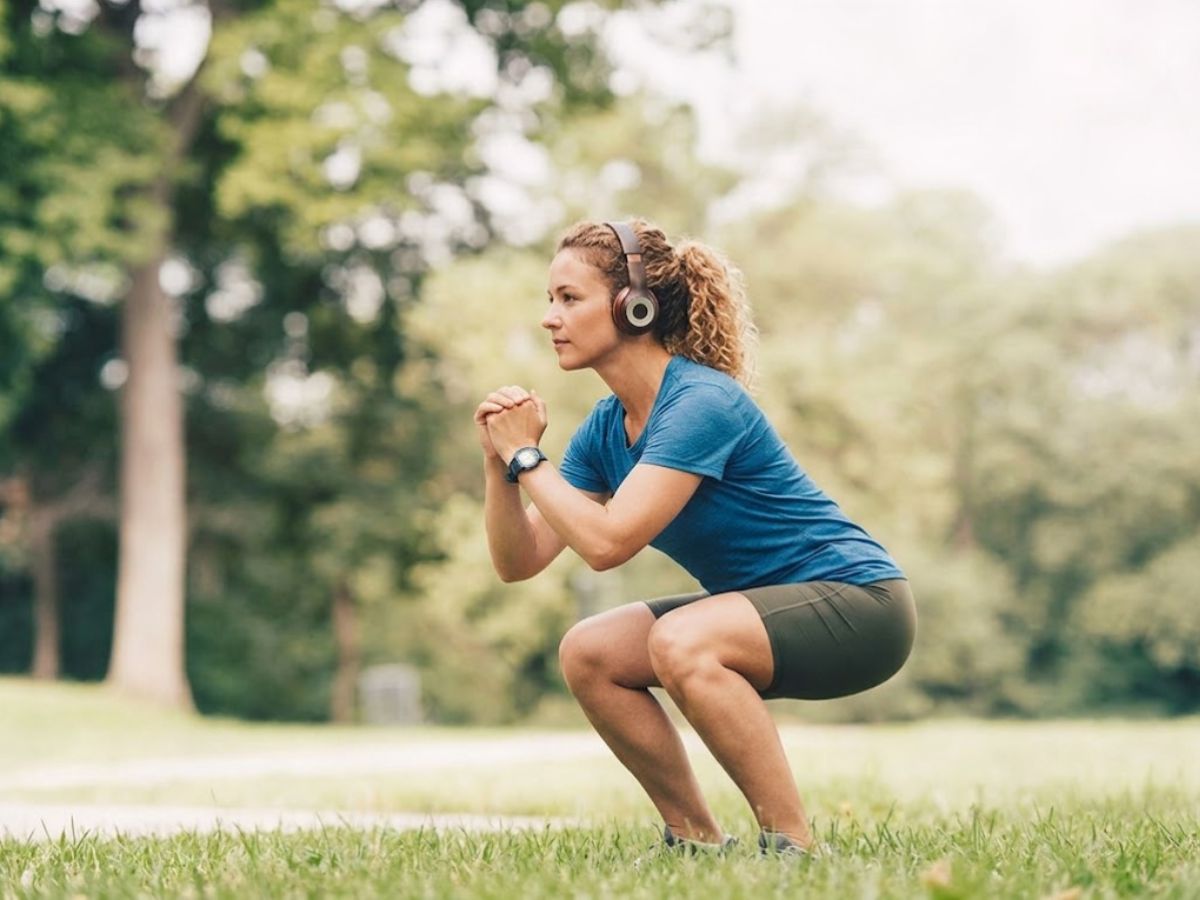
The Japanese Secret That Science Just Proved
In August 2025, researchers at Tohoku University in Japan published a landmark study on an ancient samurai practice called Rei-ho. Rei-ho is a centuries-old form of Japanese etiquette that involves slow, deliberate movements during daily activities such as sitting, standing, and walking.
Samurai adopted it to preserve muscle strength through intentional movement rather than dedicated training sessions.
The research team ran a randomized controlled trial. One group practiced a five-minute Rei-ho routine of slow squats and sit-to-stand movements at least four days a week for three months. The other group continued as usual.
The results? The Rei-ho group increased knee extension strength by an average of 25.9%. The control group improved by just 2.5%. Five minutes a day with no equipment, no gym, just deliberate, slow movement.
“Knee extension strength is a key measure of mobility and daily functioning,” said lead author Ayaka Ogasawara. “These exciting results suggest that Rei-ho may help seniors maintain their independence.”
The thread running through all seven exercises on this list is the same thread running through that research. Slow down. Move deliberately. Do it consistently. Your legs will respond.
You don’t need to do all seven at once. Pick two or three that feel accessible and start there. Add more when those feel easy. The point is to start, and to keep going.
Your legs have been carrying you your whole life. It’s time to return the favor.
7 Leg Strengthening Exercises for Over 60s
These 7 exercises draw on those same traditions. They need no equipment, no gym, and only a few minutes a day. Ready?
1. The Resting Squat

Think about a toddler picking something up off the floor. They drop straight into a deep squat, flat-footed, perfectly comfortable, and pop back up without a second thought. Most adults in the West lose that ability entirely by their 40s. In Japan and across much of Asia, people never lost it.
The resting squat (sometimes called the Asian squat) is a full, deep squat with both heels flat on the floor, hips dropped below knee level, torso upright. In traditional Japanese homes with low furniture, tatami mats, and squat-style toilets, this was simply how people sat close to the ground.
It kept their hips, knees, and ankles moving through a full range every single day.
How to do it:
- Stand in front of a sturdy chair or hold onto a counter at waist height
- Place your feet shoulder-width apart with your toes turned out slightly
- Slowly lower yourself as far as you comfortably can, keeping your heels on the floor if possible
- Hold for 10 to 20 seconds
- Use the support to stand back up
- Repeat 3 times
If your heels come off the floor at first, that’s fine. Keep practicing, and they’ll get closer to the ground over time. The goal is simply to keep asking your body to move the way it was designed to.
2. The One Leg Balance

Here’s a quick test. Stand near a wall or counter, lift one foot an inch off the floor, and see how long you can hold it. If you struggle past 10 seconds, your fall risk is higher than it should be.
A study published in the American Journal of Preventive Medicine followed over 2,000 adults aged 53 to 68 and found that one-legged balance ability is directly linked to fall frequency, with poorer balance predicting more falls over time.
The good news is that balance responds quickly to practice. Faster than almost any other physical quality.
How to do it:
- Stand behind a sturdy chair, lightly resting your hands on the back
- Lift one foot just off the floor and hold for up to 30 seconds
- Switch sides and repeat
- Aim for 3 rounds on each leg
- As you get more confident, try resting just one finger on the chair for support
- When that feels easy, try holding without touching it at all
- Ready for the real challenge? Close your eyes. That makes everything significantly harder
3. The Horse Stance

This one has a long history. The Horse Stance comes from traditional Japanese and Chinese martial arts, where practitioners held the position for extended periods to build leg endurance and mental focus. Samurai were trained in it, as were the monks.
It looks deceptively simple, but it’s not as easy as it looks.
How to do it:
- Stand with your feet wider than shoulder-width apart, toes pointed slightly out
- Bend your knees and lower your hips as if you’re sitting on an invisible chair
- Aim for a 90-degree bend in your knees if you can manage it
- Keep your back straight and your chest up
- Rest your hands on your thighs or hold them out in front for balance
- Hold for 20 to 30 seconds to start, building up as you get stronger
This works your quadriceps, hamstrings, glutes, and inner thighs at the same time. No equipment, no movement, just your own bodyweight doing the work. That burning sensation in your thighs is exactly what you’re after.
4. The Mindful Walk

You already walk. But are you walking the way the Japanese do?
Japanese researchers developed the Japanese walking method, sometimes called interval walking training, from traditional movement practices that emphasized posture, breath, and intentional movement over distance and speed.
It has been gaining attention worldwide ever since. A 2007 Japanese study of 246 participants found that alternating between slow and brisk walking produced significantly greater fitness improvements than steady-pace walking alone.
But it goes beyond the intervals. Japanese walking is also about how you move. Spine tall. Core gently engaged. Shoulders relaxed. Landing softly on your feet. Breathing with intention. It’s walking as a practice, not just a way to get somewhere.
How to do it:
- Walk slowly for 3 minutes at around 40% of your maximum effort
- Then walk briskly for 3 minutes at around 70% effort
- Repeat that cycle 5 times for a 30-minute session
- While you walk, keep your spine upright, your jaw relaxed, and your breathing steady
- Aim to do this 4 days a week
Pay attention to how your legs feel after a few weeks. Most people are genuinely surprised by the difference.
5. Heel Raises

This one looks almost too easy, but don’t be fooled. Your calf muscles push you forward with every step. As they weaken, your walking speed slows, your balance suffers, and your risk of falling increases.
Research published in the Journal of Geriatric Physical Therapy found that a balance program including calf-raise exercises significantly improved balance confidence and functional performance and reduced fall risk in community-dwelling older adults.
How to do it:
- Stand behind a chair, holding the back lightly for support
- Place your feet hip-width apart
- Slowly raise your heels as high as you can, coming up onto the balls of your feet
- Hold for a second at the top
- Lower back down slowly (this is where a lot of the strength-building happens, so don’t rush it)
- Aim for 3 sets of 15 repetitions
Once that feels comfortable, try lifting one foot slightly off the floor to do single-leg raises. Your calves will let you know about it.
6. The Wall Sit

The Wall Sit is one of the most effective leg-strengthening exercises you can do without any equipment. It targets your quadriceps, hamstrings, and glutes simultaneously, and because it’s an isometric hold, it’s easier on your joints than many other exercises.
Plus, a large-scale analysis published in the British Journal of Sports Medicine found that isometric exercises, including the wall sit, were the most effective form of exercise for lowering resting blood pressure. More effective than cardio. More effective than weights.
How to do it:
- Stand with your back flat against a wall, feet about two feet in front of you, and hip-width apart
- Slowly slide your back down the wall until your knees are bent at roughly 90 degrees
- Keep your knees above your ankles, not pushed forward past your toes
- Hold for as long as you can, starting at 20 to 30 seconds and building toward a minute
- Rest and repeat 3 times
If 90 degrees is too much at first, go to a shallower angle and build from there. Any bend is better than no bend.
7. The Toe Gather
This one might be new to you, and it might feel a little odd at first. Stick with it. Your toes and the small muscles inside your feet play a much bigger role in your stability than most people realize. Older adults have 27-36% less toe flexor strength than younger adults, and research shows weaker toe flexor strength strongly predicts falls.
In Japan, traditional footwear and floor-based living naturally kept foot muscles strong and active. Modern shoes, especially those with narrow toe boxes, have quietly undone much of that.
How to do it:
- Sit in a chair with both feet flat on the floor
- Try to lift just your big toe while keeping your other four toes pressed down
- Then reverse it, keeping your big toe down while lifting the other four
- Alternate back and forth 10 times on each foot
- Next, spread all five toes as wide apart as possible, then bring them together
- Repeat 10 times on each foot
You can do this anywhere, even sitting at a table or watching television. Your feet have 29 muscles, 26 bones, and 33 joints. They deserve a little attention.
Disclaimer: The content in this article is for informational purposes only and is not intended to replace professional medical advice, diagnosis, or treatment. Always consult your doctor, physical therapist, or healthcare provider before starting a new exercise program, particularly if you have existing joint, cardiovascular, or balance conditions.
Summer Williams is a lifestyle writer and social media manager and a writer and editor of Your Lifestyle Library (yourlifestylelibrary.com). She holds a BA (Honours) in Journalism from Sheffield Hallam University. She also creates content under her brand Summer Elizabeth Creative.