
Heart health is something I take very seriously. My Dad died of a heart attack a couple of years ago, and prior to his death, my mom was constantly monitoring his cholesterol and trying to manage his health as he had already suffered an earlier attack.
He was on several medications, prescribed by the doctor, which were, of course, necessary. But then there were all the supplements promising this that and the other, and that’s where it got confusing. Not to mention the price of all these supplements.
Science is now discovering that the most powerful tools for protecting your arteries aren’t in a bottle but in your pantry. These are everyday staples that, in some cases, are under $2.

What Is Artery Plaque?
Your arteries are basically the delivery system for everything. They carry oxygen and nutrients to your heart, brain, and every other organ. When plaque builds up inside those arterial walls, the danger signs start to flash.
Plaque is a mix of cholesterol, fat, calcium, and other substances that accumulates over time. It narrows the arteries, makes them less flexible, and in the worst cases, ruptures and triggers a heart attack or stroke.
But that buildup doesn’t happen overnight. It’s a slow process, often invisible for years. And for women, the hormonal shifts of perimenopause and menopause remove some of the natural cardiovascular protection that estrogen provides. That’s why heart disease risk climbs noticeably after 50.
However, the same slow process that builds plaque can also be slowed and, in some cases, partially reversed by what you eat.
The $2 Bag That Outperforms a $60 Supplement
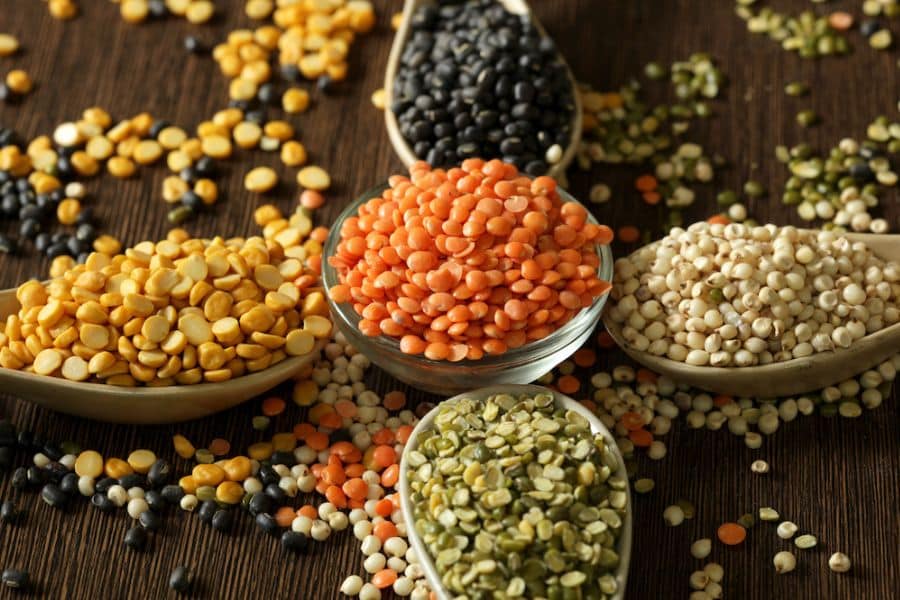
Let’s start with the most affordable option on this list: dried beans.
A 12-week randomized study presented at the American Society for Nutrition’s NUTRITION 2025 conference followed 72 adults with pre-diabetes, dividing them into three groups that ate black beans, chickpeas, or white rice every day.
People who ate 1 cup of black beans daily saw their interleukin-6 levels, a key marker of inflammation, drop significantly from 2.57 to 1.88 picograms per milliliter in just 12 weeks. The chickpea group saw total cholesterol fall from 200.4 to 185.8 mg/dL over the same period.
Why does this matter for your arteries? Chronic inflammation is one of the main drivers of plaque buildup and destabilization.
Soluble fiber in beans binds to bile acids in your digestive tract. Because your body needs cholesterol to make more bile, it pulls LDL from your bloodstream to compensate. Less LDL circulating means less raw material for plaque.
A dried pound of beans costs around $1.68. You can blend them into soups, add them to salads, pair them with rice, or stir them into a sauce. Canned works too, just watch the sodium.
The Jar in Your Pantry That Protects Against High Blood Pressure
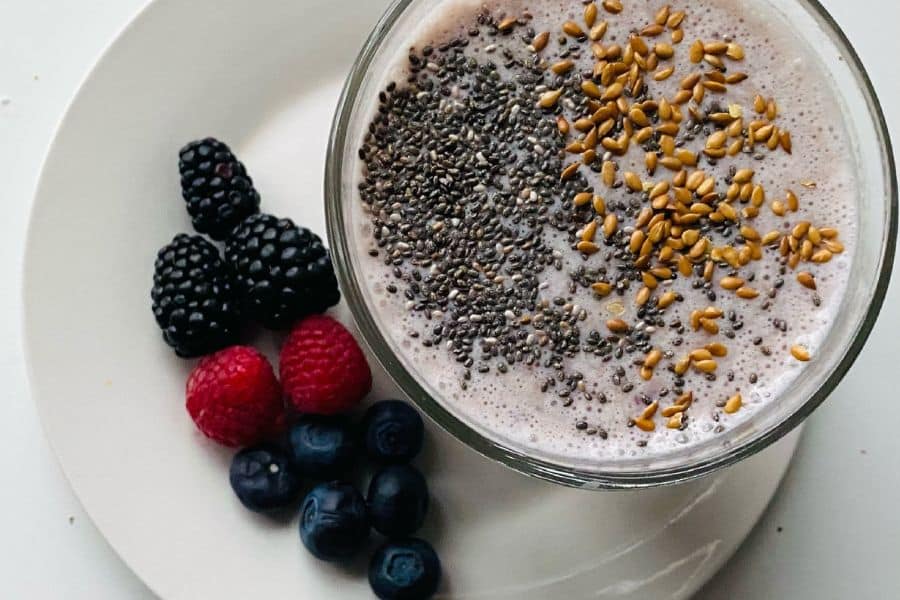
Flaxseed is rich in alpha-linolenic acid (ALA), lignans, and soluble fiber, a combination that works particularly well on blood pressure, which is one of the main risk factors for arterial disease.
The landmark FLAX-PAD clinical trial, a year-long randomized controlled trial, found that 30 grams of milled flaxseed daily reduced systolic blood pressure by approximately 10 mmHg and diastolic blood pressure by approximately 7 mmHg. For participants who began the trial with hypertension, the systolic blood pressure reduction was 15 mmHg.
To put that in context, some antihypertensive medications don’t consistently achieve reductions of that size.
A bag of milled flaxseed costs a few dollars and lasts weeks. Stir two tablespoons into oatmeal, yogurt, or a smoothie each morning. It has a mild, slightly nutty flavor that disappears into most foods.
My daughter was a competitive figure skater, and her nutritionist had her sprinkle flaxseed over her breakfast oatmeal before training.
One note: flaxseed can interact with blood-thinning medications and may affect blood sugar levels. Check with your doctor if either applies to you.
The One Pantry Ingredient That Can Actually Shrink Soft Plaque
There are two types of arterial plaque. Hard plaque, which is calcified and relatively stable, and soft plaque, which is newer, less stable, and far more dangerous because it’s the type most likely to rupture and cause a heart attack.
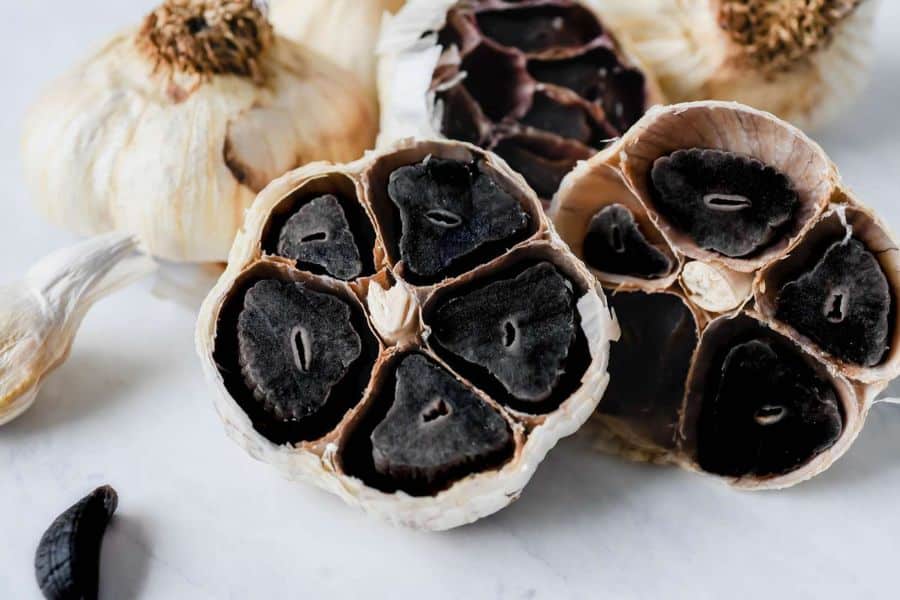
Dr. Matthew Budoff at LA BioMed conducted a series of randomized, double-blind studies on aged garlic extract. In one published study involving 55 patients with metabolic syndrome, participants took 2,400 mg of aged garlic extract daily for a year.
The results showed that total plaque accumulation slowed by 80%, and soft plaque showed measurable regression in the garlic group compared to the placebo.
Dr. Budoff completed four randomized studies on this subject and concluded that aged garlic extract can slow the progression of atherosclerosis and help reverse its early stages.
Now, raw garlic from your kitchen is not the same concentration as the aged extract used in clinical trials. But raw garlic still provides cardiovascular benefits through its anti-inflammatory and antioxidant properties. One to two fresh cloves a day is enough.
If you want the clinical dose, Kyolic Aged Garlic Extract is the specific supplement used in the Budoff trials. Talk to your doctor before adding it, especially if you take any medication.
The Leafy Green That Stops Your Arteries From Hardening
There’s a difference between soft plaque and calcified plaque. Calcification is the hardening of soft plaque into rigid, brittle deposits. It makes arteries stiff, less elastic, and far more dangerous over time.
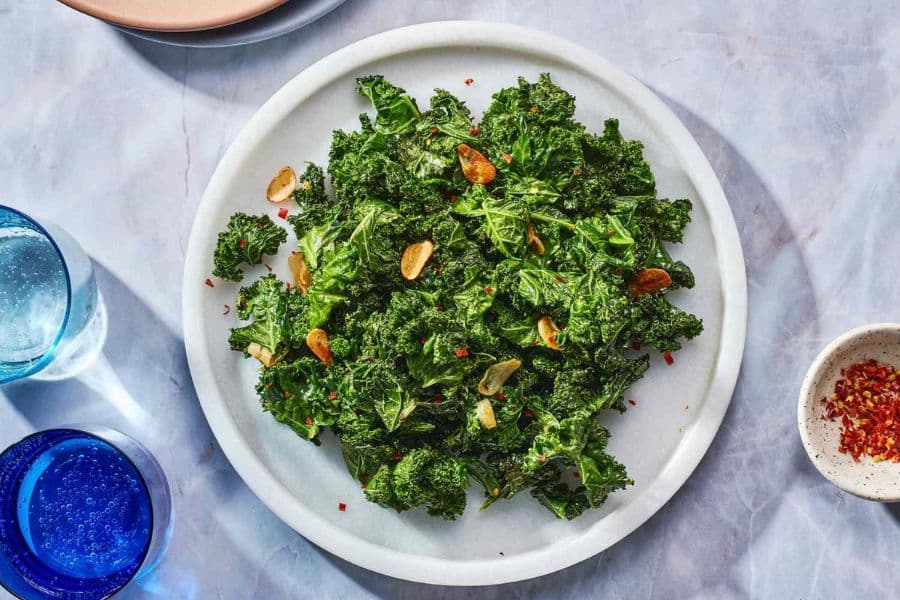
Vitamin K1, found in leafy greens like spinach, kale, and broccoli, activates a protein called Matrix Gla Protein. MGP’s job is to escort calcium out of the arterial walls and return it to the bones, where it belongs. When you’re low in Vitamin K1, MGP stays inactive, and calcium starts settling into your arteries instead.
A large-scale study from Edith Cowan University, the University of Western Australia, and the Danish Cancer Institute tracked 1,436 women over 14.5 years. Women with the highest Vitamin K1 intake had a 43% lower risk of dying from atherosclerotic vascular disease compared to those with the lowest intake.
They also had measurably thinner carotid artery walls, a key indicator of healthier arteries.
The difference between the highest and lowest intake groups? Just around 70 micrograms of Vitamin K1 per day. That’s roughly one extra serving of leafy greens.
A cup of raw kale provides 472 micrograms. Half a cup of cooked spinach delivers around 444 micrograms.
The Drink That Goes to Work on Your Artery Walls
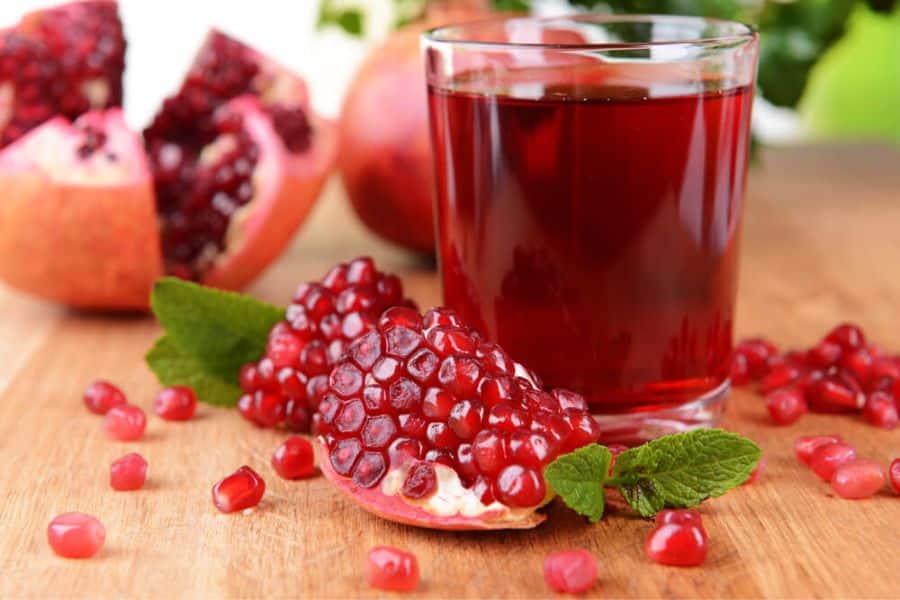
Pomegranate juice has been described by some clinical nutritionists as nature’s drain cleaner for the arteries.
The key metric here is carotid intima-media thickness, or CIMT. This is a measurement of how thick the inner layers of your carotid arteries have become, and it’s a reliable early marker of atherosclerosis. Thicker walls mean more disease progression.
A study published in Clinical Nutrition followed patients with carotid artery stenosis who drank just 50ml of pomegranate juice daily for a year. While the control group saw their CIMT increase by 9%, the pomegranate group saw it reduce by up to 30%. Systolic blood pressure dropped by 21% as well.
The compounds responsible for this are punicalagins and ellagic acid, potent antioxidants concentrated in the seeds and pith of the pomegranate. They protect LDL and HDL from oxidation, preventing cholesterol from forming the sticky, waxy buildup that forms plaque.
You don’t need to drink it every day for the rest of your life. But adding a small glass of pure pomegranate juice a few times a week, or blending a whole pomegranate with the seeds, can work wonders.
Just choose 100% pomegranate juice with no added sugar. The sweetened versions undermine what you’re trying to achieve.
The health and wellness content in this article is for informational purposes only and is not a substitute for professional medical advice, diagnosis, or treatment. Always consult your healthcare provider before making changes to your diet, supplement routine, or lifestyle, particularly if you have an existing health condition or are taking medication.