
High cholesterol is very common. My dad had to watch his cholesterol, and my mom poor Dad on a very strict diet to try and lower it. However, he always found ways to sneak butter onto his bread, have a nice big lump of cheese, and enjoy an extra glass of red wine when he thought she wasn’t looking.
Because of Dad, I’ve always been aware of my cholesterol and continually look for ways to keep it low. So when my doctor here in France pointed me toward avocados, I naturally wanted to know more.
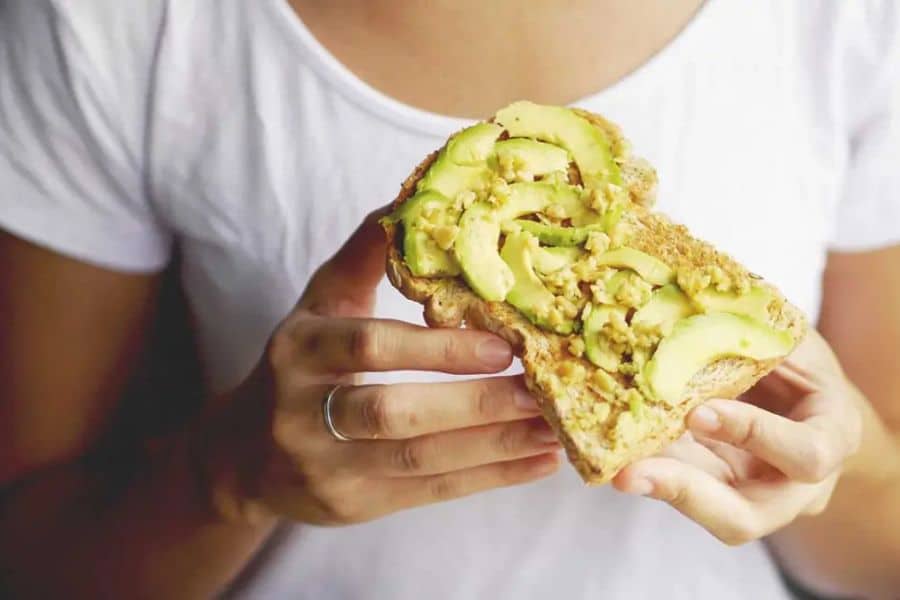
It turns out that one avocado a day, swapped in for other fats in your diet, appears to do something pretty remarkable to your cholesterol. Not just lowering the number, but changing the type of cholesterol in your blood.
So What Exactly Is LDL Cholesterol?
Before we get into avocados, let’s make sense of the terminology, because I didn’t really understand it until I started researching.
Think of cholesterol like a delivery system in your blood. Your body uses tiny particles called lipoproteins to transport fat. LDL, which stands for low-density lipoprotein, is the one that drops fat off at your artery walls. That’s why it gets called the “bad” cholesterol. HDL, the high-density kind, acts more like a cleanup crew, picking up fat and carrying it away.
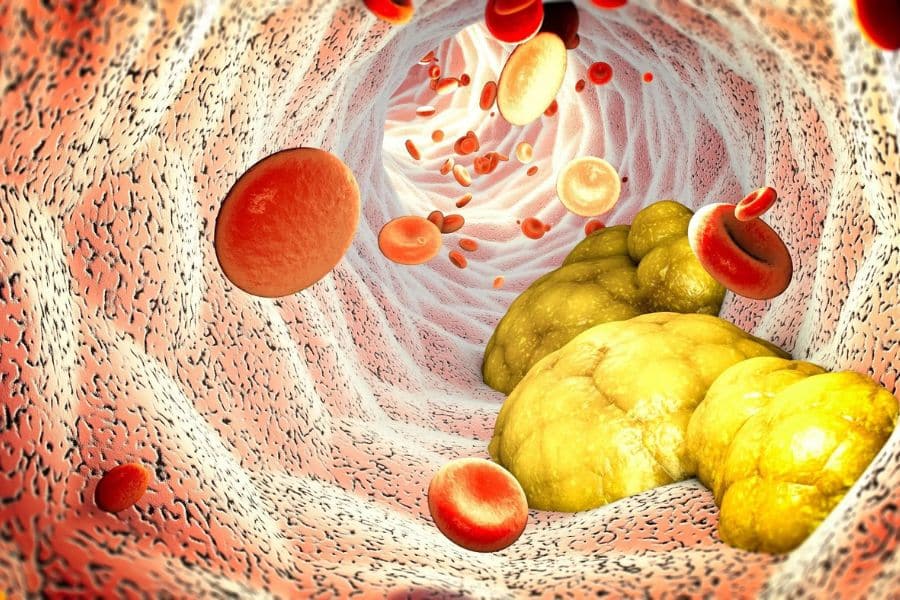
LDL particles come in different sizes. Small, dense LDL particles are the troublemakers. They squeeze into the walls of arteries more easily, where they can oxidize and trigger the inflammatory cascade that leads to plaque buildup over time. Larger, fluffier LDL particles are far less likely to cause that kind of damage.
So when you get a standard cholesterol test, you’re usually just seeing the total LDL number. What that number doesn’t tell you is what kind of LDL is in your blood, which is the missing piece of the puzzle.
What the Research Actually Found
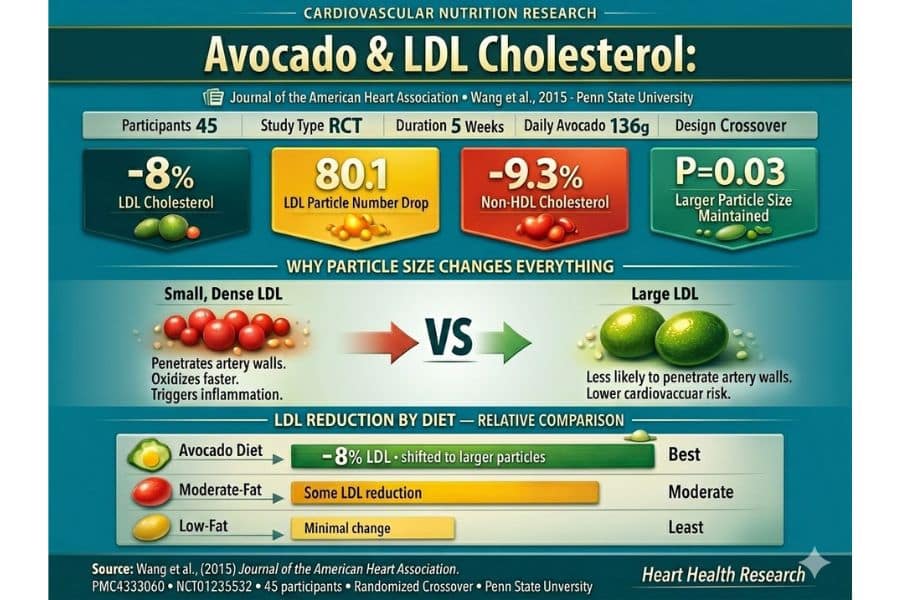
In 2015, researchers at Penn State University recruited 45 overweight adults with moderately elevated LDL cholesterol and put them through a carefully controlled study. Each person followed three different diets for five weeks each. One of those diets included one whole Hass avocado per day. The other two matched the calories but had no avocado.
After five weeks on the avocado diet, participants saw their total LDL cholesterol drop by around 8%. Their total LDL particle count fell, too. But the finding that really stands out is this: the avocado diet specifically reduced the concentration of small, dense LDL particles, which are the dangerous ones, and helped maintain a larger average LDL particle size compared to the low-fat control diet.
In other words, eating an avocado daily shifted the type of LDL circulating in the blood toward a less harmful form.
One important detail worth knowing: participants didn’t add avocado on top of everything they were already eating. They replaced other dietary fats with it. That’s a key part of how the results were achieved, and we’ll come back to it.
The Hidden Bonus Nobody Talks About
A follow-up paper from the same Penn State team, published in 2020, examined oxidative stress in the same group of participants more closely. When LDL cholesterol oxidizes in the bloodstream, it becomes significantly more dangerous. Oxidized LDL is a key trigger for the inflammation that leads to arterial plaque. It’s a bit like metal rusting from the inside.
After five weeks on the avocado diet, oxidized LDL dropped by 8.8%. Neither the low-fat nor the moderate-fat control diets produced a significant change.
So what’s behind that?
The researchers pointed to lutein. Avocados are a natural source of this antioxidant, and blood levels of lutein rose by nearly 70% after five weeks of daily avocado consumption. Lutein appears to act as a kind of protective layer around LDL particles, helping shield them from the oxidation process that makes them dangerous in the first place.
Most of the credit for avocados’ heart benefits goes to their healthy monounsaturated fats, which do play a big role. But this lutein boost appears to be doing important work alongside them.
This is also part of why whole avocados seem to outperform avocado extracts or supplements. The combination of healthy fats, fiber, and antioxidants working together is hard to replicate in a pill.
The Swap, Not the Stack
The participants in the Penn State study substituted the avocado for other fats. A medium Hass avocado, which is the variety used in the study, contains around 220 calories. If you add one on top of a diet already high in saturated fats without changing anything else, you’re not recreating the conditions that produced those results.
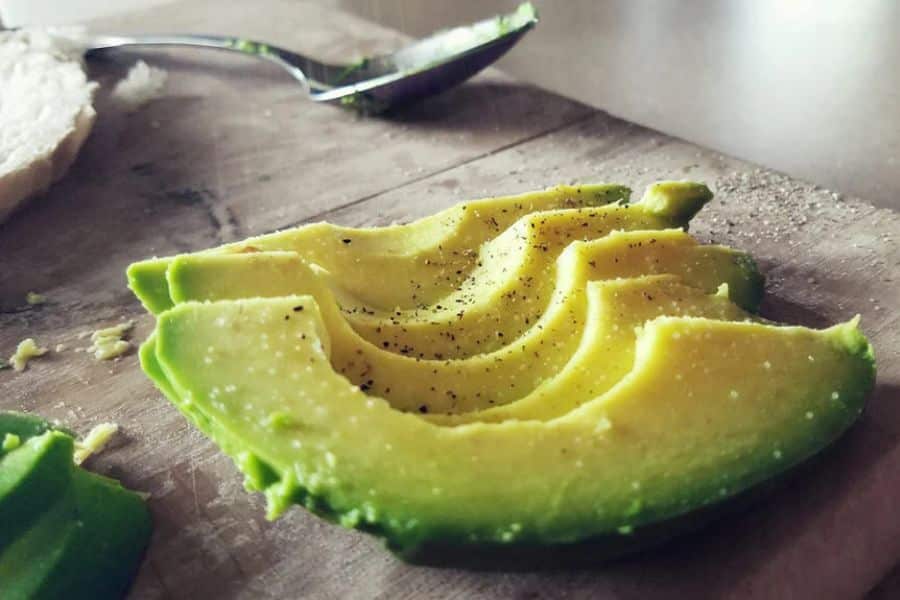
This is simple to replicate. Spread mashed avocado on toast instead of butter. Use it in place of mayo in a sandwich or tuna salad. Add avocado slices to a salad instead of cheese. Try an avocado-based dressing instead of a creamy, heavy one.
A Week of Avocado Without Getting Bored
Eating one avocado a day sounds straightforward until day three, when the thought of another slice on toast starts to lose its appeal. The trick is variety, and there’s plenty of it.
Here’s a seven-day plan to keep things interesting.
Day 1: Smashed avocado on sourdough toast with a poached egg and a pinch of chili flakes. Simple, filling, and genuinely satisfying first thing in the morning.
Day 2: Blend half an avocado into a green smoothie with spinach, banana, and oat milk. You won’t taste the avocado at all, but it makes the texture incredibly creamy and keeps you full for hours.
Day 3: Avocado and black bean tacos with fresh lime juice, cilantro, and a quick tomato salsa. This one feels like a treat rather than a health food decision.
Day 4: A big chopped salad with diced avocado, cucumber, cherry tomatoes, red onion, and a lemon tahini dressing. Light enough for lunch, satisfying enough to keep afternoon snacking at bay.
Day 5: A bowl of homemade chili topped with avocado slices instead of sour cream. The avocado melts slightly in the heat and adds a richness that works beautifully.
Day 6: Proper guacamole with lime, red onion, garlic, and plenty of seasoning, served with crudites or corn chips. The kind you want to eat with a spoon when nobody’s looking.
Day 7: A grain bowl with roasted chickpeas, roasted red peppers, sliced avocado, and a herby yogurt dressing. It looks impressive, takes about twenty minutes, and hits every flavor note you want on a Friday night.
Disclaimer: The health and wellness content on Your Lifestyle Library is for informational purposes only and should not replace professional medical advice. Always consult with your healthcare provider before making any changes to your diet.
Disclaimer: This article is for general information only and is not professional advice. It may contain affiliate links. Please see our full Editorial Policy for details.

Kylie Lang is a nationally syndicated travel journalist with bylines on the Associated Press Wire & more, a lifestyle writer, and the founder and editor of Your Lifestyle Library (yourlifestylelibrary.com). She holds a BA (Honours) in History from the University of Kent and is a member of the British Guild of Travel Writers.