
How many times have you been sucked in by a commercial for expensive tablets with unbelievable health benefits, only to be disappointed? It’s easy to get drawn into the marketing hype about a super pill that will miraculously make you healthier. Some work and some don’t, but most cost a fortune.
If you’re anything like me, you have a spice rack jammed with every herb and spice you can think of. However, did you know that many of these have been used for years for their anti-inflammatory and antibacterial properties, as well as for healing purposes?
They pack an impressive array of health benefits, from lowering your blood sugar to reducing inflammation.
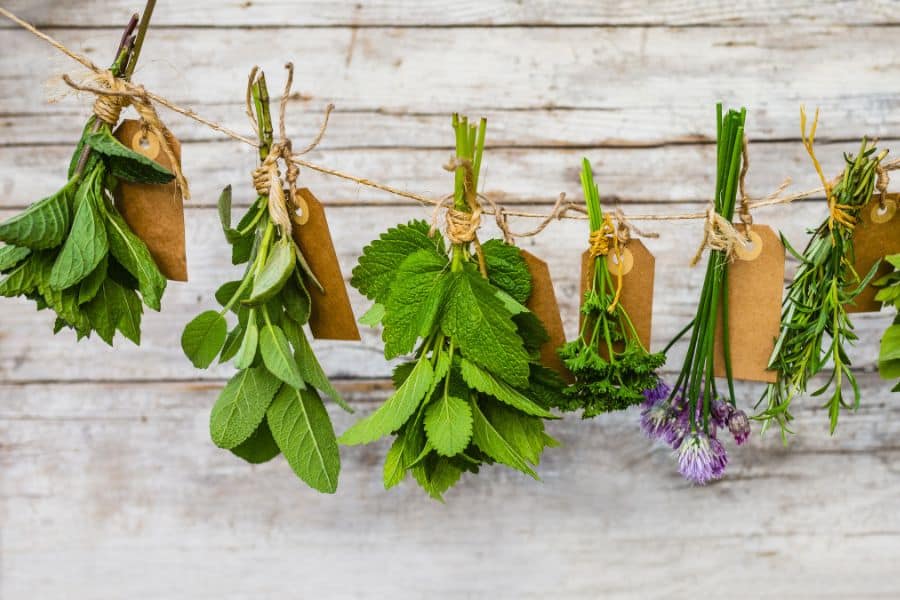
12 Everyday Herbs and Spices With Nutritional Benefits
From the fiery kick of cayenne pepper to the subtle earthiness of turmeric, each herb and spice in your rack carries health advantages. You’ll be surprised at the nutritional benefits of these 12 everyday herbs and spices in your kitchen.
Basil
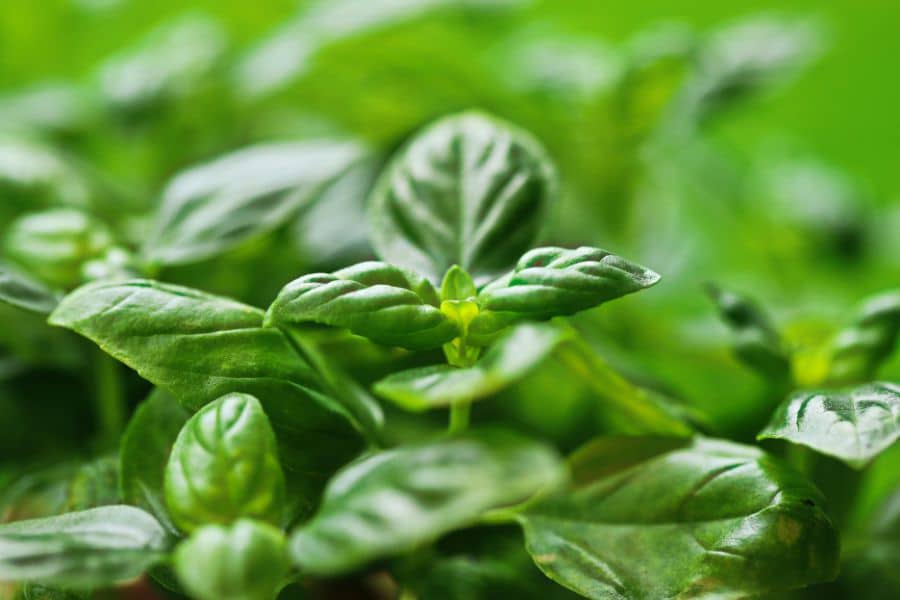
Centuries ago, basil was a symbol of hospitality and a key ingredient in Ayurvedic medicine, used to treat everything from respiratory problems to skin infections. Basil is particularly rich in vitamins A and K, essential for vision and blood clotting.
I have a small basil plant in my kitchen on the windowsill where it can get the light, and it’s easy for me to pick fresh leaves. Add it to salads, sandwiches, or pasta dishes. For a quick and nutritious boost, blend basil leaves into a green smoothie or stir them into a homemade pesto.
Cinnamon

I love cinnamon, but my husband hates it, so I use it sparingly. Centuries ago, it was a luxury item often used as a gift to impress, and came from ancient Egypt. It was often used in embalming and medicinal practices, believed to cure ailments from coughs and sore throats to arthritis due to its antibacterial and warming properties.
My favorite way to use it is on my morning oatmeal or coffee. At Christmas, it’s one of the main ingredients of mulled wine.
Turmeric

Turmeric has been turning things golden long before it became a trendy latte ingredient. It originated in South Asia and was used extensively in traditional medicine practices such as Ayurveda and Unani over 4,000 years ago. Ancient healers used it to treat various conditions, from pain and inflammation to digestive issues, relying on its bioactive compound, curcumin.
A study shows that curcumin is particularly beneficial for arthritis. Mix turmeric powder into warm milk with a dash of black pepper to increase curcumin absorption for a quick and health-boosting drink.
Ginger
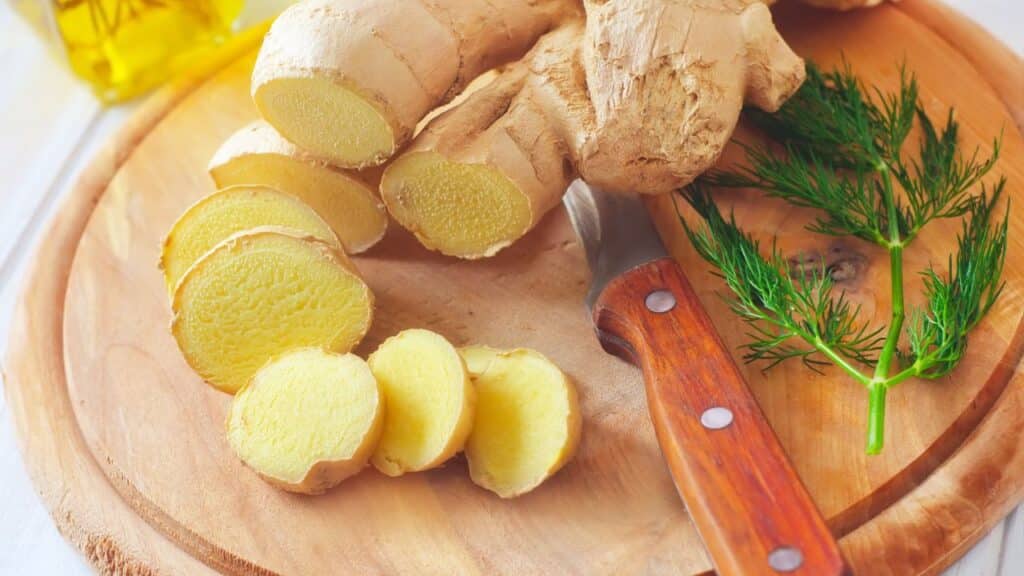
Ginger originated in ancient China and India and has been spicing up lives and healing ailments for thousands of years. Confucius wrote about it, and it was one of the first spices exported from Asia to Europe. It helped digestion, reduced nausea, and fought flu and cold symptoms.
Sailors chewed ginger to ward off seasickness, and a study shows it’s an effective treatment for nausea, particularly in pregnancy and following chemotherapy. Start your day with a shot of ginger juice mixed with honey and lemon to kick-start your digestion.
Mint
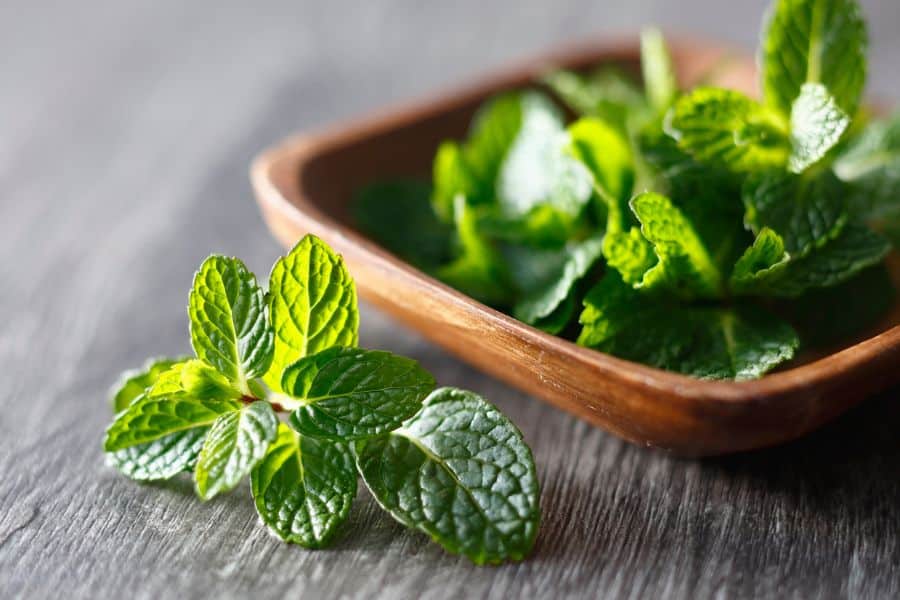
Wild mint grows abundantly in my garden; every time I cut the grass, all I can smell is mint, which is lovely. In ancient Rome, it was used to soothe stomach aches and freshen breath. In medieval times, people strewed mint on floors to cleanse the air, and it was a common ingredient in potions to aid digestion and relieve pain.
Mint’s menthol helps relax muscles in the digestive tract, making it a go-to natural remedy for bloating and abdominal discomfort. Mint is easy to use: chop it into salads or garnish desserts and drinks.
Rosemary
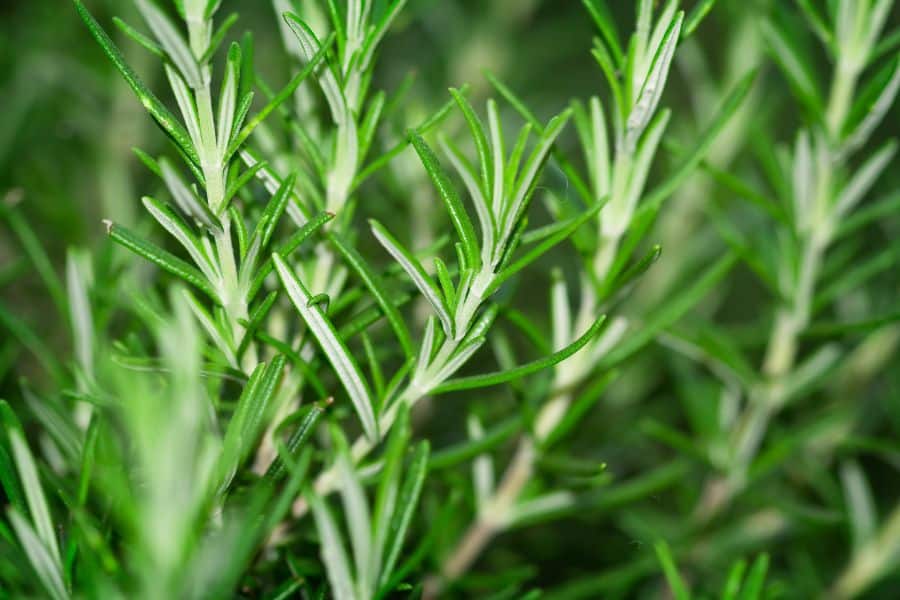
Greek scholars wore rosemary garlands to enhance their memory during examinations. During the Middle Ages, rosemary was strewn across floors to release its aromatic and antibacterial properties. In Shakespeare’s “Hamlet,” Ophelia states, “There’s rosemary, that’s for remembrance.”
A study shows that rosemary improves mental activity, cognitive functions, and sleep quality in older adults. For a quick and effective health tip, try infusing olive oil with rosemary and drizzling it over salads or roasted vegetables.
Thyme
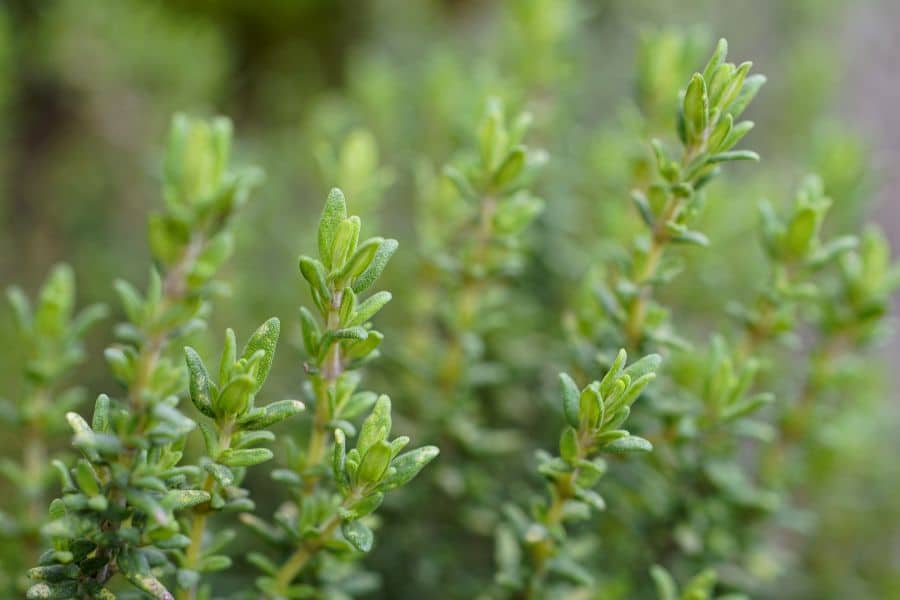
Medieval herbalists prescribed thyme for a variety of ailments, using it to ward off nightmares, assure safe passage into the afterlife, and treat respiratory and digestive disorders. Rich in vitamins C and A, thyme supports immune function and vision and is a popular remedy for coughs and sore throats.
Keep a fresh bunch of thyme in the kitchen. It’s useful for cooking and serves as a natural air freshener thanks to its lovely scent. Thyme makes a great addition to soups, stews, and roasts, infusing dishes with its distinctive flavor.
Sage

In ancient Rome, sage was considered sacred and used in various rituals and ceremonies to bring wisdom and mental acuity. This earned it the name of Salvia from the Latin salvere, meaning “to save” or “to heal.” It was commonly prescribed to help with everything from memory enhancement to digestive issues and was often used in concoctions to ward off the plague.
It also has antimicrobial properties that effectively fight bacterial and fungal infections. Add fresh or dried leaves to roasted vegetables, poultry, and stuffing dishes.
Oregano
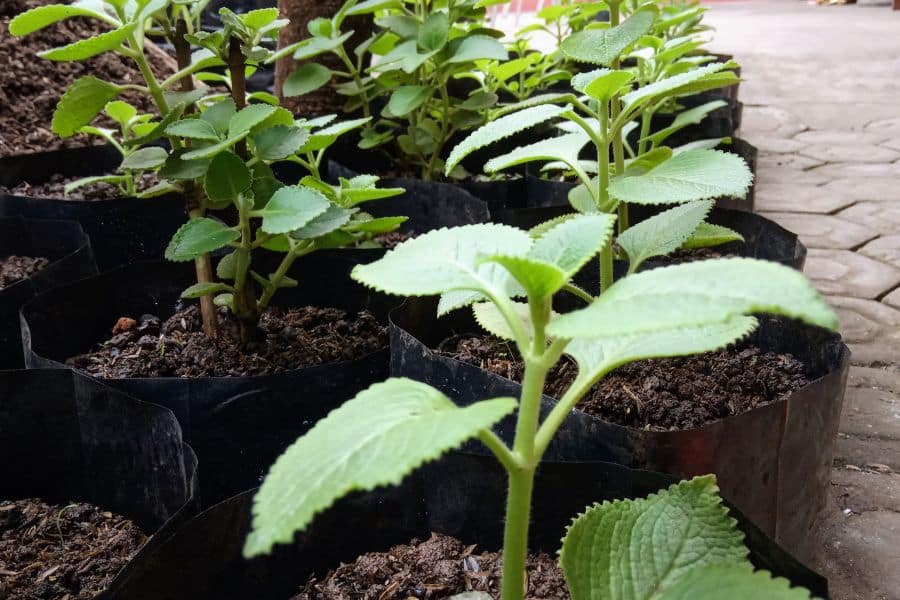
Ancient Greeks believed the goddess Aphrodite created oregano as a symbol of happiness, and they commonly used it in marriage ceremonies and to crown the heads of athletes. During the Middle Ages, oregano was one of the herbs used to ward off evil and was added to potions to cure various illnesses. They valued it for its medicinal properties, particularly for its ability to treat skin sores and aching muscles, and even as an antidote for certain poisons.
Cayenne Pepper

Native to the Americas, cayenne has uses ranging from alleviating pain to improving circulation. Early healers relied on its potent effects to treat everything from toothaches to digestive issues. Cayenne contains capsaicin, the compound that gives it its fiery heat.
Capsaicin is renowned for its pain-relief properties, particularly effective in creams used to soothe muscle and joint aches. Additionally, cayenne pepper boosts metabolism, supports digestive health, and reduces the risk of heart disease by improving blood circulation and lowering blood pressure.
It works well in everything from spicy stews and sauces to meat marinades.
Coriander
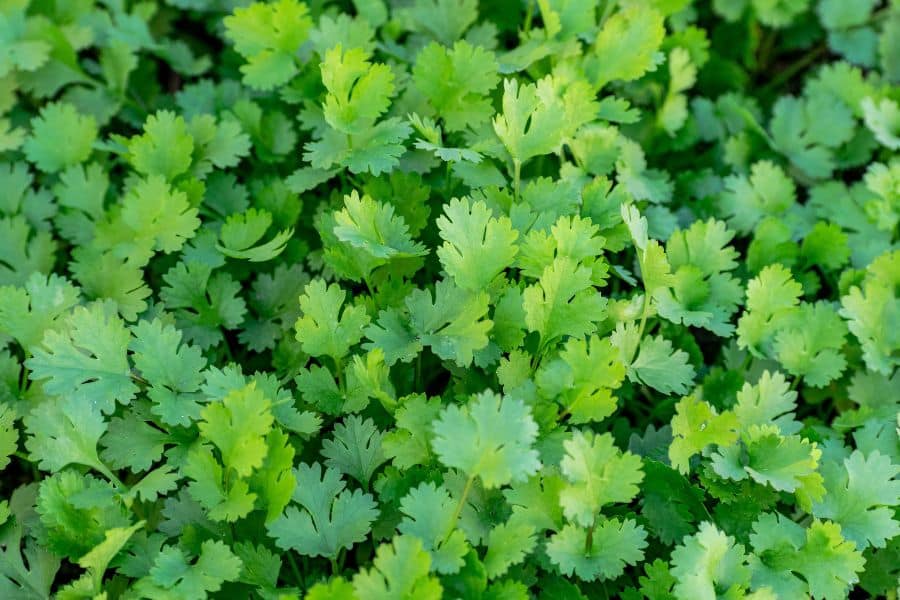
Coriander, also known as cilantro or Chinese parsley, was cultivated in ancient Egypt. The seeds were found in tombs dating back to 5000 BC, suggesting their sacred and healthful significance. Ancient texts and practices emphasize that healers often prescribed coriander for its digestive and anti-inflammatory benefits, using it to soothe stomach ailments and relieve arthritis.
For flavor, add fresh chopped leaves to tacos, curries, or salads. The seeds can be ground and added to spice mixes, marinades, or as a crust for meats and breads.
Fennel
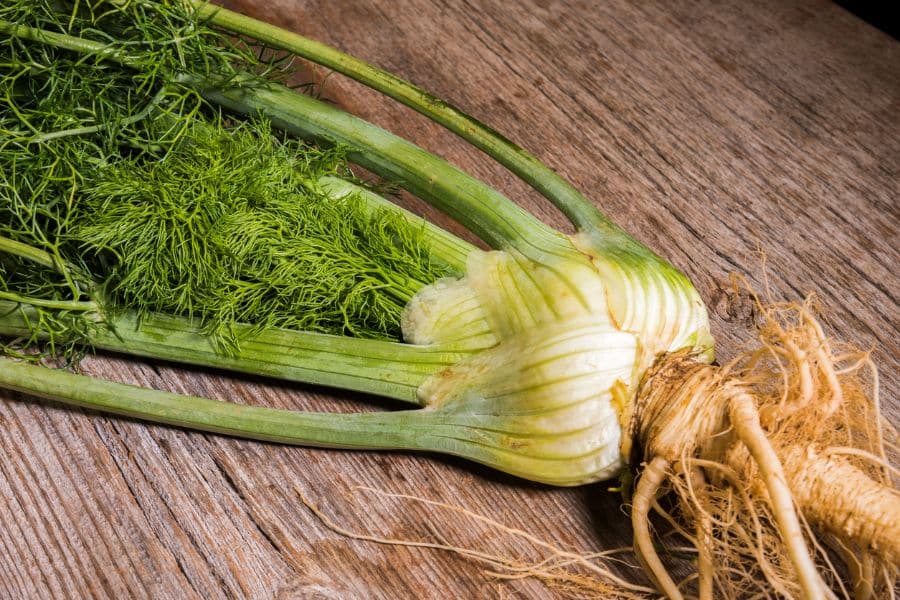
Fennel has an anise-like flavor, a bulbous base, and feathery leaves. The Greeks named it “marathon” because it flourished abundantly in the field where the famous Battle of Marathon took place, and they considered it a symbol of success. Traditional healers used fennel to treat various ailments, from colic in infants to adult digestive problems.
A study shows fennel has anti-cancer properties. Try slicing the bulb thinly to add a refreshing crunch to salads or braising it to serve alongside fish or chicken. You can also sauté fennel with onions and garlic as a fragrant base for soups and stews.
Disclaimer: The content in this article is for informational purposes only and is not intended to replace professional medical advice, diagnosis, or treatment. Always consult your doctor, physical therapist, or healthcare provider before starting a new exercise program, particularly if you have existing joint, cardiovascular, or balance conditions.

Kylie Lang is a nationally syndicated travel journalist with bylines on the Associated Press Wire & more, a lifestyle writer, and the founder and editor of Your Lifestyle Library (yourlifestylelibrary.com). She holds a BA (Honours) in History from the University of Kent and is a member of the British Guild of Travel Writers.