
Have you ever wandered out into your garden during a heatwave and felt your heart sink at the sight of everything looking sorry for itself? The tomatoes drooping, the basil flat on its back, the petunias in the hanging basket looking like they’ve thrown in the towel completely?
Summer is nearly upon us, and here in my part of the world, we’re staring down the barrel of two weeks of 80+ degrees according to the forecast. Which means the annual struggle to keep everything alive on the watering front is back, and I’m bracing myself for it. The veggie patch is just getting going, the pots on the patio are looking lovely, and I’m not about to let a heatwave undo all the work of the spring.
The trick with hot-weather watering isn’t really about doing more of it, but doing it smarter. A few small changes to how and when you water can save you hours, save your plants, and save a small fortune on your water bill, too.
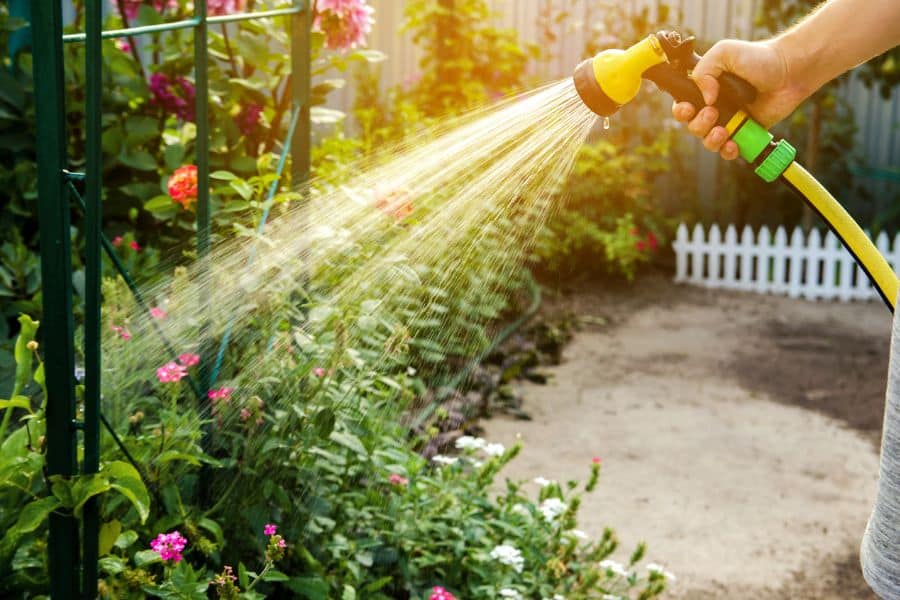
Why Watering in a Heatwave Is Different
When temperatures climb, plants lose water through their leaves at a much faster rate than in cooler weather. It’s called transpiration, and it’s basically how plants sweat. The hotter and drier the air, the more water they lose, and the more they need to pull up from their roots to replace it.
At the same time, the soil dries from the top down. That means the surface can look wet from your morning watering while the roots six inches down are bone dry. And here’s the catch: shallow watering actually makes the whole problem worse, because it trains your plants’ roots to grow near the surface where the soil heats up fastest.
So when a heatwave hits, the goal is to get water down deep where it stays cool, slow how quickly it evaporates, and reduce the demand on your plants in the first place. These seven tricks do exactly that.
7 Clever Ways to Keep Your Plants Watered During a Heatwave
Getting all seven of these tips working together is what makes the difference between a garden that limps through August and one that’s still looking good when September arrives.
1. Water first thing in the morning
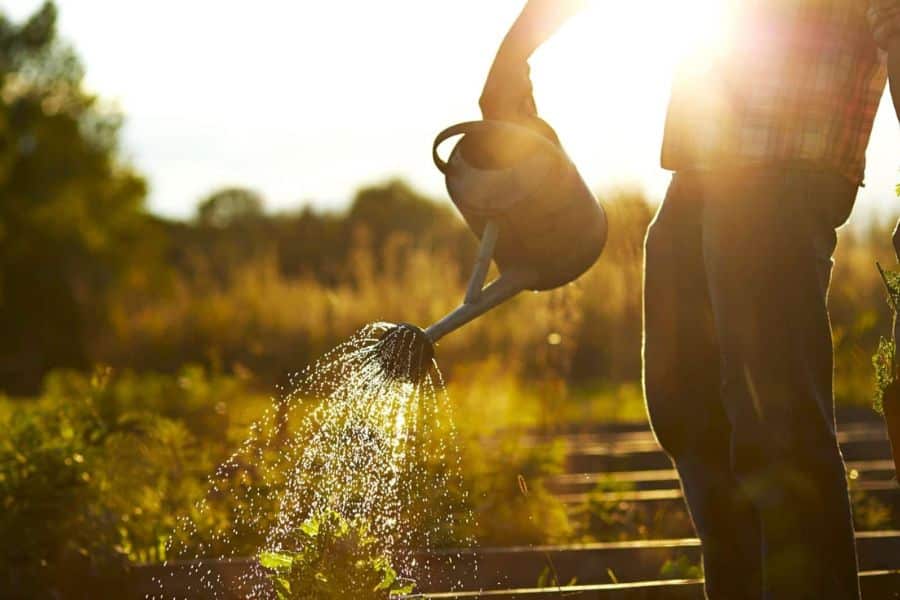
The sweet spot is between 5 am and 9 am. The air is still cool, evaporation is slow, and the water has time to soak deep into the soil before the sun pulls it back out. Leaves also dry off quickly once the sun is up, which means you avoid the fungal issues that come from damp foliage sitting wet overnight.
If mornings really aren’t possible for you, late evening, once the sun is off the beds, is your second-best option. Avoid the middle of the day at all costs, because you’re basically just watering the air at that point.
I’ll be honest, I’m out there in my dressing gown at 6 am most summer mornings with the hose in one hand and a coffee in the other, talking to the tomatoes. The neighbors must wonder what on earth I’m doing. But the plants are happier for it, and so is my water bill.
2. Water deeply and less often
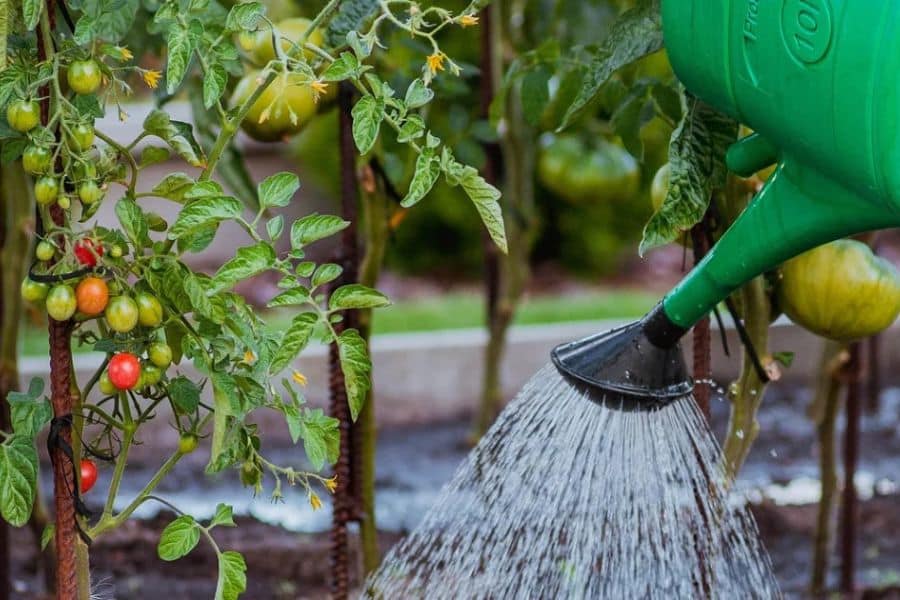
I’ve made this mistake until my mom put me right when she came to stay a few summers ago. A light daily sprinkle is actually doing more harm than good. The water only wets the top inch or two of soil, which keeps the roots near the surface where they cook in the heat.
A proper deep soak two or three times a week trains the roots to grow down into cooler, damper soil. Aim for water to penetrate at least 6 to 8 inches down. The easiest way to check is to push your finger or a wooden chopstick into the soil after watering. If it comes out dry an inch down, you haven’t given it enough.
This felt completely counterintuitive when I first started doing this, but the results speak for themselves, and the plants are far more resilient when the next heatwave rolls in.
3. Mulch like your garden depends on it
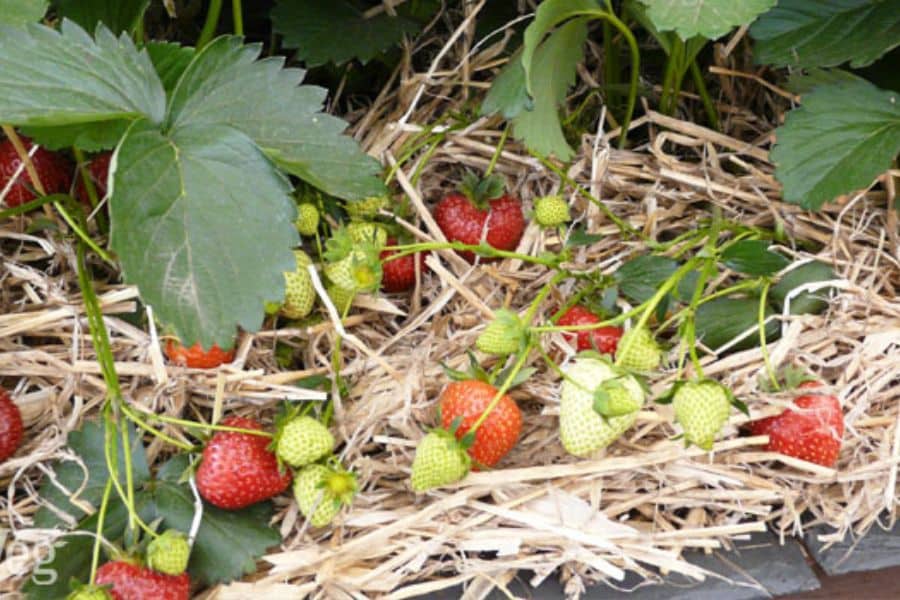
A 2 to 4 inch layer of mulch over your beds is the single best one-time effort you can make before a heatwave hits. It prevents the top of the soil from drying out, keeps the root zone cool, and chokes out the weeds that would otherwise be drinking your water.
You can use bark chippings, well-rotted compost, straw, leaf mould, or even grass clippings if you let them dry out for a day or two first. Just leave a small gap around the stem of each plant so the mulch isn’t sitting up against it, because that can cause rotting.
I save my grass clippings now instead of putting them all into the compost, and they go straight onto the vegetable beds. Free mulch, less weeding, and the soil underneath stays beautifully damp even on the hottest days.
4. Move pots and containers into the shade
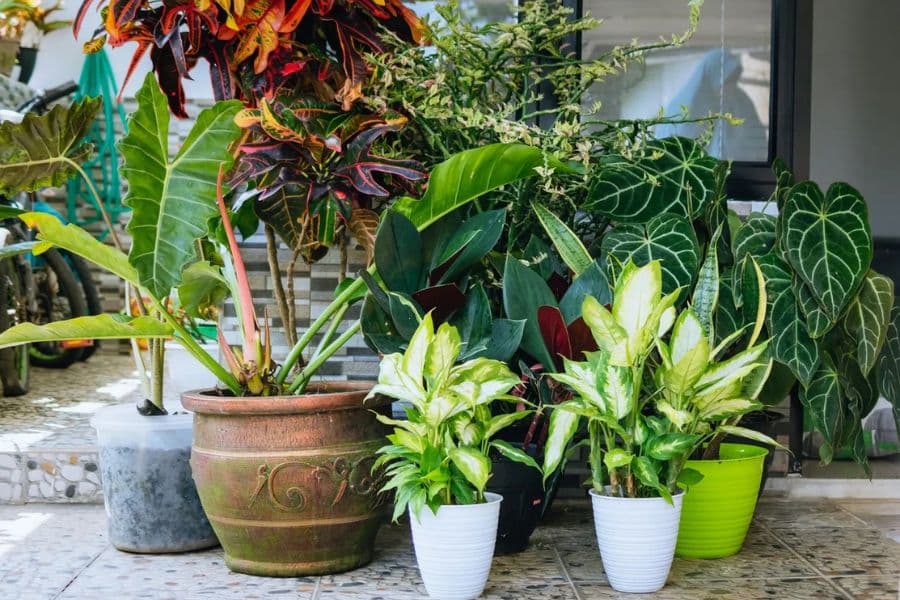
Containers are the first casualties of a heatwave. The pot itself heats up far faster than soil in the ground, especially if it’s a dark color or made of metal or plastic, and the roots inside literally start to bake. Even a few hours of afternoon shade can mean the difference between a thriving pot and a crispy one.
If you can’t move them, group them together against a north-facing wall or under the canopy of a larger plant. Light-colored pots cope better than dark ones, and terracotta breathes better than plastic, though it also loses water faster, so it’s a bit of a trade-off.
Last summer, I lost three pots of basil because I left them in their usual sunny spot during a heatwave and didn’t think to move them. I won’t make that mistake again. They now live in dappled shade from June onwards, and they’ve been much happier for it.
5. Set up a slow-release watering system with plastic bottles
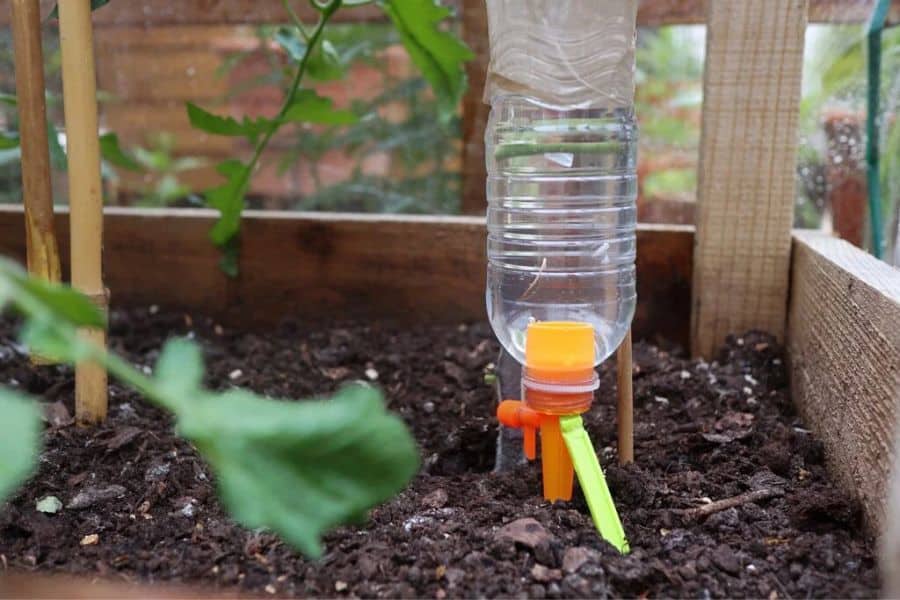
Take an empty two-liter plastic bottle, pierce four or five small holes in the cap with a hot needle or a drill bit, cut the bottom off the bottle, and upend it cap-down into the soil next to your plant. Fill it from the top whenever it empties.
The water seeps out slowly through the cap, straight down to the root zone where it’s needed, with almost zero evaporation loss. It’s brilliant for thirsty plants like tomatoes, courgettes, runner beans, and peppers. One bottle per plant, and you only need to fill them every couple of days, even in a heatwave.
My row of upended bottles down the vegetable patch isn’t exactly the look I was going for, but the tomatoes have never been better, so I’ll take ugly and happy over tidy and dead any day.
6. Prioritize the plants that actually need you
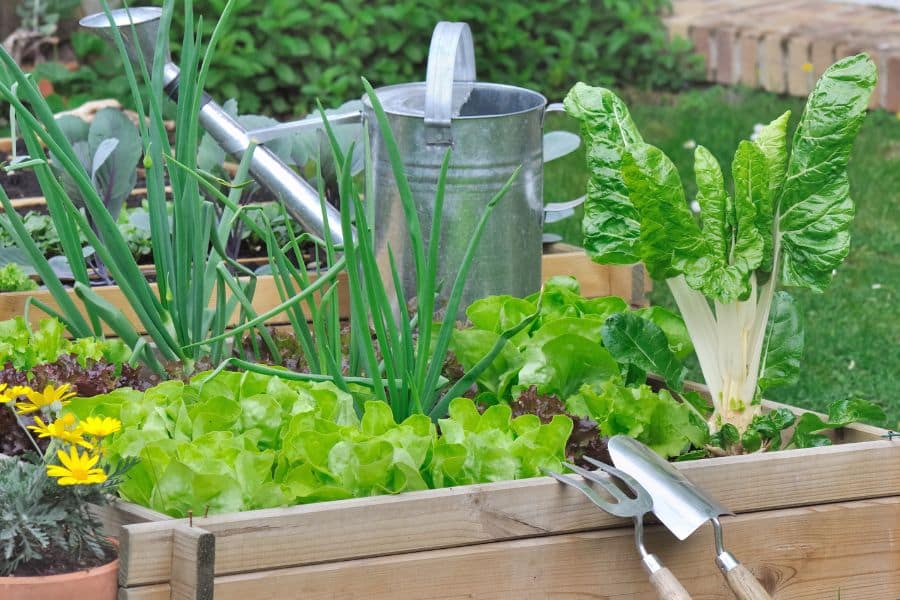
Not every plant in your garden needs daily attention in a heatwave. Established shrubs and trees with deep root systems can usually look after themselves for a week or two, even if they look a bit sad in the meantime. Lawns will go brown and bounce back as soon as the rain returns.
The plants that need your help are newly planted things from this year, vegetables in flower or fruit, anything in a container, and shade-loving plants that have ended up somewhere a bit sunnier than they’d like. Group your needy ones close together if you can, so you’re not running round the whole garden with a hose for an hour every morning.
7. Use shade cloth or an old bed sheet for the very worst of it
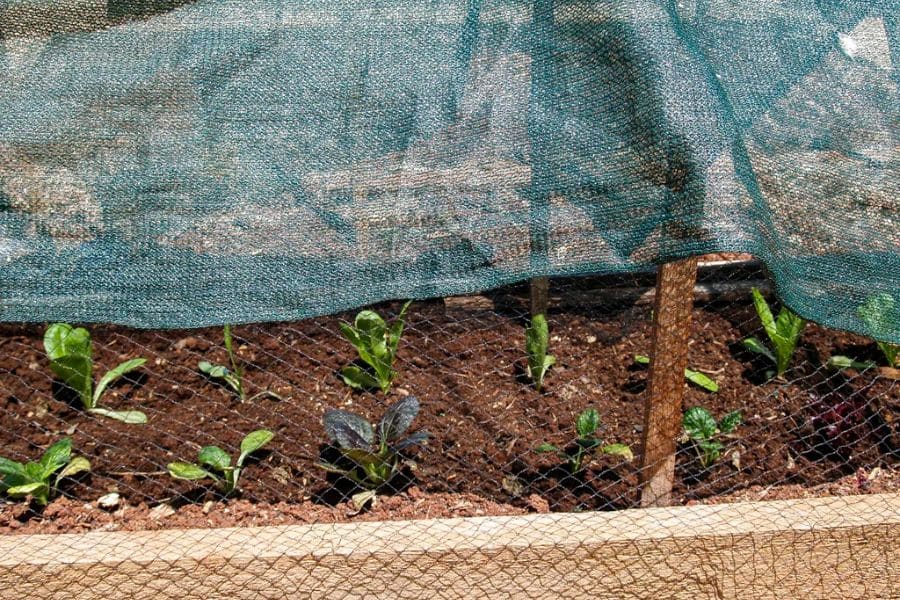
When the forecast shows weeks of extreme heat, this is the move that saves the rest. Draping shade cloth, lightweight white fabric, or even old bed sheets over hoops or stakes for the hottest part of the day can drop the temperature around your plants by several degrees and dramatically reduce how much water they need.
Garden centers sell proper shade cloth that blocks around 30 to 50 % of the sunlight, which is the sweet spot for vegetables and tender plants. But honestly, an old white bed sheet pegged onto canes works almost as well in a pinch and costs nothing.
I keep two old sheets in the shed specifically for this. They come out maybe three or four times a summer, get draped over the salad bed and the courgettes, and help keep my plants happy. The lettuces in particular stop bolting the minute they’re under cover, which means I can keep cropping for weeks longer than I otherwise would.
Disclaimer: This article is for general information only and is not professional advice. It may contain affiliate links. Please see our full Editorial Policy for details.

Kylie Lang is a nationally syndicated travel journalist with bylines on the Associated Press Wire & more, a lifestyle writer, and the founder and editor of Your Lifestyle Library (yourlifestylelibrary.com). She holds a BA (Honours) in History from the University of Kent and is a member of the British Guild of Travel Writers.