
There’s a whole lot going on inside that suddenly tired body of yours after 50. Hormones shift, and digestion slows, which is why the bloating creeps in more often than it used to. Your stomach starts producing less acid, which makes it harder to absorb vitamin B12, the very vitamin that helps power your energy. Muscle mass quietly declines if you’re not actively working to keep it. And your metabolism takes a bit of a holiday.
Add to that the fact that a lot of us in our 50s are running on slightly less sleep than we’d like, dealing with menopause or the after-effects of it, and trying to do everything we did in our 30s with a body that’s not responding. It’s as if someone flipped an energy switch when we reached 50. So what do we do?
Food is the simplest fix. Not the only fix, but a big one. The right superfoods can settle the gut, top up the nutrients you’re absorbing less efficiently, and give you steady energy instead of the rollercoaster you get from coffee and biscuits.

9 Superfoods Scientifically Proven to Boost Your Energy Levels
None of the food items on this list is expensive or unusual. The trick is to actually eat them often enough to feel the difference.
1. Ginger
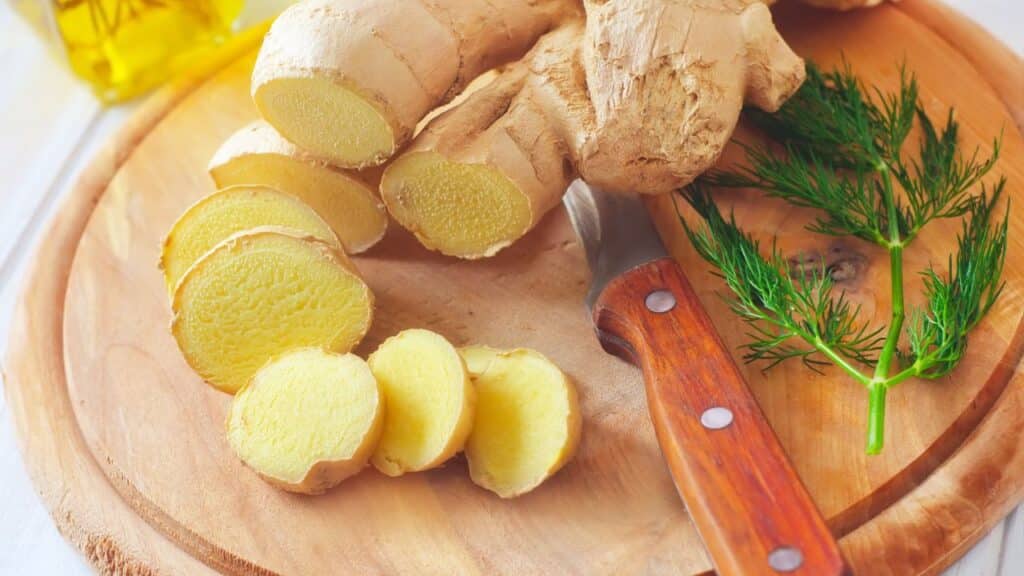
If bloating is your main complaint, ginger is the one to reach for first. It’s been used for digestion for centuries, and the science backs it up. A systematic review of clinical trials found that ginger reduces intestinal cramping, prevents dyspepsia, flatulence, and bloating, and helps the stomach empty faster.
My daughter, who is on a bit of a health kick at the moment, grates a chunk of fresh ginger into hot water with a slice of lemon most mornings, and swears by it. It’s also lovely in smoothies, stir-fries, soups, and anything with carrots.
2. Leafy greens
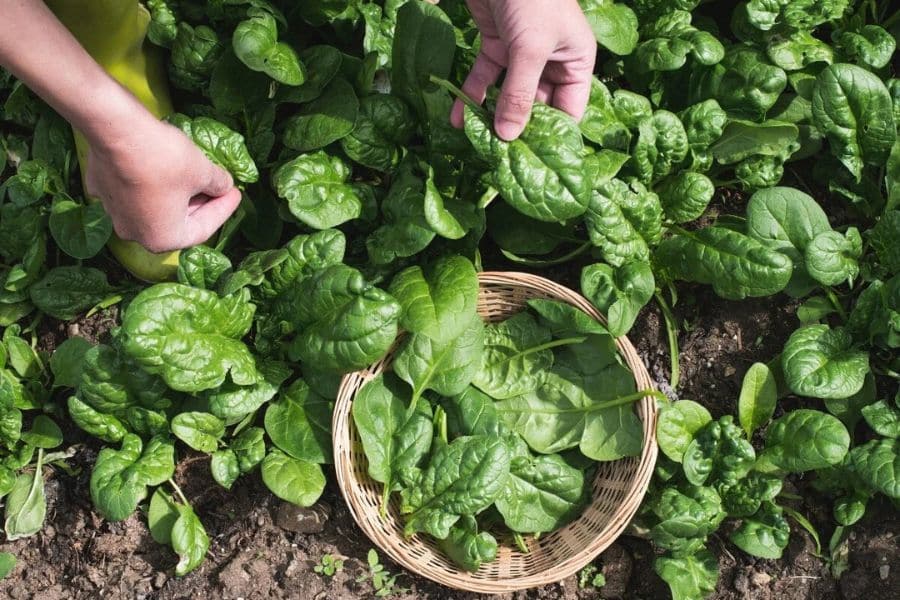
Spinach, kale, Swiss chard, and the rest of the dark green crowd are packed with iron, magnesium, folate, and B vitamins. All of which helps keep energy levels up. Iron, in particular, is a big one because low iron is one of the most common causes of unexplained fatigue in women.
There’s also research from the National Institute on Aging showing that older adults who ate a daily serving of leafy greens had a slower rate of cognitive decline than those who didn’t. So you’re getting brain benefits alongside the energy.
I’ll be honest, I never used to like spinach. It was something they gave us at school dinners, usually cooked within an inch of its life, and that put me off for about three decades. Then I decided to give it another chance, and now I often add it to curries and include it in salads.
3. Oily fish

Salmon, sardines, mackerel, and trout. The omega-3s in oily fish reduce inflammation, which is one of the quiet drivers of feeling tired and achy after 50. They also deliver vitamin D and B12, both of which decline with age and are linked to energy levels and mood.
Sardines are an absolute bargain, too. A tin costs barely anything, and they’re loaded with calcium, omega-3s, and protein. I keep a few tins in the cupboard for emergency lunches, mash them onto toast with a squeeze of lemon and a bit of avocado, and they taste great.
4. Oats
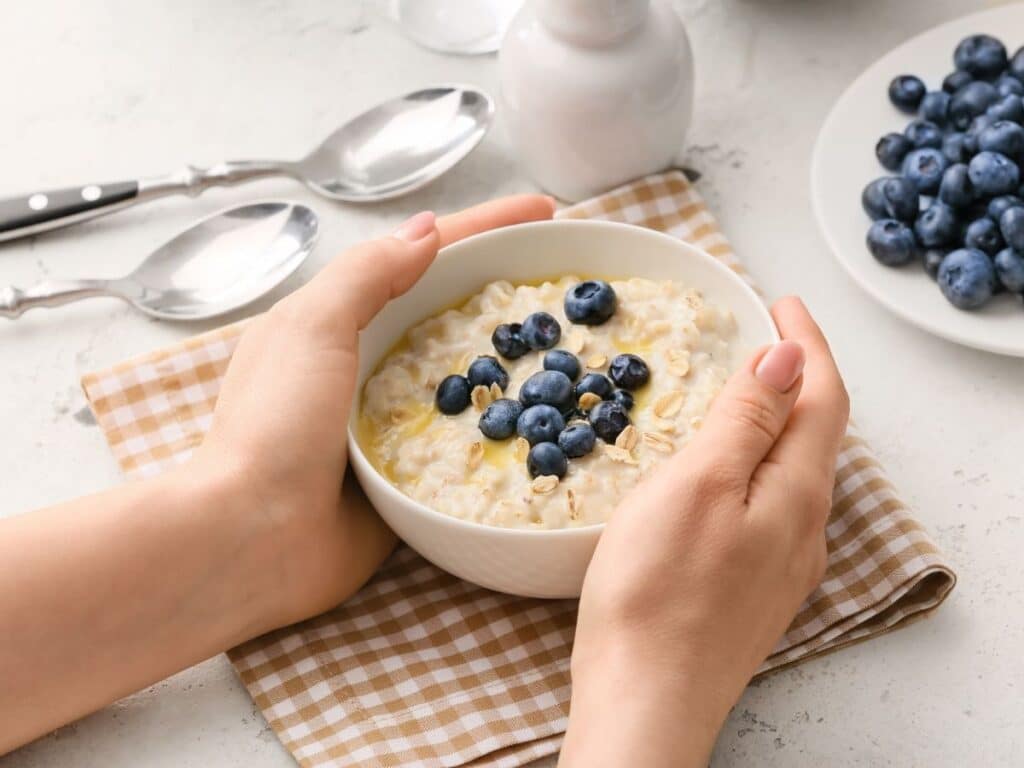
The slow-release energy of oats is what makes them so useful in your 50s. Refined carbs spike your blood sugar and then drop it like a stone an hour later, which is why you crash mid-morning if breakfast was a slice of white toast and jam. Oats give you steady fuel for hours, plus a decent dose of fiber that helps keep digestion ticking over.
I love oats in the winter months. Nothing like a warm bowl of porridge with blueberries to bring you to life on a freezing cold morning. During the summer months when I don’t necessarily want something hot to eat, I mix half a cup of oats with milk or yogurt, a spoonful of chia seeds, and a handful of berries, and leave it in the fridge overnight.
5. Berries
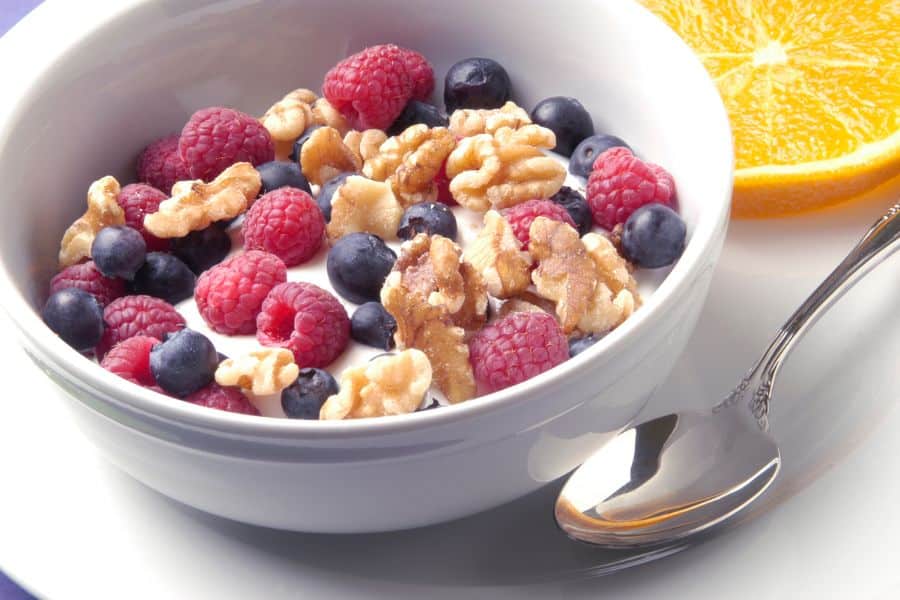
Strawberries, raspberries, blueberries, blackberries. All of them are loaded with antioxidants and anti-inflammatory compounds that help protect your cells from the wear and tear that adds up as you age. They’re also high in fiber, low in sugar, and they make pretty much anything taste better.
Living in rural France means blackberries grow wild in the hedgerows here from August onwards, and I spend a good chunk of late summer picking them and freezing them. Frozen berries are just as good nutritionally, and they last forever in the freezer.
6. Fermented foods

I still haven’t gotten my head around most fermented foods, other than yogurt. Kefir, sauerkraut, kimchi, and a bit of miso deliver beneficial bacteria to your gut, and after 50, your gut microbiome can shift in ways that make bloating and digestive discomfort more common. Topping up the good bacteria regularly can make a real difference.
As part of her health kick, my daughter has become obsessed with Kefir. It’s basically drinkable yogurt with way more probiotic strains, and a small glass in the morning seems to keep things moving along nicely. If you’ve never tried it, get the plain unsweetened kind and add your own fruit, because the flavored ones are loaded with sugar.
7. Eggs

Eggs are so versatile, and they’re one of the best things you can eat after 50. Complete protein, B12, choline for brain function, vitamin D, and they’re cheap and quick to cook. The old worry about cholesterol has largely been put to bed by more recent research, and most healthy people can eat eggs regularly without any issue.
Two scrambled eggs on rye toast with smoked salmon and avocado is my go-to lunch. But who can resist a bit of eggs and bacon, or an omelet with cheese and ham?
8. Nuts and seeds
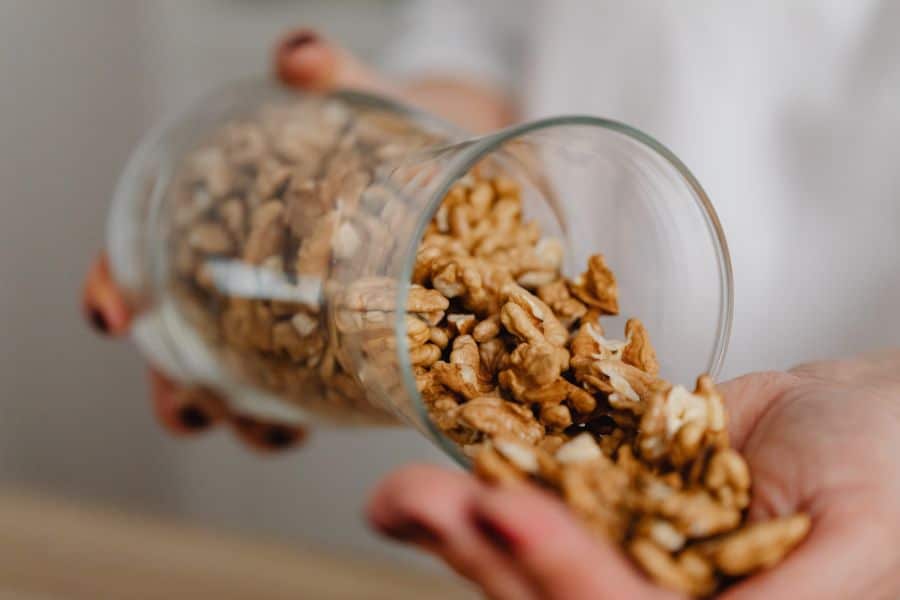
Almonds, walnuts, pumpkin seeds, chia seeds, flaxseeds. They deliver magnesium, healthy fats, slow-release energy, fiber, and a little hit of protein. Magnesium in particular is one of those nutrients a lot of us are short on, and low magnesium can leave you feeling tired, crampy, and rather out of sorts.
I keep a small jar of mixed nuts and seeds on my desk and try, most days, to grab a small handful rather than reaching for the cookie jar. It’s usually around 3 pm when I’m starting to get that afternoon nap feeling coming on.
9. Beans and lentils
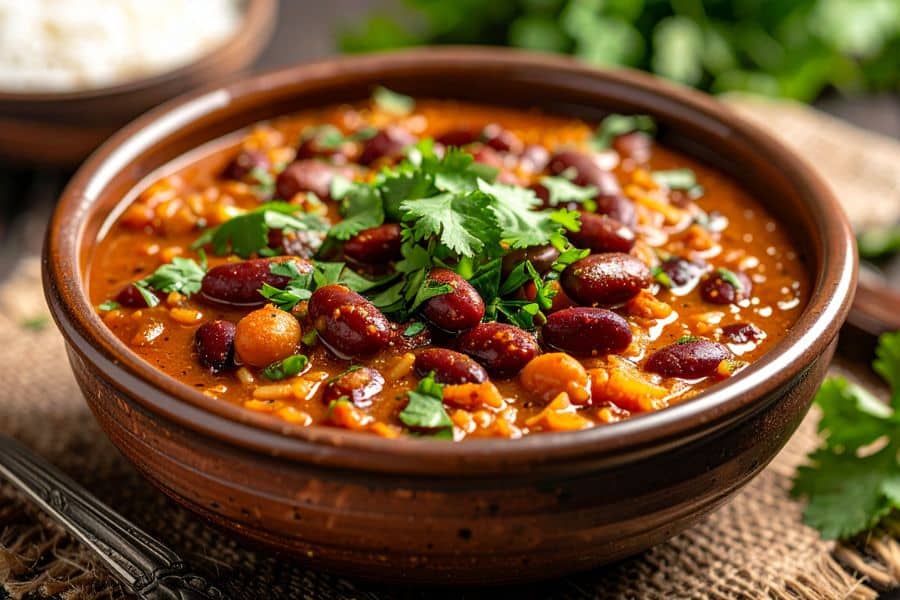
Beans and lentils are the unsung heroes of energy food. Slow-release carbs, plant-based protein, iron, B vitamins, and a huge amount of fiber. They keep you full for hours, they’re cheap, and, like eggs, are extremely versatile.
A word of warning. If you don’t eat them often, start small, or you’ll end up with the kind of bloating you were trying to avoid in the first place. Build up gradually, and your gut adjusts. Lentil soup with carrots, onion, garlic, and a bit of cumin is one of my winter staples here in France, and it costs about a euro a bowl to make.
Disclaimer: This article is for general informational purposes only and is not medical advice. Always consult a qualified healthcare professional before making significant changes to your diet, particularly if you have existing health conditions, are taking medication, or have concerns about fatigue, bloating, or other ongoing symptoms.