
There are times when I think we have too much information, and for once, knowledge isn’t power. In a world where almost everything is available at our fingertips, instead of helping us make decisions, there is so much conflicting information that it’s almost impossible to make head or tail of it.
One minute we should eat salt, the next we shouldn’t. Butter is out, and margarine is in because of our cholesterol. Now we’re having veganism rammed down our throats and being told that meat is bad for us and we don’t need it. And that’s just for starters.
But when you look at those people getting to the milestone of 100 years old, they aren’t playing by any of these rules; quite the opposite, in fact. They have a completely different approach to life that doesn’t include pounding away on a treadmill, tracking our sleep on an app, or cutting out butter, bread, or wine.

9 Centenarian Secrets To Scoring a Longer & Healthier Life
The million-dollar question is, how are centenarians living longer and healthier lives? What is it they do differently? How are they getting to the grand old age of 100 when they lived through a war, rationing, and ate spread lard on their bread for tea?
Secret #1: They Sleep With the Sun, Not a Smartphone

Centenarians don’t use sleep-tracking apps, don’t obsess over REM cycles, and don’t take melatonin gummies or use blackout blinds. And yet they consistently sleep better than most people a third their age.
Their lives are naturally aligned with light and dark, much like those of people centuries ago. They’re outdoors during the day, exposed to natural light, and when the sun goes down, their environments dim with it. There are no glowing screens keeping their brains alert at midnight, and their bodies know what time it is because their environment tells them.
Modern life has broken that rhythm almost entirely. We sit under artificial light all day (usually indoors), stare at bright screens all evening, and then wonder why sleep feels so hard. Our internal clocks are confused, and the consequences show up as poor sleep, disrupted hormones, and metabolic issues.
Getting ten minutes of natural light first thing in the morning, dimming lights after sunset, and stepping away from screens an hour before bed are small changes we can make easily.
Secret #2: They Stop Eating Before They’re Full
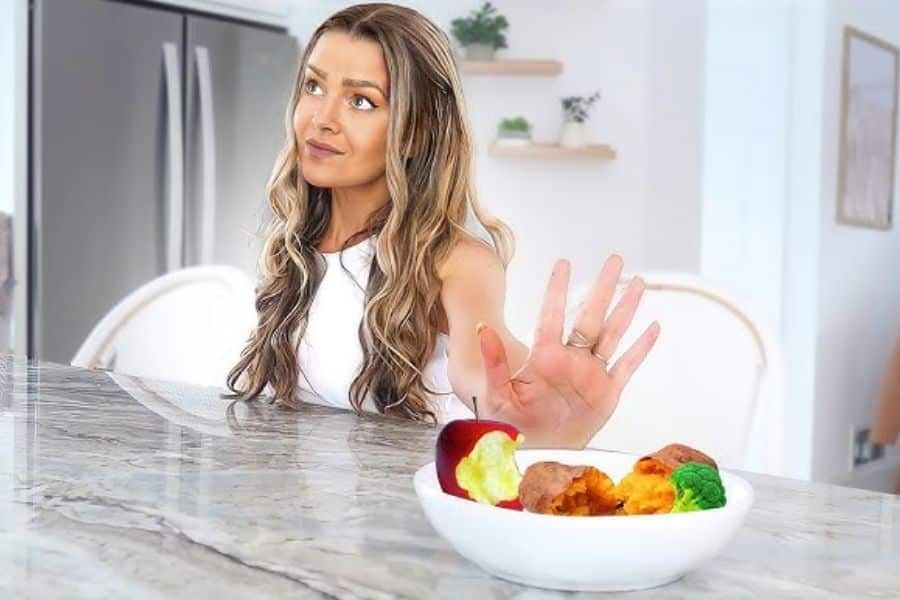
Before every meal, Okinawan elders repeat a 2,500-year-old phrase: Hara Hachi Bu. It means eat until you’re about 80% full.
Forget calorie counting and macro tracking. It’s a moment of mindfulness before meals and the discipline to put the fork down before your plate is clean.
The average Okinawan elder consumes significantly fewer calories per day than the average American, and that gap, maintained over a lifetime, makes an enormous difference to weight, heart health, and longevity.
It takes roughly 20 minutes for your stomach to signal your brain that you’re full. If you eat quickly, you’ve already overshot the mark before your brain gets the memo.
Eating slowly, using smaller plates, and putting leftovers away before you sit down are all practical ways to make this work in real life.
Secret #3: They Move All Day Without Ever “Exercising”

The world’s longest-lived people are consistently more active than most people half their age. But they aren’t going to gyms, running marathons, or attending daily exercise classes.
The difference is how movement is woven into their daily lives. They walk to the market, grow their own food, and do chores manually. Movement is something their environment makes unavoidable.
Compare that to how most of us live. We drive to work, sit at a desk for eight hours, drive home, and then sit on a sofa. Modern life has more or less engineered movement out of our days, and we haven’t noticed because we have gyms to compensate. Except gyms don’t fully compensate. An hour of exercise followed by ten hours of sitting is not the same as a day of gentle, constant movement.
The centenarian approach is sometimes called “Move Naturally,” and the idea is simple. Stop trying to exercise more, and instead, start trying to sit less, walk where you can, garden if you’re able, and take the stairs. Inconvenience yourself on purpose.
Secret #4: They Have a Reason to Get Out of Bed
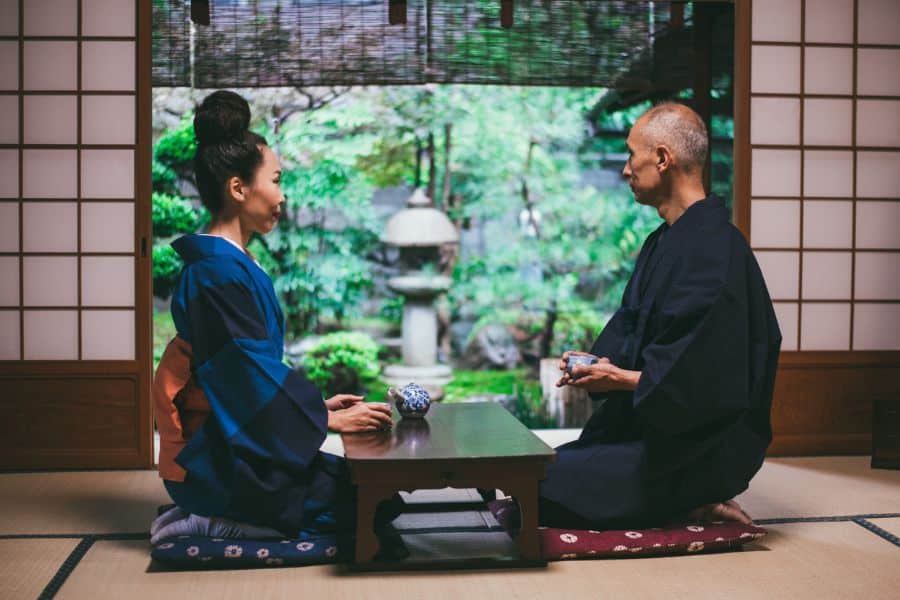
In Okinawa, one of the places with the highest concentration of centenarians on earth, there isn’t even a word for retirement. The concept simply doesn’t exist. Instead, people have what the Japanese call ikigai. It translates roughly to “why I wake up in the morning.” It could be tending a garden, teaching a skill, caring for grandchildren, or raising prize bulls. Yes, really.
Western culture has built an entire system around the idea of working hard for 40 years so you can eventually stop. But stopping, it turns out, may be one of the worst things you can do for your health. We all need purpose in our lives, a reason to get up in the morning; otherwise, we just drift through the day.
Research suggests that having a strong sense of purpose can add years to your life. So what’s yours?
Secret #5: Plants Do the Heavy Lifting on Their Plates
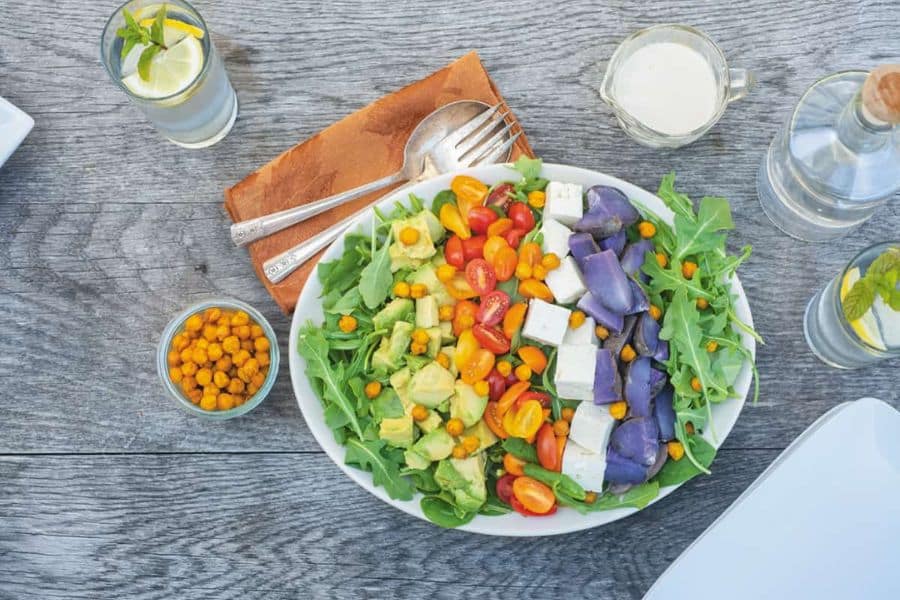
Centenarian diets around the world look very different from each other, but they share one thing. Plants are always at the center, and beans in particular show up again and again as a dietary staple.
You don’t have to go vegan, and thank goodness for that, because I couldn’t do it. It’s not about eliminating anything, which aligns with what my mom always used to tell me growing up: a little bit of everything does you good.
The Sardinian model is a good example: whole-grain bread, beans, garden vegetables, fruits, and meat, reserved mainly for Sundays and celebrations. Modern diets tend to work the other way around. A large portion of animal protein at every meal, with vegetables as an afterthought. Centenarians flip that ratio. Beans, lentils, and vegetables take up most of the plate. Meat earns its place occasionally.
That one shift, without any other dramatic dietary overhaul, appears to have a significant effect on long-term health.
Secret #6: They Release Stress Every Day Without Fail
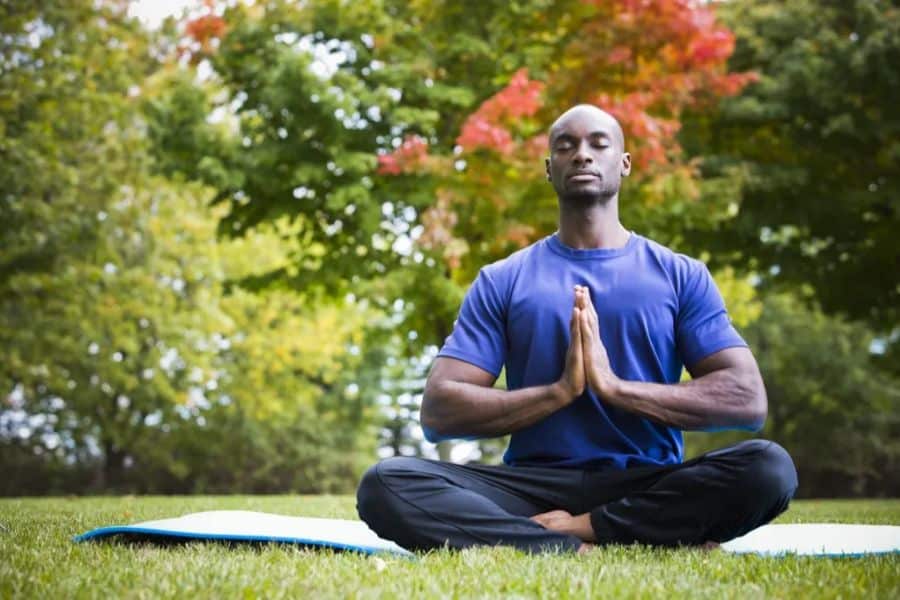
We tend to let stress accumulate all week and then deal with it in one go. A Sunday yoga class, a long bath, which is my personal favorite, or a big glass of wine on Friday night. Those are just some of the options. The problem is that stress doesn’t wait patiently to be managed in batches. It builds, quietly doing damage the whole time.
Centenarians in the world’s longest-lived communities have a completely different approach. The Okinawans take a few moments each day to reflect, the Greeks of Ikaria take a mid-afternoon nap, and the Sardinians have a social hour in the early evening, a glass of wine with friends before dinner.
Modern life rarely builds in these moments. If anything, we treat rest as laziness and busyness as a badge of honor. Centenarians would find that baffling.
A ten-minute walk after lunch, five minutes of quiet before bed, a cup of tea with no screen in sight. Small rituals done consistently add up to something significant over a lifetime.
Secret #7: A Little of What You Fancy Does You Good
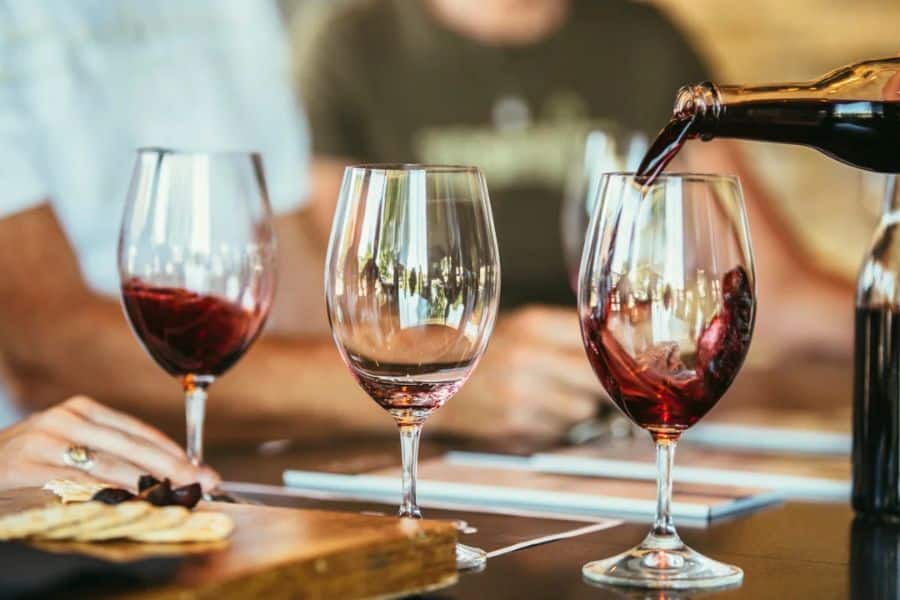
Modern life tends toward extremes. Dry January followed by a big night out, a strict diet Monday to Friday, and a free-for-all at the weekend. I’m so guilty of doing this. Again, my mom, wise lady that she is, has always lived by this motto. Her relationship with life’s small pleasures is consistent, moderate, and built into the rhythm of her daily life. If she wants a piece of chocolate, she has it and doesn’t beat herself up for doing so.
By the way, my mom is nearly 89, so not quite at the milestone mark of 100, but still going strong and sharp as a tack.
In Sardinia, a small glass of locally produced red wine is enjoyed most evenings, always with food, and always in company. It’s never a solitary stress-relief mechanism, but part of the social fabric of the day. In other long-lived communities, it might be a particular food eaten in small amounts and savored rather than binged in five minutes flat.
The secret is the approach. A small, regular pleasure taken slowly and socially is a very different thing from bingeing and restricting in cycles. One supports wellbeing, while the other undermines it.
Secret #8: They Never Stop Learning
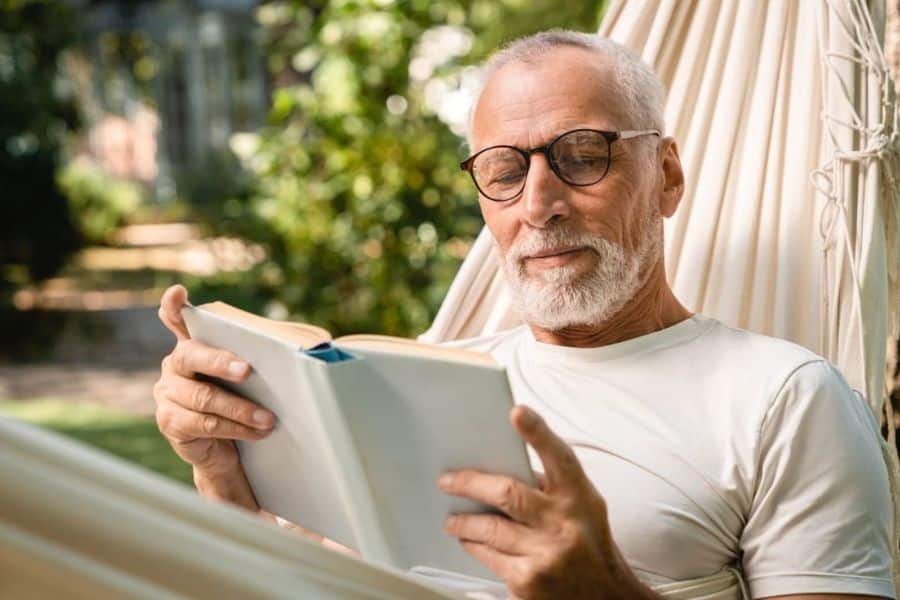
For most people, retirement means stepping back, taking it easier, fewer challenges, and less to figure out on a day-to-day basis. A quieter life all round. And while that sounds appealing, it may not be doing your brain any favors.
Centenarians tend to stay mentally active well into old age, not through brain training apps or puzzles, but through real, engaged learning. A new skill, craft, language, or really anything that requires effort and keeps the mind working in new ways.
We live in an age of passive consumption. Scrolling, streaming, absorbing. It’s entertaining, but it doesn’t stretch the brain as much as active learning does. Centenarians are, almost universally, makers and doers rather than passive consumers.
It could literally be anything, such as learning to play an instrument, taking up a new hobby, reading books that challenge you, or picking up a skill you’ve always put off. The point is to keep giving your brain something new to work on.
Secret #9: Your Lifestyle Controls More Than You Think

This is perhaps the most empowering finding to emerge from decades of centenarian research.
Around 80% of how long you live, and more importantly, how well you live, is determined by lifestyle. Only about 20% comes down to genetics. That means the habits covered in this article, purpose, movement, diet, stress, sleep, and community are the main things.
The genetic factor becomes more significant beyond the age of 100, which is why reaching that milestone involves some luck. But getting to your 80s and 90s in good health, free of chronic disease, mentally sharp, and physically active? That’s largely within your control.
Centenarians don’t escape illness because they won a genetic lottery. Most of them escape it because of how they’ve lived. That’s the goal. Not just more years. Better ones.
This article is for informational purposes only and is not intended as medical advice. Always consult a qualified healthcare professional before making changes to your diet, lifestyle, or health routine.