
I’m almost 55, and the last decade has not been kind to my waistband. I’ve gone up two dress sizes, and the worst part is, I haven’t changed what I’m doing. I’m not sitting at my desk all day, or eating junk food, and I’m getting plenty of exercise, but nothing is shifting. If anything, it’s getting worse.
So if you’re sitting there nodding along, thinking yes, that’s me too, I really hope you keep reading, because what I’ve come to realize is that the problem isn’t us. The problem is that we’re still using a rulebook that became obsolete for us about ten years ago.
The body at 55 is not the body at 35, and a lot of the habits we picked up in our twenties and thirties, the ones we were told were healthy, are now sadly working against us.

12 ‘So Called’ Healthy Habits Which Are Actually Aging You Faster After 50
I’ve spent the last few months looking into all of this, trying to figure out why my body has stopped cooperating. And what I found was actually quite reassuring, as it highlighted issues I hadn’t thought about and helped me see what I could do to help restore my sanity.
So here are 12 things you might be doing right now that were great in your thirties but are actively making you age faster, along with a helpful alternative ot help you get back in shape for summer.
1. Doing High Intensity Workouts Like You Used To
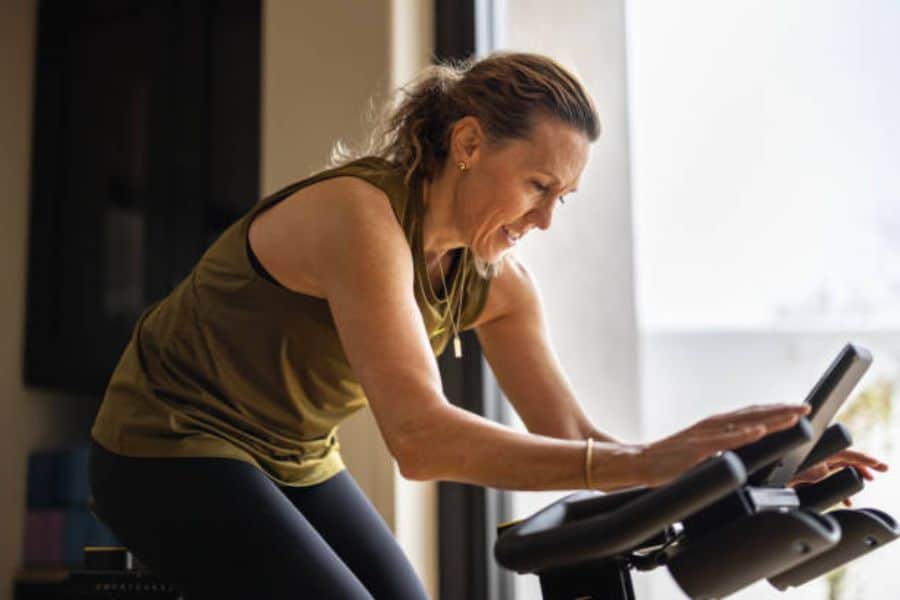
I used to love a good spin class, working up a sweat and aching afterward, knowing my bikini body would thank me. But that was in my thirties, that’s exactly what worked. Burn it out, push through, see the results in a couple of weeks.
After 50, this is one of the worst things you can do. Long, intense cardio sessions push up your cortisol, and chronically elevated cortisol parks fat right on your middle. Just where you don’t want it.
Why? Because your body has decided that all this stress means a famine is coming, and it’s holding on to every spare calorie for safekeeping. Swap it for strength training two or three times a week, and walking. Your body will respond to this far better than another bootcamp class.
2. Eating Low-Fat Everything

The whole low-fat thing was drilled into us in the 90s. The yogurts, the dressings, the low-fat cheese, the SnackWell biscuits, if you’re old enough to remember those.
A large Women’s Health Initiative study followed postmenopausal women and found that those who stuck to a low-fat diet were actually more likely to gain weight, not less. The problem is that when you strip the fat out of food, you usually replace it with sugar or refined carbs. And those refined carbs do nothing for blood sugar control, which is already going haywire after 50.
Eat the olive oil and the avocado. Have full-fat Greek yogurt with berries, because real fats keep you full, keep your hormones steady, and stop you reaching for the biscuit tin at four o’clock.
3. Skipping Breakfast or Fasting Until Lunchtime
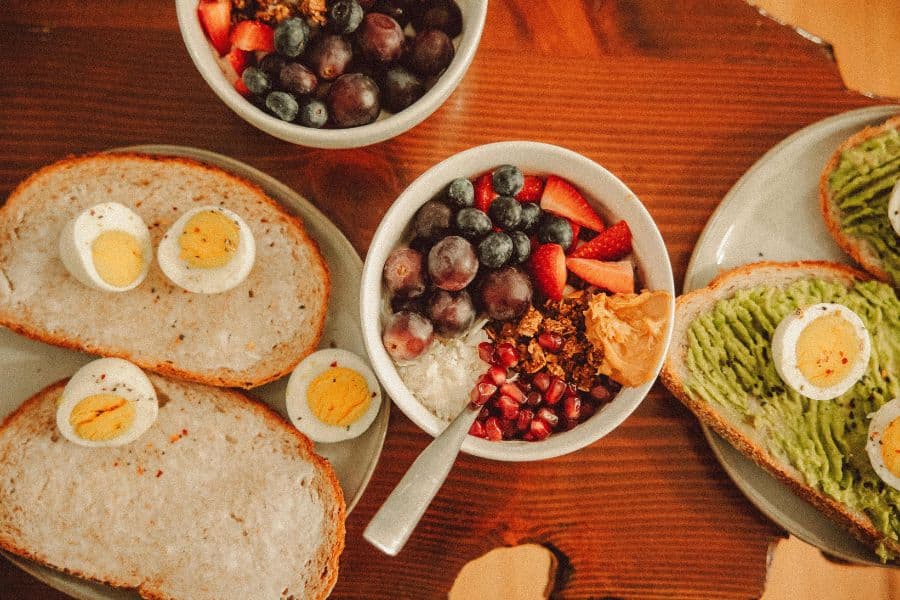
Intermittent fasting was the thing for a while, and I tried it. I remember doing the Lemon Detox Diet and losing loads of weight, and I managed to keep it off. But if I did it now, and I have tried different fasting diets more recently, it doesn’t work the same.
For women over 50, long fasting windows can be tricky. Your stress hormones are already on a hair trigger, your blood sugar is more sensitive, and going hours without food often pushes the body further into that hold-on-to-everything mode.
Some women do well with a gentle 12-hour overnight fast, but the 16 to 20-hour windows that influencers rave about are often counterproductive.
Try eating breakfast within an hour of waking, and make sure it includes protein. Eggs, Greek yogurt, or a bit of smoked salmon. Set the tone for the day rather than starting in a deficit.
4. Going for a Run

Running used to be my thing. I’d quite happily run 5-6K a day. Now my knees object to the very idea, and the scales don’t budge anyway.
High-impact cardio over and over is hard on aging joints and, again, it spikes cortisol. The body interprets daily running as a stress signal, especially if you’re not recovering well.
Mix it up. One or two slower runs a week if you love it, then walking, cycling, or swimming for the rest. Add some strength work. You don’t lose anything by being gentler, and your joints will thank you in another twenty years.
5. Counting Calories and Eating Less
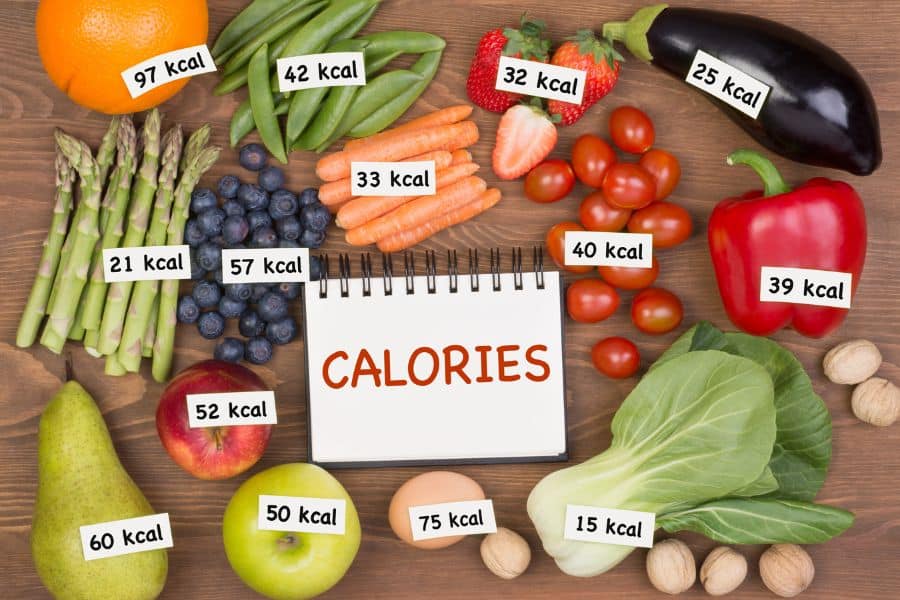
We eat less, and the scale doesn’t move. So we eat even less. And then we wonder why we’re tired, irritable, and somehow still gaining weight.
After 50, the body needs nutrients, not just fewer calories. Protein especially. Research suggests that older adults need about 1.2 grams of protein per kilo of body weight to maintain muscle mass, significantly more than the standard guideline.
Less muscle means slower metabolism, which means more weight. Round and round it goes.
Focus on filling your plate with protein and vegetables before anything else. Stop counting calories and start counting protein grams. Most of us are eating about half as much as we should.
6. Sleeping Whenever You Can Fit It In

In our thirties, we ran on coffee and adrenaline. We could pull a late night, get up at six, and feel mostly fine by lunchtime.
Sleep is not optional anymore. A study found that even short-term sleep restriction led to weight gain, particularly increased abdominal fat. That’s the visceral fat, the dangerous stuff that wraps around your organs. After 50, poor sleep raises cortisol, throws off hunger hormones, and makes you crave carbs the next day.
Treat sleep like medicine. Same bedtime every night, dark room, no screens for the last hour. Aim for seven to eight hours. It’s the #1 most important thing you can do for your weight, your skin, and your brain.
7. Doing Endless Cardio and Skipping the Weights
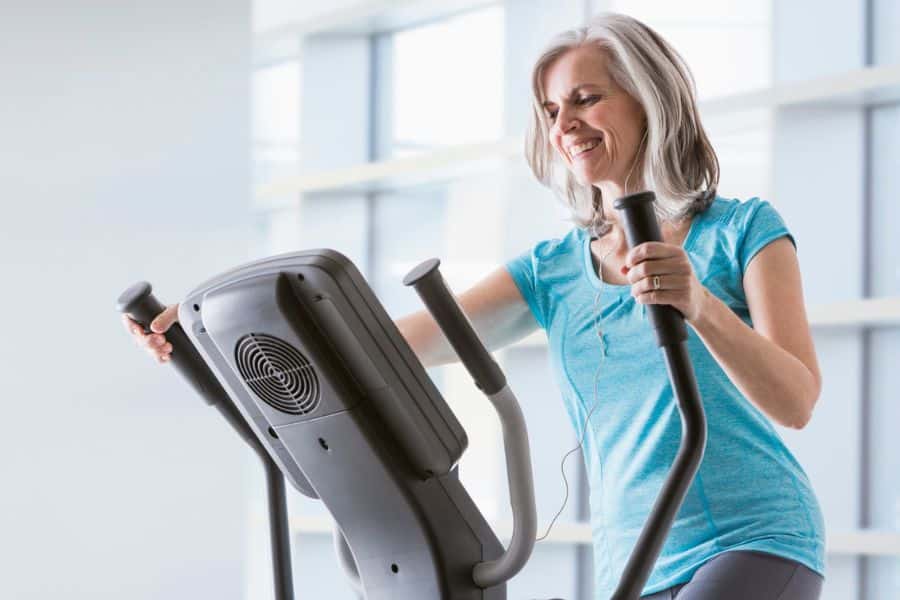
Now I live in rural France, I’m nowhere near a gym, so I set up my own home gym, but very rarely use it. The old weight sessions I used to do are a thing of the past, and the thought of getting on my rowing machine or lifting my weights doesn’t exactly excite me.
But this is a mistake because, from your forties onwards, you lose about 1% of your muscle mass every year, and that rate accelerates after 50. Cardio doesn’t stop that, but lifting does. Less muscle means a slower resting metabolism, which means weight creeps on no matter what you eat.
Pick up some weights. Start with two-pound dumbbells if you need to, do squats holding the kitchen counter, or try a strength class designed for women over 50. You don’t need to be in a gym to make it work; you just need to give your muscles something to push against, two or three times a week.
8. Eating Salads for Lunch Every Day

I don’t know about you, but every time I have a salad for lunch, I feel virtuous and give myself a pat on the back for being so healthy.
Trouble is, most of these salads are barely 300 calories, almost no protein, and you’re starving by 3 pm. So you eat half a packet of biscuits with your tea, and the calorie deficit you thought you had has gone backward. Plus, your blood sugar has been on a roller coaster.
Build a proper lunch. Protein first, around 30 grams. A real serving of chicken, fish, eggs, or beans. Then add some leaves, along with some healthy bread if you need to. That way, you’ll be full until dinner, and you won’t be raiding the kitchen at five.
9. Sitting Down for Most of the Day

This is the modern killer, and most of us don’t even realize we’re doing it. I’m guilty of this as I sit at my desk, or at my laptop in the garden, and three hours can easily go past without me moving.
My husband suggested I get a coffee machine for my home office, as it’s in the barn next to the house. I said no because it then makes me get up and go across to the house to make a coffee. That way, I’m actually moving and not sitting all the time.
A systematic review found that long uninterrupted sitting time is independently linked to higher blood pressure, worse cholesterol, and increased mortality risk in older adults, even in people who exercise. Exercising for 40 minutes does not undo the damage of sitting for 10 hours.
Set a timer. Every 30 to 60 minutes, get up. Walk to the kettle, do a lap of the garden, and stretch for two minutes. Your body will thank you for it and will help you stay supple and younger for longer.
10. Drinking a Glass of Wine Every Night to Unwind

I do love a glass of wine or two. Living in southwest France, it would be rude not to. But the daily glass while cooking and then another while eating what I’ve cooked is no longer helpful.
After 50, the body metabolizes alcohol much more slowly. It disrupts sleep even if you don’t notice, dehydrates the skin, interferes with how your body processes blood sugar, and contributes to belly fat over time. The post-menopausal years are when many of us start noticing the effects most.
You don’t have to give it up. I haven’t. But try a few alcohol-free nights in a row and see how you feel. Most people notice better sleep, better skin, and less of that puffy-faced feeling first thing in the morning.
11. Stretching Only When Something Hurts

I’ve noticed recently that I’ve lost all my flexibility. Now I’m not the biggest fan of yoga, but I went to a class not so long ago and realized that the women, all over 70, were way more flexible than I am. I hadn’t realized just how much less flexible I am now, and I can no longer bend over and touch my toes like I used to.
After 50, tight hips and shoulders cause back pain, poor posture, and that slightly stooped, older-than-your-years look. Posture is one of the things that ages us most visibly, and it’s almost entirely about flexibility and core strength.
Ten minutes of stretching a day, or two yoga classes a week, makes a noticeable difference within a month. Becky, my friend who teaches yoga in southwest France, says her over-50 students see the biggest changes of any group she works with. The body responds to attention at any age.
12. Cutting Out Carbs Completely
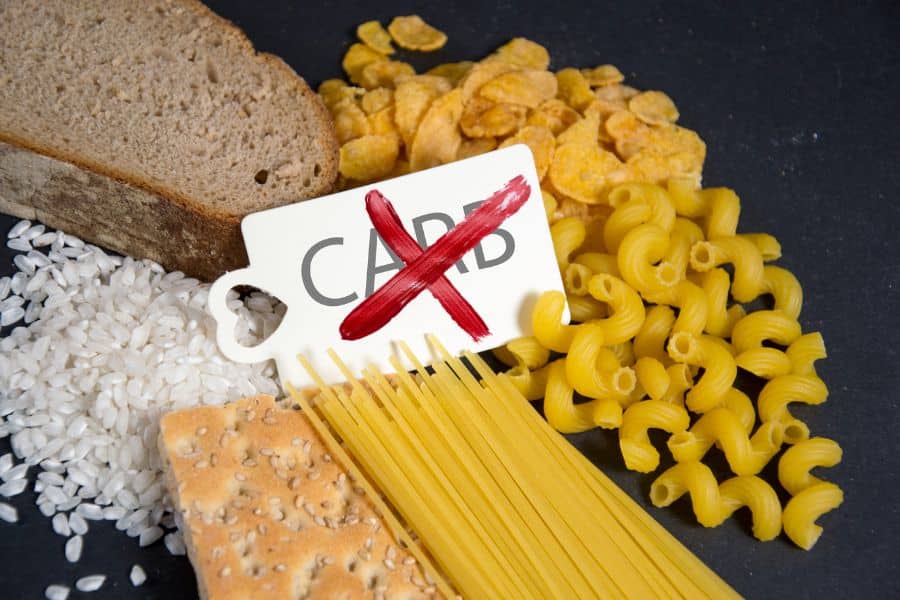
Low-carb was the answer for a while, wasn’t it? Cut the bread, ditch the pasta, no potatoes, definitely no rice. And it did work for a bit, especially in our forties.
After 50, going too low on carbs can backfire. Your thyroid needs some carbs to function properly, your sleep suffers without them, and your cortisol goes up again because your body reads severe restriction as a threat.
A lot of women find they sleep terribly on very low-carb plans, which then knocks out everything else. Hungry, tired, and snappy is not a sustainable place to live.
Keep the carbs, just pick the better ones. Oats, sweet potatoes, a bit of sourdough, beans, lentils, brown rice. Eat them with protein and fat so the blood sugar stays steady. Have your potatoes with dinner. Your sleep will improve, your energy will improve, and you’ll stop dreaming about toast at three in the morning.
Disclaimer: This article is for general information only and is not medical advice. If you have specific health concerns or are starting a new exercise or dietary plan, please speak with your doctor or a qualified healthcare professional.