
Living in rural France, I’m used to food seasonality. When I first moved from the UK, where everything was available all year round, it was hard at first. However, once I’d had time to adjust, I realized how many nutritional benefits of seasonal foods there are, and now I have fully embraced eating with the seasons.
Not only does the food taste fresher and have more flavor, but it also helps the environment. A review by Cambridge University shows that a seasonal diet reduces environmental impacts compared to a global diet.
If you’re still not convinced, these 12 advantages of using seasonal food in your weekly meal plans will change how you shop.
Higher Nutrient Content
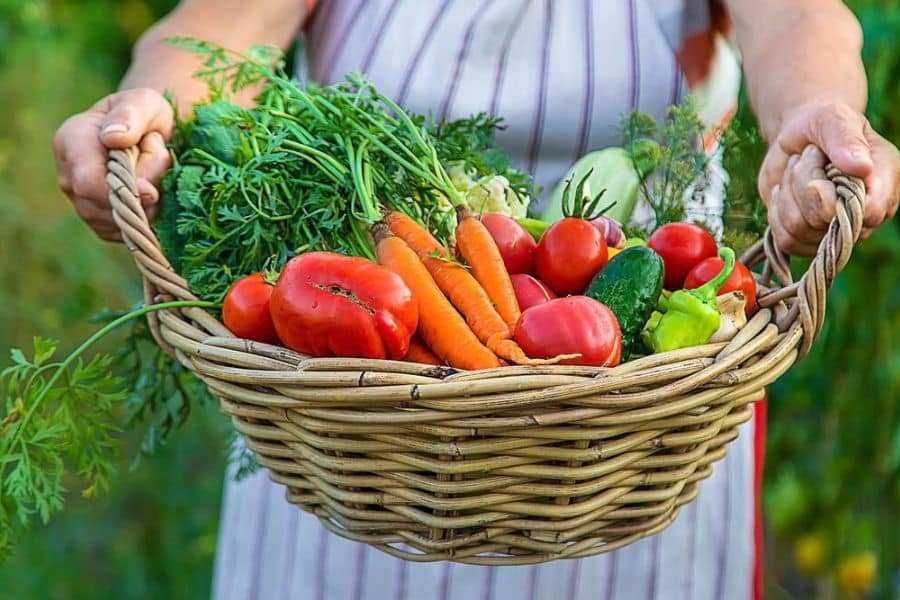
When fruits and vegetables are harvested after being allowed to ripen naturally, they offer significantly higher nutrient content compared to those harvested out of season. This is because fruits and vegetables grown and picked during their natural growing seasons undergo less stress and are allowed to ripen fully on the vine.
For example, tomatoes grown in the summer contain higher levels of beneficial antioxidants, such as lycopene, than those grown in the off-season under less ideal conditions.
Better Flavor
I grow my own tomatoes, radishes, cucumbers, raspberries, and strawberries, and they taste entirely different from those I buy in the shop. The radishes have a fiery pepper flavor you can’t get from the shop-bought variety, and the strawberries are sweet.
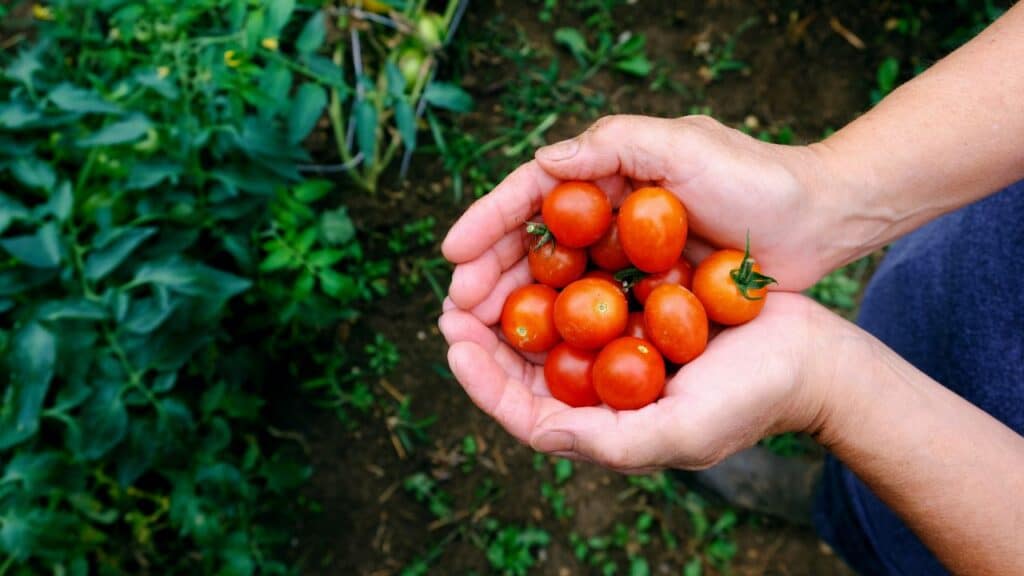
When crops are allowed to ripen in their natural environment and harvested at the right time, they accumulate more natural sugars, essential oils, and other flavor compounds. You can easily taste the difference.
Increased Freshness
Eating fruits and vegetables close to their harvest time retains more natural moisture, crispness, and quality. For instance, spinach harvested during its peak season in spring is tender and vibrant in color, with a crisp texture that is lost when stored for extended periods.
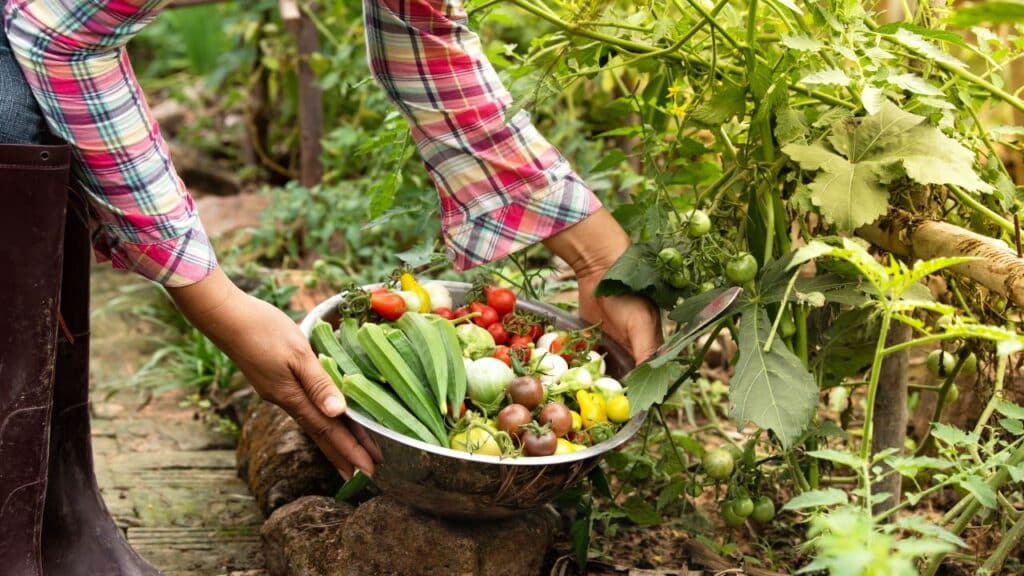
This freshness is crucial because the nutritional decline in produce begins almost immediately after harvesting. Vitamins such as C and B are sensitive to time, light, and heat exposure.
Support for the Local Economy
Farmers don’t have it easy, and one of the best things we can do to help them is to support them by eating seasonally. In France, food is only available seasonally. So we know we can only get asparagus during March and April; it won’t be available at any other time.
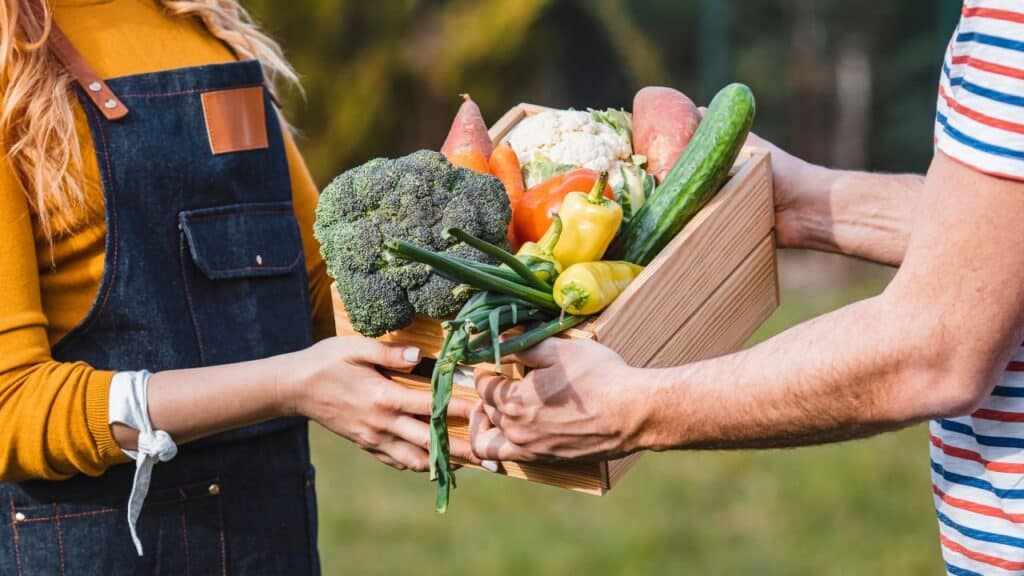
You can, however, visit the specialist markets that have produce available all year round, although it is often imported from other countries. Doing this doesn’t support the local economy.
Environmental Sustainability
Transporting food over long distances requires significant energy, typically derived from fossil fuels, which contributes to carbon emissions. Eating seasonally makes you more likely to consume locally grown foods, which typically travel shorter distances to market.
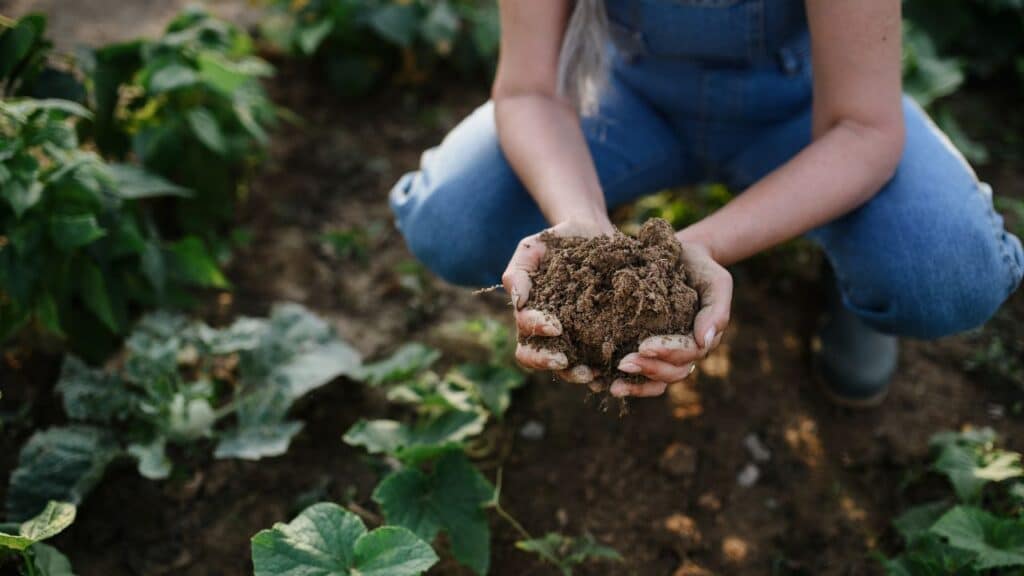
This reduction in transportation needs decreases the carbon footprint associated with food logistics, and research from the University of Maryland Medical System supports this.
Reduced Chemical Usage
Being closer to harvest, seasonal produce requires fewer preservatives for shelf stability, unlike food that travels long distances, which often relies on such chemicals to maintain freshness. For example, locally harvested apples don’t require the same preservatives needed for apples that are stored and shipped over time.
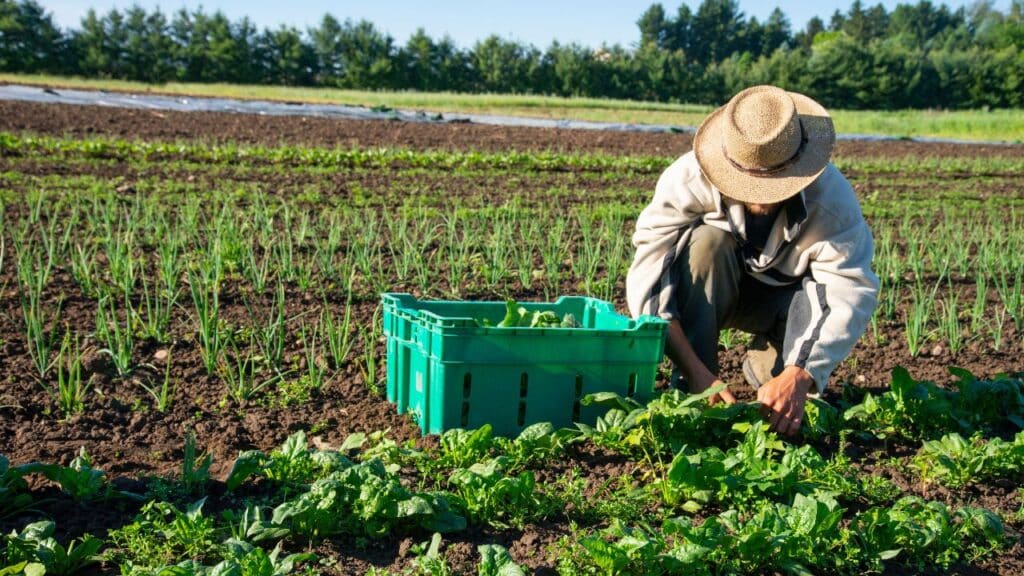
Similarly, crops grown in their natural season are generally healthier and thus need fewer pesticides. Healthier plants naturally resist pests and diseases better than those grown out of season, lessening the dependency on harmful pesticides.
Cost-Effectiveness
Seasonal produce is abundant, which drives down prices due to increased supply and demand. It’s the laws of supply and demand. Purchasing potatoes during their peak season, typically autumn and early winter, is much cheaper than at other times when they may need to be stored or imported.

Seasonal buying also aligns with crop rotations that optimize the use of land and resources, potentially reducing the overall cost of food production.
Enhanced Variety in Diet
One of the things I love about seasonality is having a more varied diet. When something isn’t always available, you look forward to it more. Knowing I can only have cherries for a couple of months of the year means I’ll substitute with other fruit when I can’t have them.
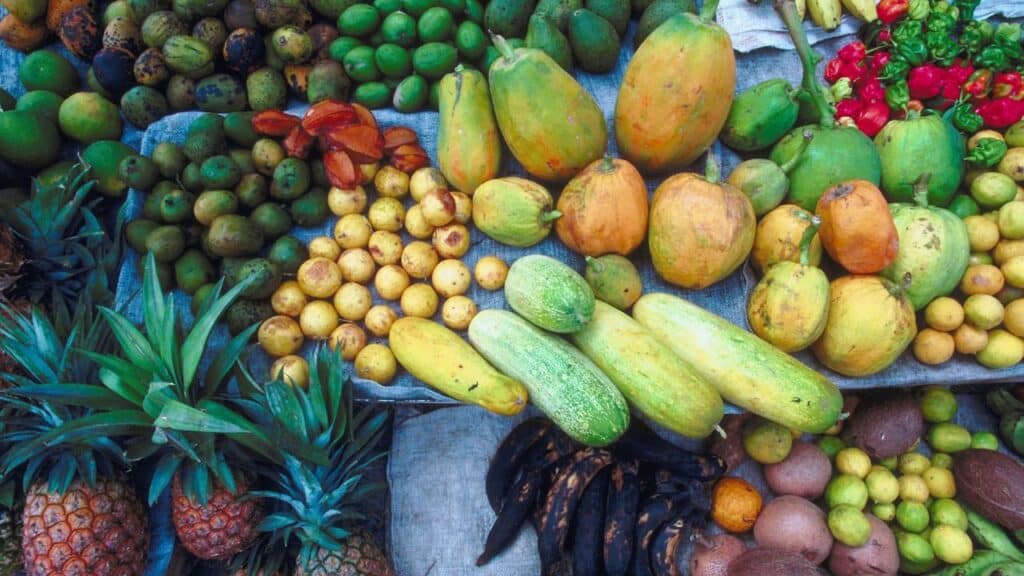
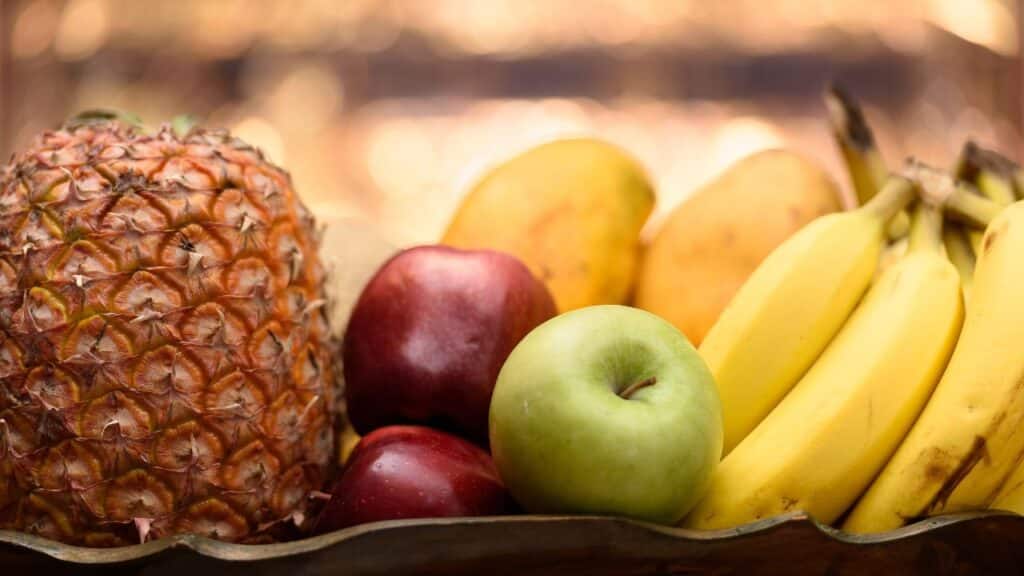
For example, you might eat strawberries and asparagus in the spring, tomatoes and peaches in the summer, apples and pumpkins in the autumn, and kale and citrus fruits in the winter.
Increased Antioxidant Content
Antioxidants like vitamin C, flavonoids, and carotenoids are more abundant in fruits and vegetables that ripen naturally on the plant and are consumed soon after harvesting. For instance, blueberries harvested at their peak season in summer contain higher levels of antioxidants than those picked before they are fully ripe.
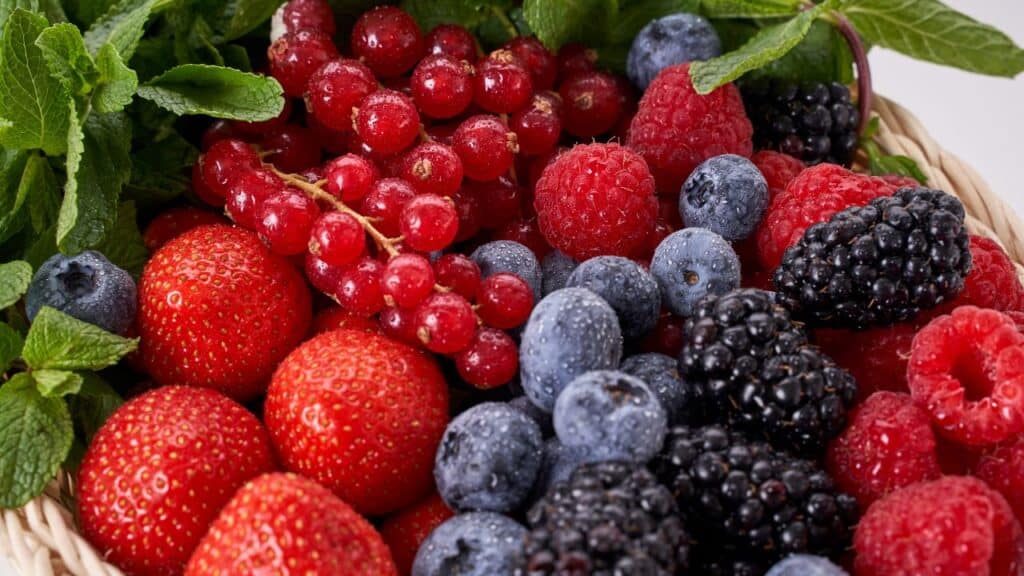
Seasonal conditions, such as the optimal amount of sunlight, temperature, and rainfall, contribute to the growth and development of these beneficial compounds.
Adaptation to Body Needs
Eating seasonally aligns with the body’s changing nutritional needs throughout the year, allowing it to adapt naturally to the requirements of different climates and conditions. For example, during the cold winter months, the body craves calorie-dense, warming foods like root vegetables and squashes that provide a high energy content and help maintain body heat.
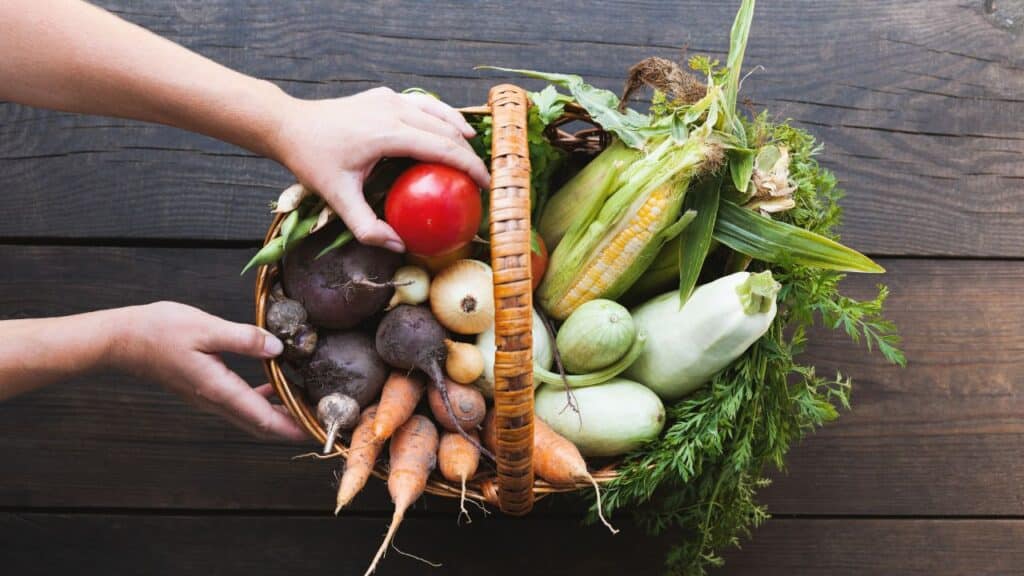
In contrast, summer fruits like watermelons and peaches are high in water content, which helps hydrate the body during hot weather and provides a lighter fare compared to the rich, dense foods of winter.
Encourages Healthy Eating Patterns
Since moving to France and eating what’s in season, I have become more engaged with local food markets and farmers, gaining valuable insights into where and how their food is grown. This awareness has increased my appreciation for food quality over convenience, steering me towards fresher, less processed options.
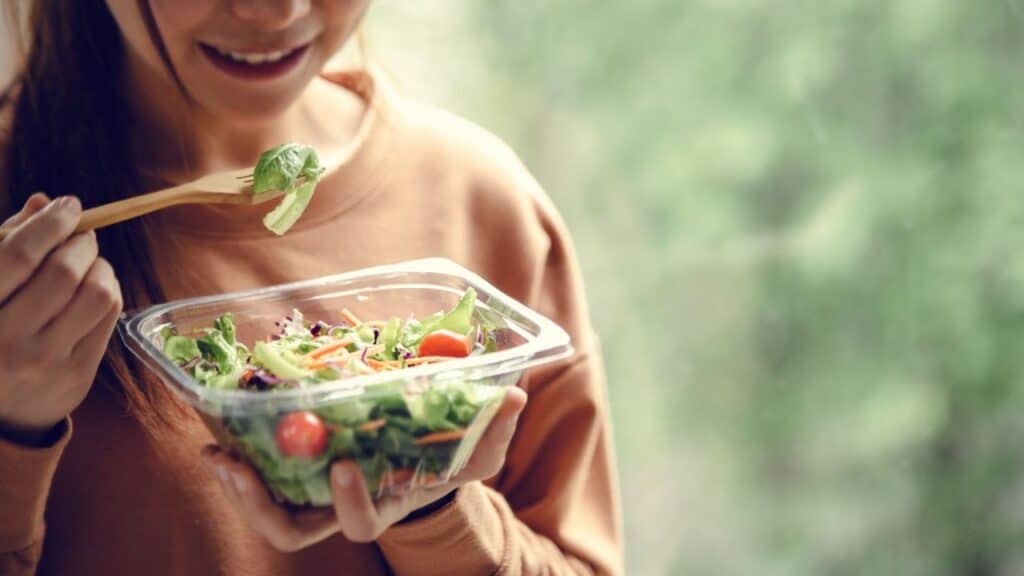
I love the cyclic nature of seasonal eating, as it prevents dietary ruts and nutritional complacency by offering a varied diet.
Creativity in the Kitchen
Cooking fresh is a big part of rural life; half the fun is finding recipes that use seasonal vegetables. It encourages you to try new dishes and look forward to the old favorites when the time comes.

Due to the seasonality of fruit and vegetables in France, I’ve discovered some fantastic recipes. I now make my own Indian pastes using herbs and chilies from the garden and pairing ingredients I’d never have thought of before.