
Before we get into this, I want to say one thing. It doesn’t matter what you do. Truly. If you kill three plants in a row, drown a tomato, and accidentally rip up a perennial because you thought it was a weed, it’s all part of the gardening journey.
I’ve only been gardening for five years. It’s something I never thought I’d enjoy. After a long day in front of a screen writing for a living, I have come to love an hour outside with my hands in the soil. Weeding, of all things, has turned out to be the most therapeutic part of my week. I even enjoy mowing the lawn now, though I won’t pretend the cider afterward isn’t part of the appeal.
So if you’re standing in your garden wondering whether you’re going to kill everything in sight, take a breath. You probably will kill some things. So did I. Here are the nine mistakes I made (and watched friends make) along the way, with what I’d tell myself as a new gardener if I had the chance.

1. Watering Everything Within an Inch of Its Life

This was my biggest sin in my first year. I assumed every plant needed a daily soak, ideally a generous one. Turns out, more plants are killed by overwatering than by neglect.
Roots need air as well as water. Soggy soil suffocates them, and once the roots rot, the plant is gone. The yellowing leaves you panic about and pour more water on? Often, a sign the plant has had too much, not too little.
Before you water, stick your finger about an inch into the soil. If it’s still damp, leave it alone. Different plants want different things. Lavender, rosemary, and most herbs prefer dry feet. Hydrangeas, ferns, and tomatoes are thirstier. Read the plant label or look it up before you turn the hose on.
2. Starting Too Big
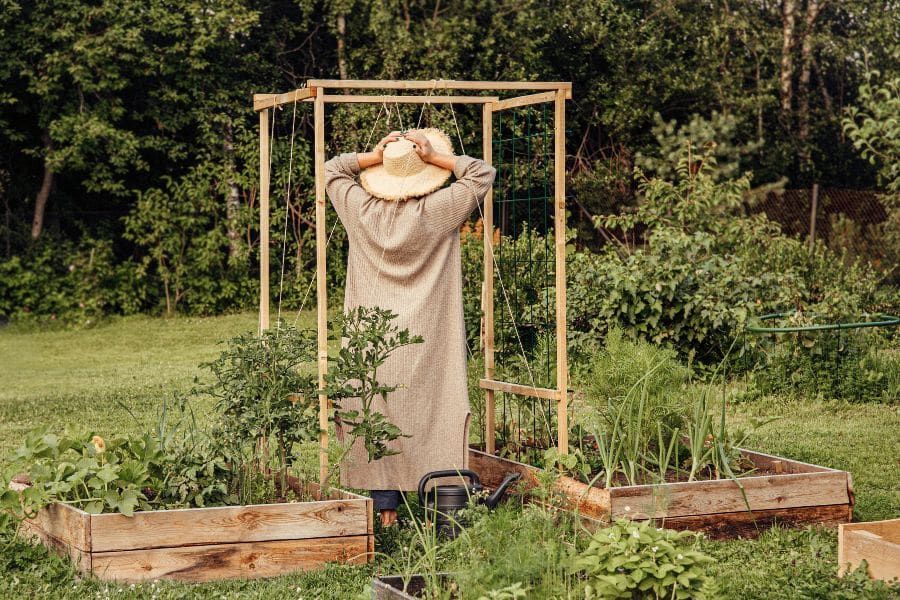
I planted what felt like an entire market garden in my first season. Vegetables I’d never eaten, flowers I couldn’t pronounce, and a small army of seedlings that needed daily attention. Within six weeks, I was overwhelmed, things started dying, and I lost all my momentum. I gave up for a couple of years.
When I came back to it, I started with two tomato plants and a few easy rockery plants. I was actually able to look after them, and that small win is what got me hooked again.
If you’re new, start small. Pick five plants and learn their needs properly. You can always expand next year, but you can’t get back the joy you’ll lose if you burn out in your first season.
3. Not Deadheading the Plants That Want a Second Bloom

I have a soft spot for Lily the Pinks (also known as dianthus, garden pinks, or sweet williams). They’re the most gorgeous shade of pink, and they smell wonderful.
What I didn’t realize at first is that the more you deadhead them, the more they reward you. Cut off the spent flowers, and within a couple of weeks, they push out a fresh flush of blooms. You can get multiple rounds out of them in a single season if you keep up with it.
The same goes for cosmos, dahlias, marigolds, geraniums, petunias, and roses. If a plant looks like it’s done flowering, before you give up on it, look it up. There’s a good chance a quick snip will bring it back to life.
The trick is to cut just above the next set of healthy leaves or the next bud, not just the flower head itself.
4. Putting the Right Plant in the Wrong Spot

Every plant label has a little sun symbol on it for a reason. Full sun means at least six hours of direct sunlight. Partial shade means a few hours of morning sun and afternoon shade. Full shade means dappled light at most.
Get this wrong, and the plant will sulk, refuse to flower, and eventually die.
Spend a few days watching your garden before you plant anything new. Note where the sun hits in the morning, at midday, and in the late afternoon. Your future self will thank you.
5. Ignoring Your Soil

Soil is the single most important part of your garden. Sandy soil drains fast and dries out quickly. Clay soil holds water but compacts and can suffocate roots. Loamy soil is the dream, dark and crumbly and full of life. Most of us have something in between.
You don’t need to test your soil pH with a kit on day one, but you should know what you’re working with. Pick up a handful and squeeze it. Does it crumble apart? Does it form a sticky ball? That tells you a lot.
The fix for almost any soil problem is the same. Add compost. A good layer of compost on top of your beds every spring works wonders, no matter what you started with.
6. Planting Too Close Together

Those tiny little seedlings look so far apart when you put them in. Six weeks later, they’re a tangled mess fighting each other for light, water, and nutrients.
Read the spacing instructions on the label or seed packet and stick to them. A tomato plant that says “space 60cm apart” really does mean it. Cramming three of them into the same space won’t give you three times the tomatoes; it’ll give you three weak plants and possibly no tomatoes at all.
7. Planting at the Wrong Time

There’s an annual ritual where, on the first warm day of spring, half the country rushes out to plant tomatoes. They get a frost two weeks later, and the tomatoes are toast.
Find out the average last frost date for your area and write it on the calendar. Most tender plants, such as tomatoes, peppers, zucchini, and basil, should not be taken outside until at least two weeks after that date.
Cool-weather plants like lettuce, spinach, peas, and broad beans are happy in the cold and can go in much earlier.
If you’re not sure, ask at your local garden center or check the planting calendar for your region. The internet is full of these, and they’re usually free.
8. Treating Every Bug Like the Enemy

A healthy garden has bugs. Bees, ladybugs, hoverflies, lacewings, and even most beetles are on your team. Encourage them by planting flowers alongside your vegetables and leaving a few weeds in the corners. Marigolds, calendula, nasturtiums, and lavender all attract pollinators and natural pest controllers.
Slugs are a different story. For those, beer traps, copper tape around your pots, or just a torch and a bucket on a damp evening are your friends.
9. Giving Up on Slow Growers

Some plants take their sweet time. Carrots can take as long as three weeks to germinate. Asparagus takes two or three years to reach maturity and yield a proper harvest. Roses often look like sticks for the first month after pruning, and you’ll swear you’ve killed them.
Patience really is the gardener’s most underrated tool.
If something looks dead but isn’t actually dry and crispy, give it time. Scratch the bark gently with your fingernail. If you see green underneath, it’s still alive. Water it, leave it alone, and let nature do its thing.
My Biggest Gardening Tip
Don’t be afraid to make mistakes. Or, in my case, be afraid to ask the old French lady down the road who’s been gardening since the dawn of time, who is delighted to help you and rattle instructions in rapid French.
Pour yourself a cider when you’re done. You’ve earned it.