
My Grandad had an allotment, where he spent most of his spare time, which I think my Grandma secretly loved. It gave her time to herself, as well as fabulous fruit and veg to cook with. I can still see the rows of pole beans climbing up their wigwam of bamboo canes while Grandad leaned on his fork, admiring his handiwork.
Granddad built the wigwam every spring with the same canes, tied at the top with whatever twine he had to hand, and by August the whole thing was a green tent you could hide inside. I used to crawl in there and eat the beans raw, which tasted insanely good.
Clearly, I’m on a nostalgic trip down allotment memory lane, but stay with me for a hot second. I don’t know if it’s just me, but fruit and veg just don’t taste the same anymore. That’s why I’m so keen on growing my own. But, I’ll be honest, after much trial and tribulation, some just aren’t worth the stress and hassle.
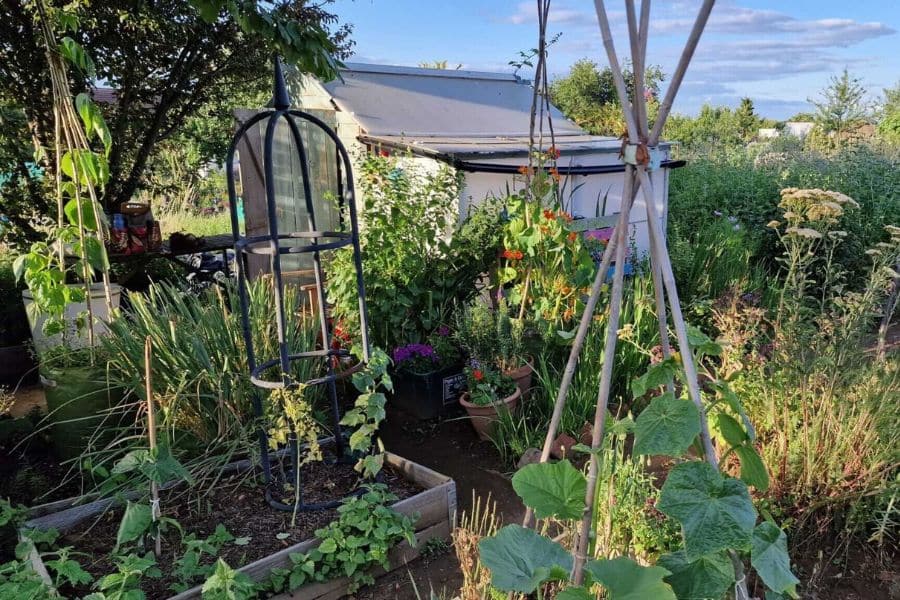
Pole Beans Up a Wigwam (Still Worth It, Always)
I love the look of pole beans as well as the taste, and I love how they remind me of Grandad, too, so a wee bit of nostalgia with this one. But it’s more than that. They’re forgiving, they crop for weeks, and they are great for the time-poor gardener because they actually do better when you ignore them a bit.
Once they’re up the canes and flowering, they want water and not much else. The trick is to pick them young and often, which keeps the plants producing.
Supermarket green beans are ok if you don’t have a garden, but a bean picked twenty minutes before it goes in the pan is a different vegetable entirely. Sweet, snappy, almost grassy. If you only grow one thing on this list, grow these.
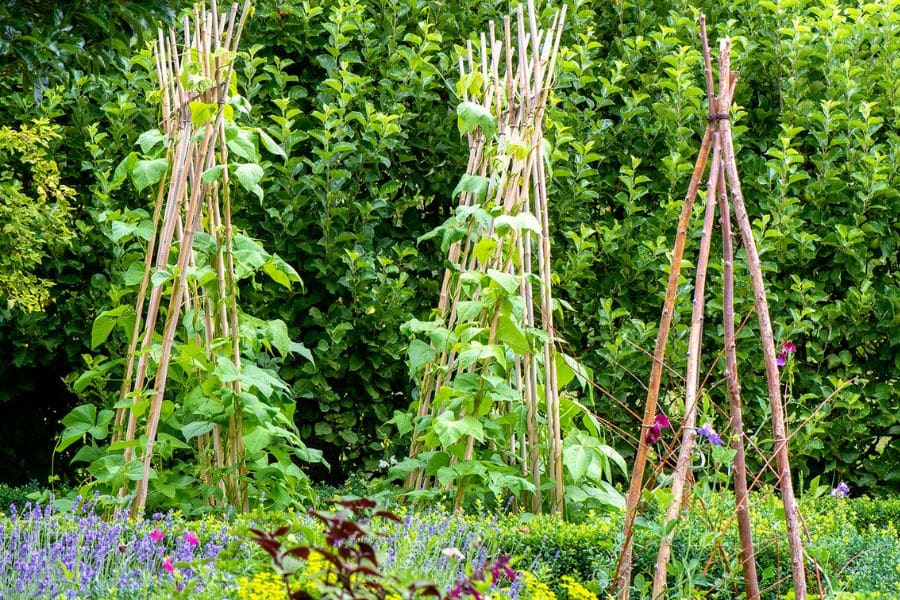
Lettuce (Don’t Bother, Or Do It Smarter)
Grandad had green fingers and spent hours on his allotment weeding, pruning, and generally fiddle fadling around, keeping everything healthy. If you’re retired and have plenty of time to spend in the garden, then go for it. If not, steer well clear.
Here’s a scenario for you. You plant a neat row of lettuces in May, you get a few weeks of nice leaves in June, and then the minute the temperature hits the mid-80s, the whole row shoots up into tall, bitter spires with tiny yellow flowers on top. Bolted, gone, inedible.
I tried for three summers to grow proper round head lettuce and gave up. A whole head of iceberg costs about two dollars at the store and lasts a week in the fridge. The math doesn’t work, especially when you factor in the slugs, who treat a lettuce row like a buffet they’ve been waiting all year for.
What does work, and what I now do instead, is cut-and-come-again leaves in a shallow container by the kitchen door. A mix of arugula, mizuna, and a loose-leaf lettuce, sown thickly, snipped with scissors when they’re a few inches tall, and resown every few weeks.
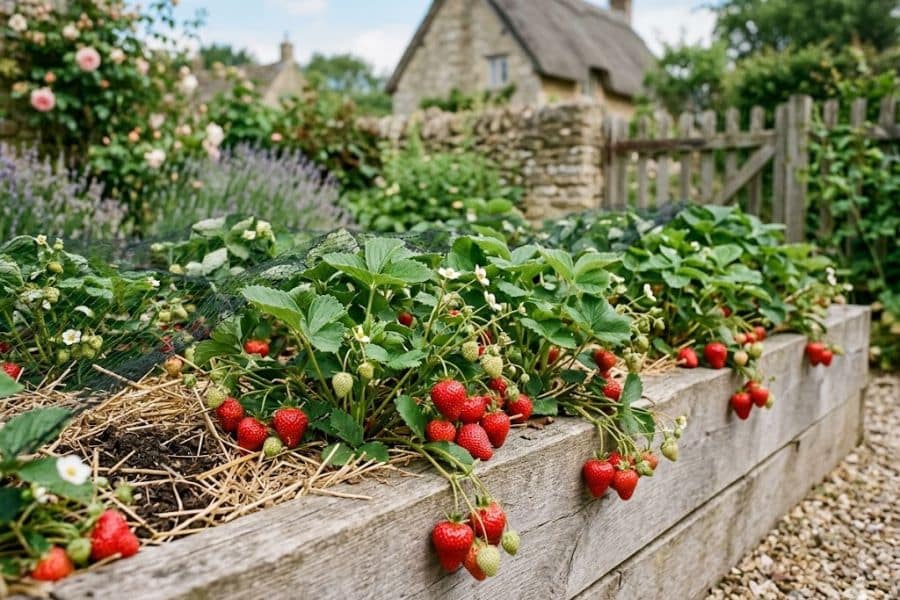
Strawberries (Worth It For One Reason)
I don’t think anything from a store has ever tasted as good as a strawberry picked and eaten straight away. I don’t know if you’ve ever wondered this, but when you go strawberry picking, you think nothing of eating it straight off the plant without washing it. However, at any other time, you wash the strawberries before eating them. Go figure.
They were small, irregular, a bit lopsided, and they tasted like strawberry concentrate. The supermarket version is a different fruit. Big, red, firm, and somehow watery and bland at the same time.
Growing your own is not without its problems. The birds will get them if you don’t net them, the slugs will get them if the birds don’t, and the plants throw out runners in every direction, so by year three, you’ve got strawberries coming up in the gravel path, in the bean bed, and possibly in next door’s yard.
The honest answer on strawberries is this: they’re worth growing if you’ll eat them straight off the plant daily, but if you want strawberries for putting in a bowl with cream on a Sunday, just buy them or go strawberry picking in someone else’s field. You’ll get a bigger yield from one trip than from a whole summer of fighting birds.
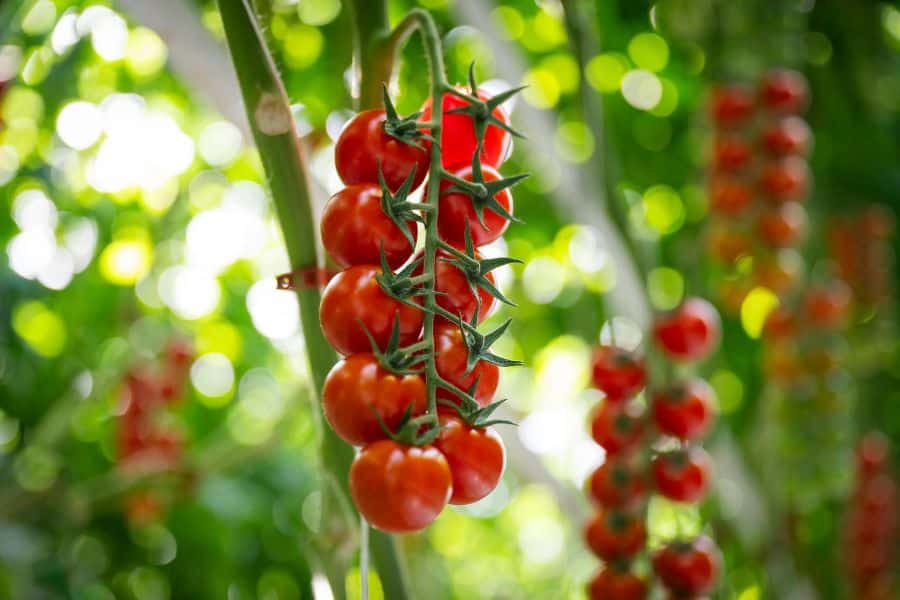
Tomatoes (Worth It, But Pick the Right Kind)
Grandad had rows and rows of tomatoes of all different sizes and varieties. He grew them in a row against the south-facing wall of the shed, staked with bamboo canes.
I’ve killed more tomato plants than I care to admit. The first year I tried, I grew them in a pot that was too small, didn’t water them properly, and got about four tomatoes from three plants. The next year I overcompensated, watered them every day, and got blight in August so the whole lot turned black overnight.
The year after that I worked it out, more or less, and now I get a decent crop most summers.
The trick is picking the right kind for the bother involved. Big beefsteak tomatoes are a faff and often don’t ripen properly outside in a normal summer.
Cherry tomatoes, on the other hand, will produce buckets of fruit from a single plant in a pot by the back door, ripen reliably, and taste a hundred times better than the ones in the plastic punnet at the store.
Sungold is my favorite. They’re orange, sweet, almost tropical, and the plant just keeps going until the first frost. If you only have room for one tomato plant, make it a cherry.
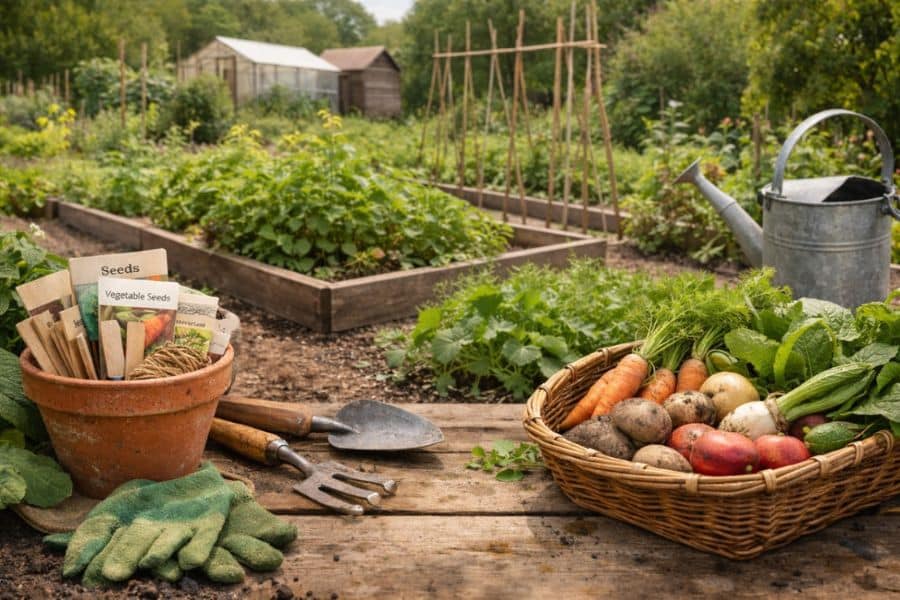
Carrots, Onions, and Potatoes (Honestly, Just Buy Them)
Grandad grew everything he had room for, and he had two allotments as he bought one of his neighbors’ so he had more room. One of the reasons he needed the extra room was for his carrots. They took up a whole bed for months and required thinning, weeding, and protection from carrot fly.
Onions are the same story. They sit in the ground for nearly the entire growing season, take up space you could be using for something more interesting, and at the end of it you have an onion. Which costs about fifty cents at the store.
The same applies to potatoes, although I’ll grant that new potatoes dug up in June and eaten with butter taste absolutely amazing. If you’ve got the space and you fancy it, a single bag of seed potatoes in a big tub by the back door is a low-effort experiment. If you don’t, you’re not missing much.
What I’ve learned, after years of trying to be a proper vegetable grower like Granddad, is that the patch only really makes sense if you focus on the things that taste dramatically better fresh, are expensive to buy, or just bring you joy to look at.
Pole beans up a wigwam, cherry tomatoes, chili plants, celery, and a patch of strawberries. That’s most of what I grow now. The rest I leave to the people who do it properly, and I buy a bag of carrots on the way home.