
I know those photos of people standing seemingly alone in the middle of a famous national park, arms out as if they’re on the top of the world, look amazing. But do you know what they have to do to get those stunning pics? The queues they have to sit in and crowds they have to battle? They’re insane, and you’re often stuck in the car park for hours just trying to get out.
I get it. Many of these famous parks, such as Joshua Tree and Yellowstone, are iconic, and who doesn’t want to tick those off their bucket list? But honestly, you can get the same sort of picture in a park just as beautiful, but without the hordes of tourists.
You really can experience what it’s like to have a park almost to yourself, as if you’re the only one to have discovered it. And it’s just as magical. After all, what’s in a name? These seven stunning national parks are the perfect alternative if you want an experience not wall-to-wall people.

7 National Parks to Avoid and the Stunning Alternatives to Visit Instead
These seven parks still have incredible scenery, and are on many people’s dream travel bucket list, but the sheer number of people trying to see the same viewpoints at the same time can turn a dream trip into a crowded shuffle.
The good news is that you don’t have to settle for that. Each of these alternatives offers wide open space, calmer trails, and views that feel just as impressive. You get the beauty without the stress, and the experience feels far more like the national park escape you actually want.
Plus, most of them are kinder on the wallet.
Yosemite National Park

Yosemite’s name alone pulls in millions of visitors every year, which is why the valley is more like a bottleneck than a national park. Most people crowd into a tiny section of it, and the traffic can back up so badly that you end up inching along for hours. Parking is another headache, with lots filling early and long lines forming at the shuttle stops.
The park has introduced timed entry during popular periods, but even that doesn’t guarantee a smooth day. Once you’re inside, the big-name sights such as El Capitan and Yosemite Falls draw so many people that you spend more time navigating crowds than taking in the views. It is still beautiful, but the pressure on the valley floor makes it hard to enjoy the experience everyone hopes for.
Alternative: Sequoia & Kings Canyon National Parks
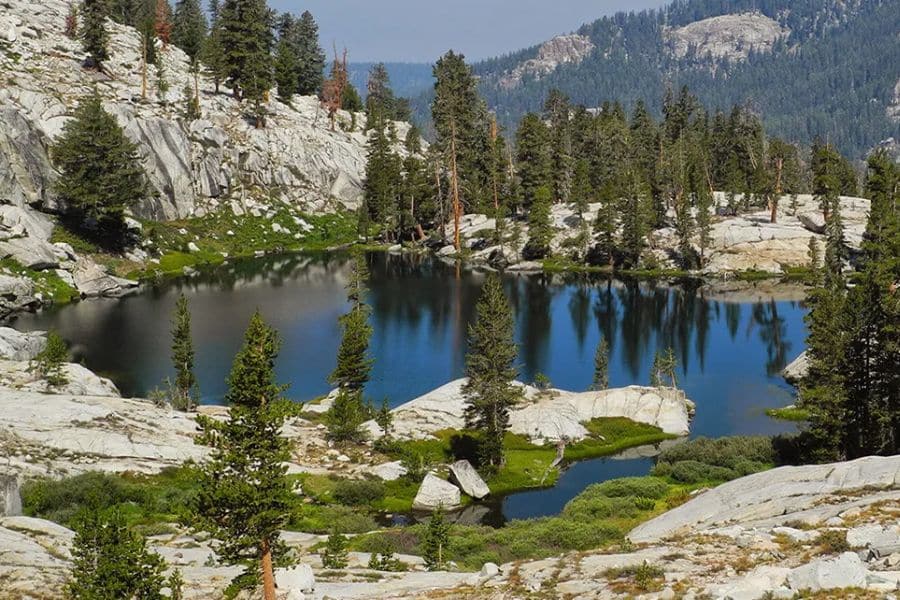
Head a little farther south, and you get the same Sierra Nevada drama without the shoulder-to-shoulder crowds at Sequoia & Kings Canyon. These two parks are managed together and offer sweeping granite cliffs, deep river valleys, and alpine views that are every bit as impressive as Yosemite’s, but far quieter. The biggest difference is space. Visitor numbers are far lower, so you don’t feel hemmed in at every turnout or trailhead.
There is also something special about standing among the giant sequoias. The groves create a sense of stillness you won’t find on Yosemite’s busiest paths. You get the mountain scenery and the forest atmosphere in one go, and planning a visit is far easier because there are no strict entry systems to worry about in most seasons.
What You Can Do There
- Wander through peaceful sequoia groves on short, easy trails that stay quiet even in summer.
- Climb the steep steps of Moro Rock for a clear, wide view across the Great Western Divide.
Explore Kings Canyon’s scenic drive to Roads End, where the crowds thin out and the river feels untouched. - Spend time on alpine trails that offer big views without the foot traffic.
- Enjoy a trip that feels relaxed rather than rushed because you aren’t competing for space.
Joshua Tree National Park

Joshua Tree has become one of California’s most popular desert escapes, which is exactly why it feels overcrowded for much of the year. Visitor numbers continue to climb, and the narrow roads were never designed for this kind of traffic. You often end up crawling between trailheads and circling packed parking lots, especially around popular spots like Hidden Valley and Barker Dam.
The park’s fame on social media has also created a steady stream of people hunting for the same photo backdrops. Add in limited facilities and long stretches of slow-moving cars, and the desert calm most people hope for is hard to find.
Alternative: Mojave National Preserve
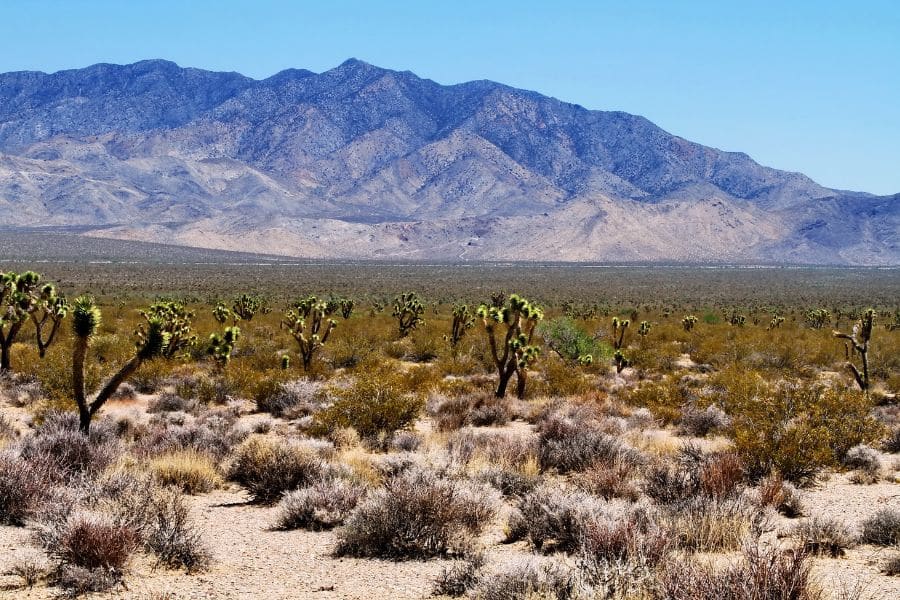
Just up the road, Mojave National Preserve gives you the same rugged desert scenery without the constant crowd pressure. The landscapes are raw and expansive, and you can wander among Joshua trees, lava fields, sand dunes, and volcanic craters with hardly anyone around. It is far larger than Joshua Tree, yet receives only a fraction of the visitors, which means you get actual quiet and plenty of room to explore.
The preserve also features a diverse range of terrain that often surprises visitors. One minute you’re walking through one of the densest Joshua tree forests in the region, and the next you’re standing at the base of massive dunes. Planning is simple because you don’t have to navigate heavy traffic or time your visit around peak congestion. It captures the same magic people look for in Joshua Tree, only with space to breathe.
What You Can Do There
- Walk through the Cima Dome area, home to one of the largest Joshua tree forests in the world.
Hike the Kelso Dunes for a sweeping desert panorama and a true sense of solitude. - Explore lava tubes formed by old volcanic activity, often with no one else around.
- Drive quiet scenic roads where you can pull over and enjoy the view without crowds.
- Visit the historic Kelso Depot for a look at the region’s rail and desert history.
Yellowstone National Park

Yellowstone receives millions of visitors every year, and the pressure on its roads and boardwalks shows. The popular geothermal areas feel more like busy walkways than natural wonders, with long lines forming at Old Faithful and limited space around the most famous geysers. Traffic regularly slows to a crawl, especially when wildlife appears near the road, which can bring the entire loop drive to a standstill.
Parking is another recurring issue. Many lots fill early, and once they do, you can spend a good part of the day circling in hopes of grabbing a spot. Instead of quiet moments around bubbling springs or wide open viewpoints, you often find yourself navigating groups of visitors on narrow boardwalks and waiting for your turn at the railing. It makes a day in Yellowstone far more hectic than most people expect.
Alternative: Grand Teton National Park
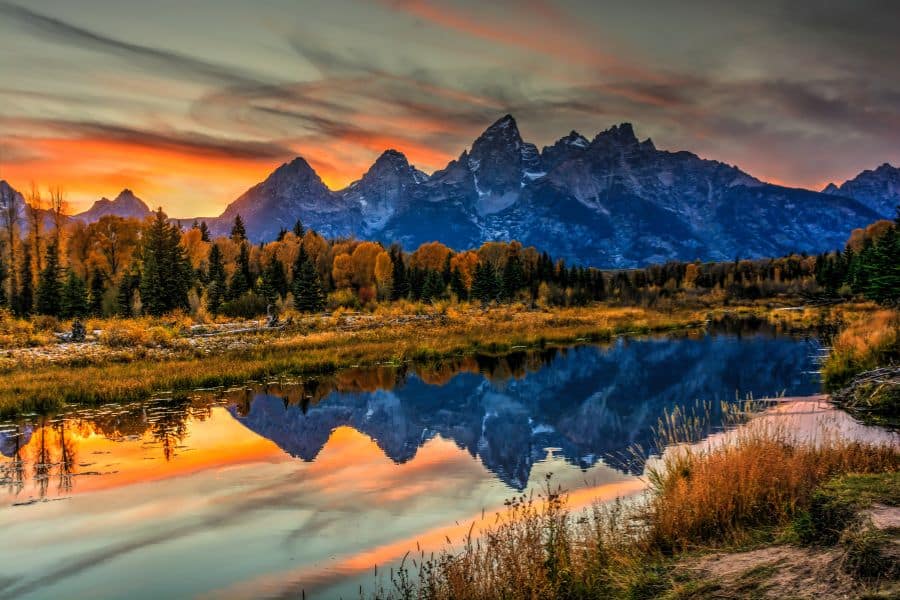
Grand Teton sits just south of Yellowstone and offers some of the most striking mountain scenery in the region, yet it stays noticeably calmer. The views are immediate and dramatic, with the Teton Range rising straight from the valley floor, and you can enjoy them without constant stops or congested pullouts. Visitor numbers are lower, and the layout of the park makes it easier to reach scenic areas without long traffic delays.
The atmosphere also feels more peaceful. Lakes, meadows, and forest trails are easier to access, and you can spend more time exploring instead of waiting for traffic to clear. Whether you drive the scenic loop or head out on a short hike, you get the sense of space that is so often missing in Yellowstone during busy months. It delivers a classic Western landscape without the overwhelming crowds.
What You Can Do There
- Walk the lakeshore trails around Jenny Lake or Leigh Lake for clear views of the Teton peaks.
- Take a boat shuttle across Jenny Lake to reach quieter alpine paths.
- Drive the Teton Park Road for uninterrupted scenery and uncrowded pullouts.
- Look for bison, moose, and elk in the broad valley of Jackson Hole.
- Visit Mormon Row for open views and a sense of the region’s early homesteading history.
Rocky Mountain National Park
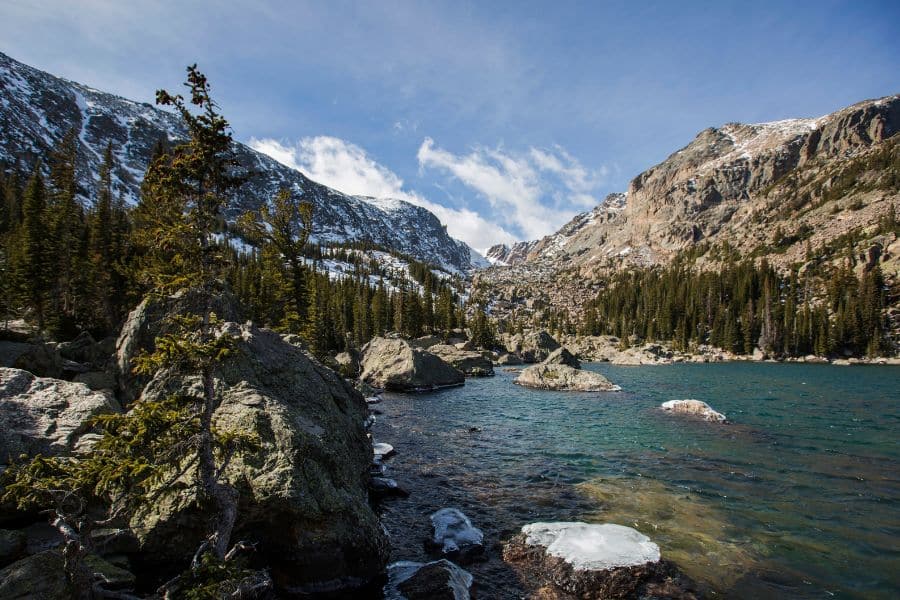
Rocky Mountain National Park has become one of the most visited parks in the country, and the pressure on its busiest areas is obvious as soon as you arrive. Trail Ridge Road often backs up for long stretches, and the parking lots near Bear Lake fill so quickly that the park relies on timed entry and shuttle systems during peak months.
Popular trails stay busy for most of the day. Instead of peaceful alpine scenery, you often share narrow paths with steady streams of hikers, which takes away from the sense of being in high mountain wilderness. Wildlife sightings also tend to create standstill traffic, and many visitors spend more time sitting in a line of cars than wandering among the scenery. It is a beautiful place, but the sheer volume of visitors makes it harder to find any real quiet.
Alternative: North Cascades National Park

North Cascades offers dramatic mountain views that rival Rocky Mountain National Park, yet it remains one of the least visited parks in the national park system. The peaks here are rugged and sharp, glaciers spill down the slopes, and the lakes glow an intense shade of blue, all without the constant pressure of heavy crowds. You get the alpine experience people hope for in Colorado, only with room to breathe.
The roads, trails, and overlooks are far quieter, and the sense of wilderness is immediate. You can explore miles of mountain scenery without feeling rushed or crowded out, and the viewpoints give you unhindered panoramas of the North Cascades range. Planning a visit is simple because there are no timed entry systems or daily parking battles.
What You Can Do There
- Walk to Diablo Lake Overlook for bright turquoise water framed by high peaks.
- Hike the Maple Pass Loop for sweeping views of the surrounding mountains.
- Explore quiet forest trails where the traffic drops to almost nothing.
- Drive Highway 20, one of the most scenic alpine roads in the Northwest.
- Look for glaciers and rugged ridgelines that define the heart of the park.
Zion National Park
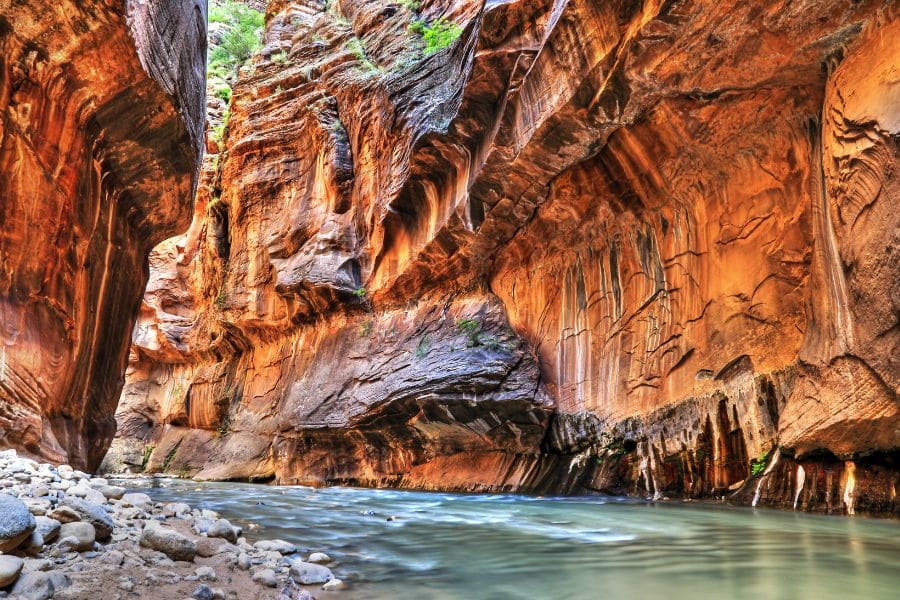
Zion’s narrow canyon walls and dramatic cliffs draw huge numbers of visitors, which is why the park feels overwhelmed during much of the year. The shuttle system is necessary because the canyon road can’t handle the traffic, but it also means long lines at the visitor center and crowded buses heading into the park. By the time you reach the trailheads, many popular routes already feel packed.
Trails like Angels Landing and The Narrows stay busy from early morning until late in the day. Instead of a peaceful canyon walk, you often move in a slow line of people navigating the same narrow sections. Overlooks fill quickly, and even short walks become stop and start. Zion is still stunning, but the constant foot traffic and tightly controlled access make it harder to enjoy the canyon in the way most visitors imagine.
Alternative: Canyonlands National Park
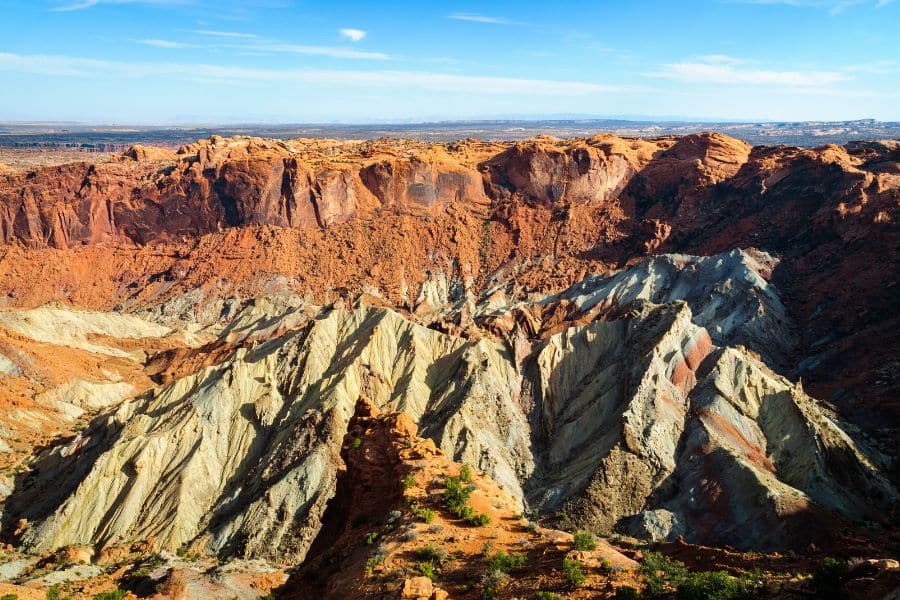
Canyonlands offers sweeping red rock scenery on a scale that surprises people, yet it receives only a fraction of Zion’s visitors. The park is divided into distinct districts, and each one offers wide-open views, deep canyons, and quiet trails that feel far more spacious. You can drive right up to overlooks, walk short paths to dramatic vistas, and explore without waiting in line for a shuttle.
The landscape has the same sense of desert drama, but the atmosphere is far more relaxed. Roads stay open and uncrowded, and many viewpoints give you huge canyon panoramas with no one else around. Whether you explore Island in the Sky or venture into the Needles district, you get the red rock beauty people love about southern Utah without the congestion that defines Zion during peak season.
What You Can Do There
- Stop at Mesa Arch early in the day for a clear view across the canyon.
- Drive the Island in the Sky scenic route with easy access to viewpoints.
- Explore the Needles area for colorful rock formations and quiet trails.
- Walk short paths to overlooks that offer expansive desert panoramas.
Great Smoky Mountains National Park

The Smokies are hugely popular, which is why the roads and overlooks stay crowded for most of the year. The scenic routes around Cades Cove and Newfound Gap often move at a crawl, with traffic backing up so far that a simple drive can take hours. Parking at popular trailheads fills early, and once those lots overflow, many people end up circling for long stretches or abandoning their plan altogether.
Even short walks to waterfalls or viewpoints can feel congested, especially during summer and autumn. Wildlife sightings also bring traffic to a standstill, adding more delays to an already busy day. The scenery is beautiful, but the constant flow of cars and visitors can make the Smokies feel more like an overcrowded scenic route than a quiet mountain escape.
Alternative: New River Gorge National Park & Preserve
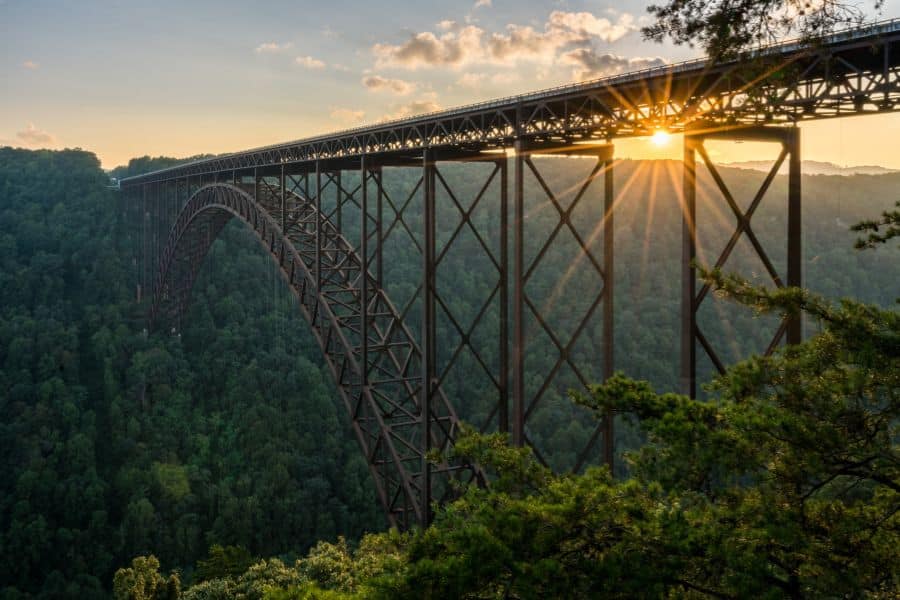
New River Gorge offers mountain scenery, forested trails, and dramatic views, all without the heavy traffic that often overwhelms the Smokies. It became a national park recently, so visitor numbers remain far lower, and the experience feels much more open. The gorge itself is deep and expansive, framed by rugged cliffs and quiet trails that let you take in the landscape without constant crowds.
Driving through the park is straightforward, and you can reach most viewpoints without sitting in long lines. Trails range from short boardwalk paths to challenging hikes along the rim, all with room to explore at your own pace. The combination of river views, forested overlooks, and historic sites creates a varied and relaxed experience that avoids the bottlenecks common in the Smokies.
What You Can Do There
- Walk the boardwalk to the New River Gorge Bridge Overlook for a clear view of the steel arch.
- Explore the Endless Wall Trail for rim top scenery and quiet forest sections.
- Visit the old mining areas for a glimpse into the region’s industrial past.
- Take scenic drives along the rim with easy access to uncrowded viewpoints.
Glacier National Park

Glacier’s dramatic mountains and turquoise lakes draw huge summer crowds, which makes the park feel stretched to its limits during peak months. The Going to the Sun Road is the biggest bottleneck. Traffic can back up for long distances, and the timed entry system means you must plan far in advance just to secure access. Even with a reservation, the drive often becomes a slow procession of cars.
Parking around popular spots like Logan Pass fills early, and once the lots close, many visitors are turned away. Trails that should feel remote become tight, busy paths where you constantly pause to let groups pass. The scenery is stunning, but the sheer number of visitors can make it difficult to find the quiet, mountain atmosphere people hope for.
Alternative: Great Basin National Park
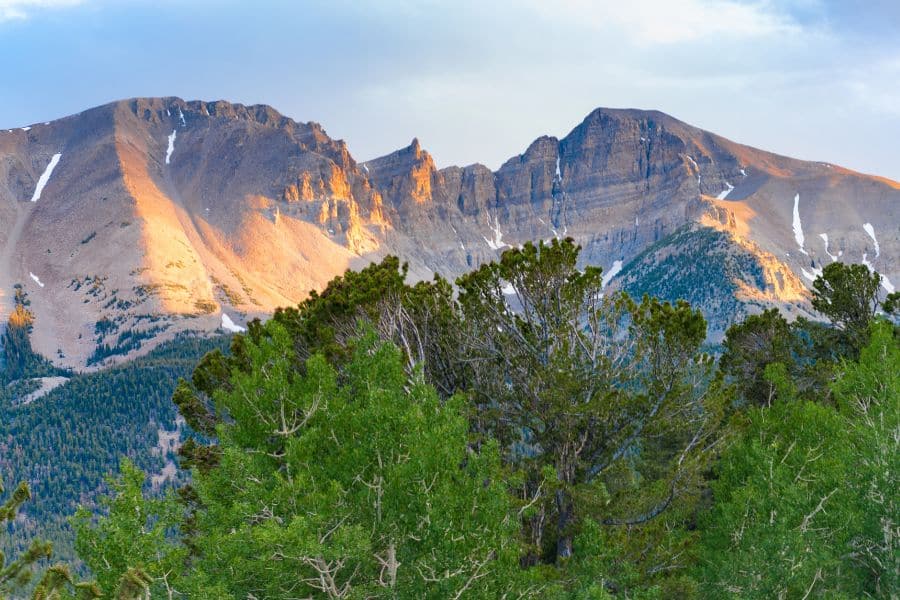
Great Basin gives you alpine lakes, tall peaks, and star-filled night skies without Glacier’s crowd pressure. The park receives a tiny fraction of the visitors, so the roads stay calm and the trails feel open. Wheeler Peak rises above the sagebrush valleys in a way that surprises many first-time visitors, and you can reach its viewpoints without battling long lines of cars or competing for a parking spot.
The setting feels remote and peaceful. You can explore bristlecone pine groves, wander to high mountain lakes, or take a ranger-led tour of Lehman Caves, all with plenty of space. Because Great Basin sees so few visitors, you can spend an entire day hiking or driving scenic roads and barely meet anyone. It offers the alpine scenery people love in Glacier, but with a far more relaxed pace, and is wonderful in winter, too.
What You Can Do There
- Walk the Bristlecone Trail to see ancient trees that have survived for thousands of years.
- Visit Lehman Caves for limestone formations and guided tours.
- Hike to alpine lakes below Wheeler Peak on quiet mountain trails.
- Drive the Wheeler Peak Scenic Road for wide open views across the Great Basin.
Stay after dark for some of the clearest night sky viewing in the country.
Disclaimer: This article is for general information only and is not professional advice. It may contain affiliate links. Please see our full Editorial Policy for details.

Kylie Lang is a nationally syndicated travel journalist with bylines on the Associated Press Wire & more, a lifestyle writer, and the founder and editor of Your Lifestyle Library (yourlifestylelibrary.com). She holds a BA (Honours) in History from the University of Kent and is a member of the British Guild of Travel Writers.