
If you’re one of those people who puts off their workout at all costs and gives themselves all sorts of excuses for why they can’t do it, you’re gonna love the microworkout.
For many people, the workout itself isn’t the problem; its length is. You can’t help thinking about everything else you need to do and how you don’t have a spare 45 minutes for a workout. So, the workout gets put off till tomorrow, which, of course, doesn’t happen because tomorrow you have the same excuse.
But what if your workout could be just as effective, but done in much shorter bursts? Enter the new kid on the block, the Microworkout.

What is a Microworkout?
A microworkout is a short, deliberate burst of exercise, usually around 2 minutes, slotted into a natural break in your day. Squats while you’re cleaning your teeth, a set of push-ups between two work calls, running up the stairs after lunch instead of taking the lift, or a minute of resistance-band rows while dinner is in the oven.
Some people call it exercise snacking, which I quite like because it captures the small, frequent nature of it, and doesn’t sound anywhere near as intimidating. Six of those over a day adds up pretty quickly.
The key is giving each microworkout a goal and a job to do. Is it about raising your heart rate, improving mobility, building strength, or even just breaking up a long period of sitting? Whatever it is, it should have a purpose and not be done half-heartedly.
Why Exercise Snacking Works

If you have a personal trainer or go to the gym, you’re usually told to do one continuous block of exercise, ideally 30 to 60 minutes, several times a week. And there’s nothing wrong with that; it still works perfectly well if you’re dedicated enough to do it.
But your body doesn’t have a stopwatch, so it doesn’t know or care whether your movement came in one 30-minute session or in ten 3-minute ones. It responds to the total amount and the intensity.
Interestingly, a study on this type of exercise tracking among 25,000 adults without a structured exercise routine found that microworkouts were extremely effective at preventing cardiovascular death.
Even if you do an hour of exercise first thing in the morning, sitting still for long periods of time still plays havoc with your metabolism. Your muscles need to be asked to work regularly across the day, not just once.
Intensity Is Where the Magic Happens
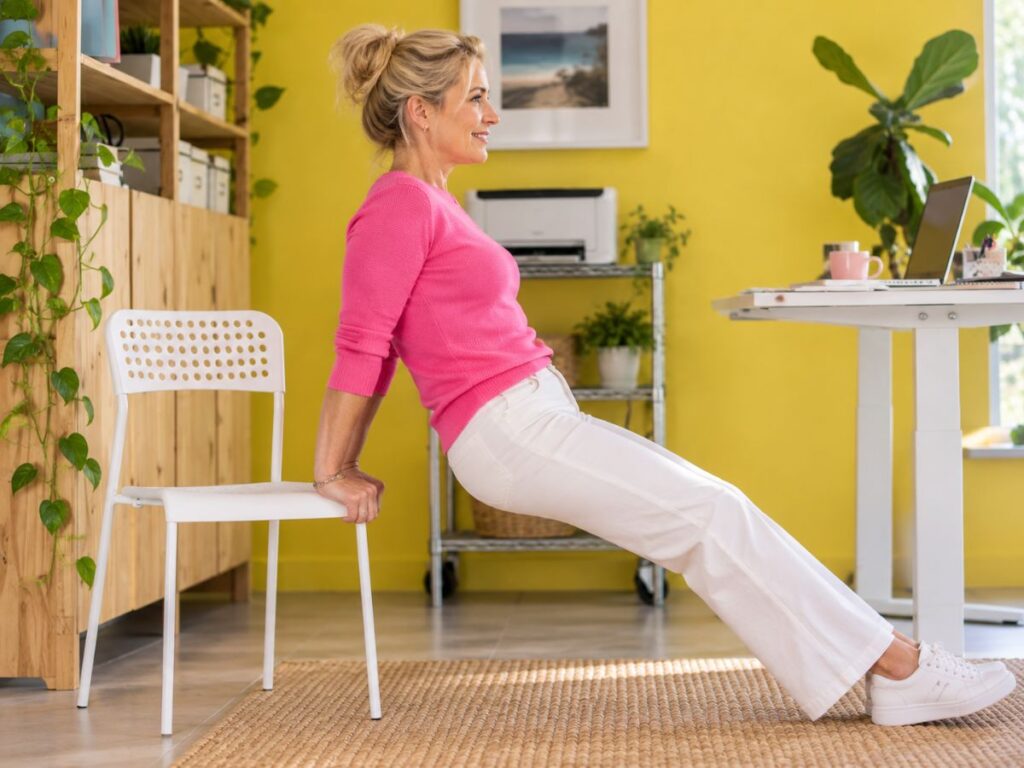
Just because it’s a microworkout doesn’t mean it should be easy. It shouldn’t. Two minutes of half-hearted squats is definitely better than staying glued to the chair, but it’s not going to build fitness.
For a cardio microworkout, you want your breathing to be noticeably harder by the end, working but still under control. If you can hold a full conversation without pausing, you’re not pushing hard enough.
Fast stair climbing is one of the best options because most places have stairs, and it quickly pushes your heart rate up. Brisk hill walking works too, as does a hard set of jumping jacks or a quick burst on a stationary bike if you have one.
For strength, the exercise has to actually challenge the muscle. To keep getting stronger, you need to progress: more reps with good form, slower on the way down, harder variations (a single-leg squat instead of a two-leg one), or adding load with dumbbells, a kettlebell, or resistance bands.
Muscle grows in response to being asked to do more than it’s comfortable with. That principle doesn’t change just because the session is 2 minutes long.
Why Microworkouts Are Popular
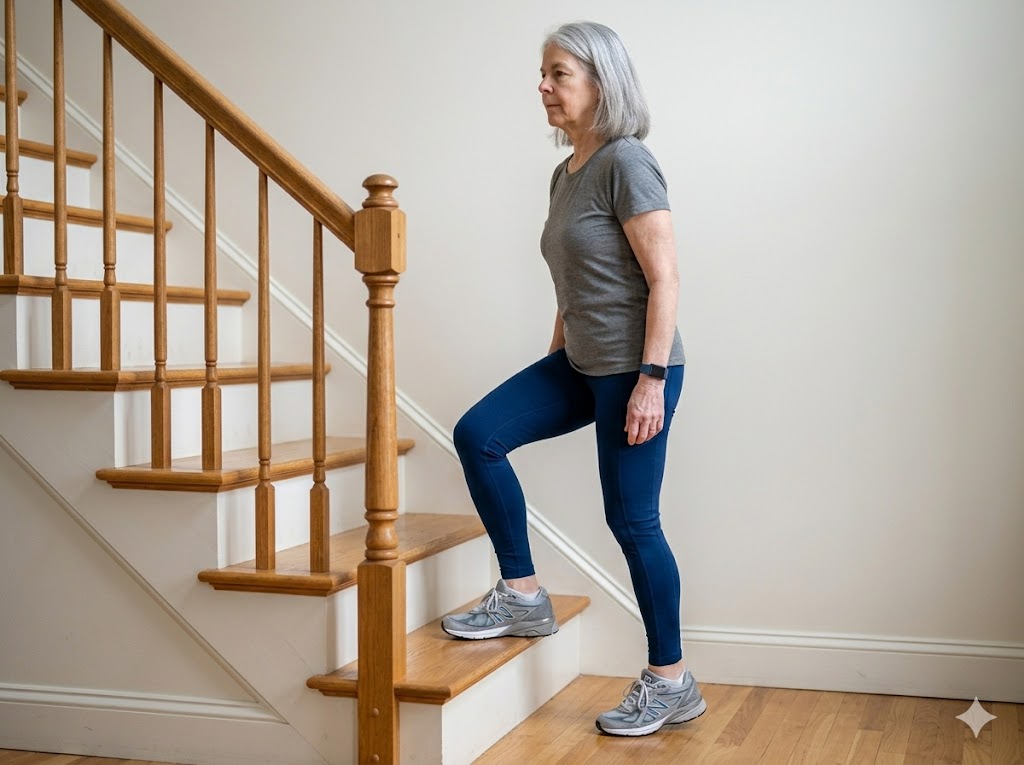
We all think we’re short on time, and that’s where the idea of going to a gym fails for many people. It’s all the prep it takes. There’s getting the kit ready, driving there, doing the workout, then driving home, showering, and doing whatever comes next.
It’s exhausting just thinking about it.
However, done in short bursts using what’s around you or your body weight, it doesn’t have the same barrier. It’s over almost before it’s begun and doesn’t rob you of hours in your day or take the same effort.
Making Microworkouts Part of Your Daily Routine
The trick to making microworkouts work is anchoring them to things you already do, so you don’t have to remember them. You’re doing what’s known as habit stacking.
I love to do my balancing exercises when I’m brushing my teeth. I do it twice daily, and it’s become a real habit for me to stand on one leg while I’m brushing.
Coffee is a good one too because most of us make it at roughly the same time each morning, and there’s a natural 2-minute window while it brews. Squats or wall push-ups work well in that short window.
Another good option is to set an alarm on your phone for an hour, as it reminds you to get up from your desk and walk around so you’re not sitting for long periods. Once you’ve stretched, add some form of exercise.
Do this several times a day, and you’ll soon have added six or so micro-workouts without realizing you’re exercising.
Disclaimer: The content in this article is for informational purposes only and is not intended to replace professional medical advice, diagnosis, or treatment. Always consult your doctor, physical therapist, or healthcare provider before starting a new exercise program, particularly if you have existing joint, cardiovascular, or balance conditions.
Become a Lifestyle Library Insider
Health tips, money know-how, travel deals and garden ideas for life after 50, straight to your inbox.
Summer Williams is a lifestyle writer and social media manager and a writer and editor of Your Lifestyle Library (yourlifestylelibrary.com). She holds a BA (Honours) in Journalism from Sheffield Hallam University. She also creates content under her brand Summer Elizabeth Creative.