
So last week I went to the UK to visit my two gorgeous granddaughters, both under three, and I had them for four days. By the end of it, I was absolutely shattered. Those two little girls ran rings around me.
I can’t believe how tired I was at the end of each day. What on earth happened to all my energy? I used to be able to run on empty and party till 4 am, snatch a couple of hours’ sleep, go to work, and then do the same thing the next night.
Now, after four nights with my grandchildren, I need a week to recover. It’s no fun growing older, and I’m only 55. Drastic times call for drastic measures. Something has to change, as it’s only going to get harder, not easier.
So what can I do to regain some energy and not feel like I need a nap every afternoon?

9 Daily Habits That Boost Your Metabolism Over 50
Most of these habits are simple things you can easily add to your daily life, but they make a difference and help you to feel like you used to years ago. Obviously, we’re all different, and what works for one won’t work for another.
The key is finding what works and sticking with it. And remember, we’re never going to feel like we did when we were twenty, but we can certainly help ourselves to feel less like an oldie and more like someone ready to get up and go in the morning.
1. Eating Protein for Breakfast

Most of us eat the same brekkie we’ve had for years, which for many people means toast, cereal, maybe a piece of fruit, and almost no protein. Then lunch is a sandwich often grabbed on the go.
Just 25 to 30 grams of protein is enough to signal your muscles to build and repair.
Eggs are the easy option, since they’re so versatile. You could have boiled eggs, an omelet, scrambled eggs, or poached eggs on toast. All are quick and easy to make with zero effort required.
2. Spreading Protein Over the Day

Once you’ve sorted breakfast, the same principle applies to the rest of the day. Older adults do best when protein is spread across meals rather than crammed into one, and a reasonable overall target sits somewhere around 1.0 to 1.2 grams per kilogram of body weight per day.
For someone weighing about 154 pounds, that works out to roughly 70 to 84 grams across the day.
Get a decent portion at each main meal rather than nothing, nothing, then a huge dinner. That could be eggs at breakfast, tuna or chicken with beans at lunch, and fish, poultry, tofu, or lentils at dinner.
Snacks like a boiled egg, a handful of nuts, or a small pot of cottage cheese can fill any gaps without much effort.
3. Walking After Eating

My mom has always sworn by this, and she and my dad would always go for a walk after their big meal of the day to help with their digestion.
Your muscles work like a giant sponge for glucose, and when you contract them by walking, they pull sugar out of your bloodstream instead of leaving it circulating. The post-dinner walk is especially effective. 10 to 15 minutes after each meal is plenty, and even a slow amble around the block counts.
4. Exercise Canceling Out Movement
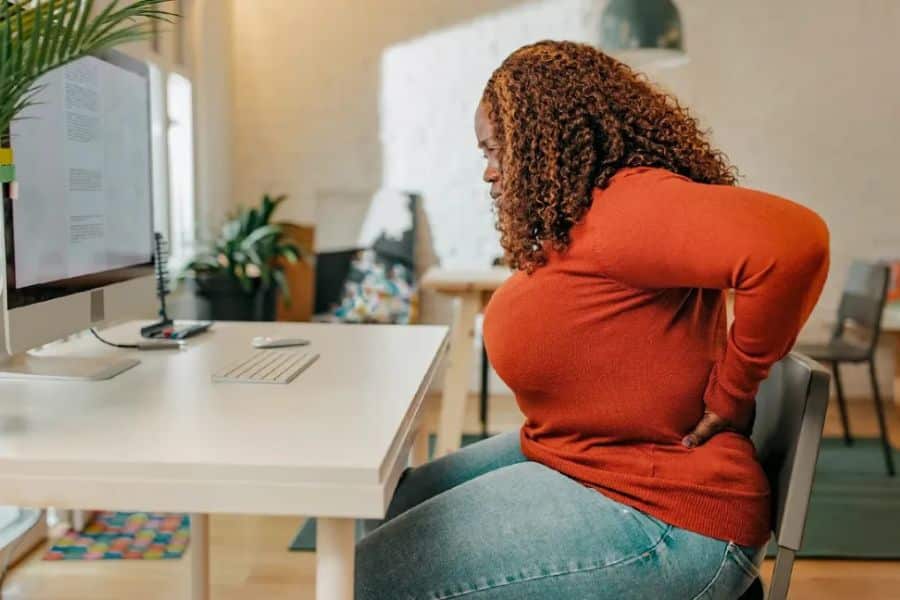
It’s so easy to fall into this trap. You’ve done 30 solid minutes of exercise in the morning, and then for the rest of the day you pretty much sit on your backside doing nothing. That then undoes a good chunk of the benefit you gained from your workout.
Sitting for long, uninterrupted stretches pushes blood sugar, circulation, and joint stiffness in the wrong direction, and a single workout doesn’t fully offset it.
The way around this is to set a timer for an hour. I know it’s easy to get engrossed in what you’re doing and forget you’ve been sitting for a few hours. I get up every hour from my desk and walk around the house, make a coffee, go out in the garden if it’s nice, just getting up at regular intervals to make sure I’m not sitting for hours on end.
5. No Crash Diets

When the scales start creeping up, the temptation is to slash calories hard and fast. It’s the most common instinct, but it’s counterproductive, especially as you get older.
Rapid weight loss almost always takes muscle with it, and losing muscle at this age is exactly what you don’t want because it’s the tissue keeping your metabolism ticking over and your knees, hips, and back working properly.
A sensible calorie reduction paired with plenty of protein and some resistance work is a completely different story.
You want to lose fat, not the strength that gets you off the sofa and up the stairs. If you’ve dropped a lot of weight quickly and noticed you feel weaker, more tired, or less steady on your feet, that’s a sign the diet took muscle along with the fat.
Slower is better here. Losing a pound or so a week, while keeping protein high and doing some form of strength work, protects the muscle you’ve got. It’s less satisfying on the scales in the short term, but it’s the version that actually leaves you fitter at the other end.
6. Say No to Processed Foods

When people eat an ultra-processed diet, they take in considerably more energy and gain weight than when they eat minimally processed food.
This doesn’t mean everything in a packet is completely off limits; just rethink how much of it you consume. Try to build most meals around vegetables, fruit, beans, whole grains, eggs, yogurt, fish, poultry, nuts, and seeds, which are better for you.
7. Prioritize Sleep and Take Naps

Remember when we were babies and needed more sleep as our bodies needed to refuel? Well, the same goes now that we’re older. We need more sleep to help us fire on all cylinders.
Skimping on it messes with appetite, blood sugar, and the choices you make about food and movement the next day.
What’s the first thing you do when you’re tired? If you’re like me, you reach for the chocolate, chips, cookies, and comfort food because it makes you feel better, or so you think.
You don’t cook a proper meal, you don’t walk after dinner, and you reach for whatever’s fastest, which is rarely the thing that helps.
Insomnia, restless nights, and sleep apnea all become more common, and they can leave you feeling flat and foggy no matter how early you turned in.
Keeping a consistent bedtime, cutting back on caffeine after early afternoon, and getting daylight in the morning all help.
A short afternoon nap, 20 or 30 minutes, can help you power through and is good for you. If you find yourself flagging after lunch, a proper lie-down often refreshes you more than another cup of coffee, and it won’t wreck your night as long as you keep it short and not too late in the day.
8. Eat Fiber-Rich Plant Food

Fiber won’t magically speed up your resting metabolism, but it still helps a lot. It keeps digestion regular, helps you feel full on fewer calories, and certain types can help lower cholesterol, all of which get more valuable with age.
The National Institute on Aging points to vegetables, fruit, beans, peas, and whole grains as the fiber-rich foods worth adding to your diet
If your gut isn’t used to much fiber, ramp up gradually and drink more water alongside it. Going from very little to a lot overnight is uncomfortable and puts people off before they’ve given it a fair go. A couple of weeks of steady increases is a lot easier on the system.
9. Add Strength Training to Your Weekly Routine

Muscle mass drops off as we age, and once it’s gone it’s much harder to get back. Resistance training is the single most reliable way to hang on to what you’ve got. It helps preserve strength, keep everyday function, and make things like climbing stairs or getting out of a chair easier.
Try to work the major muscle groups at least twice a week, and it doesn’t matter much how. Machines at a gym, dumbbells at home, resistance bands, or body weight moves like squats, push-ups against a wall, and sit-to-stands from a sturdy chair all count.
Pair it with adequate protein, which we’ve already covered, and you’ve got the strongest lifestyle combination anyone has found for holding onto muscle as we get older.
But don’t let your exercise slip into the comfortable zone. If you do the same 10 chair squats forever, your muscles eventually stop having any reason to adapt. Once something feels easy, make it a bit harder: add a rep, add a set, hold a light weight, move to a stronger band.
You’re aiming for just enough that your muscles keep being asked to do something slightly new.
And on the aerobic side, aim for 150 minutes of moderate activity a week, or about 30 minutes on 5 days, which is well within reach for most people through brisk walking, cycling, swimming, or dancing.
A good intensity check is that your breathing speeds up, but you can still hold a conversation.
If you’ve got heart issues, joint problems, or you’ve been mostly sedentary for a while, have a word with your doctor before you start throwing weights around. And if you feel chest pain, dizziness, or unusual breathlessness during exercise, stop and get it checked.
Start with 2 short sessions a week, keep them simple, and give yourself a few months.
Disclaimer: The content in this article is for informational purposes only and is not intended to replace professional medical advice, diagnosis, or treatment. Always consult your doctor, physical therapist, or healthcare provider before starting a new exercise program, particularly if you have existing joint, cardiovascular, or balance conditions.

Kylie Lang is a nationally syndicated travel journalist with bylines on the Associated Press Wire & more, a lifestyle writer, and the founder and editor of Your Lifestyle Library (yourlifestylelibrary.com). She holds a BA (Honours) in History from the University of Kent and is a member of the British Guild of Travel Writers.