
How many times have you heard the words “processed food is bad for you?” or “processed food is bad for your cholesterol”? A lot of it is. But, as with so many things, it’s not quite that cut and dried.
Processed just means the food has been changed from its original state. Steaming a grain, fermenting milk, or fortifying a spread with plant sterols all count as processing.
Some of these changes make a food easier to eat, easier to store, and better for the numbers you’re trying to move.
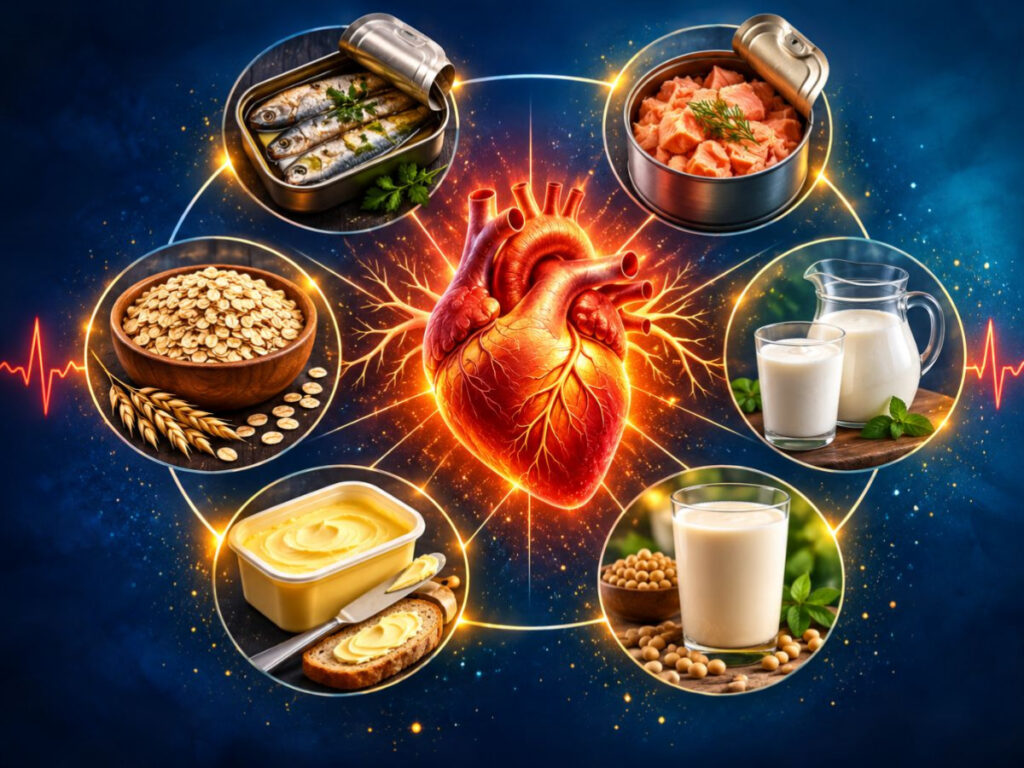
5 Processed Foods That Lower Your Cholesterol
If you’re trying to lower your cholesterol and haven’t had much success, consider adding these 5 foods to your trolley on your next shop.
1. Rolled Oats

A single 40-gram serving gives you about 2 grams of beta-glucan, the soluble fiber that attaches onto cholesterol in your gut and carries it out before it gets reabsorbed.
The FDA-recognized threshold is 3 grams of beta-glucan a day for a meaningful drop in LDL, so a bowl of oats gets you two-thirds of the way there
A meta-analysis in the American Journal of Clinical Nutrition pooled 58 trials and found oat beta-glucan lowered LDL cholesterol by about 4.2% and total cholesterol by about 3%, at doses starting around 3 grams a day.
What you want is old-fashioned rolled oats or steel-cut, not the flavored packets, which can contain 12 grams of added sugar per serving. Cook them with milk or a plant milk, top with berries, and you’ve got a healthy, cholesterol-lowering breakfast.
2. Canned Sardines and Salmon
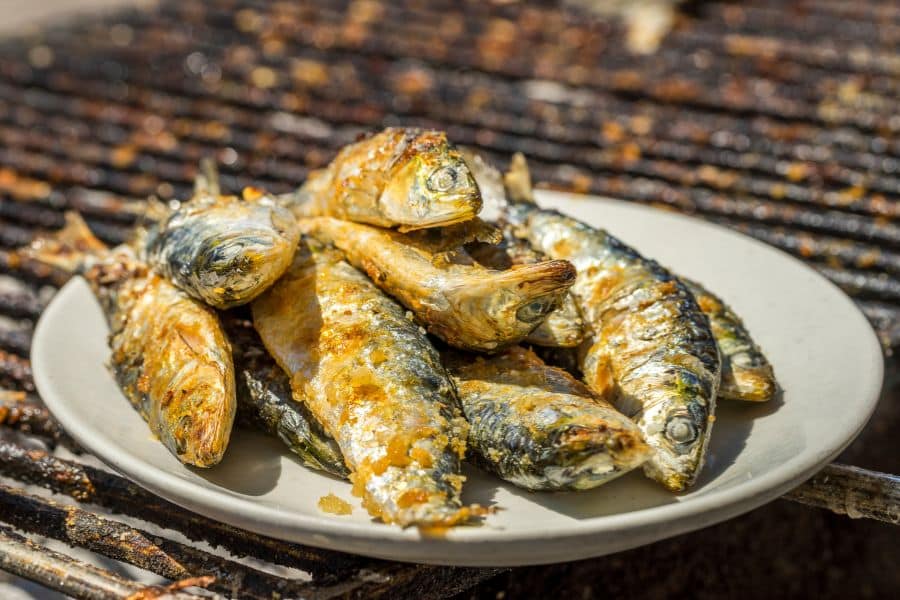
Canned oily fish is one of the best cholesterol-lowering foods you can buy, and one of the cheapest. A 3.75-ounce tin of sardines gives you around 1,000 mg of combined EPA and DHA, the two omega-3 fatty acids linked to lower triglycerides and better HDL.
Canned pink or sockeye salmon runs slightly lower per ounce but is still an excellent source, and the soft, edible bones push a serving of calcium over 300 mg.
A review in the Journal of the American Heart Association looked at omega-3 intake and found consistent reductions in triglycerides of 15 to 30% at doses of around 2 to 4 grams a day, with modest improvements in HDL.
Mash salmon onto sourdough with lemon and black pepper, flake sardines through a warm potato salad, or add them to pasta with capers and olive oil. Choose fish packed in olive oil or water, not soybean oil, and rinse the salt off if you’re watching sodium.
3. Plain Kefir or Yogurt With Live Cultures

Fermented dairy is processed in the strictest sense, and it’s one of the most useful things you can eat for your cholesterol.
Kefir and yogurt with live active cultures deliver billions of beneficial bacteria per serving, and specific strains, including Lactobacillus acidophilus and Lactobacillus reuteri, have been shown to modestly lower LDL cholesterol.
A review in the British Journal of Nutrition pulled together 15 trials of probiotic fermented milk and found average LDL reductions of around 6 mg/dL and total cholesterol drops of about 8 mg/dL, with the biggest effects in people whose starting numbers were already high.
Buy plain, unsweetened, and full-fat or 2%. A single-serve strawberry yogurt can carry 18 grams of added sugar, which cancels out the benefit.
Stir in some fresh fruit and a spoon of oats into a cup of plain kefir for breakfast, or use plain Greek yogurt in place of sour cream on baked potatoes and in dressings. Aim for about a cup a day.
4. Sterol-Fortified Spreads
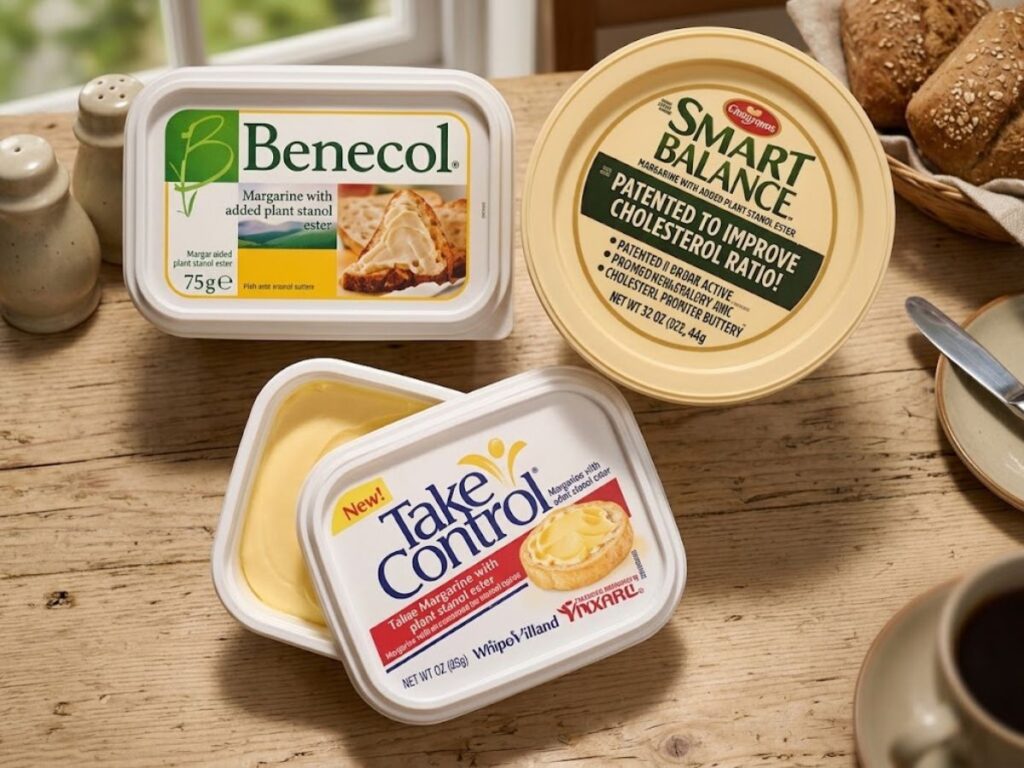
Plant sterol and stanol spreads such as Benecol and Promise Activ help to block cholesterol absorption in the small intestine.
A meta-analysis in the Journal of the Academy of Nutrition and Dietetics reviewed 124 trials and found that intakes of 2 to 3 grams of plant sterols per day lowered LDL cholesterol by an average of 8 to 10%, with effects seen within 3 to 4 weeks.
Use them on toast, baked potatoes, and in steamed vegetables, and stick to about 2 tablespoons a day.
5. Fortified Soy Milk
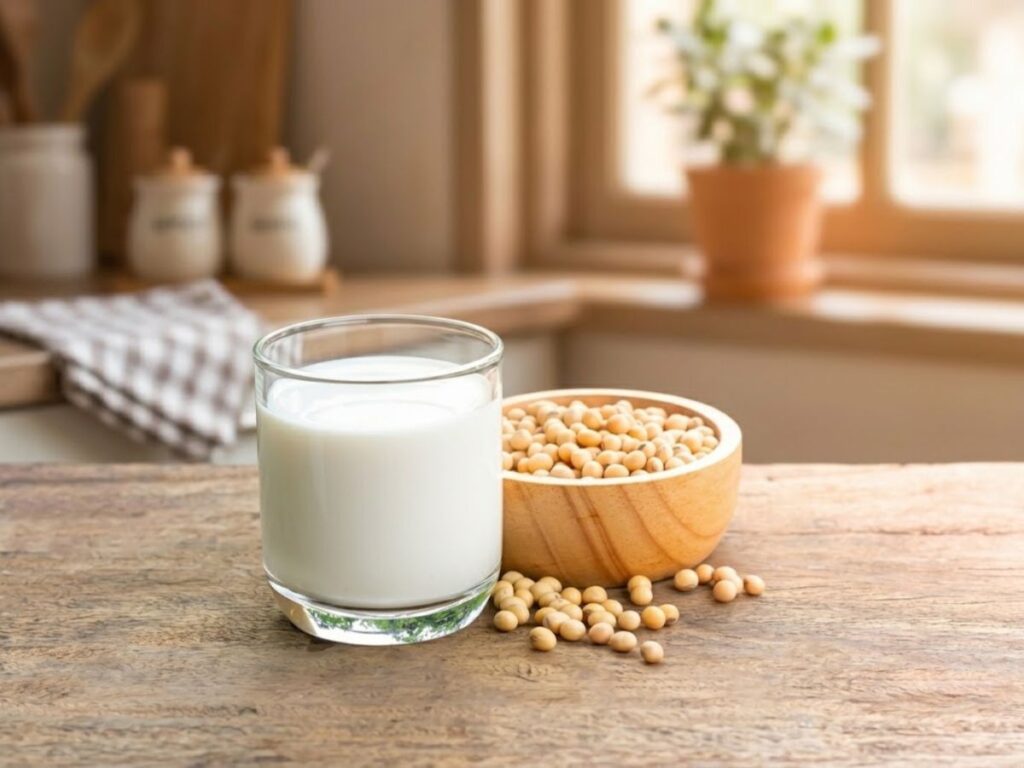
Soy milk is a good cholesterol-lowering food and one of the few plant milks that provides about 7 to 8 grams of protein per cup.
The FDA suggests 25 grams a day, and a meta-analysis in the Journal of Nutrition of 46 trials confirmed that this dose lowered LDL cholesterol by about 3 to 4% on average.
Read the label and choose the unsweetened version. Flavored soy milks can carry as much added sugar as a cookie. Use it on your oats, in coffee, and in smoothies, and you’ll consume10 grams of soy protein a day without thinking about it.
Look for brands fortified with calcium and vitamin D (most are), and check that soy is the first ingredient after water.
Disclaimer: This article is for general information only and is not professional advice. It may contain affiliate links. Please see our full Editorial Policy for details.
Become a Lifestyle Library Insider
Health tips, money know-how, travel deals and garden ideas for life after 50, straight to your inbox.

Kylie Lang is a nationally syndicated travel journalist with bylines on the Associated Press Wire & more, a lifestyle writer, and the founder and editor of Your Lifestyle Library (yourlifestylelibrary.com). She holds a BA (Honours) in History from the University of Kent and is a member of the British Guild of Travel Writers.