
My dad loved butter and spread it liberally over everything. He’d even been known to eat it on its own, bizarre, I know. So when his cholesterol numbers started climbing in his later years, and the doctor told him he had high cholesterol and had to switch to margarine, he was less than impressed.
He did it, grudgingly, and because my mom gave him no option. The cruel twist, of course, is that we now know margarine isn’t the hero anyone thought it was, either. All those trans fats they used to load it with turned out to be worse for your arteries than the butter ever was.
So what are you supposed to do? It’s enough to make your head spin. I’m built very much like my dad, same frame, same appetite, same fondness for the things you’re supposedly meant to avoid, so it’s something that’s bothered me for a while.
The one good thing about being a journalist is that we spend a fair amount of our time on research, and it comes naturally now. So, I’ve spent a fair whack of time digging through what actually holds up across multiple sources rather than the latest fad doing the rounds on social media.
10 Foods That Naturally Flush Your Arteries of Bad Cholesterol
What follows is 10 foods with real, science-backed evidence behind them for helping lower LDL (the bad kind), pushing HDL (the good kind) in the right direction, or keeping the arteries clearer for longer. None of this replaces a chat with your doctor, but it’s a sensible place to start filling your cart.
1. Avocados
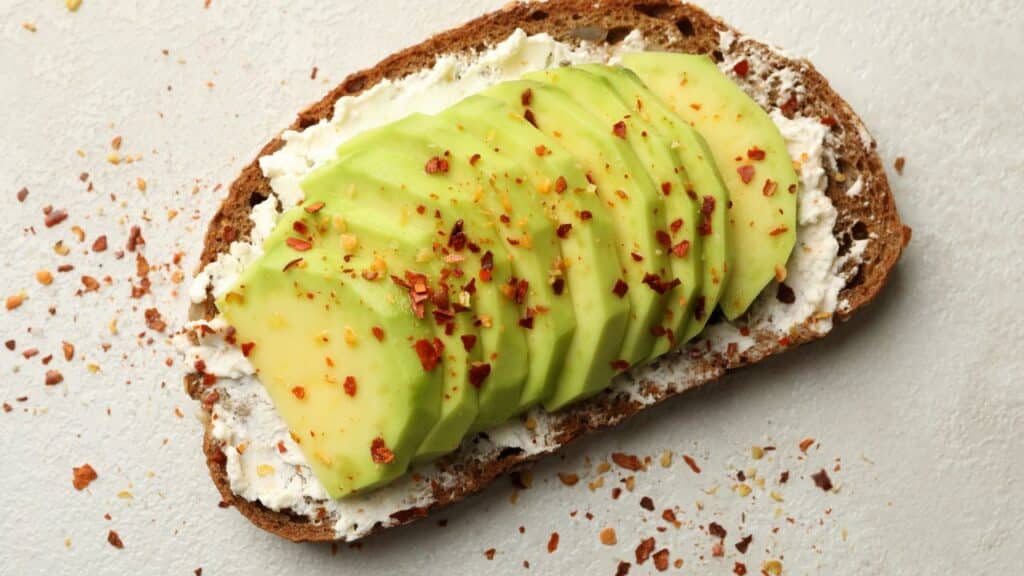
Avocados do something a lot of cholesterol-lowering foods don’t: work on both sides of the equation at once. The monounsaturated fats lower LDL while raising HDL, and the plant sterols they contain physically block cholesterol from being absorbed through the gut wall.
The research suggests that about half an avocado a day is enough to start shifting your cholesterol numbers in the right direction within a few weeks. But remember it’s also high in calories, so half is plenty.
Another benefit is that the fat in avocados helps your body absorb fat-soluble nutrients from whatever you’re eating alongside them, so pairing them with vegetables turns an ordinary salad into a more nutritionally efficient meal. They also keep you full in a way that a plate of carbs simply doesn’t.
2. Garlic
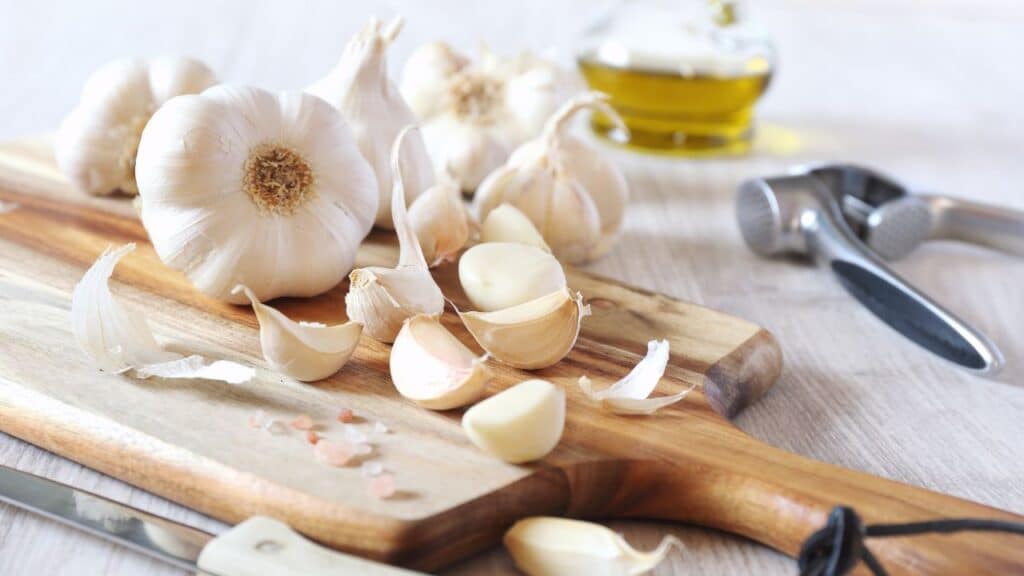
Garlic is one of those ingredients that has been used as medicine for thousands of years. The active compound is allicin, which helps reduce the amount of cholesterol your liver produces and also makes blood platelets less sticky, meaning they’re less likely to clump together and cause trouble in the arteries.
Fresh garlic delivers the strongest effect, and there’s a useful little trick to maximize it. Once you’ve crushed or chopped a clove, let it sit for about 10 minutes before you cook with it. That resting time allows allicin to fully form, and applying high heat immediately can knock it out before it’s even had a chance to develop.
Use one or two cloves a day, stirred through pasta, roasted whole alongside a chicken, or mashed into a vinaigrette. There are numerous ways to incorporate it into your weekly menu.
3. Oats

The active ingredient in oats is beta-glucan, a soluble fiber that forms a gel in your digestive tract and binds to cholesterol as it passes through, escorting it out of the body before it can be reabsorbed into the bloodstream.
The magic number most sources recommend is about 3 grams of beta-glucan a day, which is roughly what you’ll get from a decent bowl of oatmeal. That kind of daily intake has been linked to LDL reductions of around 5 to 10 percent, which is a meaningful dent when you stack it up over months.
Steel-cut oats give you more fiber per serving than the instant packets, so if you have the patience for a slightly longer cook, they’re the better choice.
You don’t have to eat them as porridge either. Throw a handful into a smoothie, sprinkle them over yogurt for crunch, or use them instead of breadcrumbs when you’re coating chicken or making meatballs. They’re also perfect in an apple crumble, one of my favorite puddings.
4. Legumes
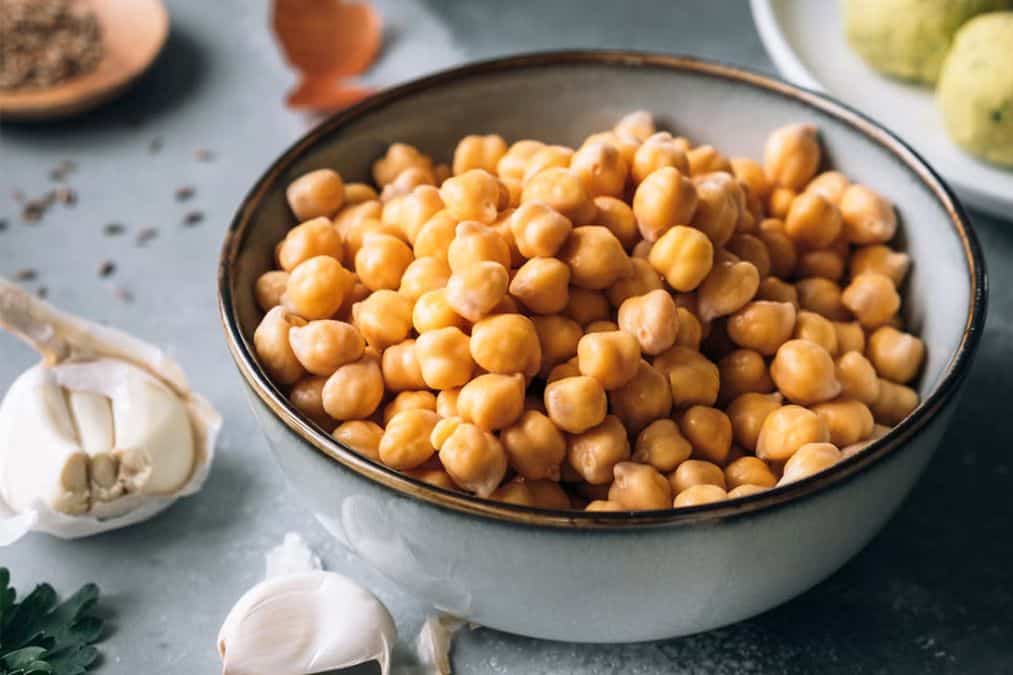
Beans, lentils, and chickpeas are the unsung heroes of cholesterol management. They’re cheap, they keep forever in the pantry, and a single daily serving has been linked to LDL reductions of around 5 to 6 percent.
Their soluble fiber works much like the beta-glucan in oats, soaking up cholesterol in the gut and carrying it out, while the plant protein helps the liver clear LDL from the blood more efficiently.
They also have a low glycemic index, which means they don’t send your blood sugar on a rollercoaster. This is important because stable blood sugar makes it easier for your body to focus on the long, slow work of keeping cholesterol in check.
Black beans and chickpeas tend to come out near the top of the pile in terms of effectiveness, but lentils aren’t far behind.
Chickpeas are easy to use as they are perfect in a winter curry or soup, and they make a great salad alternative with some onions, lemon juice, and curry powder, perfect for the hot summer weather we’re having right now.
5. Almonds and Walnuts
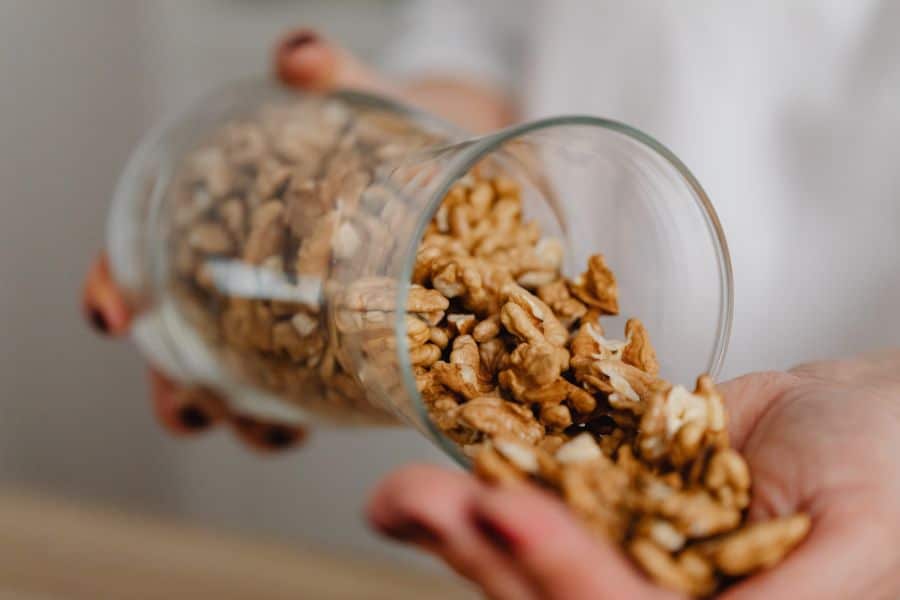
A small handful of nuts a day, about an ounce, is what the research recommends. Almonds are particularly good at raising HDL while lowering LDL, thanks to a combination of plant sterols, healthy fats, and fiber.
Walnuts bring something almonds don’t, a hefty dose of plant-based omega-3 fatty acids that help with blood vessel function and reduce inflammation in the artery walls.
The sterols in both nuts work in the same way as the ones in avocados do, getting in the way when your gut tries to absorb cholesterol from food. Combined with the fiber and the healthy fats, you’ve got a multi-pronged little snack.
Raw nuts with their skins on tend to contain more beneficial compounds than roasted, salted versions, so the bag from the baking aisle is often a better buy than the one near the chips.
6. Chia Seeds and Flaxseeds
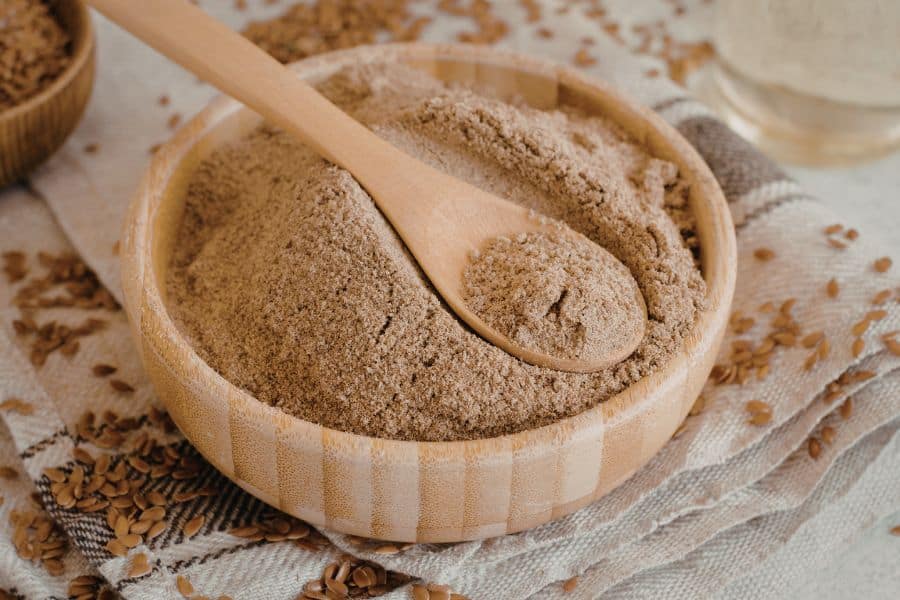
Both are loaded with plant omega-3s, stuffed with soluble fiber, and contain lignans, antioxidant compounds that have been shown to lower LDL levels directly. A tablespoon or two a day is all it takes to start making a meaningful difference in your cholesterol numbers.
Flaxseeds need to be ground for your body to actually get at the nutrients inside, so buy them whole and grind them as you go, or buy them pre-ground and keep the bag in the fridge so the oils don’t go rancid.
Chia seeds, on the other hand, can be eaten whole and will happily absorb liquid to form a gel, which is how chia pudding works.
The easiest way to make these a habit is to stir a spoonful into something you already eat. A tablespoon of ground flax in your morning oatmeal, a sprinkle of chia in a smoothie, or a spoonful of either into yogurt with some berries.
7. Green Tea
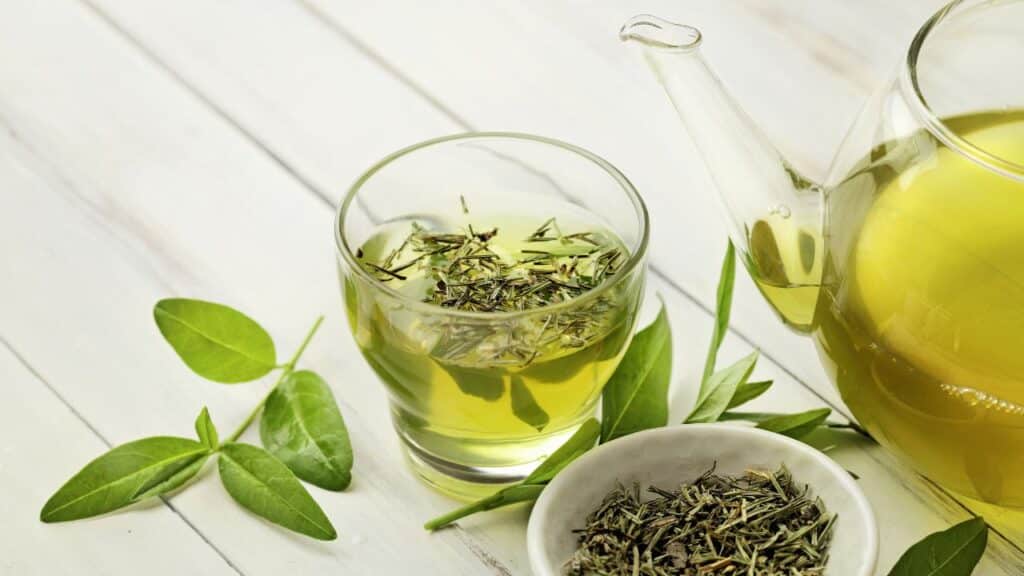
Switching out one of your daily coffees for a green tea is one of the lowest-effort changes on this list. The catechins in green tea, a group of plant compounds, work on cholesterol from a couple of angles at once. They reduce how much cholesterol your gut absorbs from food and alter how your liver processes it, generally improving the LDL-to-HDL ratio.
A meta-analysis in the Journal of Nutrition pooled data from multiple studies and found that regular green tea drinkers saw LDL reductions of roughly 2 to 6 percent, with larger drops in people whose starting levels were higher.
The intake that produced these effects was achievable, between 1 and 3 cups a day, which is manageable.
A few practical pointers. Steep the tea for 3 to 5 minutes to extract the catechins properly; too short and you’re drinking warm water with a hint of green; too long and it goes bitter. A squeeze of lemon helps your body absorb the catechins more efficiently.
Hot or iced both work. Don’t expect overnight miracles; the effects build over weeks and months of consistent drinking.
8. Dark Chocolate and Cocoa
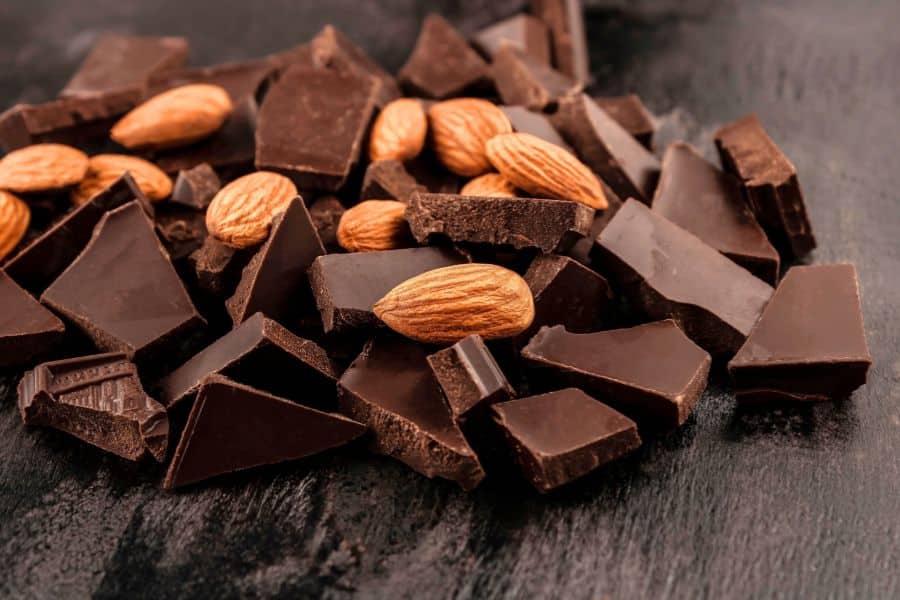
It might not have the creaminess of milk chocolate, but beggars can’t be choosers; it’s chocolate, and that’s what counts. Cocoa is rich in flavonoids, which help raise HDL and protect LDL from oxidation.
Oxidation is the process that turns ordinary cholesterol into the sticky kind that gets lodged in artery walls, so anything that interferes with it is doing useful work.
The catch is that you need to choose the right kind of chocolate. Aim for at least 70 percent cocoa content; the higher you can go without wincing at the bitterness, the better. About an ounce a day, which is roughly 2 or 3 small squares, is enough to deliver the benefits without the calories piling up.
If you want to push the effect further, raw cacao nibs are the most potent form, though their bitter, almost coffee-like taste takes some getting used to. Cocoa powder, the unsweetened kind, can be stirred into oatmeal, smoothies, or yogurt for a similar boost.
And the fat in dark chocolate, despite its saturated label, is largely stearic acid, which doesn’t raise cholesterol the way other saturated fats do. So the small square of dark chocolate isn’t going to pile on the calories.
9. Fatty Fish
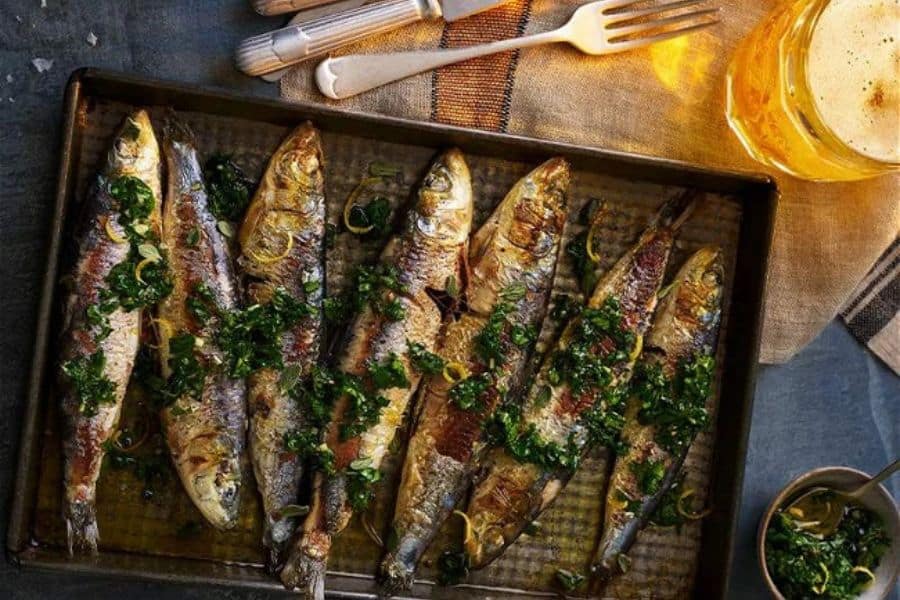
Salmon, mackerel, and sardines contain omega-3 fatty acids, which support heart health in multiple ways. They lower triglycerides, reduce inflammation in the blood vessels, and modestly raise HDL.
They don’t pull down LDL as dramatically as some of the other foods here, but their overall impact on cardiovascular risk is well established.
Most cardiology guidance recommends about 2 servings of fatty fish a week, with a serving of about 3 to 4 ounces. A piece of salmon under the broiler with lemon and herbs, sardines on toast for a quick lunch, or a tin of mackerel flaked into a salad all count.
The smaller fish, sardines and mackerel especially, are also lower in mercury, which occasionally gets people worried about eating fish more often.
If you don’t like fish, a fish oil supplement is a reasonable fallback, but the whole food brings other things to the table that a capsule doesn’t, including protein and a stack of micronutrients.
10. Leafy Greens
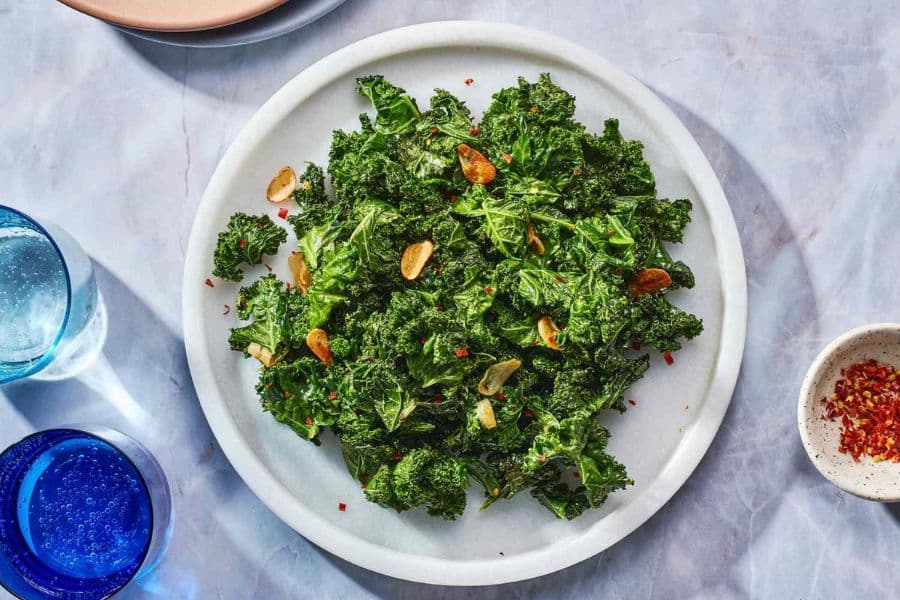
Spinach, kale, Swiss chard, and collards are rich in fiber, packed with antioxidants, and contain compounds called carotenoids that help prevent the oxidation of LDL, the same process that the flavonoids in cocoa interrupt.
They also bind to bile acids in the digestive tract, which forces the liver to pull cholesterol from the blood to make more bile, thereby lowering circulating LDL.
The practical advice with greens is the same as with anything else on this list. You have to actually eat them, regularly, in real quantities. A token leaf of lettuce under a sandwich doesn’t count. A proper handful of spinach wilted into pasta, a kale salad massaged with olive oil and lemon, and collards braised slowly with garlic as regular menu additions will all help.
Pairing greens with a good source of fat, an olive oil dressing, a few slices of avocado, and a sprinkle of nuts, helps your body absorb the fat-soluble nutrients in them more effectively. A whole bag of spinach reduces to a couple of forkfuls once it hits a hot pan, and suddenly you’ve eaten more leafy greens in one meal than most people manage in a week.
Disclaimer: This article is for general informational purposes only and is not a substitute for professional medical advice, diagnosis, or treatment. Always consult a qualified healthcare provider before making changes to your health, diet, or exercise routine.