
If someone asked you point blank, “Do you want to live longer?” I’m pretty sure you’d say yes. I know I would. But then, what if they followed that up with another question, such as, “Why are you sabotaging your chances?” You’d probably answer with, I’m not. But, unfortunately, you probably are without even realizing it.
A friend of mine, who just happens to be a health professional, was chatting about this over dinner the other night. The question we asked around the table was, “Would you want to live forever?” I’d immediately say no, but I’d like to live a long and healthy life, and everyone else agreed.
This then turned into a full debate on how we’re not actually giving ourselves the best chance at that. She then outlined several things we were more than likely doing that were shortening our chances at longevity. I instantly recognized nine of them, the ones I’m sharing with you today, to see if you recognize them too.
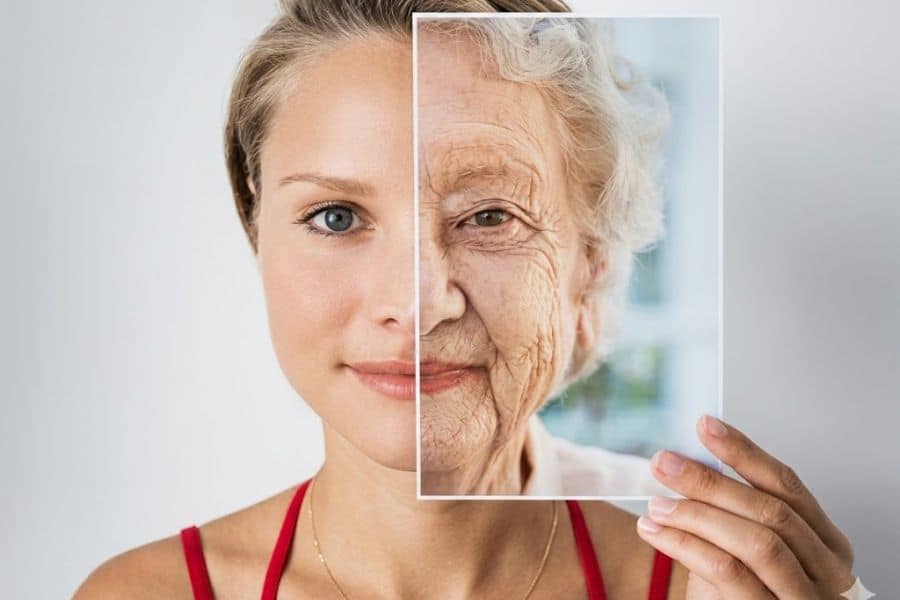
The Live a Longer Life Challenge
As we chatted over dinner, my friend suggested that we take the things we identified with and turn them into a challenge to eliminate one each week. So, for me, that’s a nine-week challenge to help me live a longer life.
My challenge to you is to create your own challenge and do it with me to see if we can get rid of the terrible habits and set ourselves up with some new, healthier ones.
Habit 1: Revenge Bedtime Procrastination

It’s getting late, and you know you should go to bed, but the day was insanely busy, and this last hour feels like the only time that’s truly yours. So you make a conscious decision to spend that last hour before bed catching up on social media while watching an episode of your favorite show. Before you know it, midnight creeps up on you.
Sound familiar? It did to me, and I think I can say I do this almost every night during the week. It even has a name: revenge bedtime procrastination.
Consistently sleeping fewer than 6 hours prevents your brain from flushing proteins linked to Alzheimer’s. Researchers found that people in their 50s and 60s who got six hours or less were 30% more likely to develop dementia later in life.
Week 1 challenge: Hard stop, 30 minutes before bed. No phone, no TV, instead have a cup of tea, or read a book, something that winds you down.
Habit 2: The Sedentary Active Trap

You work out in the morning, then sit at a desk for eight hours, drive home, and sit on the couch. Sound familiar?
One hour of exercise cannot make up for nine hours in a chair. A study of nearly 482,000 people found that people who predominantly sit at work carry a 16% higher risk of all-cause mortality and a 34% higher risk of dying from cardiovascular disease, even when they exercise.
Prolonged sitting shuts down metabolic activity in your largest muscles. Blood sugar rises, and triglycerides climb, causing your body to go into standby while your heart takes the hit.
Week 2 challenge: Set a timer every 45 minutes. When it goes off, stand up and move for two to three minutes. You can walk, squat, and stretch, whatever takes your fancy. My 88-year-old mom does this to keep her supple, and it works.
Habit 3: All-or-Nothing Exercise

Most people chasing longevity skip the one type of exercise that matters the most: Zone 2 cardio. It’s low intensity, such as a brisk walk, easy cycling, or even a gentle jog. At this level, your body builds mitochondrial efficiency, the cellular energy system that directly determines how fast you age.
Dr. Peter Attia, author of Outlive, recommends 150 to 180 minutes of Zone 2 per week as a longevity baseline, in addition to your regular workout.
Week 3 challenge: Add three 45-minute Zone 2 sessions this week. Keep it easy enough to hold a conversation throughout.
Found this useful? Get more like it in your inbox as a Lifestyle Library Insider.
Habit 4: Ignoring Grip Strength

When did you last carry something genuinely heavy? Modern life has removed almost every reason to grip anything with real force. That’s more of a problem than most people realize.
The Lancet PURE study, covering nearly 140,000 adults across 17 countries, found that for every 5kg drop in grip strength, the risk of all-cause mortality rose by 16%. Grip strength was actually a stronger predictor of death than blood pressure.
It’s a proxy for your total muscle quality and how well your body is aging overall. When grip weakens, everything else tends to follow.
Week 4 challenge: Dead hangs from a bar or door frame, building toward 30 seconds. Or carry heavy bags for a minute without putting them down. Simple, free, and surprisingly effective.
Habit 5: Ultra-Processed “Health” Foods

There are so many foods labeled as healthy that trick us into thinking we’re making the sensible choice, but Protein bars, veggie crisps, and low-sugar granola aren’t often what they seem. The label just isn’t telling you the full story.
Many of these are ultra-processed foods, or UPFs. Chemically transformed, packed with emulsifiers, seed oils, and additives designed to make them addictive rather than nourishing. Recent studies found that the highest UPF consumers had a 15% higher risk of all-cause mortality compared to those eating the least.
Week 5 challenge: Check the ingredients on three things you eat regularly. More than five ingredients, or anything you couldn’t find in a kitchen? Find a simpler swap. A handful of almonds beats most protein bars.
Habit 6: Back-Loading Protein

Most of us follow similar eating habits. We have a light breakfast, medium lunch, and a huge protein-heavy dinner. Sound like your day because it definitely sounds like mine?
Your muscles can’t save protein for later. Muscle Protein Synthesis, the process that repairs and builds muscle, only triggers when you hit around 30 grams of high-quality protein in one sitting. Eat too little at breakfast and lunch, and you’ve spent most of the day in deficit. Over time, that accelerates sarcopenia, the age-related muscle loss that researchers link directly to frailty and a shorter life.
Protein researcher Dr. Don Layman has repeatedly stressed the need to hit that 30-gram threshold at each meal, not just at dinner.
Week 6 challenge: Add a proper protein source to breakfast this week. Eggs, Greek yogurt, cottage cheese, smoked salmon. Aim for 30 grams before you leave the house.
Habit 7: Drinking “In Moderation”

Living in France, I find this harder than I should. The French lifestyle dictates a glass of wine with pretty much every meal, except breakfast. I remember when I was growing up, my dad told me a glass of red wine with dinner was good for the heart. Well, it seems that science no longer agrees with Dad.
In 2023, the World Health Organization published a statement in The Lancet Public Health, making its position clear: there is no safe amount of alcohol that does not affect health. Ethanol is classified as a Group 1 carcinogen, the same category as asbestos and tobacco.
Even one drink disrupts REM sleep. Your body prioritizes breaking down the alcohol above everything else, including overnight repair. The evening wind-down ritual might feel like self-care. Biologically, it’s adding stress.
Week 7 challenge: Try five alcohol-free evenings this week and pay attention to how your sleep feels after two or three nights without it.
Habit 8: No Stress Off-Switch

Scrolling social media is not relaxing, and neither is a gripping TV drama. Even venting about your day doesn’t reduce cortisol levels. These things distract you, but they don’t switch off your nervous system.
Chronic stress means chronic inflammation. And inflammation is the common thread running through nearly every age-related disease, including heart disease, cancer, and dementia. Blue Zones research, which has studied the world’s longest-lived populations, consistently finds that centenarians have deliberate daily rituals for shedding stress.
Week 8 challenge: Five minutes of box breathing every day this week. Inhale for four seconds, hold for four, exhale for four, hold for four. It actively shifts your nervous system out of the fight-or-flight response.
Habit 9: No Sense of Purpose

Blue Zones researcher Dan Buettner has studied the world’s longest-lived communities for decades. One thing appears everywhere, regardless of diet, culture, or geography. People who live the longest can answer the question: “Why do I get out of bed in the morning?
The Okinawans call it Ikigai. The Costa Ricans call it “plan de vida.” According to Blue Zones data, having a defined sense of purpose is estimated to add up to seven years of life.
Purpose is what holds every other healthy habit together. Without it, the rest tends to fall apart. And it matters most in the years after you stop working. Studies show that more Americans die in the first year of retirement than in the last year of work.
Week 9 challenge: Write down three things that give you a genuine sense of meaning. Things that make you feel alive and useful. If you’re struggling to come up with three, that’s exactly where your challenge needs to start.
So there they are. Nine habits, nine weeks, one change at a time. No overhaul, no perfection required.
Which one are you starting with?
Disclaimer: The health and wellness content in this article is for informational purposes only and is not a substitute for professional medical advice, diagnosis, or treatment. Always consult your healthcare provider before making changes to your diet, exercise routine, or lifestyle, particularly if you have an existing health condition.
About this article: Our health articles are based on published studies and advice from experts such as physiotherapists and dietitians, and the sources are linked in the article.
Disclaimer: The content in this article is for informational purposes only and is not intended to replace professional medical advice, diagnosis, or treatment. Always consult your doctor or healthcare provider before making changes to your diet, supplements, medication, or health routine. This article may contain affiliate links.
Become a Lifestyle Library Insider
Health tips, money know-how, travel deals and garden ideas for life after 50, straight to your inbox.
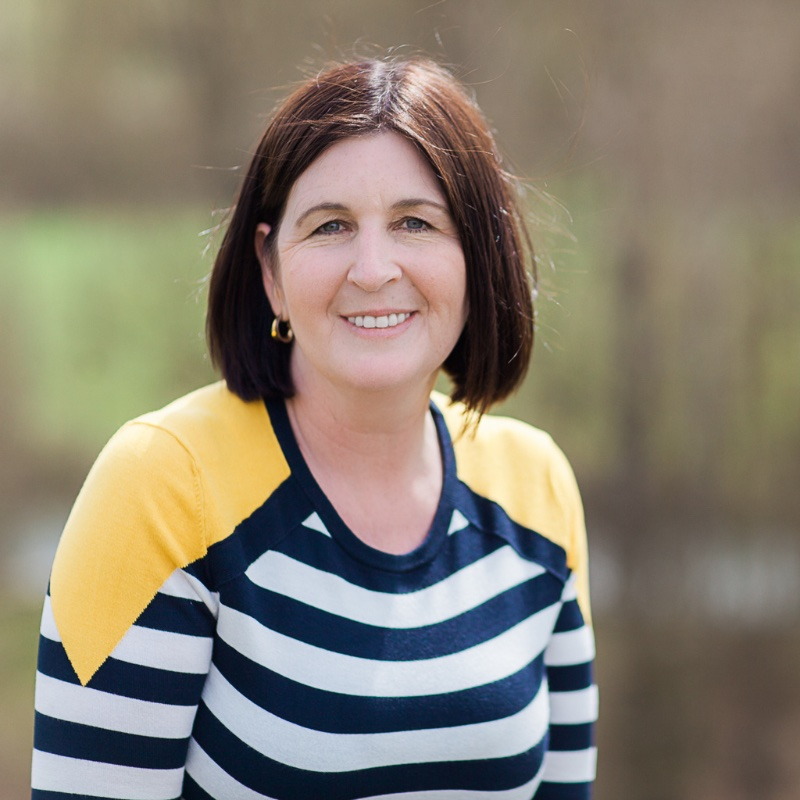
Kylie Lang is a nationally syndicated travel journalist with bylines on the Associated Press Wire & more, a lifestyle writer, and the founder and editor of Your Lifestyle Library (yourlifestylelibrary.com). She holds a BA (Honours) in History from the University of Kent and is a member of the British Guild of Travel Writers.