
I’m writing this with the shutters half closed and a fan whirring beside me, because right now it’s 40 degrees outside and still climbing. Celsius, that is, since that’s what we use over here in France, and trust me, it feels every bit of it.
My poor cornichons, my little pickling cucumbers, are flat on their faces. My chilis aren’t much happier. Both of them are struggling to keep their pecker up with the sun roasting them from dawn till dusk, day after day after day.
I went out this morning to water before the heat really set in, took one look at the sorry state of them, and very nearly thought, right, that’s it, I give up.
I didn’t, of course. I never do. But I do understand the urge.
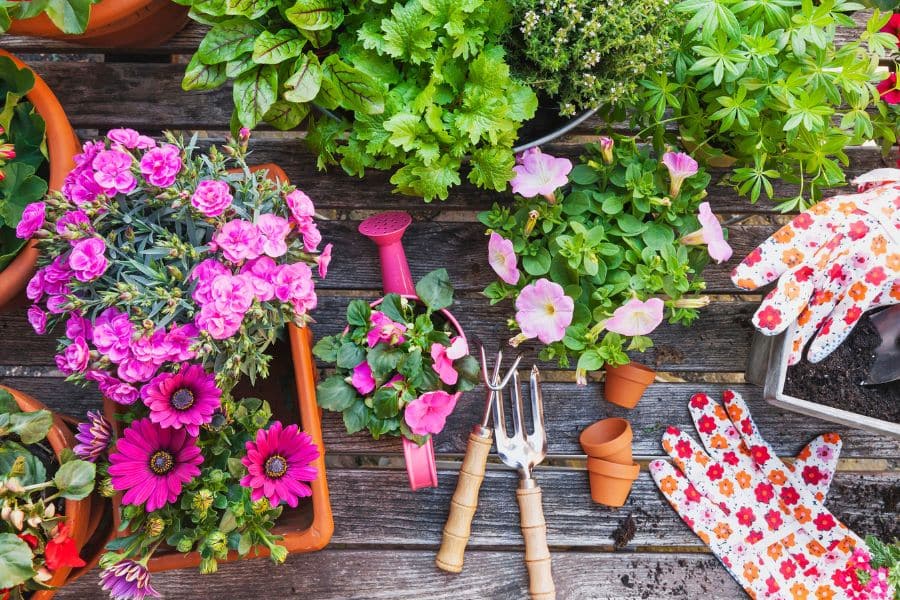
The 10 Golden Rules of Gardening
Gardening is a wonderful hobby, but be warned, it will break your heart on a fairly regular basis. Things die. Heatwaves frazzle your tomatoes, slugs demolish your lettuces overnight, and a late frost can undo weeks of work in a single evening. It’s so easy to throw in the towel and decide the whole thing just isn’t for you.
But, and this is the big but, the people with the gorgeous gardens aren’t the ones who never failed. They’re the ones who didn’t quit. As with most things in life, patience is a virtue, and the rewards really are there for those who stay the distance.
So before you wave the white flag over a bed of wilted greens, here are my ten golden rules of gardening to keep you sane and, more importantly, keep you going.
1. Start small, or you’ll drown by July

The biggest mistake I see, and one I made myself, is biting off far more than you can chew in year one. You get all fired up, you picture the abundant kitchen garden and the neighbors green with envy over your courgettes, and you plant the lot.
Then summer arrives, and you’re underwater, trying to keep on top of a plot twice the size you can actually manage.
One small bed. That’s all you need to begin with. If you’re just getting going, my full guide to starting a vegetable garden from scratch walks you through it without the overwhelm.
Pick three or four things you actually want to eat, grow those well, and expand next year once you’ve got your confidence up. A small garden you love beats a big one you’ve come to dread.
2. Make peace with the fact that things will die

I’ll let you in on a little secret. I have killed more plants than I care to admit. A lot more.
A dead plant is not a referendum on your worth as a human being. It’s just gardening.
Sometimes it’s your fault, sometimes it’s the weather, and sometimes the thing was simply destined for the great compost heap in the sky, no matter what you did.
If you want a gentle reminder that everyone gets it wrong, have a read of these classic mistakes most new gardeners make. You’ll feel a great deal better about yourself.
3. Right plant, right place. Stop fighting your garden
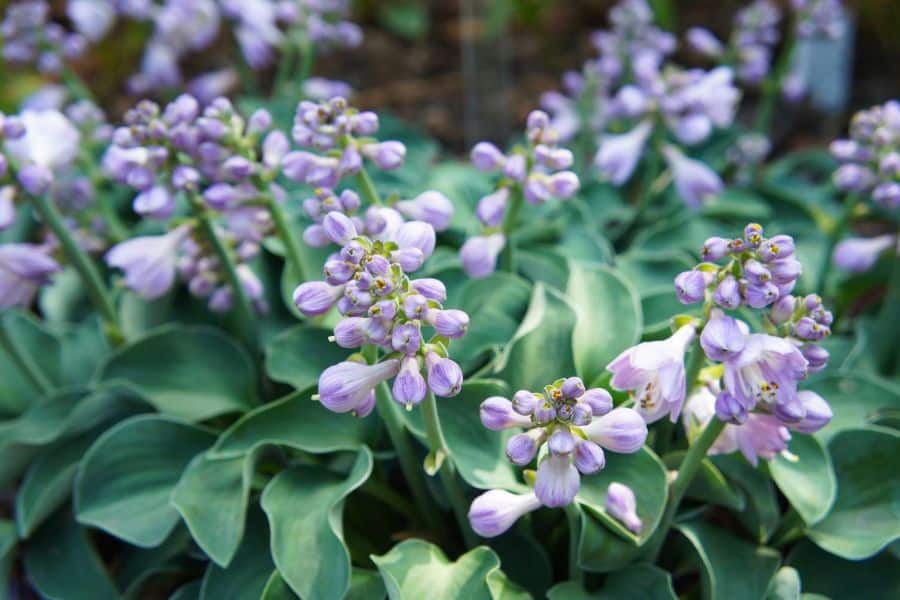
So much heartache comes from trying to grow the wrong thing in the wrong spot. A shade lover baking in full sun. A Mediterranean herb sat in soggy clay. You’re setting yourself up to fail before you’ve even begun.
Work with what you’ve got, not against it. Watch where the sun actually falls across the day, notice which corners stay damp, and choose plants that suit those conditions rather than ones you’re forever nursing.
And if you want an easier life altogether, fill your beds with hard-to-kill plants that more or less look after themselves. There’s no shame in it whatsoever.
4. Water like you mean it, especially in this heat

Right, this one’s close to my heart at the moment for fairly obvious reasons. More gardens are ruined by bad watering than by almost anything else, and the mistakes go both ways.
A quick splash every evening does more harm than good. It keeps the roots up near the surface, where they fry the moment a heatwave hits.
Water deeply and less often instead, so the roots head down looking for it. Do it early in the morning or after the sun’s gone down, never in the blazing midday heat, and chuck a good layer of mulch on top to lock the moisture in.
When it’s 40 degrees out, even that isn’t always enough, so I lean on a few clever tricks to keep my plants watered during a heatwave without spending my whole life lugging a watering can about.
5. Don’t panic when it all looks bloody dead
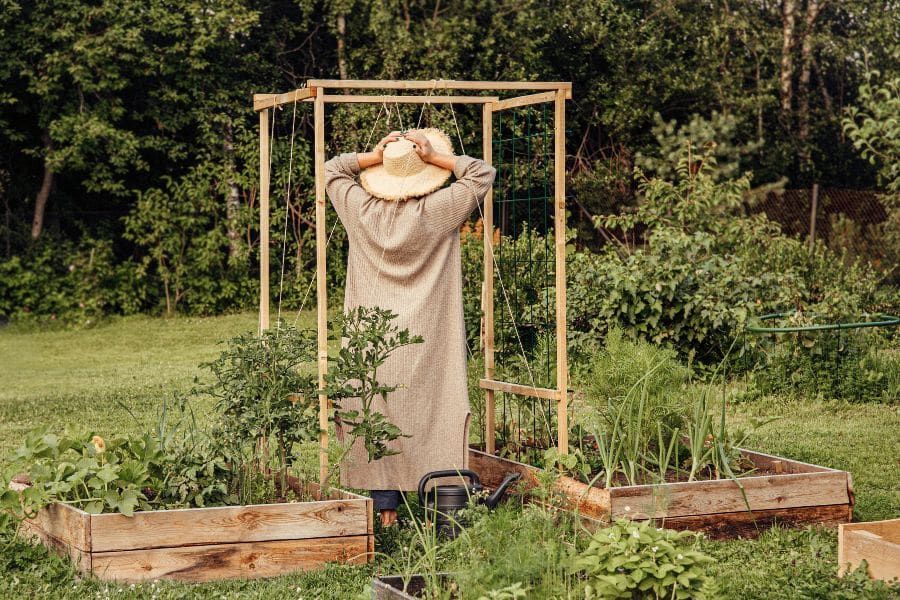
This is the big one for staying sane. A plant that looks utterly finished is very often just sulking.
In a heatwave, plants wilt to protect themselves, folding in on themselves and going crispy at the edges. It’s what’s happening to my chili plants at the moment.
Half the time, a good soak at dusk and a couple of cooler days, and they perk right back up. I’ve written before about how to keep your garden happy when everything looks dead, and the short version is this. Don’t go ripping things out in a flap.
And if you genuinely think you’ve lost something, don’t bin it just yet. You’d be amazed at what a sorry-looking plant can do with a bit of patience.
I’ve brought things back from what looked like certain death more than once, and there’s a whole guide on how to revive a plant you’ve accidentally killed. But one of the quickest ways to check is to scratch the stem. If there’s green underneath, there’s hope.
6. Grow what you’ll actually eat
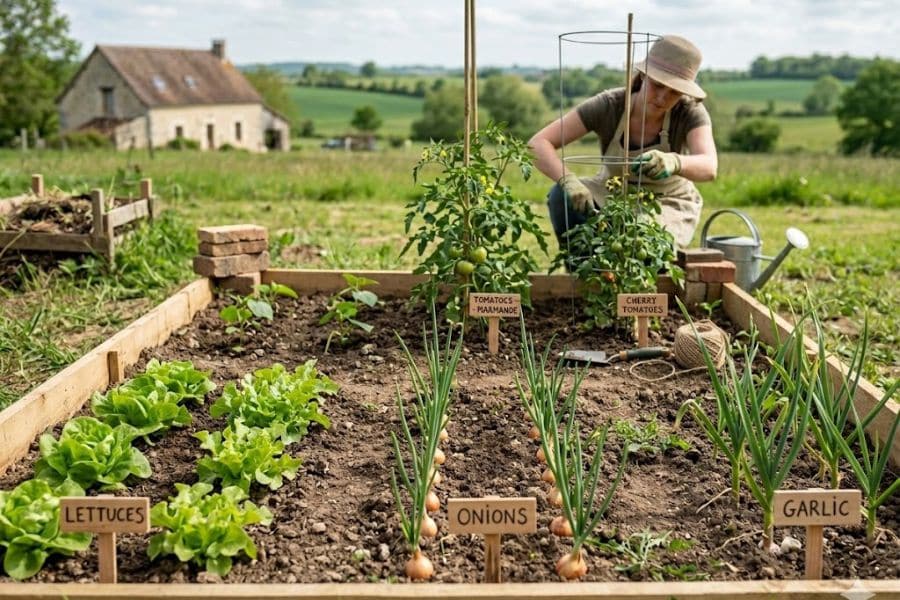
There’s no point growing three rows of something nobody in your house will touch. Grow what makes it onto your plate. Tomatoes are the obvious ones, as most of us eat them and they aren’t hard to grow.
My grandad understood this better than anyone, and the vegetables he grew on his allotment were the ones worth the effort and none of the faff. A garden full of food you’re excited to harvest is a garden you’ll keep coming back to. That’s half the battle won.
7. Loosen up and let it be a bit wild
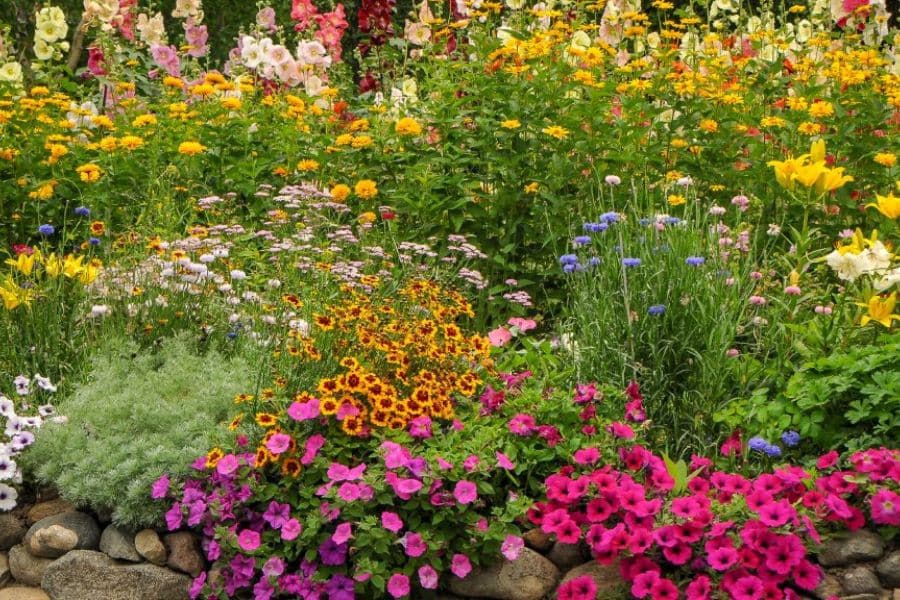
If you’re chasing a magazine-perfect garden with not a leaf out of place, you’ll wear yourself into the ground and resent the whole thing by August. Let’s be honest, nobody actually has that garden. Not really, unless you literally have nothing else to do with your time.
A few weeds won’t kill anyone. Embracing a bit of glorious chaos is far better for the bees and butterflies, too. There’s even a trend for it now.
The whole throw-and-grow chaos gardening approach is built on exactly this idea, and it’s wonderfully freeing. Lower the bar. You’ll enjoy it ten times more.
8. Pace yourself, or your back will pay for it

I’m a terrible one for this. The weather turns lovely, I can see the difference I’m making, and I simply don’t want to stop. Then I wake up the next morning, barely able to bend down to put my socks on.
Gardening is a glorious full-body workout, but it’s still a workout. Break the big jobs into smaller sessions, kneel rather than stoop, and don’t try to do the whole garden in one heroic Saturday.
When I do overdo it, my friend Becky, who’s a yoga teacher, always finds me a stretch, and these yoga moves for back pain have saved me more than once.
A garden’s no fun if you can’t move the next day.
9. Keep a few scribbled notes

This is one of the most useful things I do. Jot down what you planted, when, and how it fared. What thrived, what flopped, what got hammered by the heat or the slugs.
You think you’ll remember, but with all the best will in the world, you won’t. Trust me. A few scrappy notes mean that next year you’re not making all the same mistakes over again, you’re building on what worked. Every season you garden, you get a little bit better at it. The notes just speed that up.
10. Remember why you started
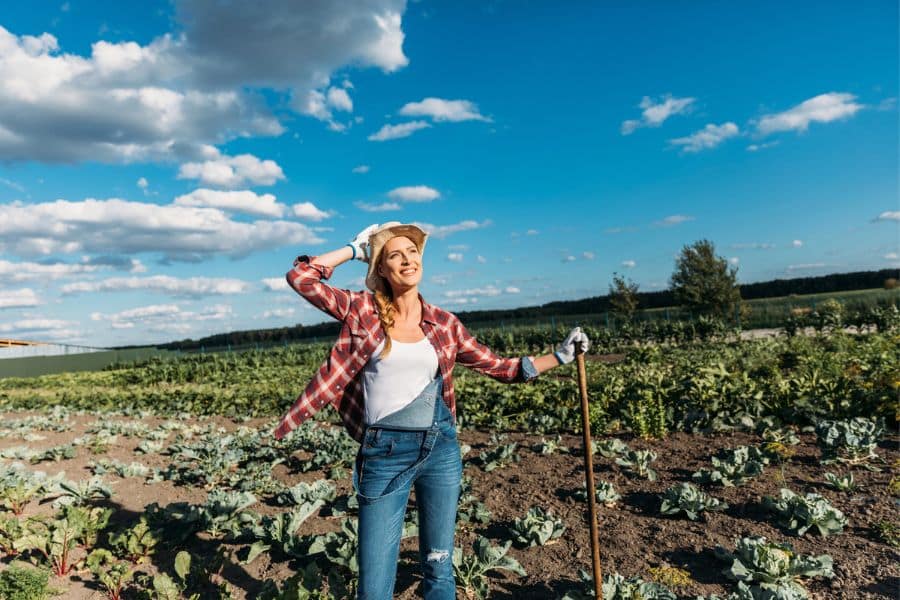
When it’s all gone wrong, and you’re hot and bothered and covered head to toe in soil, this is the rule that matters most of all.
You didn’t take up gardening for flawless results. You took it up for the quiet joy of it. The smell of the earth after rain, the first warm tomato eaten straight off the vine, the way an hour of weeding empties your head of everything else.
It’s a tonic for body and soul, and it really is one of the best things you can do for a long and happy life.
Are you having a tough year out there, too, or has this heat finally broken your spirit? Whatever you do, don’t pack it in just yet. One can but persevere.
Disclaimer: This article is for general information only and is not professional advice. It may contain affiliate links. Please see our full Editorial Policy for details.

Kylie Lang is a nationally syndicated travel journalist with bylines on the Associated Press Wire & more, a lifestyle writer, and the founder and editor of Your Lifestyle Library (yourlifestylelibrary.com). She holds a BA (Honours) in History from the University of Kent and is a member of the British Guild of Travel Writers.