
The first summer we had a proper garden of our own, I lost almost everything in a single week. I’d planted out tomatoes, basil, and a hopeful little row of zucchini in May, watered them faithfully, and felt very pleased with myself. Then late June rolled in with five straight days above 95.
By the end of the heatwave, pretty much everything had wilted and died. I was so disappointed and completely deflated. I’d done all the right things, or so I thought. Watered every evening, installed a DIY irrigation system to keep the roots moist, and mulched everything. And still, carnage.
Summers, especially in our part of France, are getting more brutal, with temperatures regularly above 100 degrees. A lot of us are gardening through heat that our gardens (and our nerves) weren’t really built for. If this sounds like you, I think you’ll find this article handy. But be warned: if you want a perfect garden, this might not be the article for you. But it will help keep your garden alive in extreme heat when the weather is doing its worst.
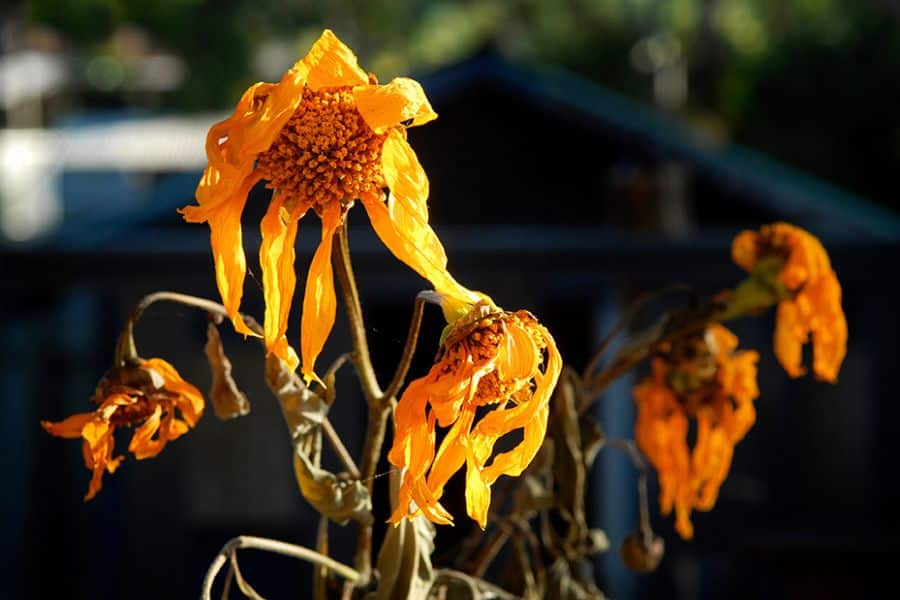
How to Keep Your Garden Going When Temperatures Soar
The mistake I made that first year, and kept making for a few years after, was thinking that more water was the answer to everything. A plant looks sad. Water it. Soil looks dry? Water it. Leaves drooping at 3 pm in 90-degree sun? Definitely water it.
And of course, half the time I was making things worse, because warm, wet soil in scorching heat is a recipe for rot, and a daily light sprinkle just teaches roots to live near the surface where they fry first.
What actually changed things for me was thinking about the garden the way you’d think about a person trying to survive a heatwave. Shade where you can get it. Deep drinks rather than constant sips. A cool cloth on the back of the neck, which in garden terms is mulch. And not asking anybody, plant or person, to do anything strenuous in the middle of the day.
Once I stopped panicking and started thinking that way, the garden got a lot easier, and a lot more plants survived. So let’s go through it properly, soil first, because almost everything starts there.
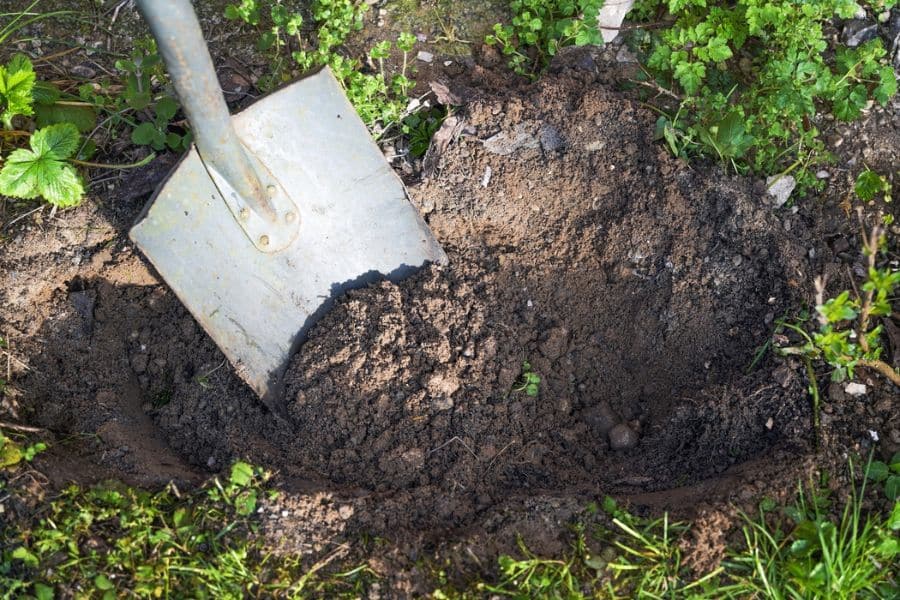
Soil Does Most of the Work, So Start There
If your soil is thin and sandy, water runs straight through it, and your plants are basically drinking through a sieve. If it’s heavy clay baked into something resembling pottery, water rolls off the top and never reaches the roots at all. Either way, you can stand out there with the hose for as long as you want, and it won’t do much good.
The single best thing I ever did for my garden in summer was add compost. Not once, but every spring, a couple of inches worked into the top of every bed, and a layer around anything in a pot.
Compost holds moisture like a sponge, feeds the soil life that helps roots take up water, and softens clay enough that water can actually soak in. It’s not glamorous, and I’ll admit I once swallowed a small bug while bending over the compost pile, but the difference it makes in July is hard to overstate.
If you don’t have your own compost yet, bagged stuff from the garden center is fine. So is well-rotted manure if you can get it. We have horrible clay-based soil, so I go to the farmer up the road and for a bottle of red, I can have as much manure as I want, and it’s worked wonders.
The point is to keep adding organic matter year after year. A garden with rich, crumbly soil shrugs off a hot week. A garden with exhausted, dusty soil collapses in two days.

Mulch Is the Cheapest Way to Help Your Plants in a Heatwave
Leaving your soil bare just because it looks better will not help your plants, and they’ll end up dying for your perfect-garden vanity. Bare soil in 90-degree heat can reach temperatures that cook shallow roots, and it loses water to evaporation faster than you can replace it.
A two to three-inch layer of mulch over your beds changes the game. It keeps the soil beneath cool, holds moisture, smothers most weeds that would otherwise compete for water, and slowly breaks down to feed the soil.
I use straw around the vegetables and grass clippings (dried out for a day or two first; otherwise they go slimy), so it doesn’t cost me a cent.
A few things I’ve learned the hard way about mulching:
- Don’t pile it up against plant stems or shrub trunks. Leave a little gap, an inch or two, otherwise you get rot and slug hideouts right where you don’t want them.
- Water the soil first, then mulch on top. Mulching dry soil just means the rain has to fight through the mulch before it reaches anything thirsty.
- Refresh it once during the summer if it’s looking thin. A heatwave can break it down faster than you’d expect, and the bare patches will dry out first.
- Skip the dyed-red wood chips if you can. They look like a fast-food restaurant parking lot and don’t do anything the plain stuff doesn’t do better.

Water Less Often, but Water Properly
This is the bit that took me longest to accept. A deep soak twice a week does more for most established plants than a daily quick spray because it pushes water down, and the roots follow it. Roots that grow deep find moisture lower in the soil long after the surface has baked dry.
Roots that stay shallow because you’ve been tickling the soil’s surface every evening have nowhere to go when things get hot.
The best time to water is early morning, before the sun is properly up. The plants drink before the heat hits, and any water on the leaves dries in the morning sun rather than sitting damp overnight, which invites mildew and fungal trouble.
Evening is the second-best option if mornings aren’t realistic for you. Midday is mostly a waste because so much evaporates before it does any good.
A few things that have made a real difference in our yard:
- A long, slow trickle from the hose at the base of each plant for a couple of minutes beats a sweep across the whole bed.
- Use your old plastic bottle to drip water your plants at the roots. Cut the bottom and pierce the lid, then dig it in near the roots and fill it every other day.
- Pots dry out fastest, and small pots dry out fastest of all. Anything under about 10 inches across will need water every single day in a heatwave, sometimes twice. I’ve stopped buying small pots for this exact reason.
- A saucer under a container is fine, useful even, in serious heat. The old advice about never letting pots sit in water assumes a normal summer. In a brutal one, that little reservoir buys the plant a few hours.
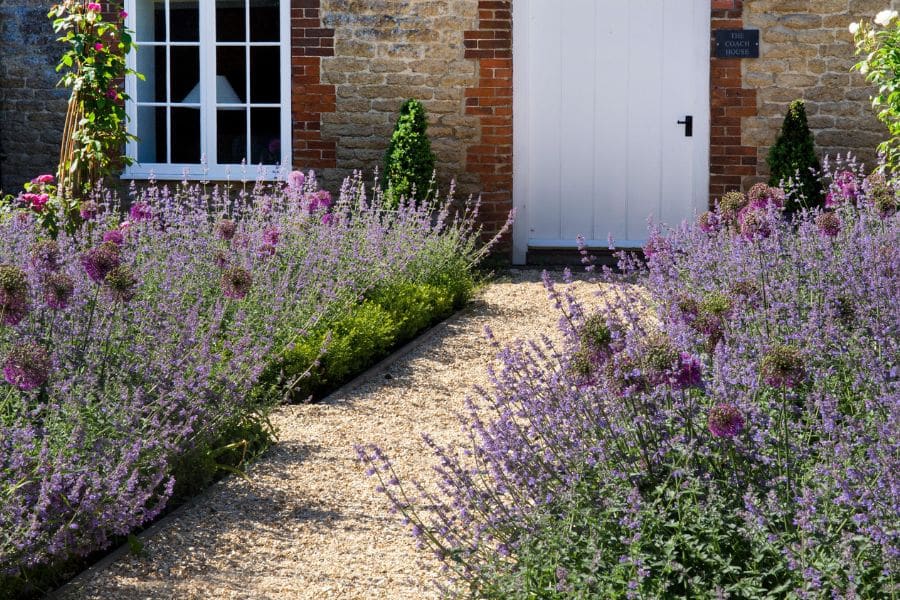
Pick Plants That Actually Want to Be There
I spent a lot of money in my early gardening years on plants that were never going to make it through our summers, simply because I didn’t realize.
The plants that can survive a hot, dry summer tend to have something in common. Silvery or fuzzy leaves (lavender, lamb’s ear, artemisia), which reflect light and slow water loss. Waxy or leathery leaves (sedum, euphorbia, yucca).
Deep taproots (echinacea, baptisia, oriental poppies), or Mediterranean origins, where hot dry summers are the norm rather than the exception, so think rosemary, sage, thyme, oregano. These plants prefer heat, so can survive severe temperature rises
For flowers, things like zinnias, cosmos, rudbeckia, salvia, gaura, verbena bonariensis, and yarrow. For vegetables in real heat, peppers, eggplant, okra, sweet potatoes, and cherry tomatoes (the smaller ones cope better than the big slicing types) tend to keep going long after the lettuce has bolted and the peas have given up.
If you’re somewhere with both humid and dry heat, give your plants more space than the label suggests. Air movement between them reduces the fungal problems that thrive in muggy conditions.
And one more thing on plant choice. If something dies two summers in a row in the same spot, that plant and that spot aren’t meant for each other. Stop replacing it with the same thing.
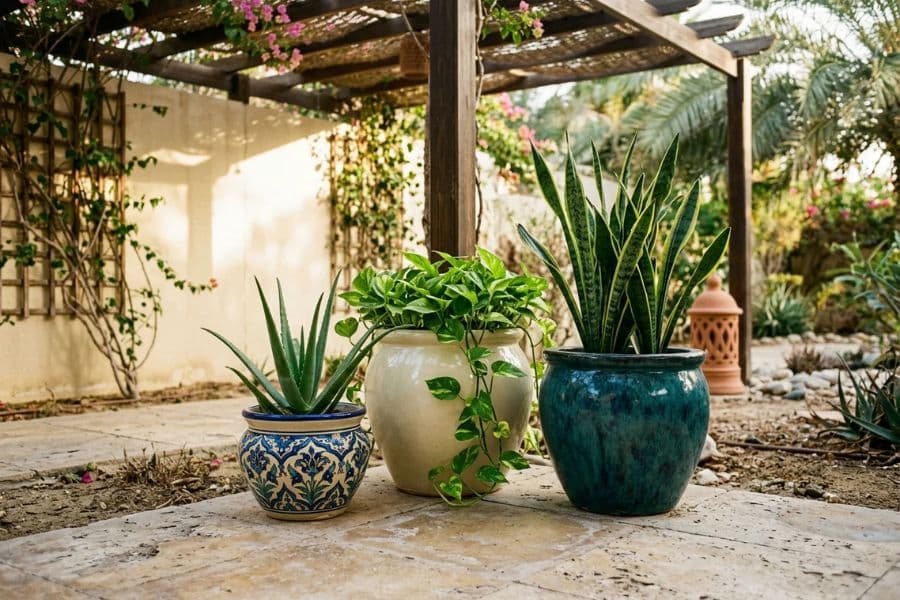
Containers and the Daily Triage
Pots are where summer heat hits hardest. The soil volume is small, the sides heat up, and there’s no deep, cool earth to wick moisture from. A terracotta pot in full sun can be unwatered in the morning and bone dry by 4 pm, and I’ve lost more container plants to heat than to any other cause combined.
A few things help. Bigger pots, always. Glazed ceramic or plastic rather than unglazed terracotta if you have a choice, because terracotta breathes, which is lovely in spring and ruinous in August.
Grouping pots together so they shade each other’s sides. Moving the most vulnerable ones into afternoon shade for the worst weeks will help a little.
For watering in heat, soak each pot until water runs out the bottom, wait a minute, and do it again. Often, the first pour just runs straight through dry compost without actually wetting it, and the second pour is the one that does the work.
If a pot has gotten so dry that water just runs out without soaking in, sit the whole thing in a bucket of water for half an hour and let it drink from below. It brings things back from the brink more often than you’d guess.
The last bit of advice, which is more for the gardener than the plants: walk around the yard with a cup of coffee in the early morning during a hot stretch, just looking. You’ll spot the wilting pot, the bed that’s drying out at one end, the tomato that’s starting to look peaky, before any of it becomes a crisis.
Five minutes of looking saves an hour of panicked rescue later. Some of my best gardening happens before I’ve picked up a single tool.
Disclaimer: This article is for general information only and is not professional advice. It may contain affiliate links. Please see our full Editorial Policy for details.

Kylie Lang is a nationally syndicated travel journalist with bylines on the Associated Press Wire & more, a lifestyle writer, and the founder and editor of Your Lifestyle Library (yourlifestylelibrary.com). She holds a BA (Honours) in History from the University of Kent and is a member of the British Guild of Travel Writers.