
When I first moved to France ten years ago, I inherited a garden with clay soil so stubborn it could break a spade. I spent the first few years carefully planning beds, drawing little diagrams, and trying to color-coordinate everything like some kind of amateur Monet.
I’m from the UK originally, and I’ve learned that those perfect English gardens that people spend hours keeping perfect within an inch of the blade of grass simply do not work in rural France.
So when I started seeing people on TikTok tossing handfuls of seeds at the ground and walking away, I was intrigued. I’m not sure my perfectionist brain can cope with it. The name says it all; it’s called chaos gardening, and it’s blowing up across social media right now.
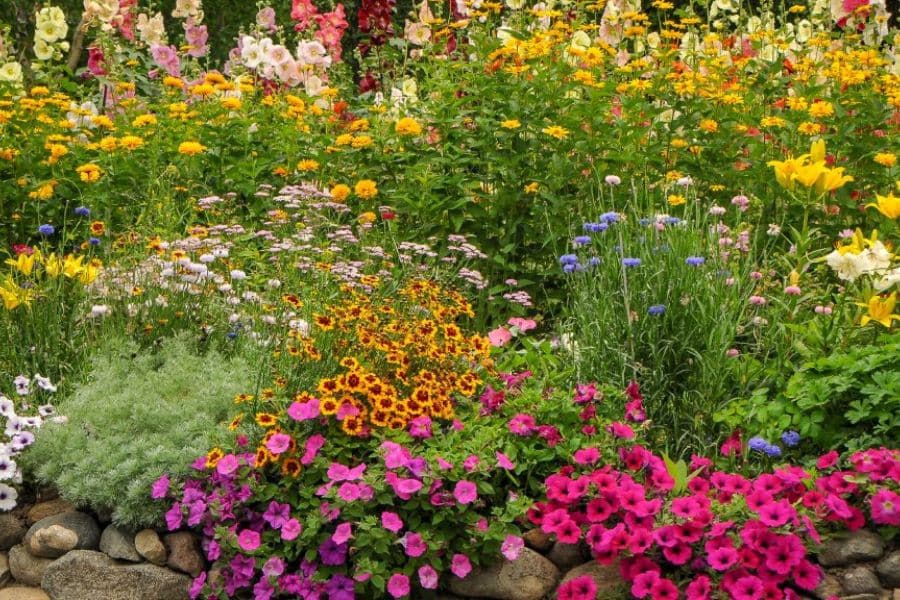
So What Is Chaos Gardening
It’s pretty much what the name implies. You take a mix of seeds, usually wildflowers, herbs, or pollinator-friendly blends, and you scatter them across a patch of soil. Then you let whatever wants to grow grow.
The idea is to stop micromanaging your garden and let plants find their own rhythm. Some seeds will thrive, and some won’t. The ones that do will spread, self-seed, and come back stronger next year.
It’s the opposite of the manicured, controlled garden I grew up with. And honestly? It looks beautiful. Think wildflower meadow rather than cottage garden perfect.
Why It’s Catching On Right Now
This trend isn’t just a TikTok fad. It taps into something bigger.
Pollinator populations are in trouble. Bees, butterflies, and hummingbirds have been losing habitat for decades, and home gardens are one of the best ways to give them back some space. A chaos garden full of mixed blooms is basically a gourmet buffet for them.
There’s also the time factor. Most of us are working longer hours and have less patience for high-maintenance hobbies. Chaos gardening fits beautifully into a busy life because once it’s established, you barely have to touch it.
And then there’s the cultural shift. People are tired of perfection, although that note hasn’t yet lodged into my brain. Wild, romantic, slightly messy gardens are way more popular than perfectly clipped hedges and matching planters. The look fits the moment.

It’s Not Completely Effort-Free
The TikTok videos make it look like you can chuck seeds out of a bag and walk away. That’s not quite how it works. So no, you aren’t going to buy ten packets of flower seeds and merrily chuck them around your garden and expect a miracle in a couple of weeks’ time. It ain’t gonna happen.
If you skip every step of prep, you’ll end up with a patch of weeds and a few sad sprouts wondering where everyone else went. The seeds need to make contact with the soil. They need a fighting chance against existing grass and weeds. They need water until they’re established.
So yes, chaos gardening is lower effort than traditional gardening. But “low effort” and “no effort” are not the same thing. A little bit of upfront work makes the difference between a meadow and a mess.
But stick with me here, as the steps are simple.
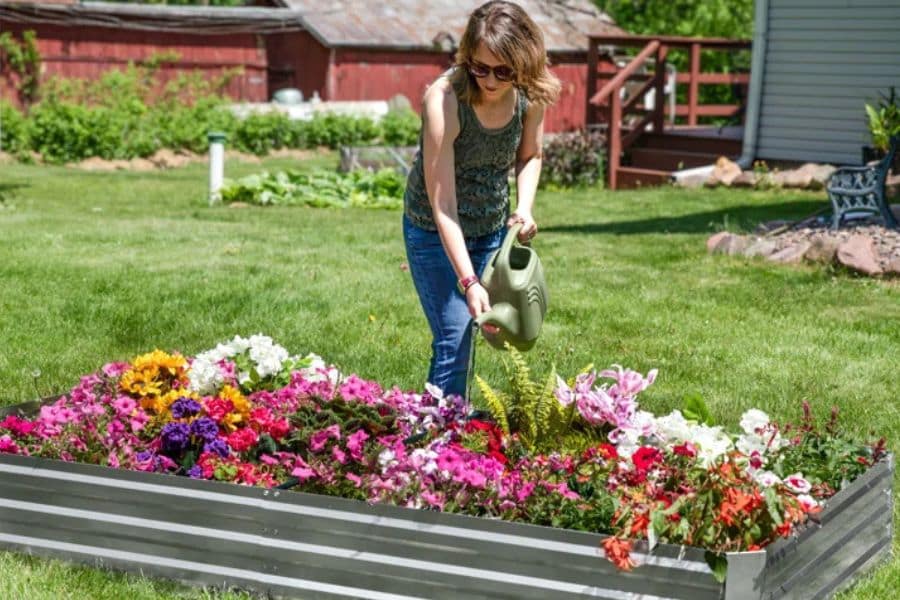
How To Start Your Own Chaos Garden
Pick your spot
Most wildflowers and pollinator plants love full sun, so aim for somewhere that gets at least six hours a day. Avoid soggy patches. Avoid heavy shade.
Prep the soil
This is the step most people skip and then wonder why nothing grew. Pull out any weeds and tough grass. Rake the surface to loosen the top inch or two of soil. You’re not digging up the whole bed; you just want the seeds to have something to settle into.
Choose your seeds wisely
Not all wildflower mixes are created equal. Cheap ones are often packed with filler grasses or species that don’t suit your area. Look for mixes that list every species included, that mention your growing zone, and that focus on natives or pollinator favorites. Companies like American Meadows and Botanical Interests are reliable starting points.
Mix with sand before scattering
Fine seeds love to clump together. If you mix them with a handful of sand or dry potting mix first, they spread much more evenly when you toss them.
Scatter densely
This is counterintuitive, but you want to plant thickly. Dense planting shades out weeds and gives you a fuller-looking garden faster.
Press them in
Walk over the area or use a rake to gently press the seeds into the soil. They don’t need to be buried, just in contact with the dirt.
Water gently and consistently
For the first few weeks, the soil needs to stay damp. Not soaked. Just damp. Once seedlings are a few inches tall, you can ease off.
Cover with burlap (optional).
A thin layer of burlap or row cover keeps birds from snacking on your seeds and helps retain moisture. Remove it once the seedlings push through.

The Best Seeds For a Chaos Garden
Some plants are practically made for this method. They self-seed, tolerate neglect, and look beautiful while doing it.
- Cosmos
- Zinnias
- Calendula
- Bachelor’s buttons (also called cornflowers)
- California poppies
- Nigella (love-in-a-mist)
- Sunflowers
- Black-eyed Susans
- Coreopsis
- Bee balm
- Purple coneflower
- Milkweed (essential for monarchs)
You can also throw in herbs like dill, basil, and chives. They flower beautifully, smell wonderful, and the pollinators will love you for it. Want to get really adventurous? Toss in some lettuce, nasturtiums, or radish seeds for a chaos garden that you can actually eat.

Common Chaos Gardening Mistakes To Avoid
I’ve watched plenty of people try this and get disappointed. Here’s where it usually goes wrong.
Buying mystery seed mixes
If the packet just says “wildflower mix” with no species list, put it back. You don’t know what you’re getting.
Planting at the wrong time
Most chaos gardens do best when sown in early spring or fall. A hot, dry summer is the worst time to start because the seedlings can’t keep up with the heat.
Skipping soil prep entirely
Yes, I keep banging on about this. It’s that important.
Mixing aggressive plants with delicate ones
Mint will eat your entire garden if you let it. The same goes for some types of yarrow. Keep aggressive spreaders in their own zone.
Giving up after year one
Chaos gardens often look patchy in the first season. Year two is when things really take off.
Will My Neighbors Hate Me?
This is a fair question, especially if you live in an area with tidy lawns and HOA rules. A chaos garden can look intentional or like you’ve stopped caring. The trick is to frame the wildness.
Give your chaos garden a defined edge. A row of bricks, a low border of stones, or even a mowed strip around the wild section makes it clear you meant to do this. Add a path through it if you have the space. Pop in a bench or a bird bath as a focal point.
Suddenly, it’s not a neglected yard. It’s a wildflower meadow. Same plants. Different perception.
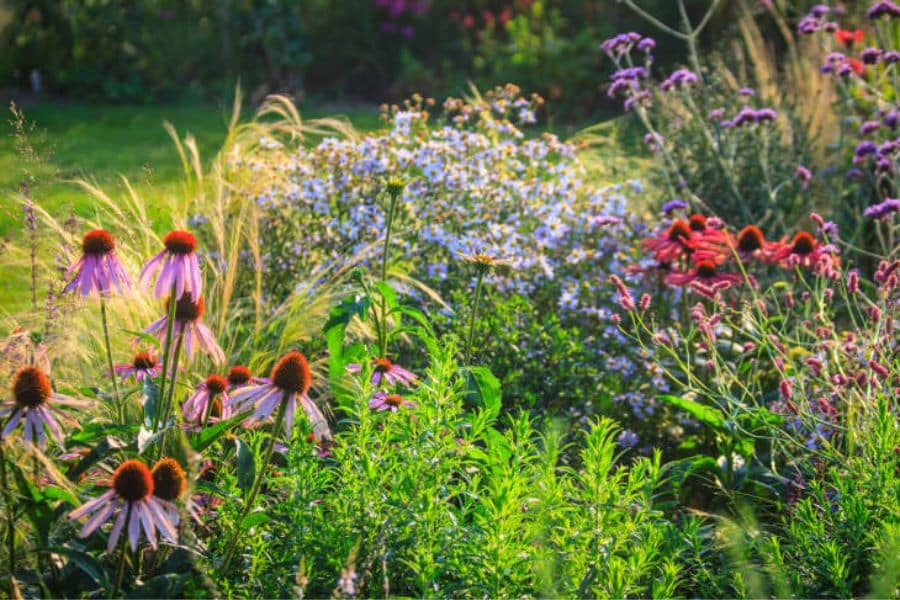
When To Plant For Best Results
Timing matters here, as I said earlier.
Spring planting works best for warm-season annuals like zinnias, cosmos, and sunflowers. Wait until after your last frost date, when the soil has warmed up.
Fall planting suits perennials and many native wildflowers because the seeds need a cold winter to germinate properly in spring. This is also a low-water option because fall rain does most of the work for you.
If you’re in a cold climate, fall planting often gives better results overall. If you’re somewhere warm like I am in southwest France, both work, but I aim for early spring when the soil is workable, but the heat hasn’t kicked in yet.
What To Expect In Year One vs Year Two
This is the part most TikTok videos don’t tell you about.
Year one will often look nothing like you’ve envisioned in your mind. You’ll get some quick wins from annuals like cosmos and zinnias, which flower the same year they’re planted. But the perennials and natives are busy putting down roots and might not bloom until year two.
The patches between plants might look bare. Some species won’t germinate at all. You’ll wonder if you’ve wasted your money.
Don’t panic.
Year two is when the magic happens. Perennials come up strong. Self-seeding annuals reappear in new spots. The garden starts to feel layered and full. Pollinators show up in greater numbers because they’ve found the place and remembered it.
By year three, you’ve got something close to a proper wildflower meadow. And the maintenance is barely anything. A bit of weeding in spring. Maybe scattering a few more seeds in any bare patches. That’s it.
It’s the closest thing to having a beautiful garden that mostly takes care of itself.
Have you tried chaos gardening yet, or are you tempted to give it a go this season?
Disclaimer: This article is for general information only and is not professional advice. It may contain affiliate links. Please see our full Editorial Policy for details.

Kylie Lang is a nationally syndicated travel journalist with bylines on the Associated Press Wire & more, a lifestyle writer, and the founder and editor of Your Lifestyle Library (yourlifestylelibrary.com). She holds a BA (Honours) in History from the University of Kent and is a member of the British Guild of Travel Writers.