
I love my garden, but right now, after two brutal heatwaves and another one on the way, it’s looking rather sorry for itself. The grass looks like straw, and my poor cornichon plants, the little pickling cucumbers, have withered almost completely. A good few of my flowers have gone the same way, frazzled under the glare of the sun.
We had ten days of over 110 degrees. Ten days. Opening the back door was like walking into an oven, so goodness only knows what my poor plants made of it. I’ve been out there at 6 in the morning and again at 9 at night with the watering can, so the water actually soaks in rather than evaporating into thin air.
I’ve mulched everything in sight, and I’ve even rigged up my own DIY irrigation system out of used pop bottles. But we’re only at the start of July, so there’s a good chunk of summer still to come.
7 Quick Ways to Get Your Garden Ready for Summer
The good news is that a little summer garden care goes a long way, and none of it has to be a slog. Here are seven quick things you can do to help your garden through the rest of the season, and none of them will have you collapsing in a heap.
Gardening is meant to be a joy, not a chore.
No. 1 Water Deeply, Early, and Less Often
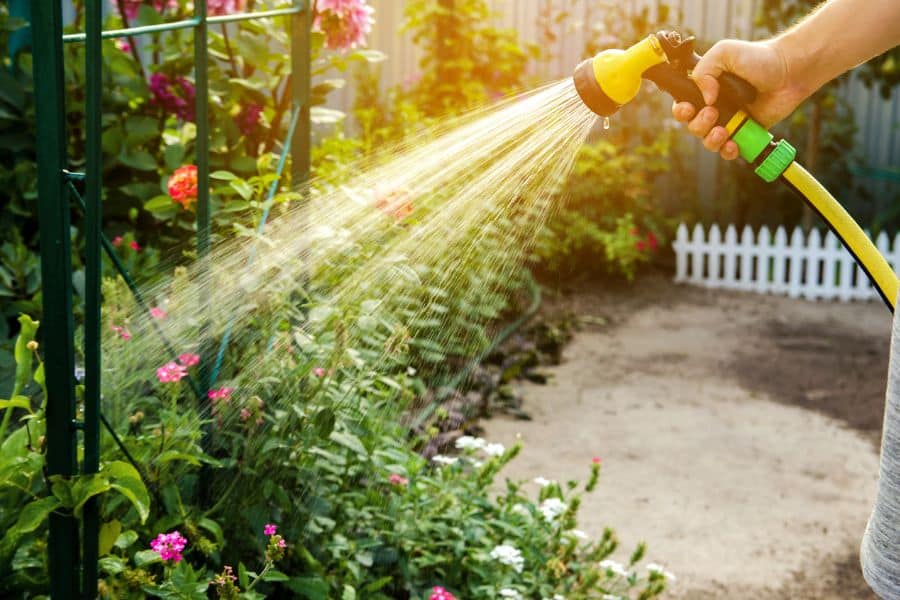
If you take one thing from this whole article, make it this. The instinct in a heatwave is to give everything a good watering every day, sometimes twice a day. Light, frequent watering keeps the roots up near the surface where the soil bakes hottest, which is the last thing you want.
What plants really need is a deep soak less often, so the water reaches right down to where the roots are and trains them to grow deep, where it’s cooler and damper. Water slowly, at the base of the plant, and give it a proper drink.
Early morning is best, before the sun gets up and steals it all. I do mine at 6 am and again about 9 pm, and honestly, that twice-a-day rhythm has been a lifesaver in this heat. A quick finger test tells you all you need to know. Push a finger an inch into the soil, and if it’s dry down there, it’s time to water. If it’s still damp, leave it another day.
One more thing. Water the soil, not the leaves. Wet foliage in the midday sun can scorch, and overnight it invites all sorts of fungal nasties.
No. 2 Mulch Like Your Garden Depends on It

If you’ve not mulched yet, drop everything and do it today. It’s the single best thing you can do to lock moisture into the soil.
A good layer of mulch, and I mean a proper 2 or 3 inches, acts like a blanket. It stops the sun from baking the soil dry, keeps the roots cooler, and cuts right down on how often you need to water.
Bark, straw, grass clippings, compost, even cardboard at a pinch. Whatever you’ve got. I’ve mulched every bed and pot in the garden, and the difference in how long the soil stays damp is remarkable.
Just leave a little gap around the stems so they don’t sit wet and rot. Other than that, pile it on.
No. 3 Rig Up Some Shade for the Fiercest Heat
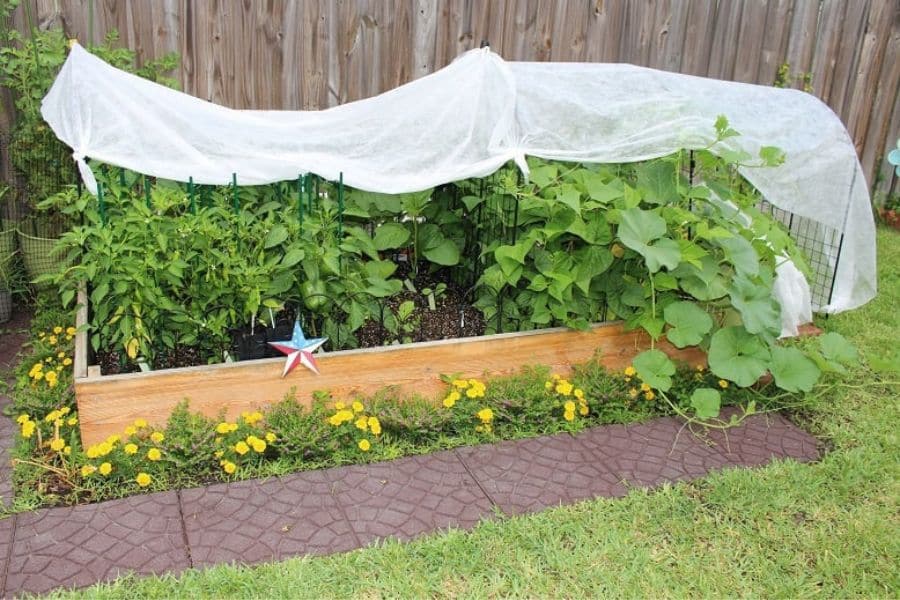
Not every plant can cope with sun that fierce, and there’s no shame in giving them a bit of cover.
An old bedsheet draped over some canes, a garden umbrella shifted across the veg patch, a bit of shade cloth from the garden center, even a propped-up parasol will do the trick.
You only need it for the worst of the afternoon, roughly noon till 4, when the sun is at its most vicious. Whip it off in the evening so everything gets its air and light back.
No. 4 Set Up Some Easy DIY Watering
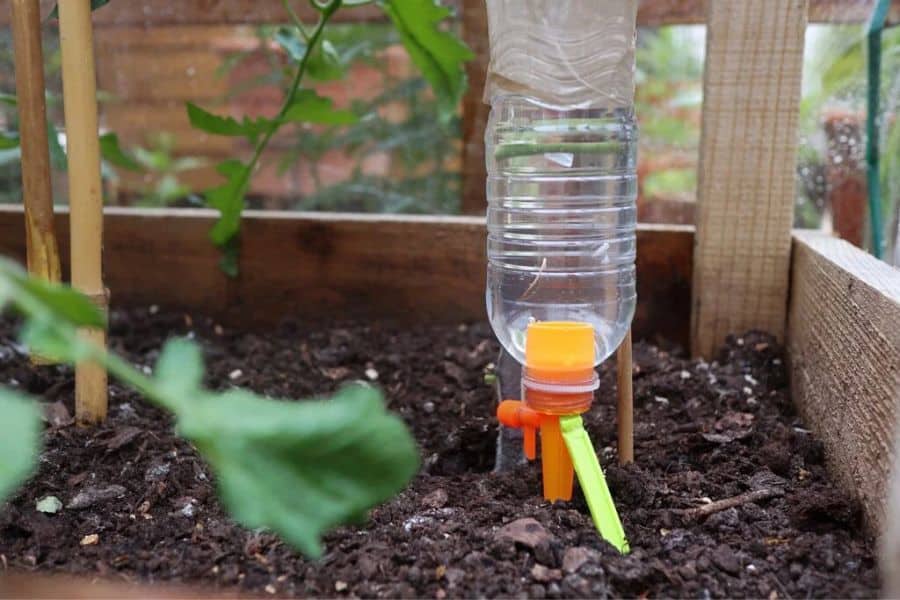
If you’re anything like me, you don’t want to be a slave to the watering can all summer, especially when you’re away for a day or two. This is where a few cheap hacks earn their keep.
My favorite is the pop bottle trick. Take an empty plastic bottle, pierce a small hole in the cap, half bury it neck-down next to a thirsty plant, and fill it up.
The water seeps out slowly, right at the roots, exactly where it’s needed. Every one of my tomato plants has one, and they’ve been brilliant.
Other easy wins? Group your pots together in a shady spot so they shade each other and dry out more slowly. Stand thirsty containers on saucers to catch every drop.
No. 5 Cut Back, Deadhead, and Rescue What You Can
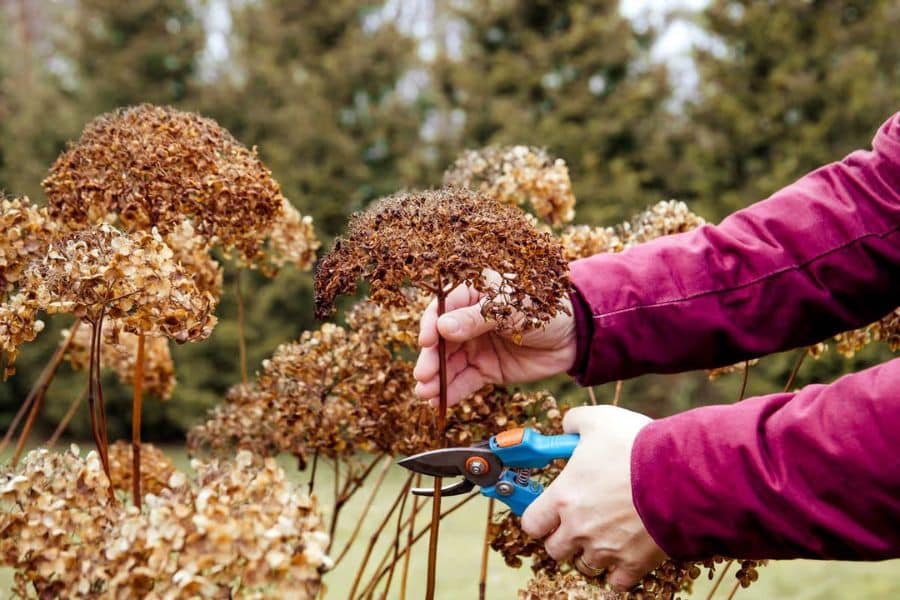
When a plant looks half dead, the temptation is to leave it be, as if cutting it might finish it off. Often the opposite is true.
Snip off the crispy, scorched growth and deadhead the spent flowers. It stops the plant from pouring energy into bits that are past saving, and it very often triggers a fresh flush of growth once the worst of the heat passes.
Many of my flowers will bounce back this way, and I’ll get a lovely second show in late summer for the price of ten minutes with the secateurs.
And don’t write off the ones that look like goners, because a surprising number of plants have more fight in them than you’d think.
No. 6 Ease Off the Feed and Grow Tougher Plants
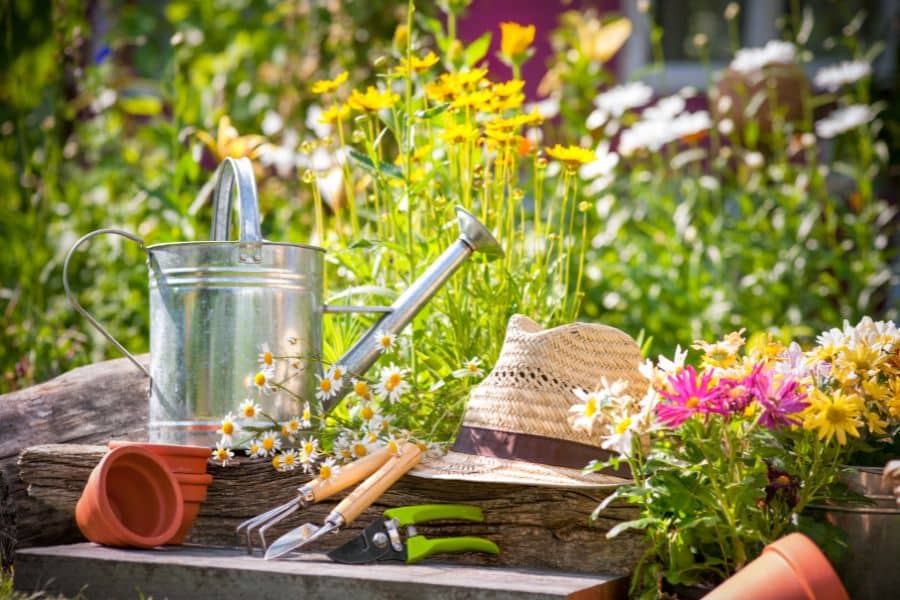
A stressed, wilting plant is not a hungry plant, and this is where good intentions can backfire. Piling on a strong feed when a plant is gasping in the heat is like handing someone a three-course meal when what they need is a glass of water and a lie-down.
It pushes tender new growth that the plant simply can’t support, and it can scorch the roots to boot.
So hold off on the heavy fertilizer until things cool down and your plants are back on their feet. A light seaweed tonic is fine if you want to do something, but mostly they just need water, shade, and to be left in peace.
And when you’re replanting the gaps, be kind to your future self and choose hard-to-kill plants that shrug off a dry spell. Lavender, thyme, sage, rosemary, and the like actually love these conditions. Fill your beds with tough customers, and next summer will be a whole lot less stressful.
No. 7 Don’t Fret About the Lawn, and Plan Your Comeback
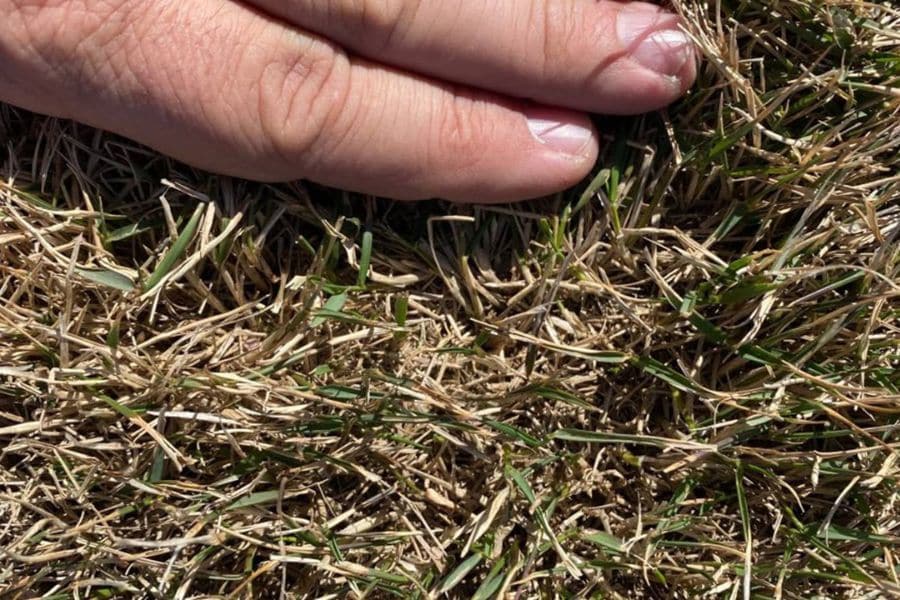
Finally, and this is the big one for your peace of mind. Stop worrying about the lawn. Yes, mine looks like straw, too. But brown grass is almost always dormant, not dead. It’s a clever survival trick, and the moment the rain returns and the temperatures drop, it greens up again like nothing ever happened.
So put the sprinkler away, save your water for the plants that actually need it, and let the tough old lawn look after itself. It’ll be fine, I promise. Lottie, my border collie, certainly hasn’t noticed the difference.
Then, once this next heatwave passes, think about a little comeback. Late summer is a lovely time to sow a few quick, resilient plants for a second wind, and a small pollinator patch of hardy, heat-proof flowers will bring the bees back and give you something cheerful to look at come September. It’s the perfect way to end the season on a high.
A Final Word on Summer Garden Care
Remember, a garden is remarkably forgiving. Plants want to live, and most of yours will pull through if you give them a fighting chance. Gardening is one of the best things you can do for your body and your stress levels, so it’s proven to do you the world of good, and I’d hate for a heatwave to rob you of the joy of it.
Disclaimer: This article is for general information only and is not professional advice. It may contain affiliate links. Please see our full Editorial Policy for details.

Kylie Lang is a nationally syndicated travel journalist with bylines on the Associated Press Wire & more, a lifestyle writer, and the founder and editor of Your Lifestyle Library (yourlifestylelibrary.com). She holds a BA (Honours) in History from the University of Kent and is a member of the British Guild of Travel Writers.